Cucumber Blossoms Falling Off? Male vs Female Flowers
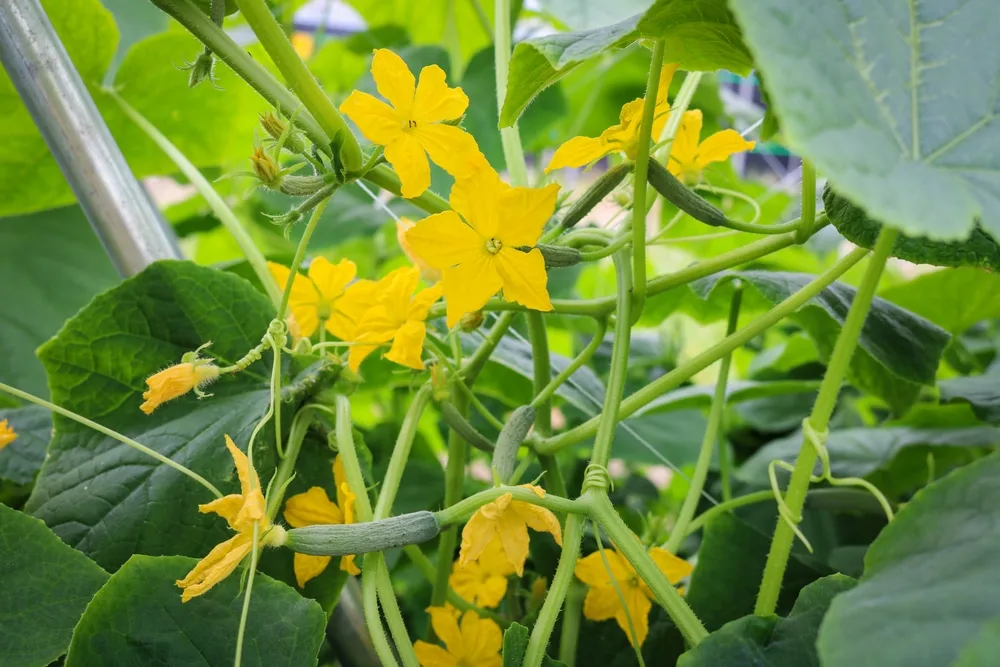
Why are cucumber blossoms falling off? Which flowers make cucumbers? If your vine is loaded with yellow blooms but you keep seeing them drop to the soil, you're not alone.
This is one of the most common panics in a summer garden, and the answer is usually far less alarming than it looks.
Here's the truth. Cucumber plants produce two different flower types, and only one of them actually forms fruit. Male flowers open first, do their job, and drop within a day or two.
That's completely normal. As of 2026, university extension research still points to the roughly 10 to 1 male-to-female ratio on standard monoecious varieties as the main reason first-time growers panic early in the season.
Quick Answer
Cucumber blossoms fall off for one main reason. Most are male flowers, which never make fruit. Male blooms open, release pollen, and drop within 24 hours.
Only female flowers form cucumbers, and you can spot them by the tiny cucumber-shaped ovary sitting right behind the petals. If female flowers also drop, blame poor pollination, heat above 90°F, or watering stress.
Why Your Cucumber Blossoms Keep Falling Off (The Short Answer)
Most of the flowers you see dropping are male blooms doing exactly what they're supposed to do. They open, shed pollen, and fall within a day.
Female flowers stay attached only when they get pollinated within a few hours of opening. If pollination fails, the female bloom and its tiny ovary shrivel and drop within two or three days. That's the real problem worth troubleshooting.
The rule is simple. Male drop is normal. Female drop is a signal to investigate.
Male vs. Female Cucumber Flowers: How to Tell Them Apart
The trick is to look behind the petals, not at them. Male and female cucumber flowers both wear the same bright yellow, five-petal outfit. Only one of them carries a baby cucumber.
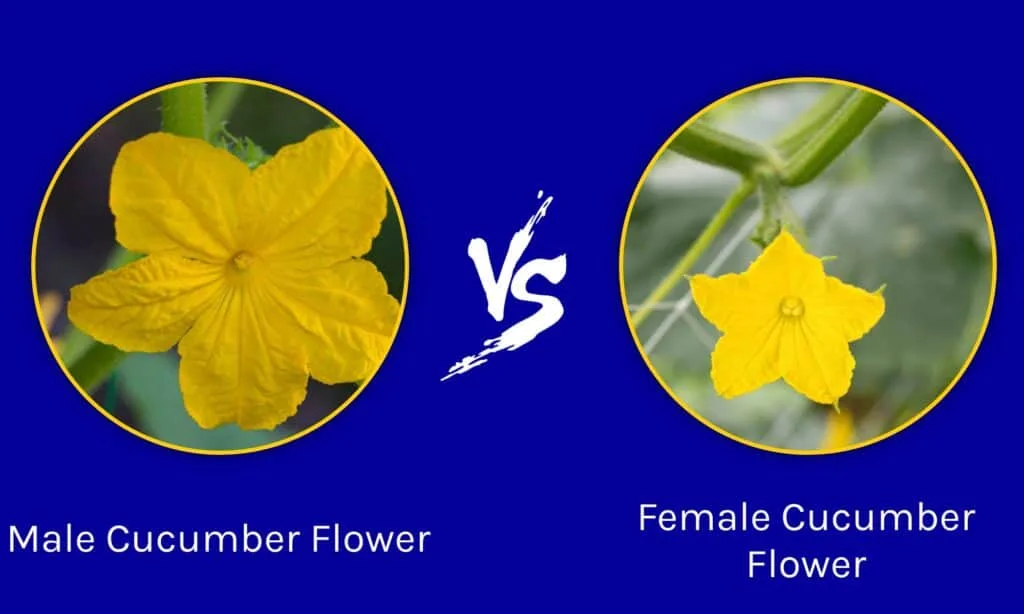
Female flowers have a small, green, cucumber-shaped swelling right where the flower meets the stem. That swelling is the ovary. Think of it as a mini pickle waiting to grow.
Male flowers sit on a plain, thin stem with nothing behind them.
Here's a quick side-by-side:
| Feature | Male Flower | Female Flower |
|---|---|---|
| Stem behind bloom | Thin and straight | Tiny cucumber-shaped ovary |
| When it appears | First, roughly 7 to 10 days before females | After the vine gains some size |
| Ratio on the vine | About 10 per 1 female | About 1 per 10 males |
| Job | Produce pollen only | Develop into the cucumber |
| Lifespan | Drops within 24 hours | Stays if pollinated, drops if not |
Once you spot that little ovary, you'll never mix them up again. Peek at the base of every bloom and you'll know instantly which one matters.
Which Flowers Actually Make Cucumbers
Only the female flower makes a cucumber. The male flower's entire job is to donate pollen and then get out of the way.
When a bee (or your paintbrush) carries pollen from a male to a female, the ovary starts to swell. Within days, that little green nub stretches into a full cucumber. If nothing pollinates that female bloom within roughly 4 to 6 hours of opening, the ovary shrivels and the whole flower drops.
So the answer is short. Female flowers, and only when they get pollinated in time. Everything else on the vine is either pollen delivery or leafy support.
The Normal Bloom Timeline You Shouldn't Panic About
Cucumber vines follow a predictable rhythm. First flowers are males. That's not a bug in the plant, it's the plan.
Here's what the calendar usually looks like:
- Days 35 to 45 after seeding: first male flowers open. Zero fruit forms. Normal.
- Days 45 to 55: female flowers start appearing at leaf nodes further up the vine.
- Day 55 onward: overlapping male and female bloom, pollination happens, cucumbers form.
If you're only two weeks into flowering and freaking out about no fruit, take a breath. The females are on their way. Guidance from cooperative extension programs such as the University of Minnesota Extension confirms that most cucumber varieties need this male-first window to build up pollen before females open.
Panic early and you'll waste fertilizer, waste time, and usually do more damage than doing nothing.
Diagnose Your Blossom Drop: A Quick Decision Tree
Match your specific problem to the right fix. Walk through the three branches below and pick the one that describes what you're actually seeing on the vine.
Only Male Flowers So Far
If every bloom drops within a day and none have that little swelling at the base, you're just early in the season. Do nothing. Wait another 7 to 14 days for females to arrive.
Keep watering consistently and hold off on any extra nitrogen.
Female Flowers Dropping Before Fruit Forms
If you can see females (with visible ovaries) but they turn yellow and fall without swelling, pollination failed. This is the most common real problem. Fixes to try:
- Check for bee activity in the morning between 6 and 10 a.m.
- Hand pollinate with a small brush if you see few bees.
- Skip pesticide spraying until the bloom window closes each day.
- Plant borage, dill, or zinnias nearby to pull pollinators in.
Tiny Cucumbers Shriveling After Pollination
If you spot pea-sized cucumbers forming and then rotting, browning, or curling, pollination happened but the plant aborted the fruit. Common causes:
- Heat stress above 90°F (32°C) during bloom.
- Inconsistent watering with dry, soaked, dry cycles.
- Too much nitrogen driving leaf growth over fruit development.
- Calcium shortage triggering blossom-end rot on the young fruit.
Match the branch to your situation before changing anything. Most gardeners overwater or over-fertilize a plant that just needed a bee.
Pollination Problems and How to Spot Them
Pollination is where most cucumber trouble hides. If female flowers appear but never form fruit, pollen never reached them or reached them too late.
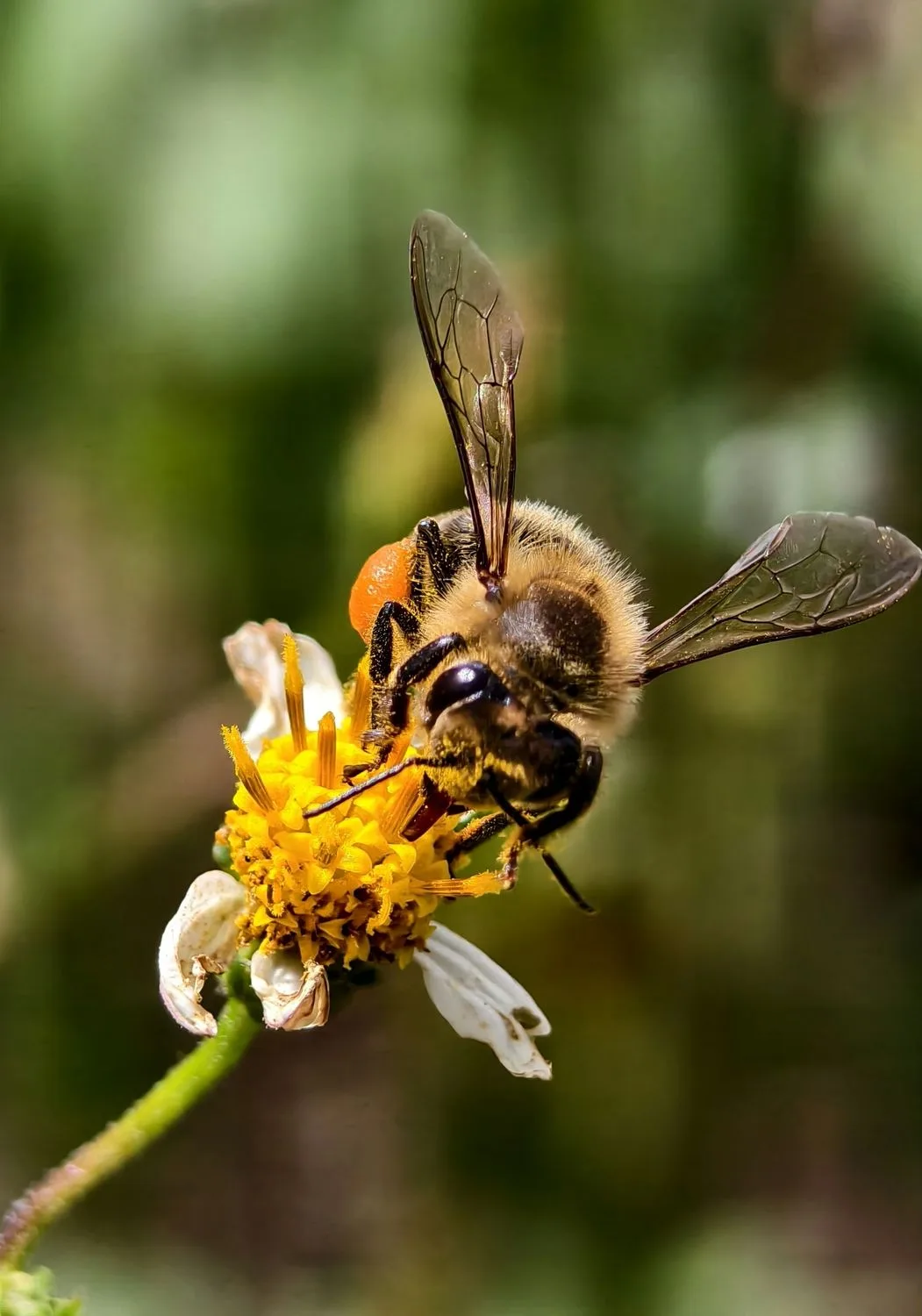
Cucumber flowers open for a single morning. The pollination window is only about 4 to 6 hours after the flower opens. Research from land-grant extension programs suggests a female bloom needs roughly 10 to 15 bee visits to receive enough pollen for a full, straight cucumber.
Fewer visits mean shorter, curled, or aborted fruit.
Signs your vine has a pollination problem:
- Female flowers turn yellow and drop within 2 to 3 days of opening.
- Tiny cucumbers form but curl into "C" or "J" shapes.
- Fruit swells at the tip but stays skinny at the stem end.
- You see almost no bees, wasps, or hoverflies working the blooms.
Common causes include pesticide sprays hitting during flowering, rainy mornings that keep bees home, dense row covers left on too long, and simple isolation in urban gardens. Verified guidance from the USDA recommends avoiding any insecticide spray on open blooms and applying only in the evening once flowers have closed.
If your neighborhood is short on bees, hand pollination fixes the problem in seconds.
Temperature and Weather Stress That Kills Fruit Set
Cucumbers are picky about temperature during bloom. The sweet spot for fruit set is roughly 70°F to 85°F (21°C to 29°C) during the day, with nights staying above 60°F (15°C).
Push past those numbers and the plant stops cooperating:
- Above 90°F (32°C): pollen becomes sterile or clumps, and female flowers abort.
- Below 55°F (13°C) at night: fruit set stalls entirely.
- Humidity above 90%: pollen sticks together and can't transfer.
- Humidity below 40%: pollen dries out before bees can move it.
Heat waves are the number one cause of blossom drop in July and August. Even a single 95°F afternoon can knock off half the female blooms open that morning. Recovery usually takes 7 to 10 days once temperatures normalize.
If extreme heat is coming, shade cloth (30 to 40 percent) rigged over the vines protects the flowers without blocking bees. Deep morning watering also cools the root zone and buys the plant some breathing room.
Watering Mistakes That Cause Blossoms to Drop
Cucumber vines want steady, deep moisture. Not a swamp. Not a desert.
Anything in between causes flowers to drop.
The rule of thumb: about 1 to 2 inches of water per week, delivered in one or two deep soaks rather than daily sprinkles. Shallow watering trains roots to stay near the surface, where they dry out fast and stress the plant.
Watch for these watering-linked signals:
- Sudden female flower drop after a hot, dry stretch means drought stress.
- Yellow leaves at the base and mushy stems mean overwatering and poor drainage.
- Bitter cucumbers on your harvest mean uneven watering during fruit development.
- Wilting at midday even in moist soil means root rot from soggy conditions.
Container growers face this the hardest. A hot patio can dry a 5-gallon cucumber pot in under 24 hours. Check pots every morning during summer and mulch the top with straw or shredded bark.
Drip irrigation on a timer solves most watering issues. Set it for early morning so leaves dry before nightfall, which also cuts fungal disease risk.
Fertilizer Traps: Why Too Much Nitrogen Backfires
Nitrogen grows leaves. It doesn't grow fruit. That's the single biggest fertilizer mistake gardeners make with cucumbers.
If your vine looks like a jungle of dark green leaves with almost no flowers, nitrogen is the culprit. The plant is pouring energy into foliage because you've told it to. A balanced 10-10-10 works fine early on, but once flowering starts, the ratio needs to shift.
What to shift toward:
- Lower nitrogen (N) once flowering begins.
- Moderate phosphorus (P) to support bloom and root strength.
- Higher potassium (K) to drive fruit set and fruit fill.
A bloom-boosting formula around 5-10-10 or 3-15-15 works well during fruiting. Soil pH should sit between 6.0 and 6.8 so the plant can absorb what you feed it. If the pH is off, even the "right" fertilizer barely helps.
Overfeeding also causes salt buildup in containers, burning roots and dropping blossoms overnight. When in doubt, feed lighter and more often rather than heavy and all at once.
Pests and Diseases That Sabotage Flowering
Some blossom drop isn't your soil or your bees. It's an attacker on the vine. Cucumber beetles, powdery mildew, and bacterial wilt all cut fruit set fast.
Watch for these three main culprits:
- Striped or spotted cucumber beetles chewing flowers and spreading bacterial wilt.
- Powdery mildew coating leaves in white dust, cutting photosynthesis, and starving developing fruit.
- Squash bugs sucking sap from stems, causing wilted vines that drop everything.
Bacterial wilt is especially brutal. An infected vine wilts even in wet soil, and once it collapses, the whole plant is done. Prevention beats treatment.
Yellow sticky traps catch adult beetles, and floating row covers protect young plants until flowering begins.
Powdery mildew usually shows up in late summer when nights turn cool and humid. Improve airflow by pruning excess leaves, water at soil level, and remove infected leaves early. A weekly spray of diluted potassium bicarbonate keeps mild outbreaks in check.
If pests hit during peak flowering, choose evening treatments only and stick to bee-safe options like insecticidal soap or neem.
How to Hand Pollinate Cucumbers in Under a Minute
Hand pollination is the fastest fix for a vine full of female flowers that keep dropping. It takes about 30 seconds per flower and doesn't need any special tools.
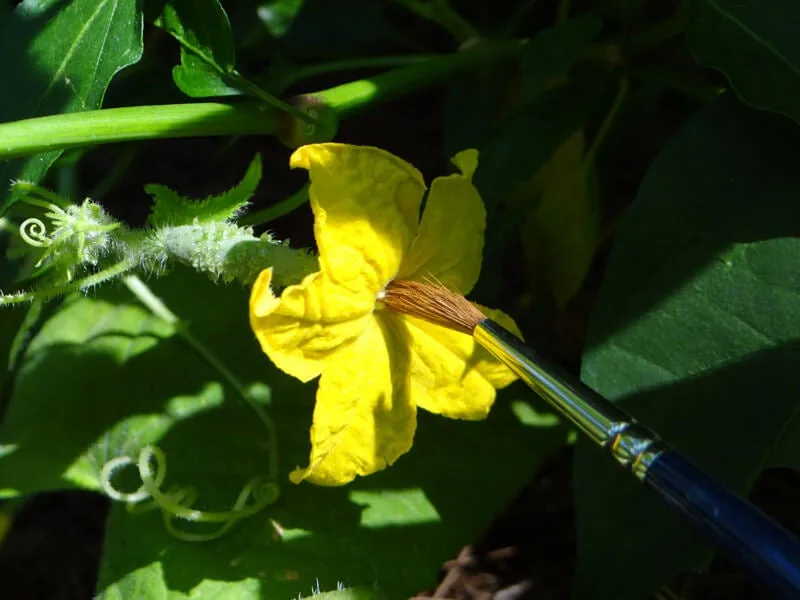
Do it in the morning between 6 and 10 a.m. when flowers are fully open. Wait too long and the female bloom starts to close for the day.
The steps:
- Find a male flower (thin stem, no ovary) that just opened today.
- Pick it off the vine and peel back the yellow petals.
- You'll see a bright yellow anther in the center loaded with pollen.
- Locate an open female flower (with the tiny cucumber-shaped ovary at its base).
- Gently brush or dab the male anther directly onto the female stigma in the center.
- One male can pollinate 2 to 3 females before running out of pollen.
If you'd rather not pick the male, a small artist's brush or cotton swab works too. Swirl it in the male anther first, then transfer to the female stigma.
Do this daily for a week and cucumbers will start forming in 3 to 5 days.
Choosing the Right Cucumber Variety: Monoecious, Gynoecious, or Parthenocarpic
Not every cucumber plant flowers the same way. Picking the right type upfront saves a lot of troubleshooting later.
| Variety Type | How It Flowers | Best For |
|---|---|---|
| Monoecious | Separate male and female flowers on the same plant | Traditional outdoor gardens with bees |
| Gynoecious | Mostly female flowers, needs a pollinator plant | High yields with reliable pollination |
| Parthenocarpic | Female flowers set fruit without pollination | Greenhouses, balconies, low-bee areas |
Monoecious types (like Marketmore 76 and Straight Eight) are what most gardeners grow. They rely on bees and produce the classic male-first bloom pattern.
Gynoecious hybrids (like County Fair or Diva) produce far more females, so you get more cucumbers per vine. Just plant one monoecious variety nearby for pollen supply.
Parthenocarpic types (like Beit Alpha or Socrates) skip pollination entirely and suit greenhouses, patio containers, or anywhere pollinators are scarce. They also produce seedless, non-bitter fruit.
Mistakes to Avoid When Troubleshooting Blossom Drop
Most cucumber panic ends in wasted effort. Here are the mistakes that make blossom drop worse instead of better:
- Piling on more nitrogen when flowers drop. This creates leaves, not fruit.
- Watering shallow every day instead of deep twice a week.
- Spraying insecticide during morning bloom hours and killing your pollinators.
- Pulling healthy plants because early male flowers "aren't producing."
- Leaving row covers on after flowering starts, blocking bees.
- Mixing multiple fertilizers at once and burning roots.
- Ignoring soil pH and wondering why nutrients aren't working.
- Overpruning leaves during a heatwave, exposing fruit to sunscald.
The biggest one is acting too soon. Female flowers on most varieties don't show up until 45 to 55 days after seeding. Give the plant time before you intervene.
Expert Tips to Boost Cucumber Fruit Set
Small tweaks make a big difference in how many cucumbers actually form. These are the highest-return moves:
- Plant a pollinator strip nearby with borage, dill, alyssum, or zinnias to pull bees in.
- Water at the base early morning to keep leaves dry and pollen viable.
- Mulch 2 to 3 inches deep with straw or shredded leaves to stabilize soil moisture.
- Switch to a low-nitrogen, high-potassium feed once flowering starts.
- Train vines up a trellis for airflow, better light, and easier bee access to blooms.
- Pinch off the first 4 to 5 female flowers on young transplants so the plant builds a stronger root system first.
- Keep succession plantings 2 to 3 weeks apart to dodge heatwave losses.
For greenhouse or balcony growers, parthenocarpic varieties bypass the whole pollination problem. That single choice can turn a frustrating season into a productive one.
Frequently Asked Questions
Do cucumber plants need bees to produce fruit?
Most cucumber varieties need bees or another pollinator to move pollen from male to female flowers. Monoecious and gynoecious types both depend on it. Parthenocarpic varieties are the exception, since they form fruit without any pollination.
Hand pollination with a brush also works when bees are scarce.
How long does it take a cucumber to grow after the flower is pollinated?
A pollinated female flower forms a visible baby cucumber within 3 to 5 days. From there, the fruit grows fast, usually reaching harvest size (6 to 8 inches for slicers) in another 8 to 14 days. Warmer weather and consistent watering shorten that timeline.
Why do I only see male cucumber flowers on my plant?
Male flowers always appear first, often 7 to 10 days before any females open. This is completely normal and happens on almost every monoecious variety. Female flowers show up higher on the vine once the plant has built enough size.
Wait it out before doing anything drastic.
Can too much water cause cucumber blossoms to fall off?
Yes. Overwatered cucumbers develop root stress, which triggers flower and fruit drop within days. Look for yellow lower leaves, mushy stems, or soggy soil that never dries between waterings.
Cucumbers want deep watering (about 1 to 2 inches per week) rather than daily light sprinkles.
Should I remove male cucumber flowers?
No. Male flowers are the pollen source, so removing them cuts your fruit set. Let them bloom, drop naturally, and do their job.
The only time to pinch them off is for hand pollination, when you're using the male bloom itself as your pollen delivery tool.
Your Cucumber Blossom Drop Action Plan
Start with the diagnosis, not the fix. Check which flowers are dropping before touching anything.
- Only males dropping? Wait 7 to 14 days for females to arrive.
- Females dropping with no fruit? Hand pollinate every morning for a week.
- Tiny cucumbers shriveling? Check for heat above 90°F, uneven watering, or excess nitrogen.
Keep watering deep and consistent at 1 to 2 inches per week. Feed with a low-nitrogen, high-potassium fertilizer once flowering starts. Skip morning sprays to protect bees, and plant a pollinator strip if your yard is short on them.
Get those basics right and most vines start setting fruit within 10 days.

Similar Posts