Why Is My Tomato Plant Wilting Even Though the Soil Is Wet?
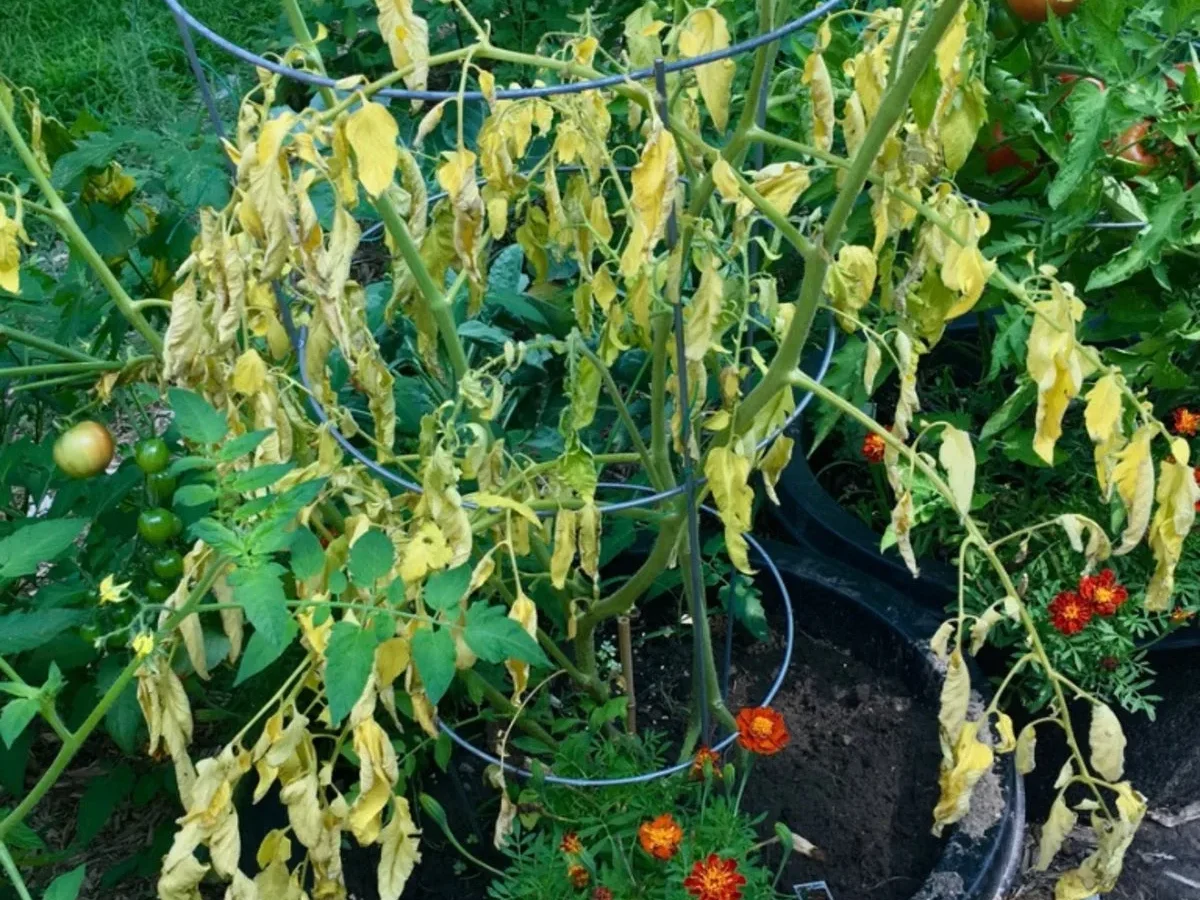
Why is my tomato plant wilting even though the soil is wet? Nine times out of ten, it's not thirst. It's the roots, either drowning in oxygen-starved mud, or being shut down by a soil-borne pathogen that clogs the plant's water plumbing.
Wet-soil wilt looks like underwatering, but the fix is the exact opposite.
As of 2026, university extension diagnostic clinics still name Fusarium wilt, Verticillium wilt, bacterial wilt, and Pythium root rot as the four biggest culprits behind soggy-soil collapse in home tomatoes. Ideal soil moisture for tomatoes sits around 60 to 70 percent of field capacity. Anything wetter for more than a day or two, and roots start to suffocate.
Here's how to figure out which one you're dealing with before your plant is past saving.
Quick Answer
A tomato wilts in wet soil because its roots can't move water. Waterlogged soil pushes out oxygen. Roots suffocate within 24 to 48 hours.
Soil-borne diseases like Fusarium, Verticillium, and bacterial wilt block the stem's water channels. The plant droops with a full moisture reading. Diagnose the roots and stem before you act.
The Fast Diagnosis: What Wet-Soil Wilt Actually Means
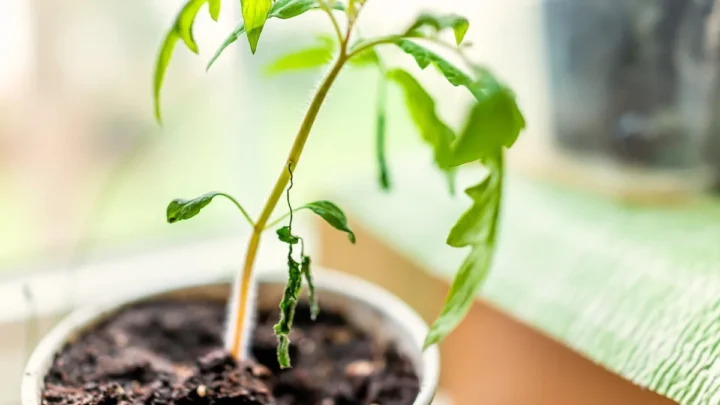
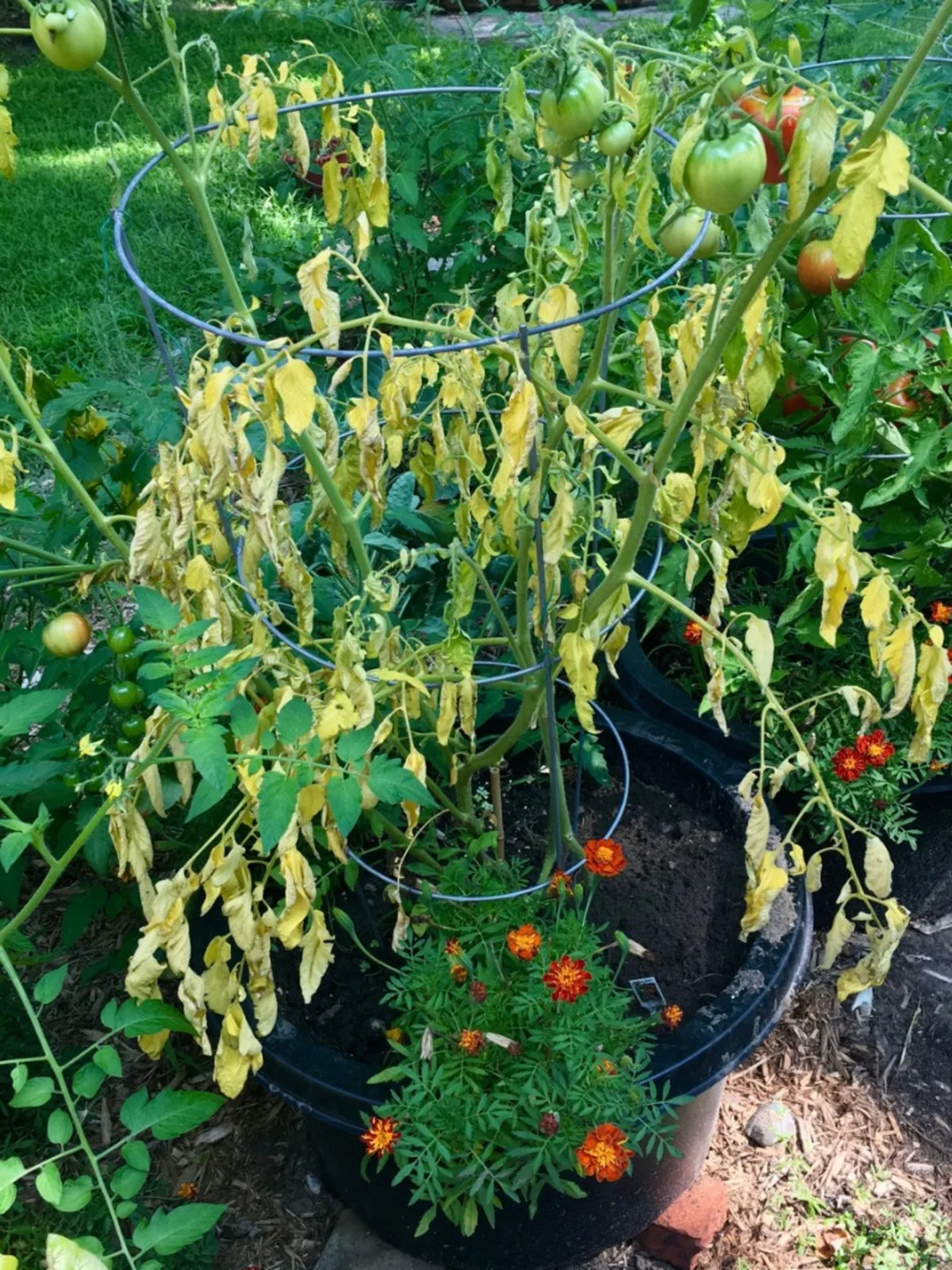
Wilting is a water problem, but not always a watering problem. A tomato leaf holds its shape thanks to turgor pressure, which depends on water flowing up from the roots. When that flow stops, leaves droop within hours, even in soaked soil.
Wet-soil wilt happens for two very different reasons. Either the roots themselves are damaged and can't absorb water. Or the vascular system inside the stem is blocked and can't move it.
Both look identical from three feet away. Both need different fixes.
Root damage comes from suffocation, rot, or physical injury. Vascular blockage comes from fungi or bacteria growing inside the stem tissue. The next few sections walk you through the checks that separate the two.
Check These 5 Conditions Before You Do Anything Else
Before you reach for the watering can or the fungicide, get the evidence in front of you. Every branch below depends on what you see, smell, and feel right now.
- Smell the soil at the base of the plant. A sour, rotten-egg note means anaerobic conditions.
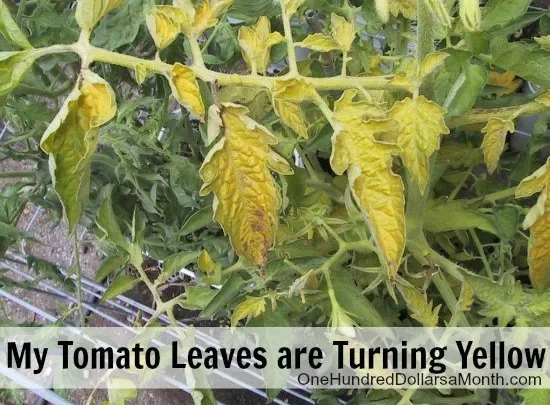
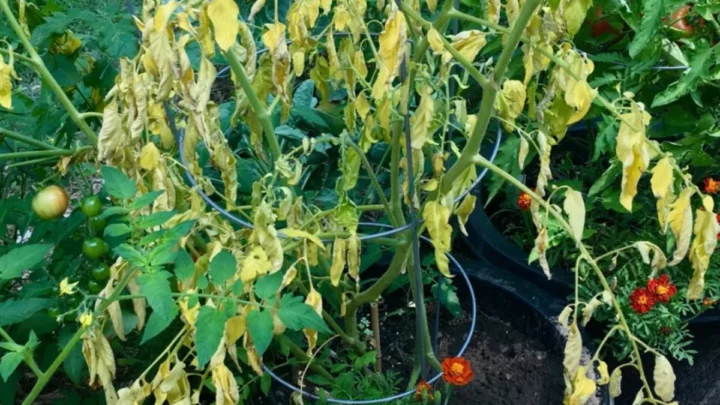
- Look at the wilt pattern. One-sided yellowing, or bottom leaves first, points to a vascular disease.
- Check the time-of-day pattern. Sudden midday wilt that recovers at night is a bacterial wilt signal.
- Push a finger 2 inches into the soil. Cool, sopping-wet soil after 48 hours means drainage failure.
- Gently dig one side of the root ball. White, firm roots are healthy. Brown or mushy roots are dead.
Write down what you find. Then match the pattern to the branch that fits.
Branch 1: Sour-Smelling Soil and Mushy Roots (Root Rot)
If the soil smells sour and the roots slide out of their skin between your fingers, you're dealing with root rot. The most common culprits are Pythium and Phytophthora. Both are water-loving oomycetes that thrive in saturated soil below 60°F.
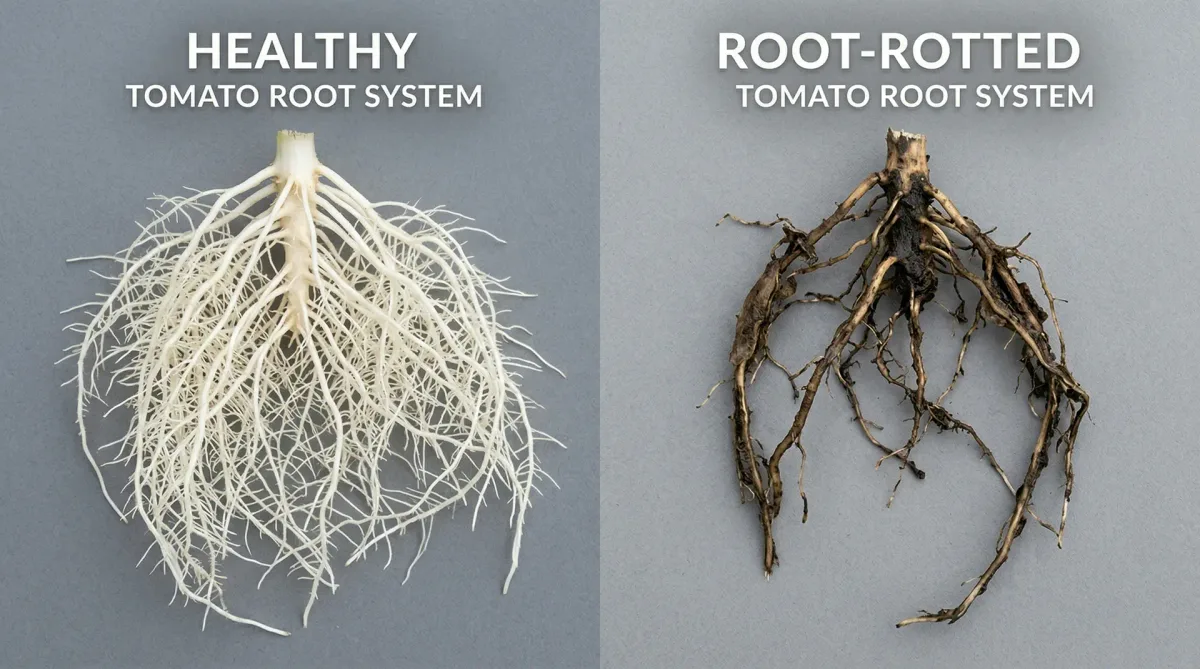
Waterlogged soil has almost no oxygen, so root cells die. Dead tissue then gets colonised by pathogens that finish the job. Once more than half the root system is gone, the plant can't move enough water to keep its leaves turgid.
Recovery is possible only if you catch it early. Stop watering completely. Pull back mulch so the soil can breathe.
In containers, tilt the pot, pour off standing water, and check the drainage holes for clogs. Plants with mushy stems at the soil line are past saving.
Branch 2: One-Sided Yellowing With Brown Streaks (Fusarium or Verticillium Wilt)
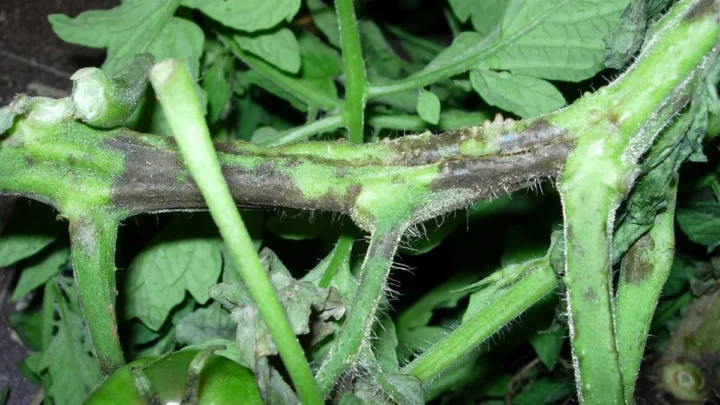
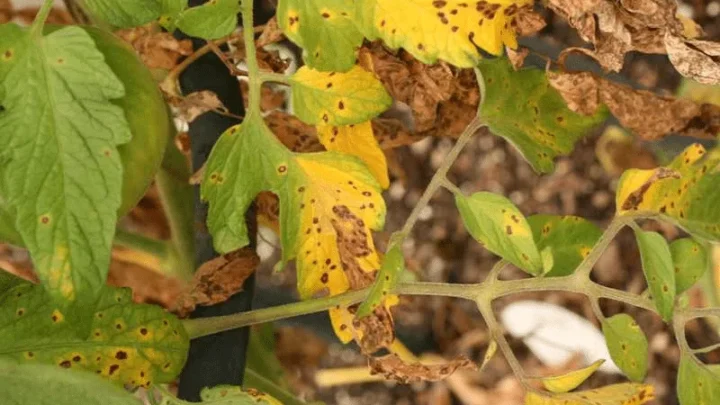
If leaves are yellowing on one side of the plant, or from the bottom up, cut the main stem near the base. A brown streak running up through the white pith is the signature of Fusarium wilt or Verticillium wilt.
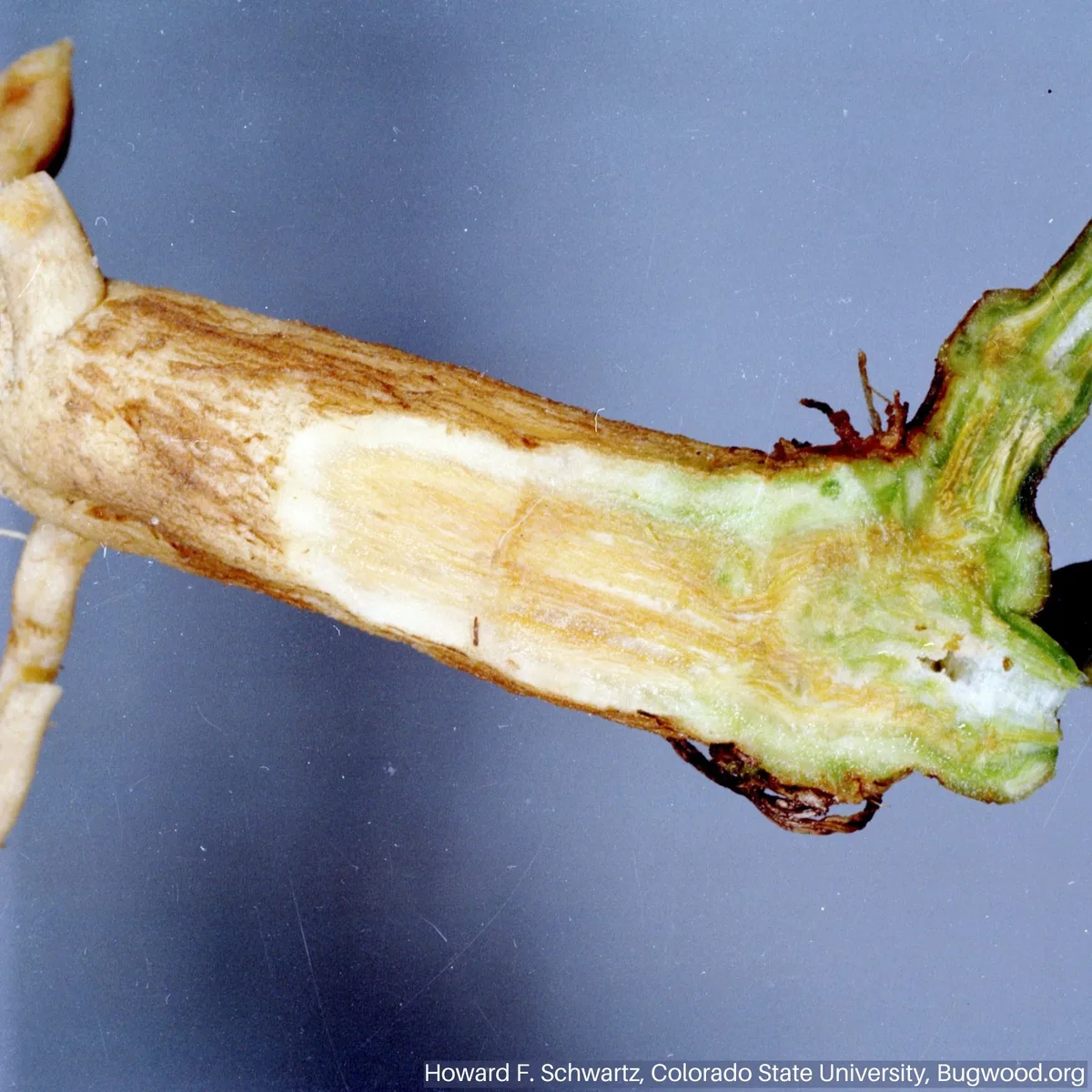
These are soil-borne fungi that grow inside the xylem, the tissue that carries water up the stem. They physically plug the pipes. Fusarium prefers warm soil around 80°F.
Verticillium prefers cooler soil in the low 60s.
The USDA's Agricultural Research Service documents both pathogens as major limiting factors for tomato production worldwide. Neither can be cured in-season. Pull the plant, bag it (never compost), and switch to resistant varieties labelled VFN next year.
Branch 3: Sudden Midday Collapse With Green Leaves (Bacterial Wilt)
Bacterial wilt is the fastest wilt on this list. A healthy-looking tomato droops completely between noon and 3 p.m., then perks up again at dusk. Within 3 to 5 days it collapses for good, often with green leaves still attached.
The cause is Ralstonia solanacearum, a bacterium that lives in warm, moist soil between 75°F and 95°F. It's most common in the humid Southeast and along the Gulf Coast. Once it's in the stem, it multiplies fast enough to clog the vascular tissue with slime.
Green leaves on a fully collapsed plant is the giveaway. Fungal wilts turn leaves yellow or brown before the plant dies. Bacterial wilt kills so fast the leaves don't get the chance to change colour.
Branch 4: Newly Transplanted and Drooping (Transplant Shock, Not Disease)
If your tomato was in the ground less than two weeks and it's drooping in wet soil, this is almost always transplant shock. Not disease.
Young roots need time to expand into surrounding soil. Until they do, the plant can't pull up water fast enough to match what the leaves lose in the sun. Overwatering a shocked transplant just suffocates the tiny root ball further.
Look for these signs to confirm shock over pathogen:
- Recent planting date within 14 days
- No stem discoloration or brown streaking
- Roots still white when you nudge the soil aside
- Wilt is worst on hot afternoons, better by morning
The fix is patience, not more water. Shade the plant for two to three days with a cardboard tent or shade cloth. Water only when the top inch of soil is dry.
Most transplants bounce back inside a week once new feeder roots grow out.
Branch 5: Heavy Clay or Compacted Soil (Root Suffocation)
Clay-heavy or foot-traffic-compacted soil can strangle roots even without any pathogen. Water sits on top instead of draining through. Oxygen never reaches the root zone.
You'll see this most often in Midwestern gardens, older UK plots with heavy loam, and any bed that had wheelbarrows or feet on it during a wet spring. The tell is standing water 30 minutes after a normal watering. Or a soil surface that cracks like pottery when it dries.
Fix it with airflow, not chemicals:
- Loosen the soil 6 inches out from the stem with a garden fork, gently
- Top-dress with 1 to 2 inches of compost to open the structure
- Add a 2-inch mulch layer to keep future compaction down
- Long-term, work in coarse organic matter each fall
Raised beds solve this problem permanently in most heavy-clay yards.
The Water Glass Ooze Test: How to Confirm Bacterial Wilt in 5 Minutes
The ooze test is the fastest way to confirm bacterial wilt at home. Total time is under five minutes and you need nothing but a clear glass, water, and a knife.
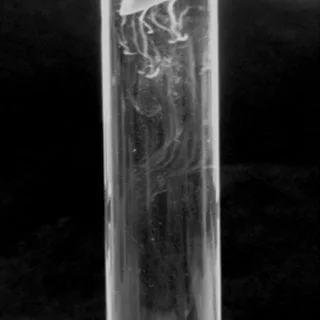
Here's the procedure:
- Fill a clear glass with room-temperature water.
- Cut a 4-inch section from the lower main stem of the wilting plant.
- Suspend the cut end so it hangs just below the water surface.
- Watch the cut end against a dark background for 3 to 5 minutes.
A positive result looks like milky-white threads streaming down from the cut end, almost like smoke. That's bacterial slime pouring out of the vascular tissue. Fusarium and Verticillium do not produce ooze, so this test rules them in or out cleanly.
A positive ooze test means the plant is done. Bag it and remove it before neighbours in the bed catch it.
Which Wilts You Can Save and Which Mean Pulling the Plant
Not every wet-soil wilt is a death sentence, but some are. Knowing which to fight and which to pull saves you weeks of wasted care and stops disease from spreading.
| Cause | Salvageable? | Action |
|---|---|---|
| Transplant shock | Yes | Shade, reduce watering, wait 5 to 7 days |
| Soil compaction | Yes | Fork the soil, add compost, mulch |
| Early root rot (some white roots left) | Sometimes | Stop watering, improve drainage |
| Advanced root rot (mushy stem base) | No | Remove plant, do not compost |
| Fusarium or Verticillium wilt | No | Pull, bag, plant VFN varieties next year |
| Bacterial wilt (positive ooze test) | No | Pull immediately, sanitise tools, rotate 3 years |
The rule of thumb: if the vascular system is compromised or the crown is soft, pull it. Save your effort for the plants that still have viable tissue.
Recovery Steps for Salvageable Plants
For plants still in the salvageable column, the first 48 hours matter most. The goal is to restore oxygen to the root zone.
Follow these steps in order:
- Withhold all water until the top 2 inches of soil dry out.
- Remove any mulch touching the stem so the soil surface can breathe.
- Prune off wilted, yellow, or dying leaves with sanitised pruners.
- Loosen compacted soil gently around the root zone, staying 4 inches from the main stem.
- Provide light afternoon shade for two to three days to reduce water demand.
- Once new growth appears, resume watering deeply but less often, about 1 to 2 inches per week.
Skip the fertiliser during recovery. Feeding a stressed root system pushes salts into damaged tissue and slows regrowth. Wait until you see fresh green shoots before feeding again.
Mistakes That Turn a Recoverable Plant Into a Dead One
The single biggest mistake is watering a wilting plant on reflex. If the soil is already wet, more water finishes off whatever roots are still functioning.
Other common misfires include:
- Fertilising a stressed plant to "help it bounce back"
- Piling extra mulch against the stem, which traps moisture at the crown
- Composting infected plant material and spreading the pathogen next season
- Cutting into a diseased stem with unsterilised pruners, then reusing the blade on healthy plants
- Replanting a tomato in the same spot after pulling a diseased one
Sanitise pruners with 70% isopropyl alcohol or a 10% bleach solution between plants. Household cleaner sprays don't reliably kill Fusarium spores or Ralstonia bacteria.
How to Stop the Same Wilt From Hitting Next Year's Crop
Prevention starts before the next seed goes in the ground. Soil-borne pathogens can survive 3 to 4 years in the bed, which is why crop rotation matters.
Rotate tomatoes with non-Solanaceae crops. That means no peppers, eggplants, or potatoes in the same bed for at least three full seasons. Good rotation partners include beans, corn, brassicas, and cucurbits.
Other proven prevention steps:
- Buy resistant varieties labelled V, F, N, T (Verticillium, Fusarium, nematodes, tobacco mosaic)
- Solarise heavily infected beds with clear plastic for 6 to 8 weeks in peak summer
- Add compost each spring to boost soil biology and drainage
- Water at the base with drip or soaker hoses, not overhead sprinklers
- Space plants at least 24 to 36 inches apart for airflow
Container and Raised Bed Wilt: What's Different
Container tomatoes wilt differently from in-ground ones. Potting mix drains faster than garden soil, so root rot from soggy media usually points to blocked drainage holes or a saucer holding standing water.
Check these container-specific culprits first:
- Drainage holes clogged with roots or debris
- Saucer collecting water beneath the pot
- Pot too small for the plant, leading to root-bound suffocation
- Salt buildup from repeated fertilising, visible as white crust on the soil surface
Raised beds sit somewhere between containers and open ground. They drain better than clay soil, but concentrated planting means diseases spread fast. If one plant shows Fusarium or bacterial wilt in a raised bed, isolate it immediately.
Remove at least 12 inches of surrounding soil with the plant.
When to Call Your Local Extension Office
Call your county extension office when the ooze test is inconclusive, or when you're losing multiple plants in a bed. Most US states offer free or low-cost plant disease diagnostics through their land-grant universities.
Send a sample when:
- You suspect bacterial wilt but the ooze test result is unclear
- Two or more plants collapse within a week
- The same wilt returns year after year in the same bed
- You're planning a large replant and want soil pathogen testing first
Extension clinics can identify the Ralstonia race and biovar. That matters because Race 3 Biovar 2 is a USDA-regulated pathogen with mandatory reporting rules.
Wet-Soil Wilt Decision Guide at a Glance
Use this quick chart when you don't have time to read the full guide again.
| What You See | Likely Cause | Next Step |
|---|---|---|
| Sour smell, mushy brown roots | Pythium or Phytophthora root rot | Stop watering, improve drainage |
| Bottom-up or one-sided yellowing, brown vascular streak | Fusarium or Verticillium wilt | Pull, bag, plant VFN varieties next year |
| Midday wilt, recovers at night, milky ooze in water test | Bacterial wilt (Ralstonia) | Pull immediately, rotate crops 3+ years |
| Drooping within 14 days of transplanting, healthy roots | Transplant shock | Shade, patience, minimal water |
| Standing water on soil surface, cracked clay | Compaction, poor drainage | Fork soil, add compost, mulch |
| White crust on potting mix, container plant | Salt buildup | Flush with 3 pot volumes of plain water |
Most wet-soil wilt problems match one of these rows within the first two minutes of inspection.
Frequently Asked Questions
Should I water a wilting tomato plant if the soil feels wet?
No. Adding water to already-wet soil suffocates the remaining healthy roots and speeds up rot. Check soil moisture 2 inches down with your finger before watering anything that looks wilted.
If it's damp or cool, hold off and diagnose the cause first.
How long does it take a tomato plant to recover from overwatering?
A mildly overwatered tomato with intact roots usually perks back up in 3 to 7 days once the soil dries. Severe cases with visible root damage may take 2 to 3 weeks, and some never fully recover. Recovery slows below 60°F soil temperature since roots grow more slowly in cool conditions.
Can I save a tomato with Fusarium or Verticillium wilt?
No. Both fungi grow inside the vascular tissue and cannot be reached by any fungicide once symptoms show. Pull the plant, bag it in the trash (never compost), sanitise your tools, and plant a resistant variety in a different bed next season.
Does bacterial wilt kill tomatoes overnight?
Bacterial wilt rarely kills in a single night, but it can collapse a healthy-looking plant within 3 to 5 days. The classic pattern is midday wilting followed by evening recovery, repeating for a few days before permanent collapse. A positive water glass ooze test confirms it in under 5 minutes.
How often should tomatoes be watered to prevent wet-soil wilt?
Most in-ground tomatoes need 1 to 2 inches of water per week, delivered in one or two deep sessions. Container plants may need daily watering in hot weather, but only when the top inch of mix is dry. Deep, infrequent watering builds stronger roots than frequent shallow watering.
Is it safe to plant tomatoes where a diseased plant was pulled?
Not for at least 3 years if the plant had Fusarium, Verticillium, or bacterial wilt. These pathogens persist in soil and infect any Solanaceae planted in the same spot. Rotate to beans, brassicas, or corn while the soil clears, and confirm with a soil pathogen test before replanting.

Similar Posts