Garden Hose Reels: How to Choose the Right One
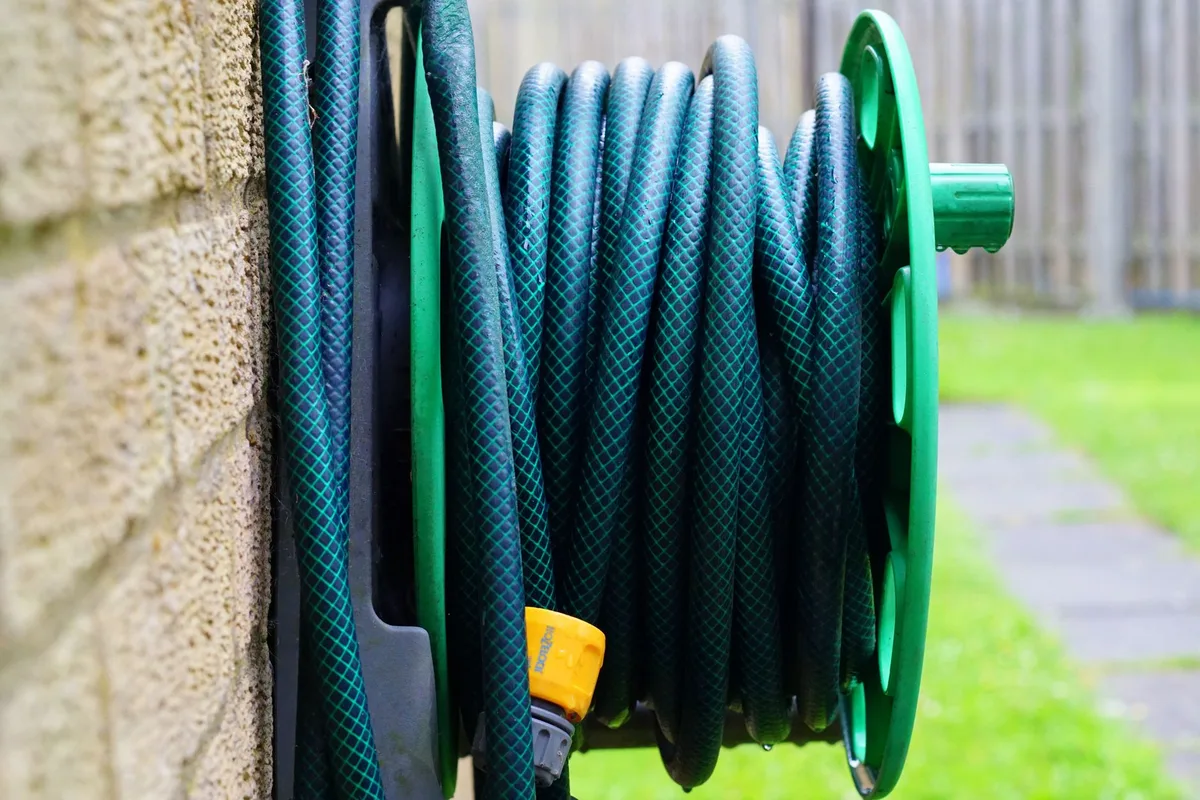
Tangled hoses coiled in a soggy heap. Kinks that cut your water flow to a trickle. If that sounds familiar, a garden hose reel is the fix, because it stores your hose neatly and feeds it out without the wrestling match.
The trouble is that reels aren't all built the same. Pick the wrong style and you'll fight the same mess, just with a bracket bolted to your wall.
The good news is the choice is simple once you match the reel to your hose and your yard. Most residential reels are rated to handle water pressure around 150 to 160 PSI, and capacity is measured in feet of hose the drum can hold. Get those two numbers right and half the battle is won.
Here's how the main types stack up.
Quick Answer
A garden hose reel is a device that stores, winds, and dispenses a garden hose. It prevents kinks, tangles, and sun damage. Common types include wall-mounted, retractable auto-rewind, and wheeled cart reels.
Capacity is rated in hose feet, usually 50 to 175 feet. Choose based on hose length, mounting surface, and how often you coil.
Why Choosing the Right Garden Hose Reel Actually Matters
The reel you pick decides whether watering feels easy or annoying. A good match keeps your hose off the ground, out of the sun, and free of kinks. A bad match leaves you yanking, re-coiling, and replacing hoses far too often.
Sun and freezing are the two silent killers of garden hoses. UV rays make cheap rubber and vinyl brittle over a season or two. Trapped water that freezes can split a hose from the inside.
A reel that stores your hose properly, especially an enclosed one, buys you years of extra life.
There's a safety angle too. A hose sprawled across a path is a genuine trip hazard, the same way a cluttered walkway is. Plenty of folks who invest in tidy garden boundaries care just as much about a clean yard.
A reel is a small piece of that same puzzle.
Cost matters as well. Aggregate reviews show that buyers who match capacity and material to their needs rarely rebuy within a few years. Those who grab the cheapest plastic model often replace it within one or two seasons.
What a Garden Hose Reel Does (And the Main Types You'll See)
A garden hose reel winds your hose onto a central drum so it stores flat and feeds out cleanly. Water enters through a short leader hose from the spigot, passes through a swivel connector, then out to your main hose. That swivel is what lets the drum spin while water keeps flowing.
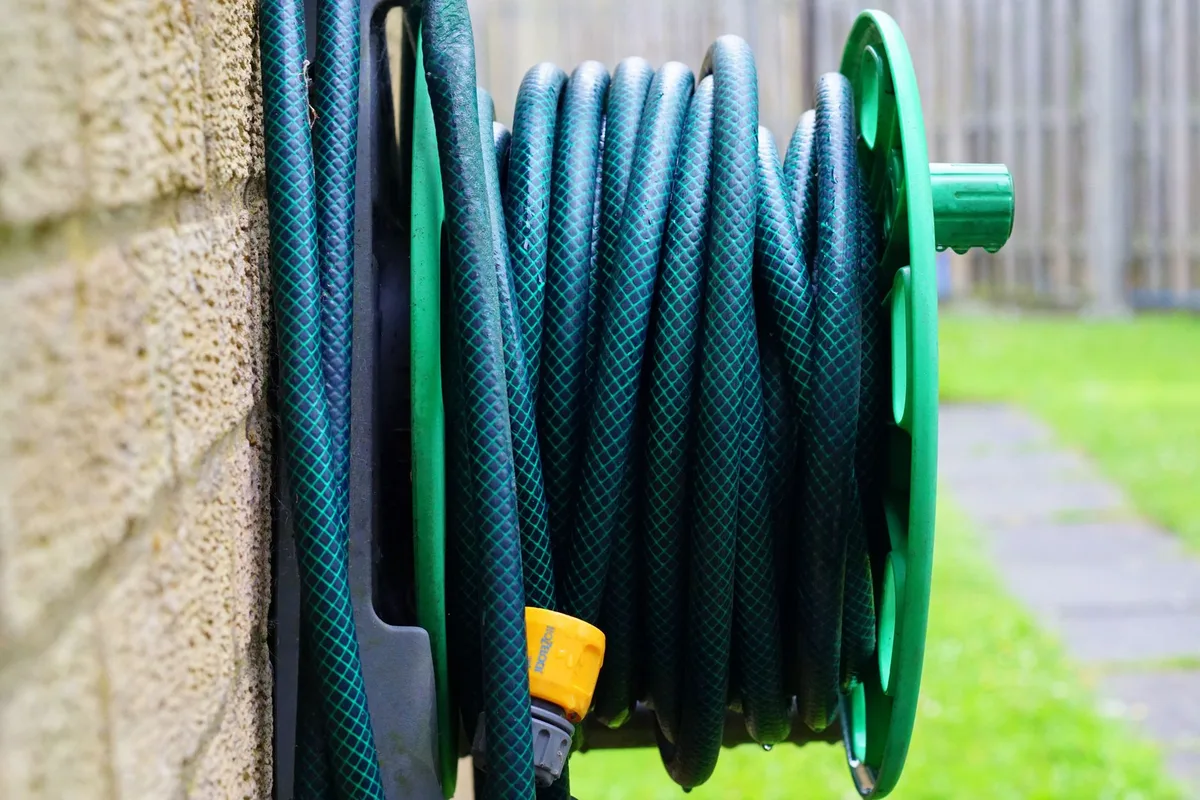
There are four main styles you'll run into. Each suits a different setup, so it helps to know what makes them tick before you buy.
Wall-Mounted Reels
These bolt to a wall or fence post near your spigot. You crank a handle to wind the hose, and many pivot on a swivel base so you can aim the hose in any direction. They're stable, sturdy, and great for a fixed watering zone.
The catch is you need a solid surface to mount into, like studs or masonry.
Retractable Auto-Rewind Reels
Retractable reels use a constant-tension spring to pull the hose back in on its own. You give the hose a light tug to release the lock, and it winds itself up. They're the most convenient option and easy on your back.
The trade-off is the spring, which can weaken over years and is the part most likely to fail.
Hose Reel Carts
A cart puts the reel on two or four wheels so you can roll it anywhere. This is the pick for large properties with more than one spigot. You wheel it out, connect, water, then park it.
Flat-free wheels beat pneumatic ones for low upkeep.
Hose Pots and Enclosed Cabinet Reels
Hose pots are decorative containers you coil the hose into by hand, with a hole for the leader. Enclosed cabinet reels hide the whole drum inside a weatherproof box. Both look tidy on a patio and shield the hose from sun.
Cabinets add real freeze and UV protection, which matters in harsh climates.
How to Match Reel Capacity to Your Hose Length and Diameter
Match the reel's rated capacity to your hose length plus the leader hose, not just the hose alone. This is the single most common sizing mistake. A reel labeled "50 ft capacity" often struggles to hold a full 50 foot hose once you add the short leader that connects to the spigot.
Hose diameter changes the math too. A thicker hose takes up more room on the drum than a thin one of the same length. Standard US garden hoses come in three inner diameters.
- 1/2 inch: lightweight, lower flow, best for small gardens and pots
- 5/8 inch: the most common size, a good balance of flow and weight
- 3/4 inch: high flow for long runs, but heavy and bulky on a reel
Here's the simple rule. If you run a 5/8 inch hose, buy a reel rated at least 25 feet above your hose length. So for a 50 foot hose, look for a 75 to 100 foot rated reel.
That headroom leaves space for the leader and stops the hose from cramming against the guide arm.
Water pressure is worth a glance as well. Most home reels top out near 150 PSI, which covers typical municipal supply. If you're on a booster pump or high-pressure line, check the spec sheet before you buy.
The U.S. Environmental Protection Agency's outdoor water use guidance is a solid, unbiased place to sanity-check your watering setup and flow needs.
Metal vs. Plastic: What the Build Material Really Changes
Material decides how long your reel survives sun, weather, and daily use. The two camps are metal, usually powder-coated steel or aluminum, and plastic, typically resin or HDPE. Each has a clear best fit.
Metal reels are the durability champions. Powder-coated steel shrugs off knocks and holds up under a heavy hose. Aluminum resists rust and stays lighter than steel.
Stainless steel sits at the top for corrosion resistance, and it usually carries the longest warranties, sometimes lifetime coverage.
Plastic reels win on price and weight. Resin won't rust, and it's easy to move around. The weakness is UV exposure.
Cheap plastic can grow brittle and crack after a couple of hot summers, especially in direct sun all day.
Here's the honest breakdown:
- Choose metal if: you have a long, heavy hose, harsh weather, or you want a buy-once reel
- Choose plastic if: you're on a budget, need something light, or store it out of the sun
- Watch out for: thin resin housings on very cheap models, and mixed builds where a metal frame hides plastic gears
As of 2026, mid-range powder-coated steel reels remain the sweet spot for most homeowners. They cost more than basic plastic but last far longer, which usually works out cheaper per year.
Side-by-Side Comparison of Hose Reel Types
Sometimes you just want the whole picture in one glance. This table lines up the four main reel types across the factors that actually drive your decision.
| Reel Type | Best For | Convenience | Durability | Typical Price |
|---|---|---|---|---|
| Wall-mounted (hand-crank) | Fixed watering zone, solid wall | Medium | High | $40 to $120 |
| Retractable auto-rewind | Easy daily use, less bending | Highest | Medium | $150 to $300+ |
| Hose reel cart | Large yards, multiple spigots | Medium | High | $70 to $150 |
| Hose pot / cabinet reel | Patios, looks, sun protection | Low to Medium | Medium to High | $50 to $200 |
A few takeaways from that spread. Retractable reels give the most comfort but cost the most, and the spring is the weak point over time. Carts are the flexible all-rounder if you water in more than one spot.
Wall-mounted crank reels are the reliable, affordable default when you have a good surface to mount them on.
If curb appeal ranks high for you, a cabinet reel or hose pot blends in the way thoughtful border styling pulls a garden together. And if you're planning a whole outdoor space, it's worth browsing more of our garden setup guides before you spend.
Best Hose Reel for Each Yard and Situation
The right reel depends on your yard size, your walls, and your weather. Here's how to match the type to your exact setup.
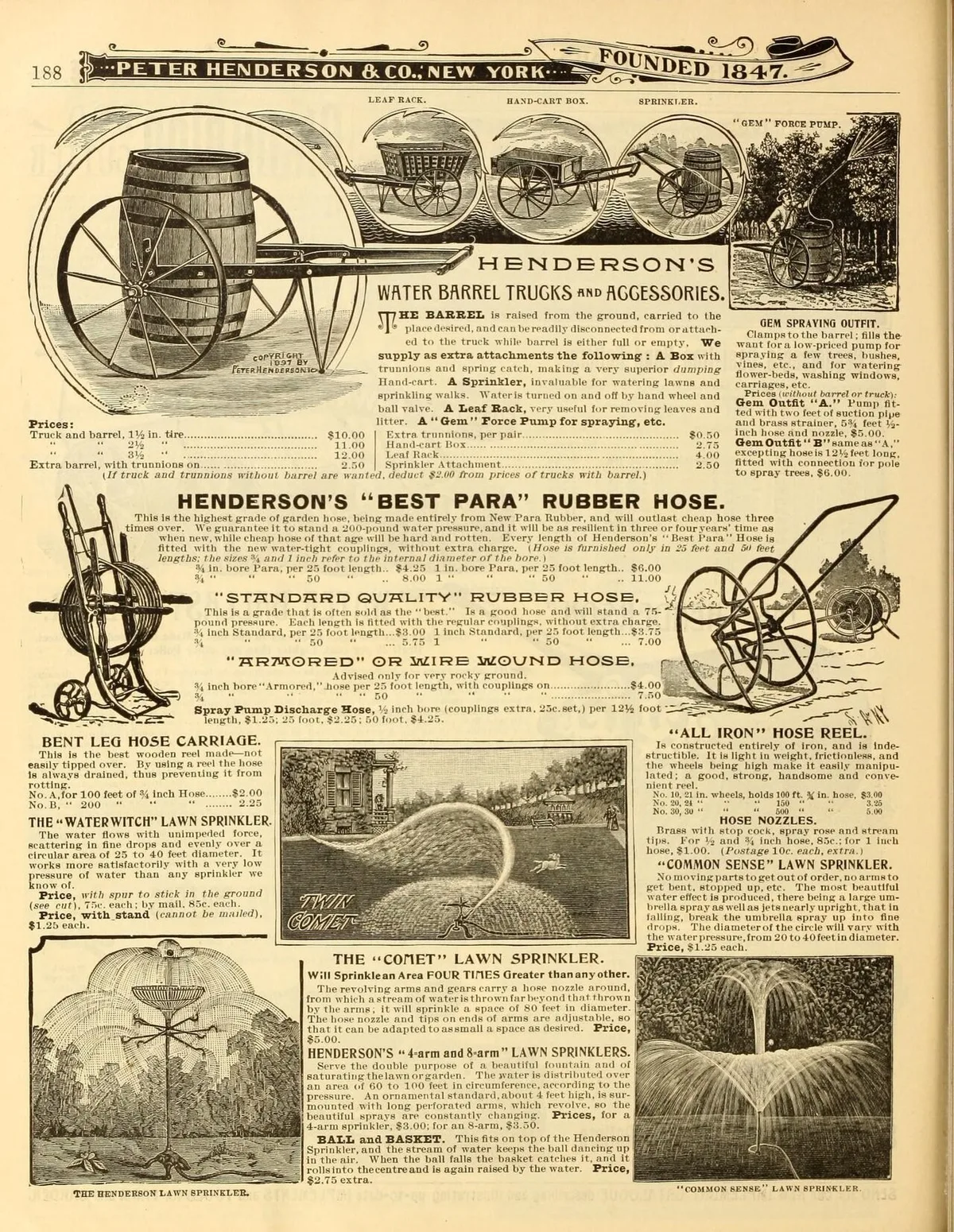
Small Yards and Patios
For a compact space, a wall-mounted crank reel or a hose pot works best. You water one zone, so you don't need wheels. A pot or cabinet reel also keeps things looking neat, which suits tidy patios and courtyards.
Large Properties and Long Hoses
Big yards call for a cart or a high-capacity wall reel. If you water from more than one spigot, the cart's mobility saves you dragging 100 feet of hose across the lawn. Look for a reel rated 125 feet or more so a long 5/8 inch hose fits with room to spare.
Renters and No-Drill Setups
Renters should skip anything that bolts to a wall. A freestanding cart or a ground-stake reel needs no drilling and moves out when you do. Hose pots are another zero-commitment option that leaves no marks behind.
Cold or High-UV Climates
Harsh climates reward enclosed cabinet reels. The housing shields the hose from UV in hot, sunny regions and from freeze damage in winter. If you live where pipes freeze, plan to drain and store the reel indoors each season.
The same care that keeps a privacy screen or garden divider looking sharp applies here: weather is the enemy, and shelter is the fix.
Pros and Cons You Should Weigh Before Buying
Every reel type trades something for something else. Knowing the give-and-take stops buyer's remorse.
Wall-mounted crank reels are sturdy and affordable, but they need a solid mounting surface. Retractable reels are the easiest to use, yet the spring adds cost and a future failure point. Carts roll anywhere but can tip on uneven ground.
Hose pots look great but make you coil by hand.
Here's the quick rundown across all types:
- Pros: neat storage, longer hose life, fewer kinks, less trip risk
- Cons: upfront cost, install effort, moving parts that can wear
- Retractable-only risk: fast rewind can whip the hose end, so guide it in
- Cart-only risk: tipping, so park it on level ground
Aggregate user reviews report that retraction speed and spring longevity drive the most complaints on auto-rewind models. For crank and cart reels, the top gripe is uneven winding when the guide arm is cheap or missing.
What a Garden Hose Reel Costs at Each Tier
Prices run from about $25 to over $300, and the tier you pick shapes durability and convenience. Here's what each band buys you as of 2026.
| Price Tier | Range | What You Get |
|---|---|---|
| Budget | $25 to $60 | Basic plastic, hand-crank, short warranty |
| Mid-range | $70 to $150 | Powder-coated steel or quality cart, better guide arm |
| Premium | $150 to $300+ | Auto-rewind or stainless steel, long or lifetime warranty |
Budget models suit light, occasional watering in a shaded spot. Mid-range steel reels are the value pick for most homeowners, balancing cost and lifespan. Premium reels earn their price if you water daily or want zero manual coiling.
Warranty length is a useful quality signal. Cheap plastic reels often carry a one-year warranty. Premium metal models frequently offer 10 years or lifetime coverage, which tells you the maker expects them to last.
How to Install and Set Up a Wall-Mounted Reel
Mount the reel into solid structure, connect the leader hose, then test for leaks. A secure install is what keeps the whole thing from ripping off the wall under a full hose load.
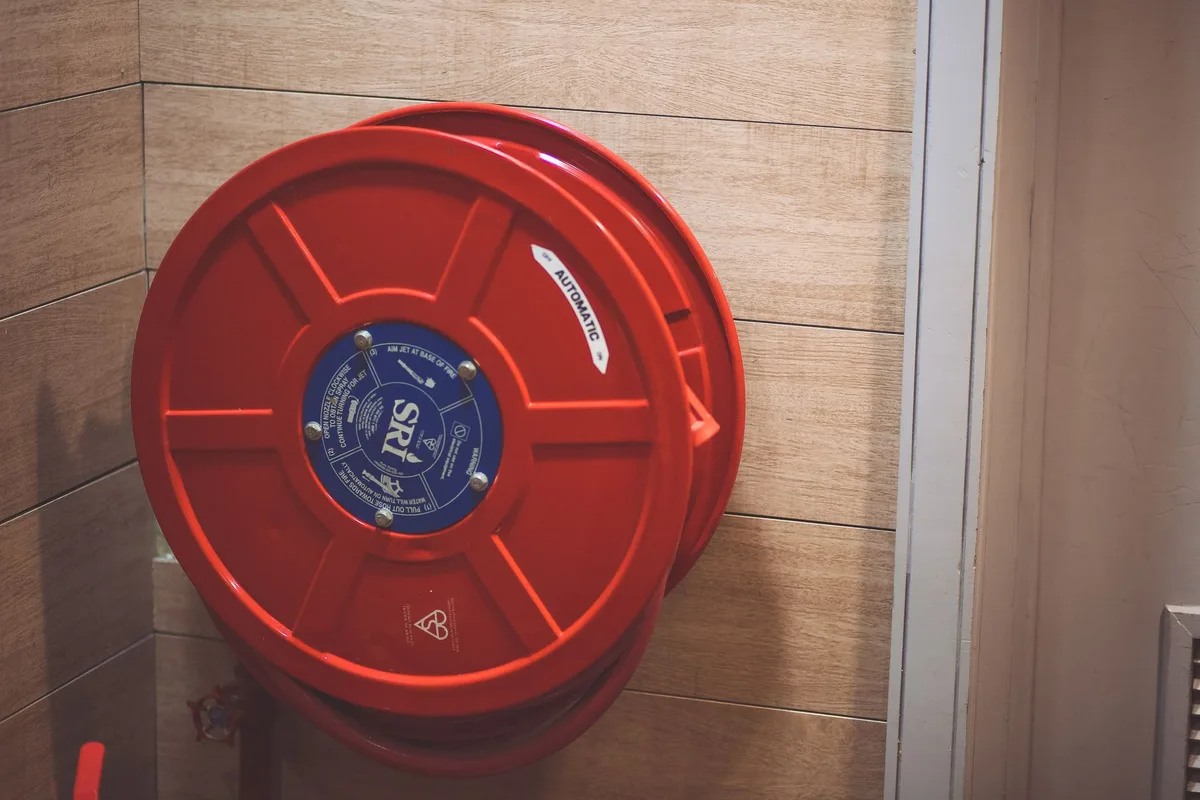
Follow these steps:
- Find studs or masonry near your spigot. Never anchor into hollow siding alone.
- Mark the bracket holes level, then drill pilot holes.
- Fix the bracket with lag bolts into wood, or masonry anchors into brick.
- Attach the reel to the bracket and check it holds firm.
- Connect the short leader hose from the spigot to the reel inlet.
- Screw on your main hose at the swivel outlet.
- Turn on the water and watch every joint for drips.
If a joint weeps, hand-tighten it and add a fresh rubber washer. Most leaks trace back to a missing or flattened washer, not a cracked fitting. For a fence-post mount, treat it like hanging anything heavy on a boundary.
The same load logic behind sturdy metal grid panels applies: anchor into the frame, not the thin skin.
Common Hose Reel Mistakes That Lead to Kinks, Leaks, and Failures
Most reel headaches come from a handful of avoidable errors. Dodge these and your setup runs smoothly for years.
- Buying too-small capacity: always add 25 feet of headroom over your hose length.
- Skipping the leader hose in your math: it eats drum space you forgot to count.
- Mounting into siding only: use studs or masonry anchors, or the reel pulls loose.
- Leaving the reel in full sun: UV cracks cheap plastic and ages the hose fast.
- Forgetting to winterize: trapped water freezes and splits hose and fittings.
- Winding a pressurized hose: turn off the water first to avoid strain on the swivel.
One more that trips people up: yanking a retractable hose too hard on release. Give it a gentle tug to unlock, then let the spring do the work. Rough handling wears the constant-tension mechanism early, and that spring is the priciest part to replace.
Keeping Your Reel Working: Maintenance and Winterizing
A little upkeep keeps your reel smooth for years. Wipe grit off the drum and guide arm so the hose winds evenly. Add a drop of silicone lubricant to the swivel once a season to stop leaks and stiffness.
Winterizing is the big one in cold regions. Drain all water from the hose and leader, then disconnect from the spigot. Store portable reels and hose pots indoors so trapped water can't freeze and crack the fittings.
Check washers each spring. A flattened rubber washer is the usual cause of a fresh drip after storage. Swap it before you turn the water back on.
Water Safety and Mounting Precautions Worth Knowing
If you drink from your hose or fill pet bowls, choose a drinking-water-safe hose. Look for hoses meeting NSF/ANSI 61 and the low-lead NSF/ANSI 372 standards. Standard vinyl garden hoses aren't rated for safe drinking.
Fit a backflow preventer or vacuum breaker on the spigot. It stops contaminated water from siphoning back into your home supply. Many local codes now require one on outdoor taps.
Anchor wall reels properly, as covered earlier, so a loaded reel can't tear free. A falling metal reel is heavy enough to hurt someone.
Expert Tips for Getting the Most From Your Reel
- Buy the hose and reel together so capacity and diameter match on day one.
- Store the reel in shade or an enclosure to double your hose's lifespan.
- Pick flat-free wheels on carts to skip flat tires forever.
- Keep the leader hose short, around 4 to 6 feet, to save drum space.
- Guide a retractable hose in by hand to protect the spring.
These small habits separate a reel that lasts one season from one that lasts a decade.
Frequently Asked Questions
How long does a garden hose reel last?
A quality metal reel lasts 10 years or more with basic care. Cheap plastic models often fail within one to three seasons, usually from UV cracking or a worn spring. Storing the reel out of direct sun and winterizing it each year adds real years to its life.
Can I leave a hose reel outside in winter?
You can leave a sturdy metal wall reel outside, but only after draining it fully. Trapped water freezes, expands, and splits hoses and fittings. Portable reels and hose pots are best stored indoors through freezing months to avoid cracks.
Do retractable hose reels kink easily?
Good retractable reels resist kinks thanks to a layer-winding guide that spools the hose evenly. Kinks usually come from a hose that's too stiff or a reel wound under pressure. Turn off the water before rewinding to keep the hose relaxed.
What size hose reel do I need for a 100 foot hose?
For a 100 foot 5/8 inch hose, choose a reel rated at least 125 feet. That extra headroom fits the leader hose and stops the hose cramming against the guide arm. Skimping on capacity is the top cause of tangles and uneven winding.
Final Verdict: Which Hose Reel Is Right for You
Match the reel to your yard first, then your budget. A mid-range powder-coated steel wall reel is the smart default for most homeowners with a solid mounting surface. It's tough, affordable, and low-fuss.
Go with a cart for large or multi-spigot properties, and a retractable if easy daily use tops your list. Renters should stick with freestanding carts or hose pots that leave no marks. Nail the capacity, shelter it from the sun, and drain it before winter.
Do that, and your hose stays kink-free and your watering stays simple.

Similar Posts