Can I Use a Garden Hose for My Washing Machine?
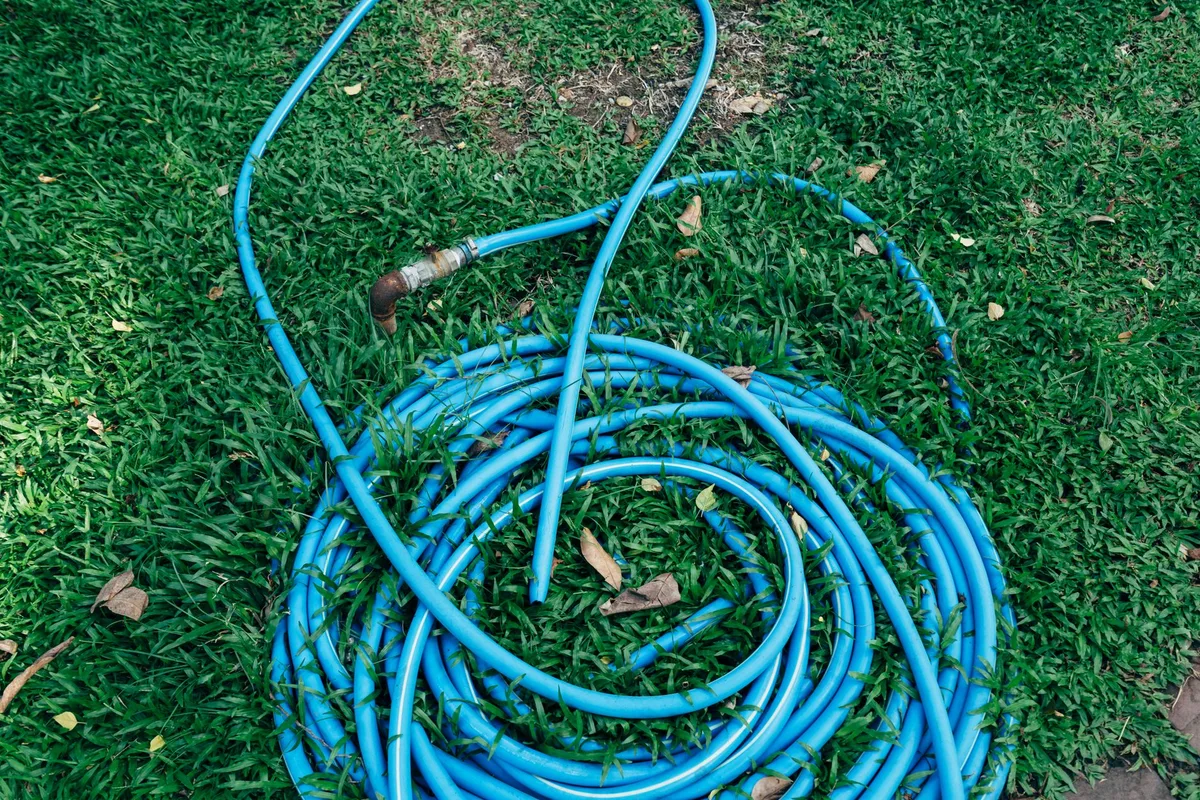
Wondering whether that spare garden hose in the shed can hook your washing machine up to water? The short version is that you can use a garden hose for your washing machine in a pinch, but it's not the setup you want running long term. A garden hose and a proper fill hose look similar, yet they're built for very different jobs.
The gap matters more than most people expect. A typical household water line sits at roughly 40 to 80 PSI of constant pressure, and a standard garden hose isn't rated to hold that safely for hours on end. Get it wrong and you're risking a burst line and a flooded floor.
So let's walk through when a garden hose is fine, when it's a bad idea, and what to use instead.
Quick Answer: Can a Garden Hose Feed a Washing Machine?
Yes, you can use a garden hose for your washing machine, but only for short, supervised use. Standard garden hoses aren't built for constant household water pressure. They can burst when left pressurized between wash cycles.
Most also lack potable-water certification for clean wash water. For any permanent hookup, fit a proper braided fill hose instead.
Why This Question Comes Up (And Why It's Not as Simple as Yes or No)
Most people ask this at the worst possible moment. A fill hose splits, the old one perishes, or you're setting up a portable washer with no proper line in sight. There's a garden hose right there, and it screws onto taps just fine.
So why not?
Here's the catch. The answer genuinely changes depending on your setup. A garden hose feeding water into an open drum by hand is a totally different risk than one bolted to a machine's inlet valve for months.
That's why a flat "yes" or "no" fails you. Your water pressure, your machine type, the hose material, and how long you plan to leave it all shift the answer. Think of it as a decision, not a rule.
The rest of this guide sorts those conditions out one by one.
The 5 Things That Decide Whether a Garden Hose Will Work for You
Run through these five checks. If any one lands in the "no" column, a garden hose isn't right for that job.
Water Pressure: Constant vs Manual Fill
This is the big one. A washing machine's inlet valve stays closed between fills, so the hose behind it sits under full mains pressure the whole time it's plugged in. Garden hoses aren't designed for that constant load.
Left pressurized for weeks, a cheap hose can bulge, weaken, and blow.
If you're only filling the drum manually and then disconnecting, the pressure sits on the hose for seconds, not days. That's far safer. So the rule is simple.
If the hose stays connected under pressure, skip the garden hose. If you fill and unhook each time, it's a workable stopgap.
Hot Fill vs Cold Fill Machines
Check whether your washer takes a hot feed. Many older and some current machines have both a hot and cold inlet. A standard garden hose is a cold-water product.
Push hot water through it and the material can soften, smell, and degrade fast.
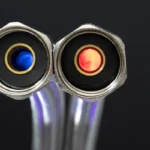
Cold-fill-only machines, common across the UK and Europe, dodge this problem. If your machine has a red hot inlet, don't run a garden hose to it.
Thread Match: Garden Hose Thread vs Your Washer's Inlet
Garden hoses in the US use 3/4-inch GHT (garden hose thread). Washing machine inlets use a 3/4-inch threaded connection, and UK or EU plumbing runs on BSP fittings. These aren't always a clean match.
Force a mismatched thread and you get a slow drip or a seal that never quite bites. You'll usually need an adapter and a fresh rubber washer to make it seal properly.
Potable Water Safety (Does the Hose Touch Your Wash Water?)
Ask one question. Does the water inside this hose end up on your clothes or against your skin? Standard garden hoses aren't certified for drinking-water contact and can leach chemicals into the water sitting in them.
For water safety, look for a hose carrying NSF International certification, the standard behind potable-water components. RV and marine "drinking water safe" hoses meet this. A generic green garden hose usually doesn't.
Temporary Fix vs Permanent Setup
Be honest about timeline. A garden hose can bridge a day or two while a proper hose ships. As a permanent fixture, it's asking for trouble.
If this is a "just for tonight" fix and you'll supervise it, go ahead carefully. If it's your long-term laundry plan, buy the right hose. It costs less than one flooded room.
Garden Hose vs Proper Washing Machine Fill Hose
A proper fill hose is purpose-built for exactly the load a washer puts on it. That's the whole difference. It handles constant pressure, seals cleanly to the inlet, and won't taint your wash water.
Here's how the two stack up side by side.
| Factor | Garden Hose | Proper Fill Hose (Braided) |
|---|---|---|
| Working pressure | Roughly 200 to 350 PSI | Built for constant mains pressure |
| Burst rating | Lower, varies by grade | Often 1,000+ PSI |
| Hot water rated | No (cold only) | Yes, hot-rated versions available |
| Potable water safe | Usually not certified | Designed for clean water contact |
| Thread fit | GHT, may need adapter | Matches washer inlet directly |
| Typical lifespan | Not rated for this use | Replace every 3 to 5 years |
| Best for | Brief, supervised fills | Permanent, unattended use |
The braided stainless option is the one most manufacturers recommend now. As of 2026, it's the default supply line shipped with most new machines because the steel sleeve resists bursting far better than bare rubber.
Cost isn't a real barrier either. A quality braided fill hose runs cheap compared to a garden hose of similar length, and it's engineered for the job. If you already keep tidy outdoor kit like the neat setups in these cozy country garden touches, treat your laundry line with the same care.
When a Garden Hose Is Genuinely Okay to Use
There are real cases where a garden hose does the job fine. The common thread is short exposure, low sustained pressure, and supervision.
- Manually filling a portable or twin-tub washer, then disconnecting straight after.
- A genuine emergency stopgap while a proper hose is on the way.
- Off-grid, RV, or camper setups using a certified drinking-water-safe hose, not a standard garden one.
- Garage or outdoor laundry where you're present and can shut the water off between loads.
Even in these cases, follow two habits. Turn the tap off the moment the fill is done. Never walk away and leave a garden-hose-fed machine running on its own.
If your washer lives out by the yard where the hose usually waters beds and runs past the pretty flower-bed borders, the same rule holds. Supervise it, then disconnect.
When You Should Never Use One
Some setups turn a garden hose from "risky" into "don't." These are the hard no's, and they mostly come down to leaving pressure unattended.
- A permanent connection you'll leave plugged in and walk away from.
- Any hot-fill inlet, where heat breaks the hose down fast.
- A machine that self-fills mid-cycle while you're out or asleep.
- A rented home where a flood puts your deposit and the unit below at risk.
The common failure story is boring but expensive. The hose holds fine for weeks, then splits overnight while nobody's home. By morning you've got water damage, not just a wet floor.
If the connection can't be supervised, don't trust a garden hose to it.
There's also the warranty angle. Manufacturer specs often require an approved supply line, and a non-rated hose can void coverage if it causes damage. That's a lot to gamble to save a ten-minute trip to the hardware store.
Safer Alternatives Worth Knowing About
If a garden hose won't cut it, three purpose-built options will. Each suits a slightly different user, so match the hose to your situation.
Braided Stainless Steel Fill Hoses
Best for almost everyone with a fixed machine at home. A braided fill hose wraps a rubber core in a woven stainless sleeve, which resists bulging and bursting under constant pressure. It threads straight onto a standard washer inlet and handles cold or, in hot-rated versions, hot feeds.
These are the modern default for good reason. They cost little, last years, and fail far less often than bare rubber.
Drinking-Water-Safe (RV/Potable) Hoses
Best for portable washers, campers, and off-grid laundry. A potable hose carries a certified food-safe lining, so the water touching your clothes stays clean. Look for the drinking-water-safe label used on RV and marine hoses.
This is the right pick when you genuinely need a longer, flexible line and a standard fill hose won't reach. It solves the water-safety problem a garden hose can't.
Floodsafe / Auto-Shutoff Hoses
Best for anyone worried about being away when a line lets go. A floodsafe hose has a built-in valve that cuts the water if it senses a sudden surge, like a burst. It's the closest thing to insurance against a flooded room.
Pair one with the shut-off habit and you've covered both angles. The valve catches the failure you didn't see coming.
How to Hook Up a Hose to Your Washer Without Leaks
A clean, leak-free connection comes down to matching threads, seating washers, and not overtightening. Rush it and you'll chase drips for weeks.
Check Your Inlet Thread and Pick the Right Adapter
Start by shutting off the water supply at the tap. Then look at your inlet thread. US washers use a 3/4-inch connection, while UK and EU setups run BSP.
If you're bridging from a garden hose thread, you'll need a matching adapter to marry the two.
Getting the fitting right up front saves the frustration of a joint that never seals. A little upfront checking beats redoing the job. The same logic applies whether you're routing water or laying out a tidy metal grid boundary in the yard.
Fit the Washers and Tighten the Right Way
Every coupling needs a rubber washer seated flat inside it. This little gasket does the real sealing work, not the threads. Check it's not cracked, twisted, or missing before you connect.
Hand-tighten the fitting first until it's snug. Then give it a quarter turn with pliers, no more. Overtightening crushes the washer and actually causes leaks rather than stopping them.
Test, Check for Drips, and Shut Off Between Washes
Turn the water back on slowly and watch every joint. Run your fingers around each connection to feel for the faintest weep. Then run a short cycle and check again under real flow.
If you spot a drip, shut off, reseat the washer, and retighten gently. If it's bone dry, you're good. And whatever hose you've fitted, get in the habit of closing the tap between loads.
Mistakes That Cause Leaks, Bursts, and Floods
Most washer water disasters trace back to a handful of avoidable errors. Knowing them is half the battle.
- Leaving a garden hose pressurized 24/7 between cycles.
- Forcing mismatched threads, GHT against BSP, and hoping it seals.
- Skipping or reusing a cracked rubber washer.
- Overtightening until the gasket splits.
- Running hot water through a cold-only hose.
- Walking away from a running machine fed by a makeshift line.
The single best safeguard is the shut-off valve behind the machine. Close it between washes and no failed hose can flood anything, because there's no pressure on the line. It takes two seconds and prevents the priciest outcome on this list.
Hard water quietly adds to the risk too. Mineral buildup stiffens seals and leaves deposits that stop washers seating cleanly over time. In hard-water areas, inspect your gaskets more often.
What It Costs and How Often to Replace Your Hose
A proper fill hose is cheap and lasts years, which makes the garden-hose gamble hard to justify. Here's the rough math and the timeline that matters.
| Item | Typical Cost Range | Notes |
|---|---|---|
| Braided stainless fill hose | Low, single-hose price | Recommended default |
| Potable/RV hose | Slightly higher | For portable and off-grid use |
| Floodsafe auto-shutoff hose | Mid range | Adds burst protection |
| Thread adapter + washers | Very low | Only if bridging fittings |
Replace your fill hoses every 3 to 5 years, even if they look fine. Rubber perishes from the inside, and a hose can fail long before the outside shows it. Write the install date on a bit of tape so you're not guessing.
Give both ends a quick look every few months. Check for bulges, rust spots on braided sleeves, stiffness, or damp patches at the couplings. Catching a tired hose early is the cheapest repair you'll ever make.
Setup Differences by Region and Climate
Where you live changes the fittings and even the machine. In the US, garden hoses use 3/4-inch GHT and plumbing runs on NPT, so a washer swap usually means matching those threads. Across the UK, EU, and Australia, BSP fittings rule and cold-fill-only machines are common.
That cold-fill norm actually lowers one risk abroad. With no hot inlet, you dodge the heat-degradation problem entirely. US and older setups with a hot feed still need a hot-rated line.
Climate matters too. In cold regions, any hose running through a garage or outdoors can freeze and split. Drain and disconnect exposed lines before a hard frost.
If you keep a few hardy plants indoors over winter, treat your laundry hoses with the same "bring it in from the cold" thinking.
Pro Tips for a Safe, Long-Lasting Connection
A few small habits keep any fill line trouble-free for years. None of these cost more than a minute.
- Close the shut-off valve between washes, every time.
- Date your hoses with tape so replacement isn't guesswork.
- Keep a slight loop in the hose, never a tight kink at the fitting.
- Keep spare rubber washers on hand for quick reseals.
- Feel behind the machine for damp spots once a month.
One more that people skip: leave a finger-width of space behind the machine. A hose crushed against the wall kinks, weakens, and fails right at the bend.
Frequently Asked Questions
Can I use a garden hose to fill my washing machine manually?
Yes, for manual filling it's reasonable, since the hose isn't under constant pressure. Fill the drum, then disconnect straight away. For water that touches your clothes, use a drinking-water-safe hose rather than a standard green one, and never leave it running unattended.
Will a garden hose fit a washing machine inlet?
Not always cleanly. Garden hoses use GHT threads, while washer inlets take a 3/4-inch or BSP fitting depending on your region. You'll usually need an adapter and a fresh rubber washer to get a proper, leak-free seal.
Why can't I leave a garden hose connected long term?
Because the inlet valve keeps the hose pressurized between cycles, and garden hoses aren't rated for that constant load. Over weeks the hose can bulge and burst, often overnight. A braided fill hose is built to hold that pressure safely.
Is a braided hose really worth it over a cheap one?
Yes. A braided stainless fill hose costs little, resists bursting far better, and lasts years. Manufacturer specs list it as the recommended supply line for a reason.
It's the cheapest insurance against a flooded room you'll find.
How often should I replace a washing machine fill hose?
Every 3 to 5 years, even if it looks fine. Rubber perishes from the inside, so failure often comes with no outside warning. Inspect both ends every few months for bulges, rust, or damp patches.
Your Quick Decision Guide: Garden Hose or Not?
Here's the whole call in a few lines. Run your setup through these and you'll know instantly.
- Manual fill, disconnected after, supervised? A garden hose is fine, ideally a potable one.
- Permanent, plugged-in, or unattended? No. Fit a braided fill hose.
- Hot inlet? No garden hose. Use a hot-rated line.
- Emergency stopgap for a day? Okay, but shut the tap off between loads.
The pattern is simple. Short and watched is fine. Constant and unattended is a flood waiting to happen.
Spend a little on the right hose, close that shut-off valve, and your laundry stays exactly where it belongs: inside the machine.

Similar Posts