How to Choose a Good Garden Hose That Lasts
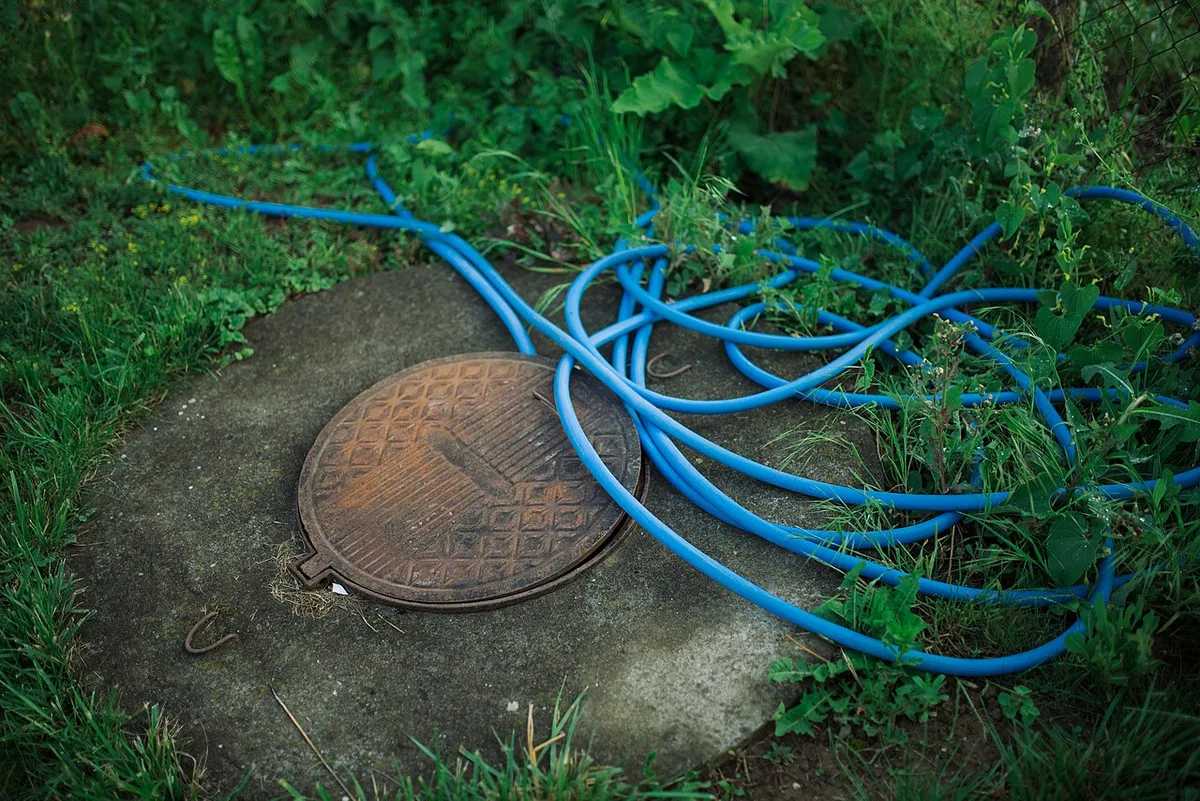
A good garden hose is the difference between an easy five-minute watering job and a soggy, kinked mess by the back fence. Most hoses fail for the same handful of reasons: weak fittings, thin walls, and the wrong size for the run. Pick right the first time and you get years of leak-free use.
Pick wrong and you're back at the store by next summer.
The good news is that a great hose isn't complicated once you know the four things that matter. Aggregate reviews point to the same weak spots, and manufacturer specs back it up. Quality hoses often carry burst-pressure ratings of 350 to 500-plus PSI, far above the 40 to 60 PSI of typical home water pressure.
Let's start with what actually earns a hose the word "good."
Quick Answer
A good garden hose has thick, reinforced walls and solid brass fittings. It resists kinks, holds strong water flow, and survives sun and cold. For most yards, a 5/8-inch rubber or hybrid hose is the sweet spot.
Match the length to your run so you don't lose pressure. Look for a burst rating well above your home's water pressure.
What Makes a Garden Hose Actually "Good"
A good hose comes down to four things: material, diameter, wall construction, and fittings. Get those right and the brand barely matters. Ignore them and even a pricey hose disappoints.
Here's what separates a keeper from a throwaway:
- Material: Rubber lasts longest. Hybrid polymer is lighter and still tough. Cheap vinyl cracks fastest.
- Diameter: A 5/8-inch bore hits the balance of flow and weight for most homes.
- Wall construction: Multi-ply or reinforced walls resist kinks and bursting.
- Fittings: Machined brass ends seal better and survive being stepped on.
Think of it like buying tires. The label grabs attention, but build quality is what you feel every day. A hose with a great warranty and flimsy aluminum ends will still leak at the spigot.
One more thing worth flagging early. A "good" hose for a tiny balcony isn't the same as a good hose for a half-acre lawn. Weight, length, and flow all shift with the job.
We'll match hoses to yards a little further down.
The Short Answer: What to Look for Before You Buy
If you want the fast version, scan for these traits first. They predict how a hose performs better than price or packaging.
| What to check | Good sign | Red flag |
|---|---|---|
| Material | Rubber or hybrid polymer | Thin, glossy vinyl |
| Diameter | 5/8-inch for most yards | Unlabeled or 1/2-inch for long runs |
| Fittings | Solid brass, octagonal grip | Stamped aluminum or plastic |
| Wall build | Multi-ply, reinforced mesh | Single-ply, see-through wall |
| Burst rating | 350 PSI or higher | Not listed at all |
A hose that checks those five boxes will outlast two or three bargain hoses. As of 2026, verified buyer feedback still ranks fitting failure and kinking as the top two complaints across every price tier. Those are exactly the traits the table screens out.
If you're planning a wider yard refresh alongside a new hose, our roundup of cozy country-style garden borders pairs nicely with a solid watering setup.
Hose Materials Compared: Rubber vs. Vinyl vs. Hybrid
Material is the single biggest driver of how long your hose lasts. Three main types dominate the shelf, and each suits a different buyer.
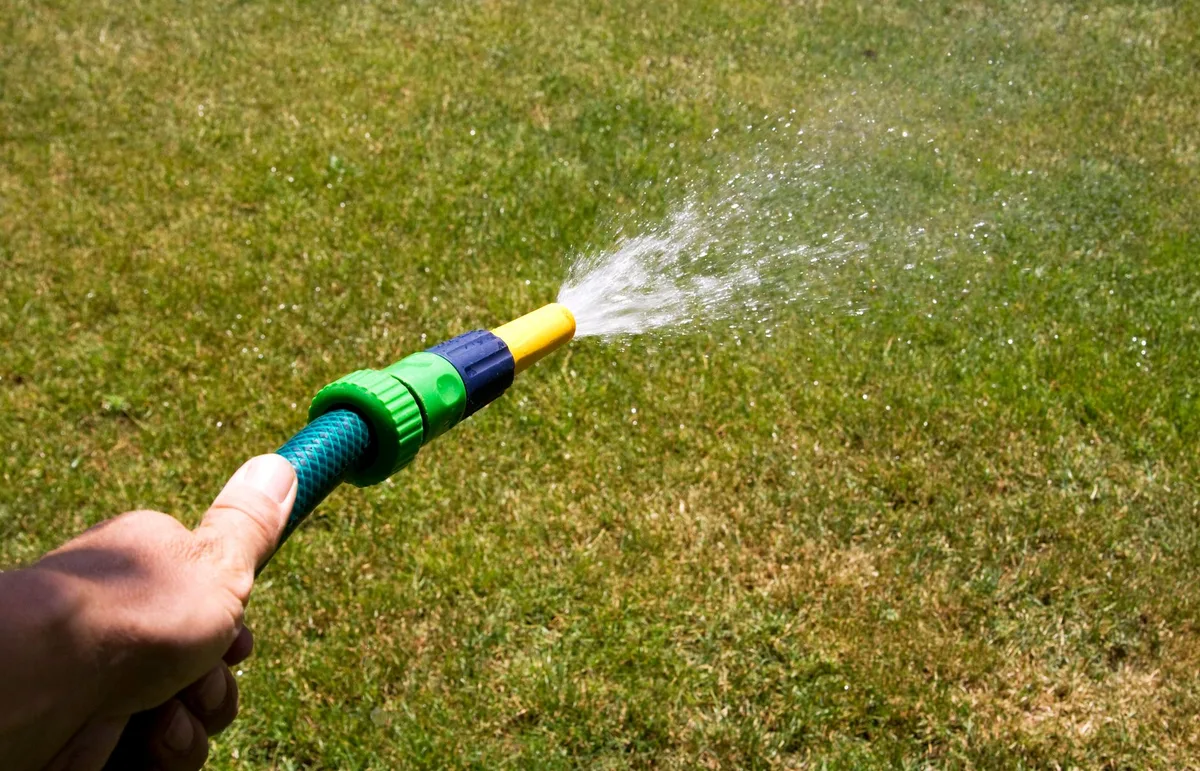
Rubber is the heavyweight champion. It handles hot water, resists cracking, and stays flexible in the cold. The trade-off is weight.
A 50-foot rubber hose can feel like a workout by the time you drag it across the yard.
Vinyl (PVC) is the lightweight budget pick. It's easy to carry and cheap to replace. But thin vinyl kinks fast and splits in the sun.
Low-grade PVC can also contain phthalates you don't want near a vegetable patch.
Hybrid polymer sits in the middle and has become the crowd favorite. It's lighter than rubber, tougher than vinyl, and stays flexible in cold weather. For most homeowners, hybrid is the easy default.
Here's how they stack up:
| Material | Durability | Weight | Cold flex | Best for |
|---|---|---|---|---|
| Rubber | Excellent | Heavy | Great | Hot water, heavy daily use |
| Vinyl | Low | Light | Poor | Light, occasional watering |
| Hybrid polymer | Good | Light | Good | Everyday all-rounder |
If your hose will sit in full sun or freezing winters, lean rubber or hybrid. If it lives coiled in a shady shed and only waters pots, vinyl can be fine. Just don't expect it to last a decade.
One safety note. Standard hoses aren't rated for drinking water, and many carry lead warnings on the fittings. If you'll fill pet bowls, kiddie pools, or an RV tank, buy a hose certified to the NSF/ANSI 61 drinking-water standard.
It's built without the leachable stuff.
Why Diameter and Length Change Everything About Water Flow
Diameter and length decide how much water actually reaches the end of your hose. Get this wrong and even a top-tier hose delivers a weak trickle at the nozzle.
1/2" vs. 5/8" vs. 3/4" Bore
The inner diameter, or bore, controls flow. Bigger bore, more water. Here's the practical rundown:
- 1/2-inch: Light and cheap. Fine for small patios and hanging baskets. It chokes flow on long runs.
- 5/8-inch: The all-purpose standard. Strong flow without being a beast to carry. The right pick for most homes.
- 3/4-inch: Maximum flow for big properties, high-demand sprinklers, or long distances. Heavy and pricier.
If you only remember one number, make it 5/8-inch. It balances flow and handling for the widest range of yards.
Picking the Right Length Without Killing Pressure
Longer hoses lose pressure. Every extra foot adds friction, so a 100-foot hose delivers noticeably less flow than a 25-foot one at the same tap.
The fix is simple: measure before you buy. Walk from your outdoor faucet to the farthest spot you'll water. Add about 10 feet of slack for corners, then buy the closest size up.
- 25 ft: Balconies, small patios, container gardens.
- 50 ft: The most popular size for average suburban yards.
- 75 to 100 ft: Large lawns and distant beds.
Don't buy a 100-foot hose "just in case." You'll fight the weight, storage hassle, and weaker flow every time you use it. If you need to reach two far corners, two shorter hoses with a quick-connect often beat one giant one. Planning fresh planting zones too?
These flower bed border ideas help you map where the water actually needs to go.
Fittings and Couplings: Where Most Hoses Fail First
Fittings are the number one failure point on any garden hose. The hose body can be perfect, but if the ends crimp or leak, the whole thing is junk.

The coupling is the connector on each end that screws onto your spigot and nozzle. It takes the most abuse: pressure, twisting, and the occasional boot to the ground. Weak couplings bend, cross-thread, and drip.
Brass vs. Aluminum vs. Plastic Ends
Not all fittings are equal. Here's what separates the good from the frustrating:
- Brass: The gold standard. It resists corrosion, seals tightly, and survives being stepped on. Look for a machined, octagonal shape you can grip with a wrench.
- Aluminum: Lighter and cheaper. It bends and crimps easily, and a crimped fitting won't seal no matter how hard you crank it.
- Plastic: Common on expandable and budget hoses. It cross-threads and cracks, though it does resist corrosion.
A quick field tip: a leaky connection is usually a worn rubber washer, not a bad hose. Those tiny O-rings cost pennies and are the first thing to swap when you see a drip. Keep a few spares in a drawer.
If one hose has brass ends and the other aluminum, the brass one is almost always worth the extra few dollars. It's the part you'll thank yourself for years down the line.
Expandable, Coil, Soaker, and Flat Hoses: When Each One Fits
Beyond the standard hose, four specialty types solve specific problems. Each has a clear best use and a clear weakness.
Expandable hoses shrink down small and grow when the water's on. They're light and easy to store. The catch is durability.
The inner tube and plastic ends fail sooner than rubber, so treat them as a convenience pick, not a workhorse.
Coil hoses spring back like an old phone cord. They're great for a small patio or a quick balcony rinse. On anything past 15 feet they drag and snag, so keep them close to the tap.
Soaker hoses weep water along their whole length. They're the smart choice for garden beds and rows of plants. Bury them under mulch and they water roots directly with almost no evaporation.
They pair well with a timer.
Flat (lay-flat) hoses roll up tight on a reel and lie flat when empty. They handle high volume but can't sit pressurized under a nozzle all day. Think temporary jobs and long straight runs.
Here's the quick match:
| Type | Best for | Weak spot |
|---|---|---|
| Expandable | Light watering, easy storage | Shorter lifespan |
| Coil | Small patios, balconies | Poor reach |
| Soaker | Beds, rows, drip watering | Not for spraying |
| Flat | Long runs, high volume | Can't stay pressurized |
Matching the Hose to Your Yard and Water Habits
The right hose depends on your yard size, your water pressure, and how you store it. Answer those three and the choice narrows fast.
Start with distance. If your farthest bed sits within 50 feet, a 5/8-inch hybrid hose covers you. Past 75 feet, step up to a 3/4-inch bore so you don't lose flow at the nozzle.
Storage habits matter more than people expect. If your hose lives in full sun year-round, rubber or hybrid resists UV damage far better than vinyl. Coil it neatly on a reel after every use and even a lighter hose lasts longer.
- Small patio or containers: 25-foot coil or lightweight hybrid.
- Average suburban lawn: 50-foot, 5/8-inch hybrid or rubber.
- Large property or acreage: 75 to 100-foot, 3/4-inch rubber.
- Raised beds and veg rows: soaker hose on a timer.
Water pressure is the quiet factor. If your home runs on the low end, a wider bore and a shorter hose claw back flow you'd otherwise lose. If you're also screening off a work area, some of these creative ways to disguise a plain boundary can hide the spigot and reel too.
Common Garden Hose Problems and How to Dodge Them
Most hose headaches trace back to a few repeat offenders. Knowing the cause makes each one an easy fix.
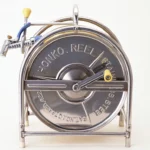
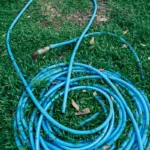
Kinking usually means the hose is too thin or stored badly. Buy a multi-ply hose and loop it in wide coils, not tight bends. A reel solves it for good.
Leaks at the tap are almost always a worn washer, not a cracked hose. Pop in a fresh rubber washer before you blame the whole thing. It takes ten seconds.
Splitting comes from sun, age, or a winter freeze. Water trapped inside a hose expands when it freezes and can burst the wall. Drain it before the first frost.
Weak flow at the end points to a bore that's too narrow or a hose that's too long. Check for a kink first. If it's clear and still weak, you've likely undersized the diameter.
Algae or a funky smell builds up when water sits inside in the heat. Flush the hose before drinking-water use and store it empty. Verified buyer feedback flags this most on cheap vinyl left in the sun.
Buying Mistakes That Waste Money
The costliest hose mistakes happen before you ever turn on the water. Dodge these and you'll skip the yearly replacement cycle.
- Chasing the lowest price. A $12 hose with aluminum ends often lasts one season. Two of those cost more than one good hose.
- Buying way too long. Extra length adds weight, storage grief, and pressure loss. Measure your run instead of guessing high.
- Ignoring the fittings. Shoppers stare at length and color, then miss the aluminum couplings that crimp in a month.
- Skipping the burst rating. No PSI number on the label is a quiet red flag. Quality hoses publish it.
- Grabbing the wrong bore. A 1/2-inch hose on a 100-foot run gives you a sad trickle. Match diameter to distance.
One more trap: assuming every hose is drinking-water safe. Standard hoses carry lead warnings on the fittings. If pets or kids drink from it, buy a certified potable hose.
What a Good Hose Costs: Price Tiers, PSI, and Specs
A good garden hose runs roughly $25 to $80 as of 2026, depending on material and length. You don't need the priciest one, but the rock-bottom tier rarely pays off.
Here's how the tiers shake out:
| Tier | Typical price (50 ft) | What you get |
|---|---|---|
| Budget | $12 to $20 | Vinyl, aluminum ends, short life |
| Mid | $30 to $50 | Hybrid or light rubber, brass ends |
| Premium | $55 to $90 | Heavy rubber, machined brass, long warranty |
The mid tier is the value sweet spot for most homeowners. You get brass fittings and a reinforced wall without paying contractor prices.
Watch two specs above all. Burst pressure should sit well over your home's 40 to 60 PSI, and 350 PSI is a safe floor. Wall construction should be multi-ply, not single-ply.
Premium rubber hoses often ship with a limited lifetime warranty, which tells you the maker expects it to last. For more seasonal upkeep tips, our gardening advice hub covers the rest of the yard.
Drinking-Water Safety, Lead, and Prop 65 Warnings
Not all hoses are safe to drink from. Standard hoses often contain lead in the brass fittings and chemicals in the vinyl. That yellow tag on the packaging isn't decoration.
If you'll fill pet bowls, kiddie pools, or an RV tank, buy a hose labeled drinking-water safe or NSF/ANSI 61 certified. These use lead-free fittings and food-grade material. California's Proposition 65 warning flags the leachable stuff on non-potable hoses.
One habit helps either way. Let the hose run a few seconds before drinking. Water that's baked in the sun tastes off and can pick up more from the hose walls.
Making a Hose Last: Storage, Winterizing, and Simple Repairs
Good storage doubles a hose's life. Sun, freezing water, and tight kinks are what kill them early.
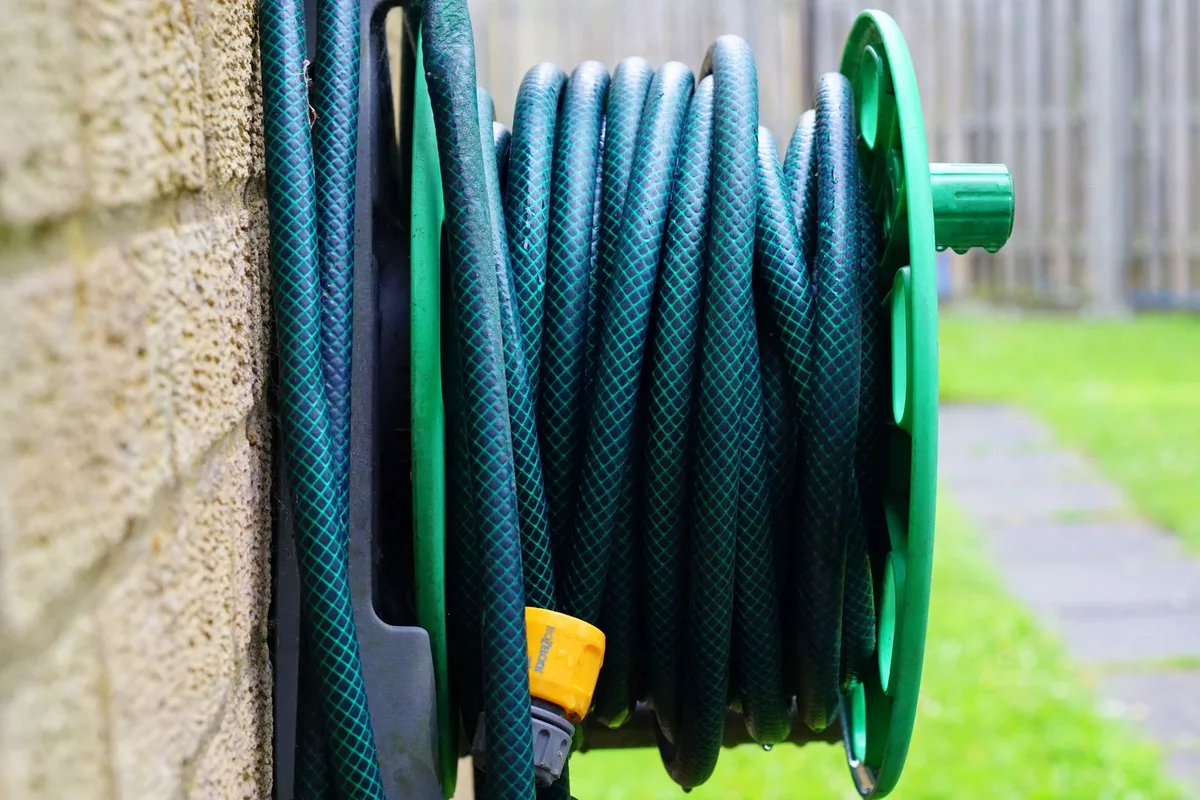
Draining Before a Freeze
Drain the hose fully before the first hard frost. Disconnect it, stretch it downhill, and let gravity empty it. Trapped water freezes, expands, and splits the wall.
Store it coiled indoors or in a shed.
Swapping Washers and Fixing Leaky Ends
Most leaks fix in under a minute. Pull the old rubber washer from the female coupling and press in a fresh one. If a brass fitting is bent, a $5 hose-end repair kit clamps on a new one.
Keep spare washers on hand.
Best Hose for Each Type of User
The right pick shifts with your setup. Here's the fast match.
- Apartment or balcony gardener: a 25-foot coil or lightweight hybrid.
- Average homeowner: a 50-foot, 5/8-inch hybrid with brass ends.
- Big property owner: a 75 to 100-foot, 3/4-inch rubber hose.
- Raised-bed grower: a soaker hose on a timer.
- RV or pet owner: a certified drinking-water hose.
If two hoses tie on paper, the one with brass fittings wins for every user above.
Garden Hose FAQs
How long should a good garden hose last?
A quality rubber or hybrid hose lasts 5 to 10 years with proper storage. Cheap vinyl often fails within one or two seasons. Draining it before winter and keeping it out of direct sun are the two biggest factors in a long lifespan.
Is a 5/8-inch or 3/4-inch hose better?
For most homes, 5/8-inch is better. It balances strong flow with manageable weight. Choose 3/4-inch only for large properties, runs over 75 feet, or high-demand sprinklers where maximum water volume matters more than easy handling.
Why does my hose keep kinking?
Kinking usually means the wall is too thin or it's coiled too tight. Switch to a multi-ply or reinforced hose and store it in wide loops on a reel. Never yank a hose around a corner under pressure.
Can I drink from a regular garden hose?
No, not safely. Standard hoses can leach lead and plasticizers into the water. If you need drinkable water, buy a hose certified to NSF/ANSI 61.
Even then, flush it for a few seconds first to clear any water that sat warm inside.
The Bottom Line: How to Pick the Right Hose the First Time
Skip the guesswork and check four things: material, diameter, wall build, and fittings. A 5/8-inch rubber or hybrid hose with brass ends handles almost any yard.
Measure your run before you buy, match the bore to the distance, and drain it before winter. Spend in the mid tier and you'll likely skip the yearly replacement trip. That's how you buy once and water in peace for years.

Similar Posts