Garden Hose Guide: How to Choose the Right One
Picking out a garden hose sounds like the simplest job in the world, right up until yours splits at the spigot in July. The truth is that a garden hose is one of those everyday tools where a few dollars and a couple of specs separate a hose that lasts a decade from one that kinks, leaks, and gets tossed by autumn. Most people grab the cheapest coil on the shelf and regret it.
We pulled together manufacturer specifications, aggregate buyer reviews, and safety standards to sort out what actually matters. As of 2026, a quality hose comes down to three things: material, diameter, and the fittings on each end. Most hoses use the standard 3/4-inch GHT (Garden Hose Thread) connection, so almost any nozzle fits.
Let's start with why the right pick matters more than you'd think.
Quick Answer
A garden hose is a flexible tube that carries water from an outdoor tap to your garden, lawn, car, or pool. The best all-around choice is a 5/8-inch rubber or hybrid hose with brass couplings. It balances good water flow, durability, and kink resistance.
For drinking water, use only a hose certified lead-free to NSF/ANSI 61. Length affects pressure, so buy only what you need.
Why Picking the Right Garden Hose Actually Matters
A hose is cheap. A bad hose is expensive. That's the whole story in two sentences.
When a hose kinks every time you drag it around the yard, you waste time and water. When the couplings strip or the wall cracks, you're buying another one within a season. Aggregate reviews show the same complaints again and again: splitting near the fittings, low flow on long runs, and hoses that turn stiff in the cold.
The right hose fixes all of that up front. A leaky connection can dribble gallons before you notice. A heat-degraded cheap hose can even leach chemicals into the water you spray on edible plants.
If you're already investing in your outdoor space with smart privacy screening or fresh planting beds, the hose keeps all of it alive. Skimping here is a false economy.
Garden Hose Materials: Rubber vs. Vinyl vs. Hybrid
Material is the single biggest factor in how long your hose lasts. It also decides how heavy it is and how well it handles heat and cold. Three types dominate the market.
Rubber Hoses
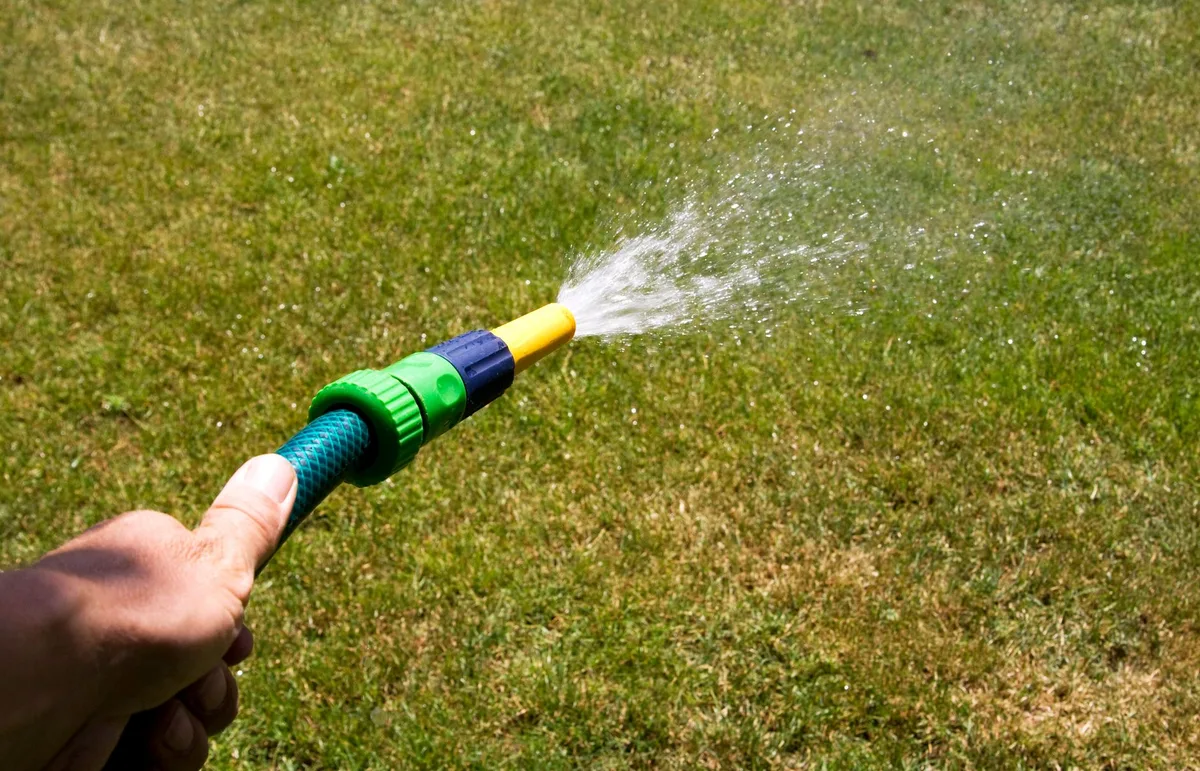
Rubber is the workhorse. It resists kinks, handles hot water, and shrugs off UV and cold better than anything else.
The trade-off is weight. A 50-foot rubber hose is heavy and tiring to haul around a big yard. But if you want a hose that survives years of abuse, this is it.
Verified buyer feedback rates rubber highest for lifespan.
Vinyl (PVC) Hoses
Vinyl is the cheap, light option you'll find stacked by the register. It's easy to carry and easy on the budget.
That's where the good news ends. Vinyl kinks readily, cracks in cold weather, and degrades fast in direct sun. It's fine for light, occasional watering on a balcony or small patio.
For daily use, it won't go the distance.
Hybrid Polymer Hoses
Hybrids are the middle ground a lot of people land on. Made from polymer blends or TPE, they stay flexible in cold, resist kinks well, and weigh far less than rubber.
They coil easily and lie flat without fighting you. Aggregate reviews put hybrid hoses at the top for everyday handling. They cost more than vinyl but usually less than premium rubber.
| Material | Durability | Weight | Cold Flexibility | Best For |
|---|---|---|---|---|
| Rubber | Excellent | Heavy | Excellent | Heavy daily use, hot water |
| Vinyl (PVC) | Poor to fair | Light | Poor | Light, occasional watering |
| Hybrid polymer | Very good | Light | Very good | Everyday all-around use |
Expandable vs. Traditional Hoses: The Honest Truth
Expandable hoses stretch to two or three times their length under water pressure, then shrink back for storage. They're light, compact, and genuinely handy for small spaces. That's the honest upside.
Now the downside. Expandable hoses fail more often than traditional ones. The inner latex tube bursts, seams split, and the fabric outer sleeve wears through.
Reviews report shorter lifespans across the board, sometimes a single season.
They also deliver weaker flow and can't take high pressure. Don't run one off a pressure washer or leave it pressurized in the sun.
Here's the simple rule:
- Choose an expandable hose if you have a small garden, a balcony, or limited storage and you value light weight over longevity.
- Choose a traditional rubber or hybrid hose if you want reliable flow, higher pressure tolerance, and years of service.
For most people watering real garden beds or a cozy country-style plot, a traditional hose is the safer bet. Expandables are a convenience tool, not a durability champion.
Hose Diameter Explained: 1/2", 5/8", and 3/4"
Diameter is the inside width of the hose, and it controls how much water flows through. Bigger isn't automatically better, but it matters more than most buyers realize. Three sizes cover almost everything.
- 1/2-inch: Lightest and cheapest. Lower flow. Good for containers, small beds, and light watering.
- 5/8-inch: The sweet spot for most homes. Strong flow with manageable weight.
- 3/4-inch: Highest flow. Heavy and bulky. Built for long commercial runs and filling large tanks or pools fast.
A wider hose carries more water, but it weighs more when full and costs more up front. Match the size to the job. For efficient outdoor watering habits, the EPA WaterSense program has solid guidance on cutting waste at the tap.
| Diameter | Relative Flow | Weight | Best Use |
|---|---|---|---|
| 1/2" | Lower | Lightest | Containers, small beds, spot watering |
| 5/8" | Strong | Moderate | Most home lawns and gardens |
| 3/4" | Highest | Heaviest | Long runs, pools, large tanks |
One thing worth flagging: pairing a wide 3/4-inch hose with weak household water pressure won't magically boost your flow. Your tap can only push what it can push. If you're planning watering around new flower bed layouts, a 5/8-inch hose gives you plenty of reach without the extra drag.
How Length Affects Water Pressure and Flow
Every extra foot of hose costs you a little pressure. The longer the run, the more the water slows by the time it reaches the nozzle. That's basic friction inside the tube.
Manufacturer specs confirm the drop is real but modest at normal lengths. A 25-foot hose barely loses anything. Push out to 100 feet and you'll notice weaker spray, especially on a narrow 1/2-inch hose.
The fix is simple: buy the shortest hose that reaches your farthest watering point. Don't grab 100 feet for a job that needs 50.
- Short yards or patios: 25 to 50 feet is plenty.
- Standard suburban lawns: 50 to 75 feet covers most.
- Large properties or far corners: 100 feet, ideally in 5/8-inch or 3/4-inch to offset the pressure loss.
If you need serious distance, go wider rather than just longer. A 5/8-inch hose at 100 feet holds pressure far better than a 1/2-inch one.
Fittings and Couplings: Why Brass Beats Plastic
The couplings are the metal or plastic connectors at each end of the hose. They fail more often than the hose body itself. This is where cheap hoses fall apart first.

Brass couplings win on almost every count. They resist crushing, hold their threads, and seal tightly against the spigot. Plastic and nylon couplings strip easily, crack in the cold, and leak once the threads deform.
Look for machined or "crush-proof" brass ends when you shop. Octagonal brass collars are easier to grip and tighten by hand. If a hose lists plastic fittings, expect leaks at the tap within a season or two.
One quick troubleshooting tip: if your connection drips, the culprit is usually a worn rubber washer inside the female coupling, not the hose. A ten-cent washer swap fixes most leaks. Keep a few spares in the shed.
Side-by-Side Comparison of Every Hose Type
Here's how the main options stack up when you line them up together. Use this to match the hose to your actual needs, not the marketing on the sleeve.
| Hose Type | Lifespan | Weight | Flow | Kink Resistance | Best For |
|---|---|---|---|---|---|
| Rubber | 5 to 10+ years | Heavy | Strong | Excellent | Heavy daily use, hot water |
| Hybrid polymer | 3 to 7 years | Light | Strong | Very good | Everyday all-around use |
| Vinyl (PVC) | 1 to 3 years | Light | Moderate | Poor | Light, occasional watering |
| Expandable | 1 to 3 years | Very light | Weaker | Good | Small spaces, easy storage |
| Soaker | 2 to 5 years | Light | Slow seep | N/A | Drip watering beds and rows |
Notice the pattern. The lighter and cheaper the hose, the shorter its life. Verified buyer feedback backs this up over and over.
Best Hose for Each Situation
There's no single "best" hose. The right pick depends on your yard, your water pressure, and what you're actually doing with it. Here's how it breaks down.
Small Yards and Balconies
Go light and compact. A 25-foot to 50-foot hybrid hose or a quality expandable handles container plants and small beds without the storage headache. You don't need heavy rubber for a few pots.
Large Lawns and Long Runs
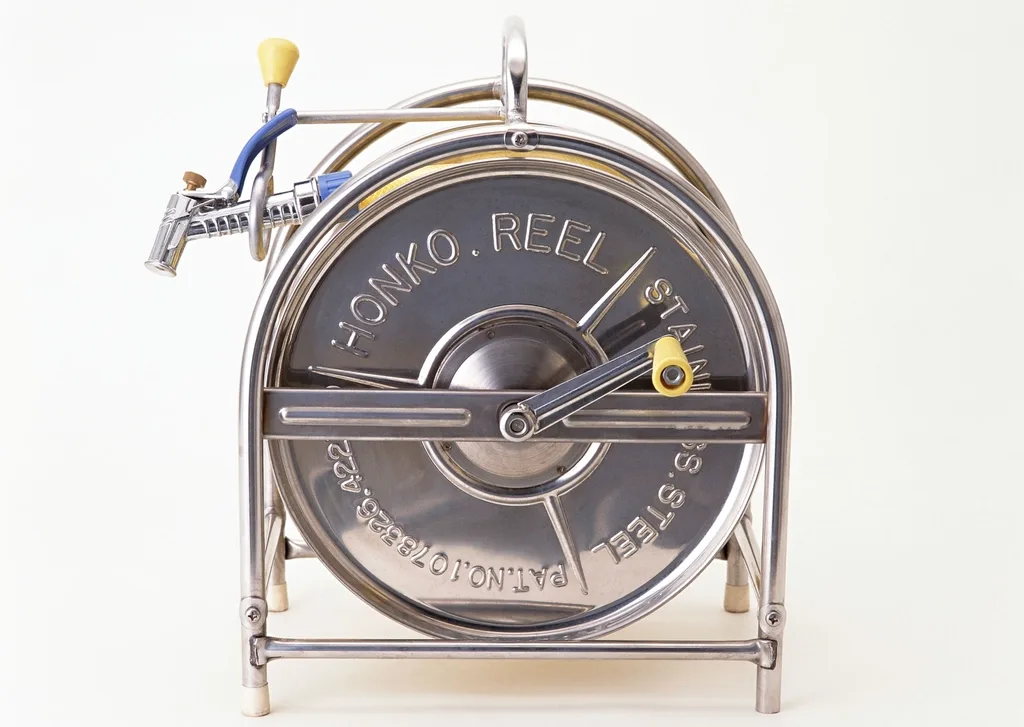
Prioritize flow and reach. A 5/8-inch rubber or hybrid hose at 75 to 100 feet keeps decent pressure across the property. Pair it with a hose reel so you're not fighting a tangle every time.
This helps if you're managing planting around wire-panel garden boundaries.
RVs and Drinking Water
Use only a potable, drinking-water-safe hose. These are usually white or blue and certified lead-free. A standard green garden hose is not rated for water you'll drink, more on that below.
Cars, Pressure Washing, and Heavy Use
Reach for reinforced rubber with a high burst pressure rating. It stands up to nozzles, sprayers, and being dragged across concrete. Skip expandables here, since high pressure can burst them.
Common Garden Hose Mistakes That Kill Durability
Most hoses die young from avoidable habits, not defects. Fix these and yours lasts years longer.
- Leaving it in the sun. UV bakes vinyl and expandable hoses until they crack. Store it in shade or on a reel.
- Leaving it pressurized. Water trapped under pressure in the heat stresses seams and couplings. Shut the tap and release the pressure after use.
- Yanking kinks straight. Pulling a kinked hose hard weakens the wall at that spot. Walk it out instead.
- Skipping winter draining. Water left inside freezes, expands, and splits the tube.
- Over-tightening plastic fittings. You'll strip the threads. Hand-tight plus a quarter turn is enough.
- Dragging it over sharp edges. Constant abrasion on concrete corners wears through the outer layer.
Avoid those six and even a mid-priced hose will outlast a premium one that gets abused. Good habits beat a big budget every time. The same care mindset keeps the rest of your outdoor greenery thriving year-round.
What You'll Actually Pay: Price and Spec Breakdown
Price tracks closely with material and fitting quality. You can spend under ten dollars or well over sixty. Here's the rough lay of the land as of 2026.
| Hose Type | Typical Price (50 ft) | What You Get |
|---|---|---|
| Vinyl (PVC) | $10 to $20 | Light, cheap, short life |
| Expandable | $20 to $40 | Compact, easy storage, fragile |
| Hybrid polymer | $30 to $55 | Flexible, durable, brass ends |
| Rubber | $40 to $80+ | Longest life, heavy, hot-water safe |
The specs worth checking are simple. Look for a burst pressure rating above 350 PSI, brass couplings, and a diameter that matches your yard. A limited lifetime warranty is a good sign the maker trusts the build.
Cheapest upfront rarely means cheapest over five years. A $50 rubber hose that lasts a decade beats three $15 vinyl ones.
Drinking-Water Safety, Lead, and Certifications
Don't drink from a standard garden hose. Most green hoses aren't rated for potable water and can leach lead, BPA, or phthalates, especially after sitting in the sun. That warning is printed on the label for a reason.
If you'll drink, fill an RV tank, or give water to pets, buy a hose certified to NSF/ANSI 61. These are labeled drinking-water-safe and lead-free, usually in white or blue. The certification means the material was tested for safe contact with drinking water.
California hoses often carry a Prop 65 warning about lead exposure. Look for "lead-free" and "BPA-free" on the packaging. When in doubt, let the hose run a few seconds to flush out any water that sat warm inside.
Keeping Your Hose Alive: Storage, Winterizing, and Repairs
Good storage doubles a hose's life. The two big killers are sun and freezing, and both are easy to dodge.
Follow these steps at the end of each season:
- Drain fully. Disconnect, lift one end, and walk the water out.
- Coil loosely. Tight coils and hard kinks weaken the wall.
- Store off the ground. A reel or wall hanger keeps it out of standing water and sun.
- Winterize before the first freeze. Drain, disconnect, and bring it into a shed or garage.
Repairs are cheap and quick. A hose mender kit fixes a split in the middle without replacing the whole thing. Cut out the damaged section, push in the mender, and clamp both sides.
For a leak at the tap, replace the rubber washer first. If the coupling itself is crushed, a screw-on replacement brass end restores the seal.
Pro Tips for Getting the Most From Your Hose
A few small habits separate a hose that lasts from one that limps along. These come straight from aggregate buyer feedback and manufacturer guidance.
- Add a quick-connect fitting. Swapping nozzles and sprinklers takes a second instead of a wrestling match.
- Shut off pressure when idle. Use a shutoff valve at the nozzle so the hose isn't pressurized all afternoon.
- Buy a reel, not a hook. Even coiling reduces kinks and cracking at stress points.
- Match nozzle to job. A high-pressure jet stresses seams, so ease off for delicate watering.
- Keep spare washers and a mender kit on hand. Most failures are a two-minute fix, not a new purchase.
Treat the hose like the tool it is, and a mid-range one easily outlasts its warranty.
Garden Hose FAQs
How long does a garden hose last?
It depends entirely on material and care. A quality rubber hose lasts 5 to 10 years or more with good storage. Vinyl and expandable hoses often last just 1 to 3 years.
Sun exposure and freezing are the biggest life-shorteners.
What diameter garden hose is best?
For most homes, a 5/8-inch hose is the sweet spot. It delivers strong flow without being too heavy to drag. Choose 1/2-inch for light patio use and 3/4-inch only for long commercial runs or fast tank filling.
Can you drink from a garden hose?
Not from a standard one. Regular green hoses can leach lead, BPA, and other chemicals, especially after sitting in the heat. Only drink from a hose certified drinking-water-safe to NSF/ANSI 61, usually sold in white or blue.
Why does my garden hose keep kinking?
Cheap vinyl and thin-walled hoses kink because the material lacks reinforcement. Cold weather makes it worse. Switching to a rubber or hybrid hose with radial reinforcement solves most kinking, and storing it on a reel prevents the coil memory that causes it.
Final Verdict: How to Choose the Right Hose for You
For most people, a 5/8-inch hybrid or rubber hose with brass couplings is the smart buy. It hits the sweet spot on flow, weight, and lifespan without overpaying. Match the length to your yard and you're set for years.
Here's the quick decision guide:
- Small space or tight storage: light hybrid or expandable, 25 to 50 feet.
- Standard lawn: 5/8-inch hybrid or rubber, 50 to 75 feet.
- Large property: 5/8-inch or 3/4-inch rubber, up to 100 feet.
- Drinking or RV use: only a lead-free, NSF/ANSI 61 certified hose.
- Heavy or hot-water jobs: reinforced rubber with a high burst rating.
Skip the bargain-bin vinyl unless you truly need a hose for a few light waterings. It's the one that always splits first.
Spend a little more on brass ends and a decent wall, then store it out of the sun and drain it before winter. Do that, and the hose you buy this season will still be going strong long after the cheap ones would've cracked.

Similar Posts