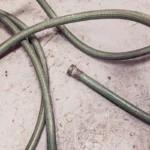
Are Garden Hoses Safe to Drink From? What to Know
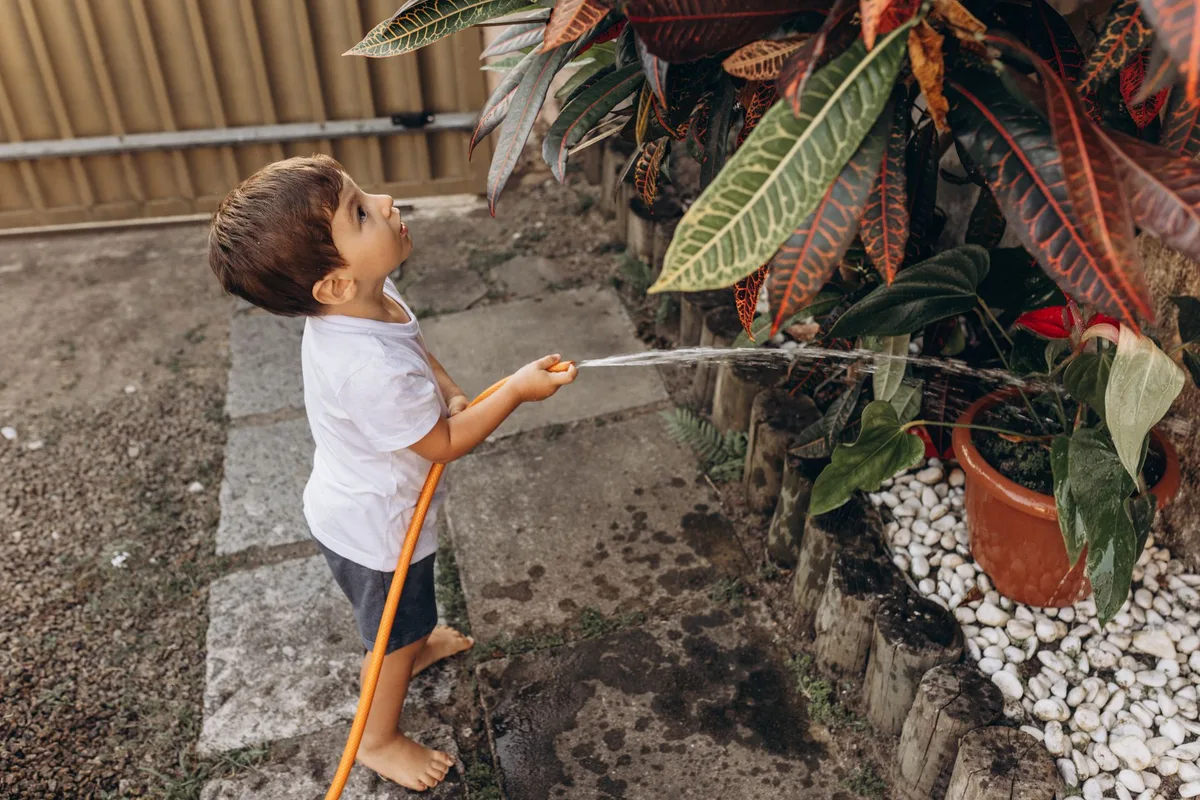
You twist the spigot, take a gulp, and never think twice about it. But are garden hoses safe to drink from, or is that classic summer habit quietly a bad idea? The honest answer: most standard hoses aren't built for drinking water, and some carry chemicals you'd rather avoid.
The good news is that safer options exist, and safe habits matter even more.
Here's the part most people miss. A standard vinyl garden hose can leach lead, BPA, and plasticizers into water that sits inside it. The federal "lead-free" rule caps lead at a 0.25% weighted average, yet plenty of older hoses predate that standard.
As of 2026, hoses labeled NSF/ANSI 61 are the ones designed for water you'll genuinely drink.
Quick Answer
Most standard garden hoses are not safe to drink from. Regular vinyl hoses can leach lead, BPA, and phthalates into the water. Heat and stagnant water make this worse.
Only hoses labeled "drinking water safe" or NSF/ANSI 61 are built for drinking. Flush any hose before you fill a glass.
What's Actually Inside a Standard Garden Hose
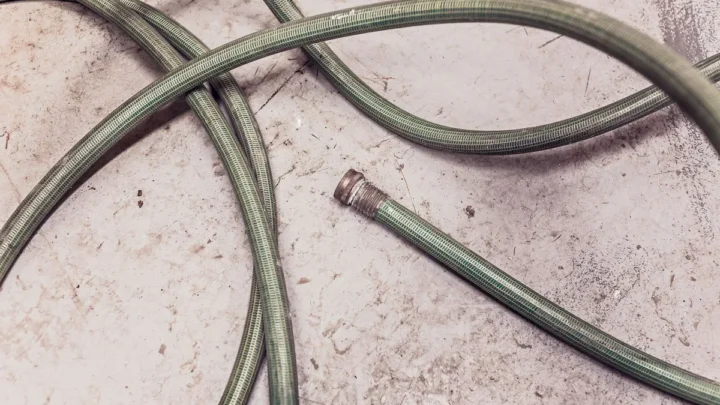
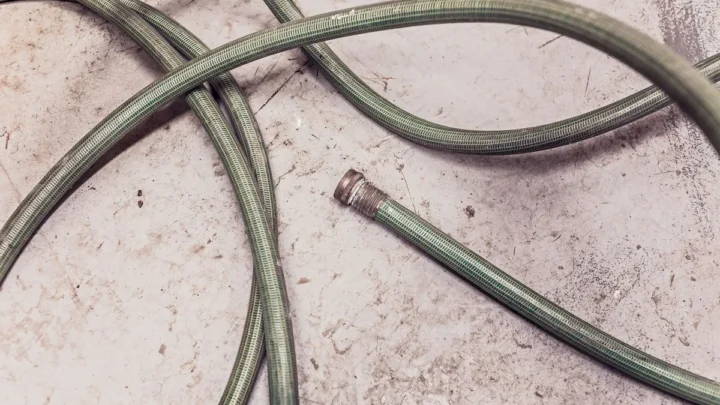
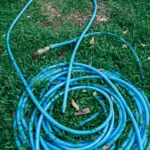
A typical green garden hose is made to move water, not to store water you'll drink. The materials are cheap, flexible, and durable. They're also the reason the water can pick up things you don't want.
PVC, Plasticizers, and Phthalates
Most budget hoses use PVC, or polyvinyl chloride. To keep that plastic soft and bendy, makers add plasticizers called phthalates. These chemicals aren't locked in place.
Warm water sitting against the tubing pulls small amounts loose. Some hoses also contain BPA, a compound used in certain plastics and linings. None of these belong in a drink.
Lead in Brass Fittings
The metal couplings on each end are usually brass. Older or cheaper brass can contain lead, which gives that faint metallic taste. Water sitting against those fittings picks up the most.
That's why the first slug of water from a stagnant hose is the one you least want to swallow. Newer lead-free fittings limit this, but many hoses sitting in sheds right now are older.
Why the "Just a Sip" Habit Carries Real Risk
A single sip probably won't hurt a healthy adult. The concern is repeated exposure, especially for kids who drink from the hose all summer. Two factors turn a low risk into a real one.
Heat, Sun, and Faster Chemical Leaching
Chemicals move faster when things get hot. A hose baking in direct sun can heat the water inside to uncomfortable temperatures. That heat speeds up how quickly plasticizers and metals migrate into the water.
A dark hose coiled on a sunny patio is basically a slow cooker for whatever's in the tubing.
Stagnant Water, Biofilm, and Legionella
Water that sits still for hours grows things. The warm, dark inside of a hose is a friendly home for bacteria, algae, and slimy biofilm. In warm standing water, that can include Legionella, the bacterium behind Legionnaires' disease.
You usually can't see or smell it. Draining the hose after each use is your simplest defense.
Not All Hoses Are Equal: Standard vs. Drinking-Water-Safe
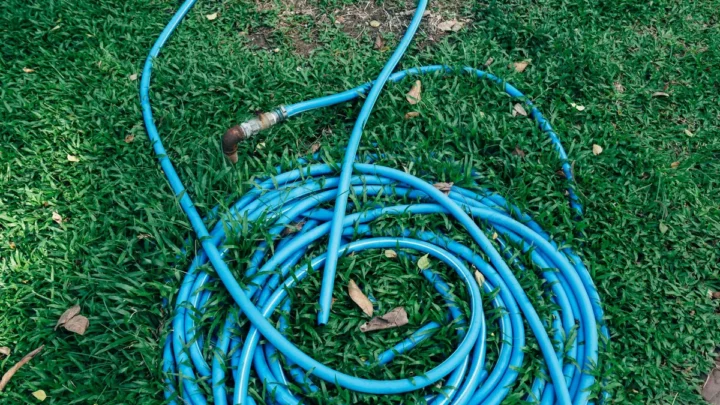
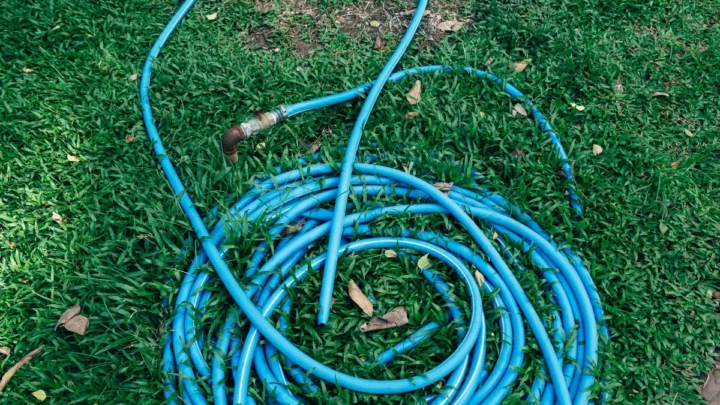
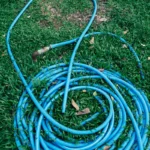
If you want to drink from a hose, buy one made for it. Drinking-water-safe hoses, often sold as potable or RV hoses, use FDA-grade tubing and lead-free fittings. They're usually white or blue so you can tell them apart from the green garden hose.
Here's how the two compare at a glance.
| Feature | Standard Garden Hose | Drinking-Water-Safe Hose |
|---|---|---|
| Tubing | PVC/vinyl with plasticizers | FDA-grade, low-leach material |
| Fittings | Often leaded brass | Lead-free brass or stainless |
| Certification | Usually none | NSF/ANSI 61 and 372 |
| Typical color | Green | White or blue |
| Safe to drink | No | Yes, when flushed |
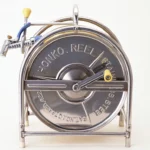
For most folks, one dedicated potable hose covers drinking, RV fills, and the kids' water table. Keep it separate from the hose you use for the driveway or garden chemicals. If you're already rethinking your outdoor setup, a tidy backyard with a cozy country feel pairs nicely with keeping a clean water hose on its own reel.
How to Read a Hose Label: NSF/ANSI 61, 372, and "Lead-Free"
Check the packaging and the printing along the hose itself. The right labels tell you it was actually tested for drinking water. Skip the guesswork and look for these.
- NSF/ANSI 61: certifies the hose is safe for drinking water system components.
- NSF/ANSI 372: confirms the lead content meets the lead-free standard.
- "Drinking water safe" or "potable water": the plain-language version of the same claim.
- "Lead-free" and "phthalate-free": look for both, not just one.
- A California Proposition 65 warning: a signal the standard hose may contain concerning chemicals.
If a hose only says "for garden use" with no water-safety claim, treat it as not safe to drink from. No label means no promise.
Who Should Be Most Careful: Kids, Pets, and Edible Gardens
Some people and uses carry more risk than others. Lead and plasticizers hit small bodies harder, so children top the list. Here's who should stick to a potable hose or filtered water.
- Kids: their growing bodies absorb lead more readily than adults.
- Pregnant people: lead exposure carries added risk during pregnancy.
- Pets: dogs drink a lot of hose water in summer, so use flushed or filtered water.
- Edible gardens: watering fruit and veg with clean water is the safer call.
If you grow food near a border, watering with a clean hose matters as much as good soil. Gardeners who like framing their veg beds with low fencing should still flush the hose before it touches anything they'll eat. The same care applies to houseplants you keep indoors.
Safe Ways to Drink From or Fill With a Hose
You don't have to give up hose water entirely. A few simple habits cut the risk sharply. Follow these and even a standard hose becomes far safer for casual use.
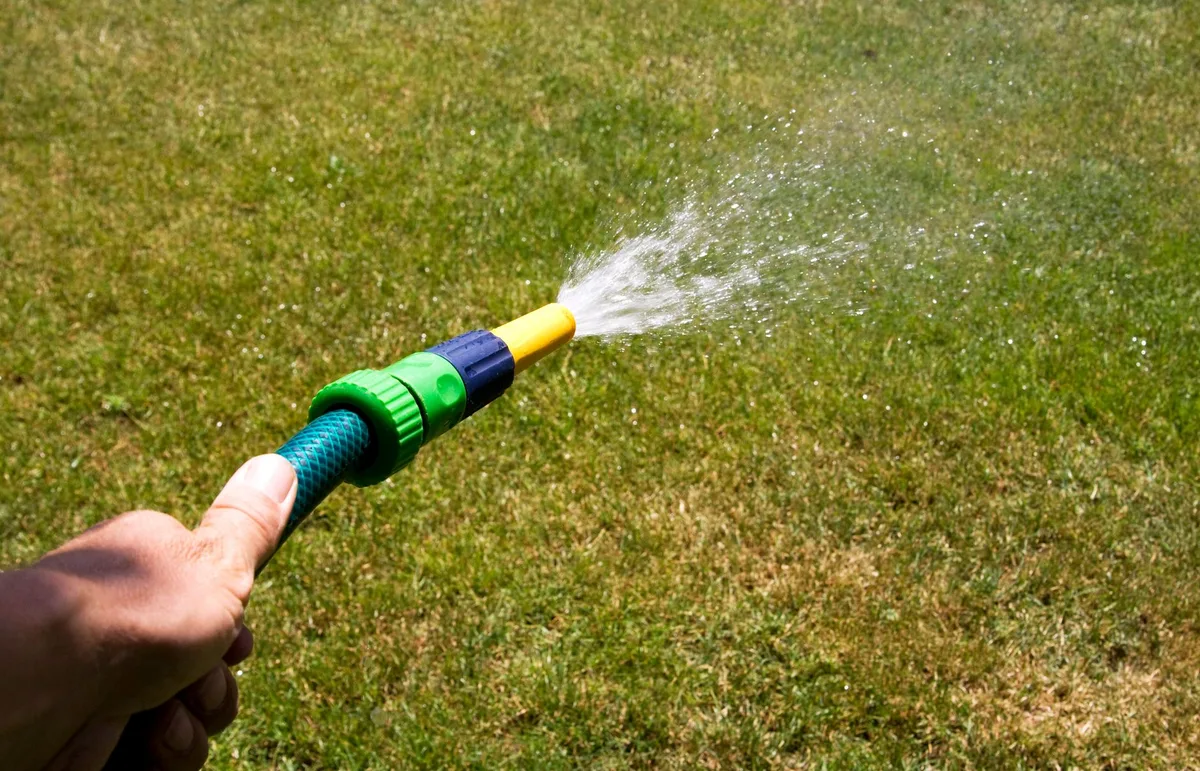
Flush First, Then Fill
Run the hose for 30 seconds to two minutes before drinking. This clears out the stagnant, high-concentration water sitting near the fittings. A longer hose needs a longer flush.
Wait until the water runs cool, since warm water carries more of what leached out.
Store It Drained and in the Shade
Empty the hose after every use. Standing water is what grows bacteria and pulls chemicals into solution. Keep the hose coiled in the shade, not baking in direct sun.
A shaded, drained hose stays cleaner between uses.
Add an Inline Carbon Filter
An inline carbon filter screws onto the spigot end and reduces many contaminants and off-tastes. It won't turn a leaded hose into a certified potable one, but it helps. Pair a filter with a lead-free hose for the cleanest result.
Mistakes That Turn a Safe Hose Into a Risky One
Even a good hose goes wrong with bad habits. These are the slip-ups our research sees most often.
- Leaving the hose in full sun all day, then drinking the hot first pour.
- Never draining it, so water sits stagnant for days.
- Using the same hose for lawn chemicals and drinking.
- Assuming an old brass-fitted hose is lead-free.
- Skipping the flush and drinking the very first mouthful.
Fixing these costs nothing. Drain, flush, shade, and separate. That's most of the battle.
Hose Water vs. Tap, Filtered, and Bottled Water
The water going into your hose usually starts as safe municipal tap water. The hose is the weak link, not the source. Here's how the options stack up for drinking.
| Water Source | Drinking Safety | Notes |
|---|---|---|
| Indoor tap | High | Regulated at the tap by your utility |
| Filtered tap | High | Removes taste and many contaminants |
| Potable hose (flushed) | High | Built and certified for drinking |
| Standard hose | Low | Risk of lead, BPA, biofilm |
| Bottled water | High | Convenient but pricier and wasteful |
The takeaway is simple. Straight from the indoor tap or a certified hose beats a random green hose every time.
What the EPA, FDA, and NSF Standards Actually Require
These aren't marketing terms. They're backed by real rules. The [U.S.
Environmental Protection Agency](https://www.epa.gov) sets a lead action level of 15 parts per billion in drinking water. Its lead-free definition caps lead at a 0.25% weighted average across wetted surfaces.
The FDA regulates food-contact materials, which is why potable hoses use FDA-grade tubing. NSF International runs the independent testing behind those NSF/ANSI 61 and 372 marks. You can check certified products through NSF's own listings.
When a hose carries those marks, it's been tested, not just labeled.
Expert Tips for Safer Hose Water Year-Round
A few habits keep your hose water safe across the seasons. None of them are complicated.
- Keep one white or blue potable hose just for drinking and RV use.
- Flush every hose before the first drink of the day.
- Drain and coil hoses in the shade after each use.
- Replace cracked, stiff, or very old hoses that may predate lead-free rules.
- In winter, drain hoses fully to prevent freeze damage and standing water.
For more seasonal upkeep ideas, our other garden guides cover the outdoor jobs that pair with a clean water setup. If you want to know who's behind this research, our editorial team puts safety first. Even a decorative project like dressing up a plain boundary goes smoother when your hose habits are already sorted.
Frequently Asked Questions
Can dogs drink from a garden hose?
Occasionally, yes, but flush it first. Dogs drink a lot of hose water in summer, and repeated exposure to lead or plasticizers adds up. Run the water until it's cool, or use a drinking-water-safe hose.
For daily use, a clean bowl from the tap is the safer bet.
Why does hose water taste like rubber or plastic?
That taste comes from the tubing and fittings. Plasticizers in the PVC and leftover compounds in the rubber leach into standing water. Warm, stagnant water tastes strongest.
Flushing until the water runs cool clears most of the off-flavor. A potable hose avoids the taste entirely.
Is it safe to water a vegetable garden with a regular hose?
Watering plants is generally fine, since brief contact doesn't build up heavily in produce. Still, flush the hose first to clear the stagnant water. For food you'll eat raw, a lead-free or drinking-water-safe hose is the smarter choice, especially around leafy greens and berries.
How long should I let a hose run before drinking?
Run it 30 seconds to two minutes, until the water feels cool. This clears the high-concentration water sitting near the brass fittings. Longer hoses need a longer flush.
If the water still tastes off after flushing, don't drink it. Use the tap or a filter instead.
Are rubber hoses safer than vinyl hoses?
Rubber hoses often skip the phthalates found in vinyl, but they can still carry leaded brass fittings and their own compounds. Rubber isn't automatically safe to drink from. The only reliable marker is an NSF/ANSI 61 or "drinking water safe" label, whatever the material.
The Verdict: When Hose Water Is Fine and When to Skip It
A standard green garden hose isn't made for drinking, and the risks are real for kids, pets, and heavy summer use. But this isn't cause for panic. Flush the hose, keep it drained and shaded, and don't drink the hot first pour.
If you or your family drink from a hose regularly, spend a few dollars on a certified potable hose and keep it separate. Do that, and hose water goes from a gamble to a genuinely safe, convenient way to stay hydrated outdoors.

Similar Posts