Are Rubber Garden Hoses the Best? What to Know
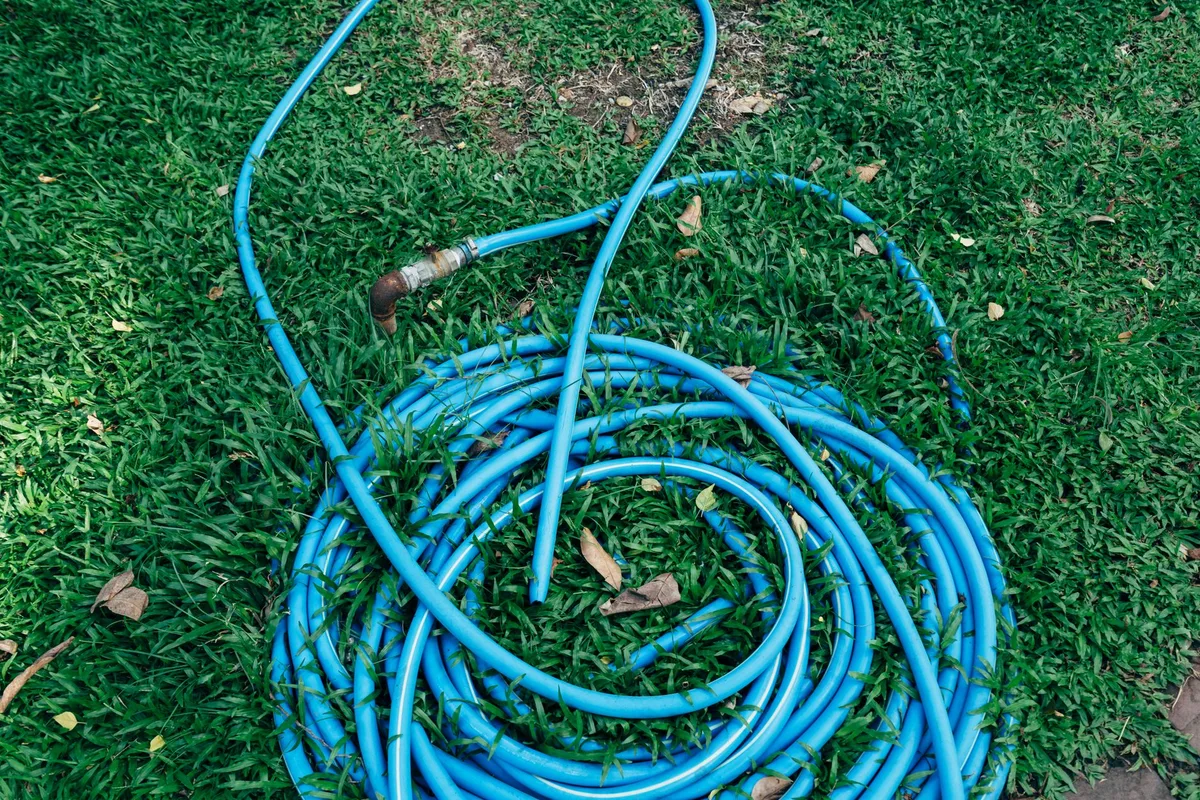
You turn on the tap, drag the hose across the lawn, and it kinks, splits, or feels like lifting a python. So, are rubber garden hoses the best fix for that headache? For raw durability and hot water, yes, they're the toughest option on the shelf.
But the right hose really comes down to your yard and your hands.
Manufacturer specs show quality rubber hoses handle water up to roughly 160 to 190°F, far above what cheap vinyl tolerates. Many are also certified lead-free under NSF/ANSI 61 for safe drinking water. As of 2026, that blend of heat tolerance and safety is exactly why rubber stays a favorite.
Let's start with the quick verdict.
Are Rubber Garden Hoses Actually Worth It? The Short Answer First
Rubber garden hoses are the best choice for durability, hot water, and heavy-duty use. They resist kinks, cracking, and high pressure better than vinyl. The trade-off is weight and a higher price.
For small yards or weak wrists, a lighter hose often wins. So "best" depends on your specific job.
Think of it this way. If you water a big property, wash cars, or drag a hose over gravel, rubber pays for itself. If you just top up a few pots on a balcony, a heavy rubber coil is overkill.
The material is excellent. It just isn't the right fit for everyone.
What "Rubber Garden Hose" Really Means (Natural vs. Synthetic/EPDM)
A rubber garden hose is a water hose built from natural rubber, synthetic rubber, or a blend, usually reinforced with an inner mesh layer. That reinforcement is what gives it strength and kink resistance. Not all "rubber" hoses are the same, though.
Here's the quick breakdown:
- Natural rubber: soft, flexible, and grippy, but it can degrade faster in strong UV.
- Synthetic rubber (EPDM): the workhorse in most heavy-duty and commercial hoses. It shrugs off heat, sun, and cold.
- Rubber blends: mix rubber with other polymers to cut weight and cost while keeping decent toughness.
EPDM is the one to look for on hot-water and contractor-grade hoses. It handles temperature swings without going brittle. Many quality rubber hoses also carry a lead-free, drinking-water-safe lining, verified against standards set by bodies like NSF International.
If you plan to fill a pool, a pet bowl, or an RV tank, that certification matters.
One more thing worth knowing. A hose labeled "rubber" at a bargain price is often a thin blend with plastic fittings. Real rubber has heft, a thick wall, and usually brass couplings.
Weight, oddly enough, is a decent first clue to quality.
How Rubber Stacks Up Against Vinyl, Hybrid, and Polyurethane Hoses
Rubber isn't the only game in town. To judge whether it's "best," you have to see it next to the main alternatives. Each material trades something for something else.
Rubber vs. Vinyl (PVC)
Vinyl hoses are cheap, light, and everywhere. That's their whole appeal. But thin vinyl kinks easily, cracks in the sun, and can't handle hot water.
Rubber outlasts it by years in most conditions.
If budget is your only concern, vinyl works for light, occasional watering. For anything demanding, rubber is the sturdier call. A good multi-ply vinyl narrows the gap, but it still won't match rubber for heat or lifespan.
Rubber vs. Hybrid
Hybrid hoses blend rubber and polymer to land in the middle. They're lighter than pure rubber, stay flexible in cold weather, and resist kinks well. Many gardeners find them the sweet spot for everyday use around raised beds and borders.
Where hybrids fall short is extreme heat and long-term abuse. Rubber still edges them out for hot water and contractor jobs. But for the average homeowner tending a few flower beds along a garden fence, a hybrid is easier to live with.
Rubber vs. Polyurethane and Expandable Hoses
Polyurethane hoses are the featherweights. They're light, drinking-water safe, and surprisingly tough for their size, which makes them great for small spaces. Expandable hoses take that even further, shrinking down for easy storage.
The catch is durability under rough use. Neither matches rubber's burst-pressure tolerance or abrasion resistance. Expandable hoses in particular are known to fail at the fittings over time.
For gentle watering, they shine. For heavy work, rubber still rules.
Side-by-Side Comparison: Material, Weight, Price, and Lifespan
Sometimes a table says it faster than a paragraph. Here's how the four main hose types stack up on the factors people actually care about.
| Hose type | Weight | Price range | Hot water | Kink resistance | Typical lifespan |
|---|---|---|---|---|---|
| Rubber (EPDM) | Heavy | Higher | Excellent | Excellent | Longest |
| Vinyl (PVC) | Light | Lowest | Poor | Low | Shortest |
| Hybrid | Medium | Moderate | Good | Very good | Long |
| Polyurethane | Very light | Moderate | Fair | Good | Moderate |
A few takeaways from the numbers:
- Rubber leads on toughness and lifespan, full stop.
- Vinyl wins only on price and weight.
- Hybrids give you most of rubber's perks with less heft.
- Polyurethane is the pick when every pound counts.
Weight is the deciding factor for a lot of buyers. A 50-foot rubber hose full of water is genuinely heavy. If you have joint pain or a large area to cover on foot, that daily drag adds up.
Heavier doesn't automatically mean better for you.
The Real Strengths of Rubber Hoses (Durability, Hot Water, Kink Resistance)
This is where rubber earns its reputation. When people call it the "best," these are the traits they mean. And most hold up in aggregate user reviews.
- Durability: thick walls and mesh reinforcement resist splitting, dry rot, and abrasion. Rubber routinely outlives vinyl by several seasons.
- Hot water tolerance: EPDM handles hot water without softening, which matters for car washing, patio cleaning, and RV washdowns.
- Kink resistance: the reinforced build springs back instead of folding. Fewer kinks means fewer trips to unbend the line.
- Pressure strength: higher burst-pressure ratings handle strong municipal pressure and pressure-washer feeds.
- Temperature range: it stays workable in summer heat and chilly mornings, where vinyl turns stiff.
There's also a quieter benefit. Quality rubber hoses lie flatter and coil neater once broken in, so they wind onto a reel easily. Pair a good hose with tidy storage and it'll serve you for years, the same way smart choices around a privacy screen or fence cover pay off long after the work is done.
The strength story isn't the whole picture, though. Every upside comes with a cost, and that's where buyers get tripped up.
Where Rubber Hoses Fall Short (Weight, Price, Cold Stiffness)
No hose is perfect, and rubber's flaws are worth knowing before you buy. The biggest one is weight. A 50-foot or 100-foot rubber hose is heavy to haul, especially uphill or around tight corners.
Price is the next hurdle. Rubber costs noticeably more than vinyl, sometimes double for the same length. You're paying for lifespan, but the upfront hit is real.
Then there's cold. EPDM stays flexible in cool weather, but pure natural rubber can stiffen near freezing. Leave any hose full of water in a hard freeze and it can split.
Rubber is tough, not indestructible.
A few smaller gripes show up in aggregate user reviews:
- Storage bulk: thick walls mean a fatter coil that eats reel space.
- Sun damage: cheaper rubber left in direct UV for years can crack or fade.
- Odor: budget hoses sometimes carry a rubber smell on first use.
None of these are dealbreakers for the right buyer. They're just the price of that heavy-duty build.
Which Hose Is Best for You? Matching Material to Your Situation
The best hose is the one that matches your job, not the one with the toughest spec sheet. Here's how to sort it out fast.
Best for Hot Water and Heavy-Duty Jobs
Rubber wins here, no contest. If you wash cars, clean patios, run a pressure washer, or work a large property, buy EPDM rubber. It handles heat and abuse that would wreck vinyl in a season.
Contractors and folks tending big plots get the most value from rubber. The higher price spreads out over years of hard use. This is rubber's home turf.
Best for Small Yards and Easy Handling
Go lighter if your space is small or lifting is tough. A polyurethane or hybrid hose gives you plenty of performance without the weight. For pots, balconies, and tidy borders, that daily ease beats raw durability.
Older gardeners and anyone with wrist or shoulder issues should lean this way. The same logic applies indoors: gentle, lightweight watering suits houseplant care routines far better than a stiff contractor hose.
Best for Drinking-Water and RV Use
Pick a hose labeled drinking-water safe and lead-free for anything you'll drink from. Rubber and polyurethane both offer certified potable options. Check for the marking before you fill a pool, camper tank, or pet bowl.
If/then rule of thumb: if you need heat and toughness, choose rubber. If you need light and nimble, choose polyurethane or hybrid. If you're on a tight budget for light watering, vinyl will do.
Specs That Actually Matter: Diameter, Ply, PSI, and Couplings
A handful of specs separate a great hose from a frustrating one. Learn these four and you'll shop smarter than most.

- Inner diameter: 5/8 inch is the sweet spot for most homes. Go 3/4 inch only for long runs or high flow.
- Ply/wall thickness: more plies mean more strength. Heavy-duty rubber often runs multiple reinforced layers.
- Working and burst pressure: look for a working pressure that clears your home's supply with plenty of headroom.
- Couplings: brass beats plastic every time. Brass fittings resist crushing and seal better against leaks.
Couplings deserve extra attention. Most hose failures start at the ends, not the middle. Crushed or stripped fittings cause the drips people blame on the whole hose.
Look for octagonal or crush-resistant brass collars you can grip and tighten by hand. A quality gasket inside the coupling stops slow leaks at the tap. Get the fittings right and the hose lasts far longer.
Drinking-Water Safety: Lead-Free Linings, NSF/ANSI 61, and Prop 65
Not every garden hose is safe to drink from, and that catches people off guard. Standard hoses can leach lead, BPA, or phthalates into water that sits inside them. If you drink from it or fill a pet's bowl, this matters.
Look for these safety markers:
- Lead-free label and an NSF/ANSI 61 certification for drinking-water components.
- FDA-grade or "safe for drinking water" lining.
- BPA-free and phthalate-free wording on the packaging.
In California, hoses often carry a Proposition 65 warning about lead or chemical exposure. That warning is a legal disclosure, not automatic proof the hose is dangerous. Still, a certified potable hose sidesteps the worry entirely.
Never drink from a hose that's been baking in the sun. Heat speeds up chemical leaching and encourages bacteria inside the line. Flush it for a few seconds first, or just use a certified drinking-water hose from the start.
Buying Mistakes That Cost You a Good Hose
Most hose regret comes from a few avoidable slip-ups. Dodge these and you'll get your money's worth.
- Buying on price alone: the cheapest vinyl hose usually needs replacing in a year or two.
- Ignoring the fittings: plastic couplings undo a good hose fast. Insist on brass.
- Over-buying length: a 100-foot hose you only half use is heavy dead weight and drops pressure.
- Skipping the drinking-water label: an afterthought until you're filling a bowl or a kettle outdoors.
- Assuming heavy equals better: weight suits heavy tasks, not weak wrists or tiny gardens.
One more trap is matching the wrong hose to your setup. A thin hose starves a sprinkler. An oversized one is a pain to coil.
Think about your actual watering, whether that's a veg patch or beds framing a cozy country-style fence, before you commit.
Buy once, buy right. A well-chosen rubber or hybrid hose with brass fittings often outlasts three cheap ones. The math favors quality over the long haul.
Making a Rubber Hose Last: Storage, Winterizing, and Repairs
A good rubber hose can last a decade if you treat it right. Neglect it, and even the best one cracks early. A little care goes a long way.
Follow these simple habits:
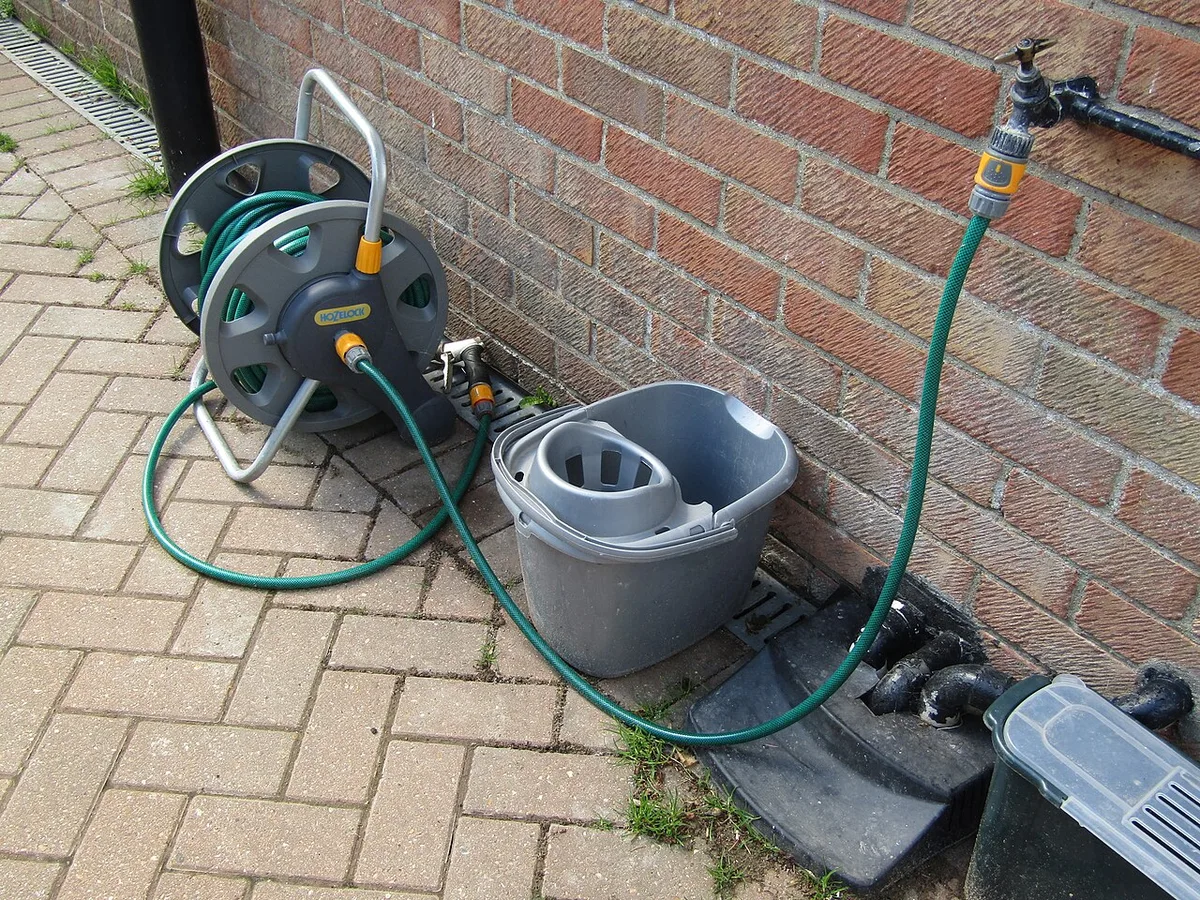
- Store it coiled on a reel, not kinked in a heap. Even coils prevent memory bends.
- Keep it out of direct sun when possible. UV is rubber's slow enemy.
- Drain it before winter. Water left inside can freeze and split the wall.
- Disconnect from the tap after each use to relieve pressure on the fittings.
Winterizing is the step most people skip. Before the first hard freeze, disconnect the hose, drain it fully, and store it somewhere above freezing. A garage or shed works fine.
For small leaks, you don't need a new hose. A hose mender or replacement coupling fixes a split end in minutes. Cut out the damaged section, slip on the new fitting, and clamp it tight.
That quick repair often adds years of life.
Frequently Asked Questions
How long do rubber garden hoses last?
A quality rubber hose commonly lasts 8 to 10 years with proper care. That's roughly double a cheap vinyl hose. Storing it out of the sun, draining it before winter, and easing off the tap pressure all stretch its lifespan further.
Are rubber hoses safe for drinking water?
Only if they're labeled drinking-water safe and lead-free. Look for an NSF/ANSI 61 certification or FDA-grade lining. Standard hoses can leach lead or chemicals, so never drink from an uncertified hose, especially after it's been sitting in the sun.
Why are rubber garden hoses so heavy?
Rubber hoses have thick walls and reinforcement layers that add real weight. That extra material is exactly what gives them their durability and kink resistance. If the heft is a problem, a hybrid or polyurethane hose offers similar performance with far less to carry.
Do rubber hoses kink less than vinyl?
Yes, rubber resists kinks much better than thin vinyl. The internal mesh reinforcement helps the hose spring back instead of folding flat. You'll still get the odd kink on tight corners, but far fewer than with a budget vinyl line.
Can rubber hoses handle hot water?
Quality EPDM rubber hoses handle hot water well, often up to around 160 to 190°F. That makes them a solid pick for car washing and patio cleaning. Vinyl hoses can't match this and may soften or warp under the same heat.
The Verdict: Are Rubber Hoses the Best Choice for You?
Rubber garden hoses are the best option for durability, hot water, and heavy-duty work, and that's a genuine edge. If you water a large yard, wash vehicles, or want a hose that lasts a decade, buy EPDM rubber with brass fittings. It's the closest thing to buy-once gear in the hose aisle.
But "best" isn't one-size-fits-all. For small gardens, easy handling, or a tight budget, a hybrid or polyurethane hose often serves you better day to day. The lighter weight alone can change how much you enjoy watering.
Match the material to your job, check the fittings, and confirm the drinking-water label if it matters. Do that, and you'll land the right hose whether it's rubber or not. For more practical picks and garden know-how, our latest guides and tips are worth a look.

Similar Posts