Washing Machine vs Garden Hoses: Key Differences
So, are washing machine hoses the same as garden hoses? The short version is no, even though the two can look almost identical on the shelf. They share the same ¾ inch thread, so a garden hose will screw right onto your washer.
That one shared detail is exactly what gets people into trouble.
A washing machine fill hose is built for constant, always-on water pressure. A quality braided one is rated to burst well above 500 PSI, while most household lines run at 40 to 80 PSI. Typical garden hoses aren't designed to sit under that steady load, as of 2026.
Here's why that gap matters before you reach for whatever hose is closest.
Are Washing Machine Hoses the Same as Garden Hoses? The Short Answer
No, they are not the same. Both use a ¾ inch garden hose thread. That shared fitting is where the similarity ends.
A washer hose is built for constant pressure and hot water. A garden hose is built for occasional outdoor use. Using a garden hose on your washer risks a burst and a flood.
Why People Mix Up These Two Hoses in the First Place
The confusion is easy to understand. Both hoses use the same standard connector, called a ¾ inch GHT (Garden Hose Thread). So a garden hose threads onto a washing machine valve and onto the back of the machine.
It looks like a perfect match.
But "it fits" and "it's safe" are two very different things. The thread only controls whether the ends screw together. It says nothing about pressure rating, water safety, or how the hose handles heat.
There's also a price gap that tempts people. A garden hose you already own feels free. A proper braided washer hose costs a few dollars more.
That small saving can turn into a very expensive water bill.
What a Washing Machine Fill Hose Is Actually Built For
A washing machine fill hose is designed to hold back water pressure 24 hours a day. Your supply valves usually stay open, so the hose is always under load. That's the key difference from almost every other hose in your home.
These hoses also carry both hot and cold water. The hot line can run well past 120°F. A hose that isn't rated for heat can soften, weaken, and eventually split.
Purpose-built washer hoses use materials that shrug that off.
Braided Stainless Steel vs. Reinforced Rubber
You'll mostly see two types of fill hose on the market. Each has a clear best use.
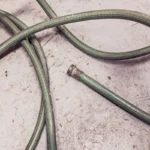
- Braided stainless steel: A rubber core wrapped in a woven metal jacket. The braid resists bulging and kinking. Best for most homes, especially where the hose is hard to reach.
- Reinforced rubber (EPDM): A thick rubber hose with internal polyester or rayon reinforcement. Cheaper and flexible. Best for tight budgets, but it should be checked more often.
Manufacturer specifications indicate braided models handle far higher burst pressure than plain rubber. That extra margin is why so many appliance makers ship them as standard.
Auto-Shutoff (Burst-Proof) Hoses
An auto-shutoff hose adds a safety valve inside the fitting. If it senses a sudden rush of water, like from a burst, it cuts the flow. Think of it as a circuit breaker for your water line.
These are worth the upgrade if your laundry sits on an upper floor or near finished rooms. A single failure over hardwood or a ceiling can cost thousands. If you travel often, this feature buys real peace of mind.
What a Garden Hose Is Really Designed to Handle
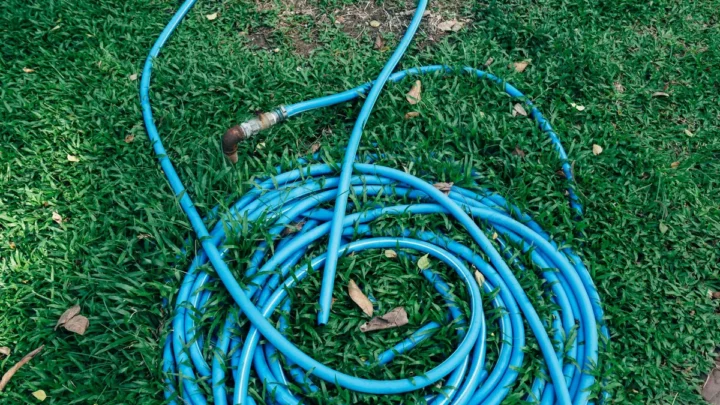
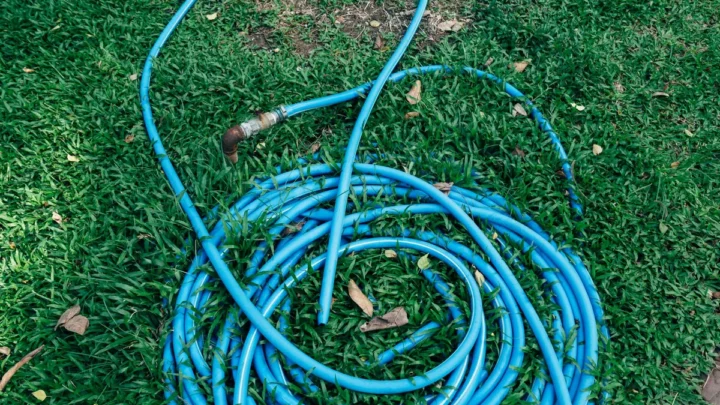
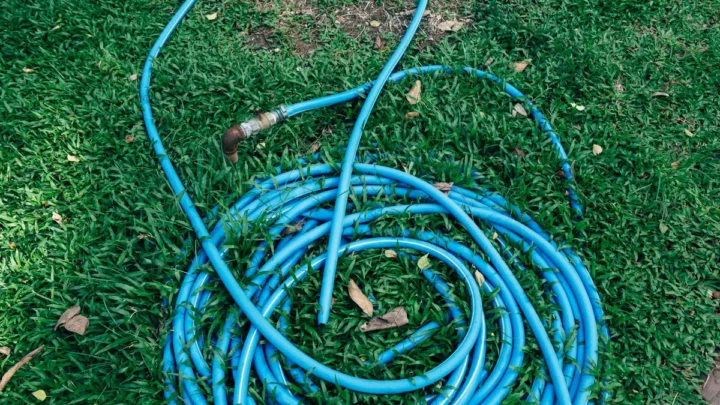
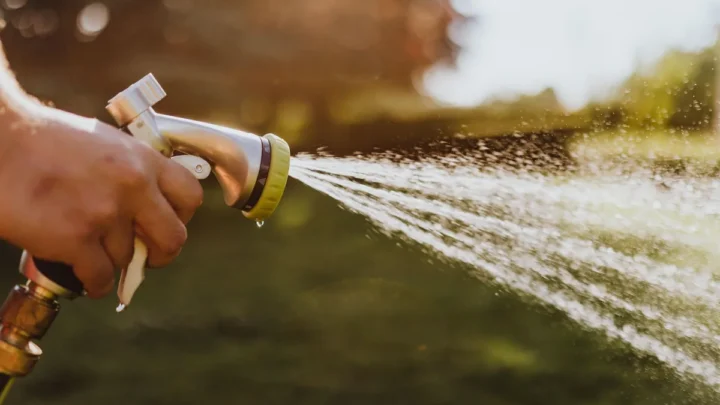
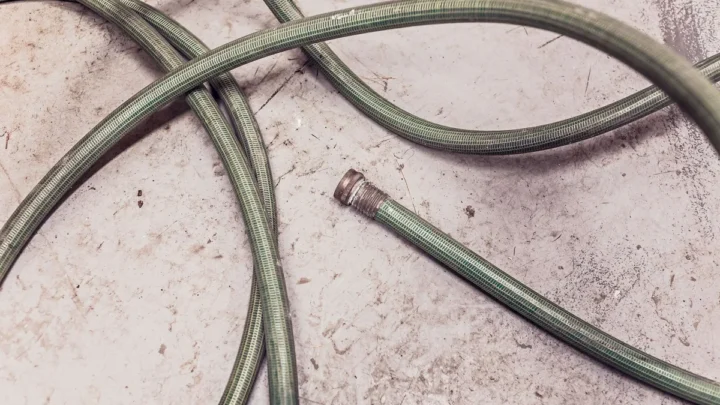
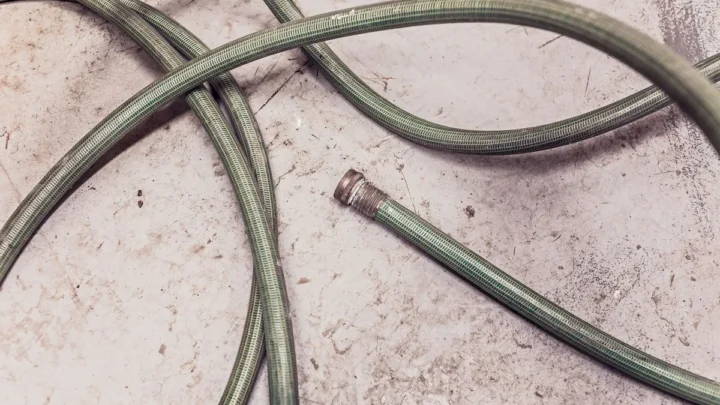
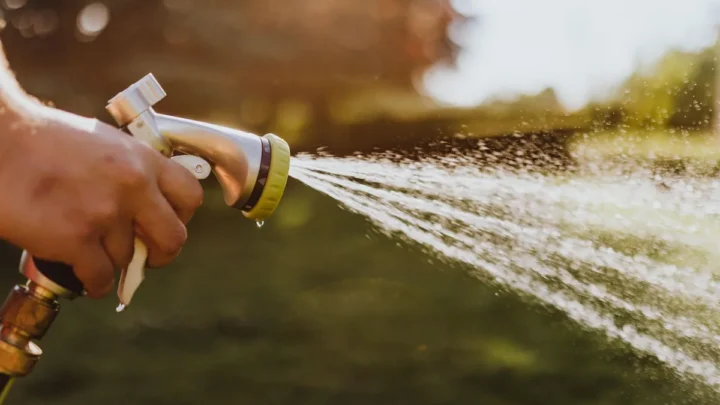
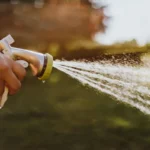
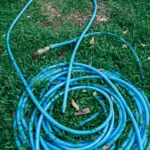
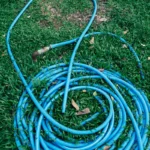
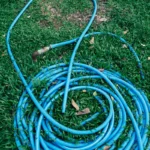
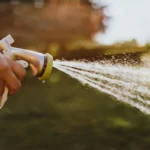
A garden hose is built for short bursts of outdoor use, not constant pressure. You turn the spigot on, water the beds or wash the car, then shut it off. It spends most of its life empty and pressure-free.
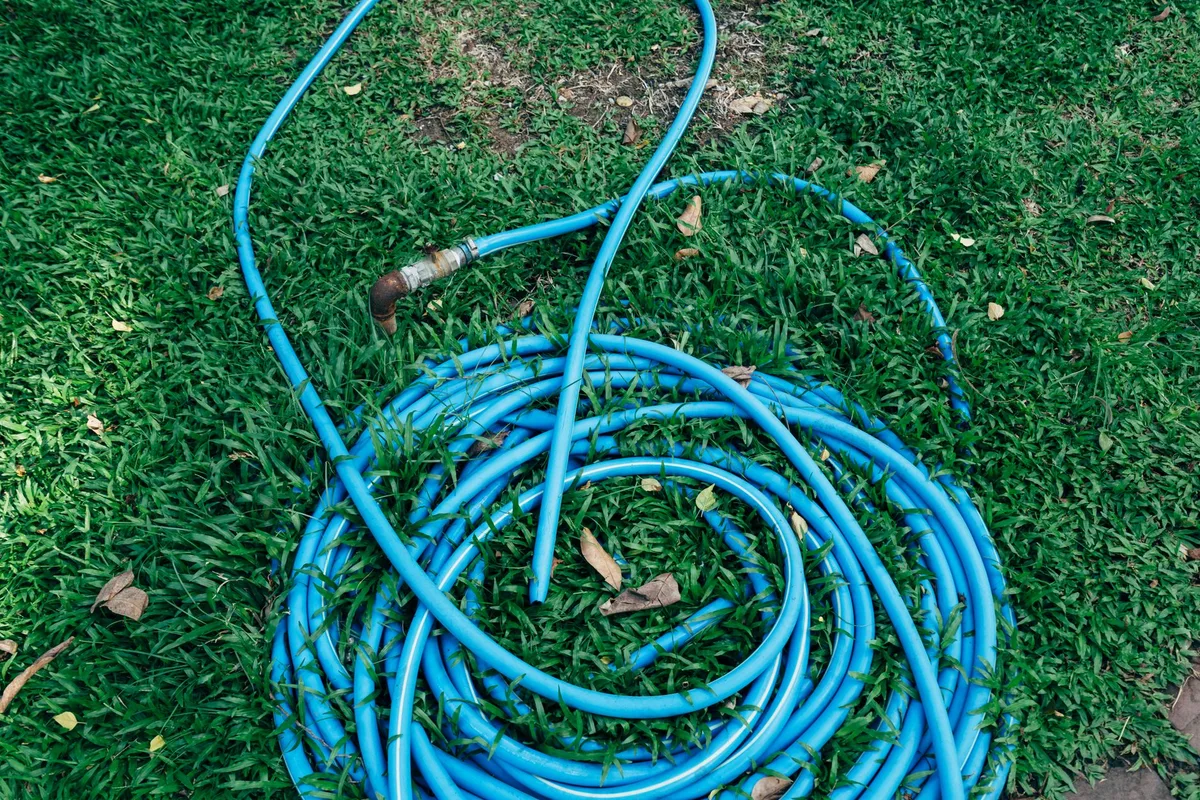
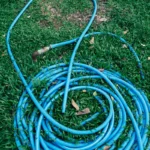
That design shows up in the materials. Many garden hoses use vinyl or a light rubber blend. They're made to resist sunlight and kinking on the lawn, not to sit pressurized behind an appliance for years.
If you're planning your outdoor watering setup, our guide to blending hoses into country-style garden borders pairs well with smart hose storage.
Two more points matter here:
- Water safety: Not every garden hose is potable-rated. Some vinyl hoses can leach taste or odor into the water. Washer hoses are typically made to stricter, drinking-water-safe standards.
- Pressure tolerance: A garden hose often carries a working pressure around 50 PSI. It can survive short spikes, but constant household line pressure wears it out fast.
For seasonal outdoor projects, tucking hose reels behind creative fence screening keeps them out of the sun and lasting longer.
Washing Machine Hose vs. Garden Hose: Side-by-Side Comparison
Put the two next to each other and the gap gets obvious. The thread matches. Almost nothing else does.
| Factor | Washing Machine Fill Hose | Garden Hose |
|---|---|---|
| Pressure duty | Constant, always-on | Occasional, on-demand |
| Burst rating | Often 500+ PSI (braided) | Frequently rated near 50 PSI working |
| Hot water | Rated for hot and cold | Cold use only |
| Water safety | Made to potable, lead-free standards | Not always drinking-water safe |
| Typical length | 4 to 6 ft | 25 to 100 ft |
| Fitting | ¾ inch GHT | ¾ inch GHT |
Pressure Ratings and Burst Strength
This is the dealbreaker. Household water pressure typically sits at 40 to 80 PSI, and static spikes can push higher. A washer hose is engineered to hold that load indefinitely.
A garden hose left under constant pressure is being used far outside its comfort zone.
Materials and Water Safety
Washer hoses use EPDM rubber cores and, on braided models, a stainless jacket. Many meet standards like NSF/ANSI 61 for drinking-water components. The U.S.
Environmental Protection Agency also sets lead-free rules for plumbing that touches potable water, which you can read about at the EPA's site. Garden hoses simply aren't held to the same bar.
Fittings, Threads, and Fit
Both ends use the same ¾ inch, 11.5 NH thread, so they interchange physically. Each connection relies on a rubber washer to seal. The catch is that a matching thread creates a false sense of safety.
The hose can seal perfectly and still be the wrong tool for the job.
The Real Risk of Using a Garden Hose on Your Washer
The biggest risk is a burst that floods your home. A garden hose sitting under constant line pressure fatigues over time. When it lets go, water pours out at full pressure until someone shuts the valve.
That failure rarely happens while you're watching. It tends to strike mid-cycle or overnight. A single burst can push dozens of gallons an hour across the floor.
There's a slower danger too. A garden hose can weep tiny leaks at the fitting long before it bursts. That steady dampness feeds mold behind the machine and rots subfloor over months.
Insurance is the other sting. Many water-damage claims trace back to failed supply lines. Using a hose that wasn't rated for the job can complicate how a claim gets handled.
When a Garden Hose Might Be Okay (and When It's Never Worth It)
A garden hose is only acceptable for a quick, supervised, temporary hookup. Think of filling a portable washer once while you stand right there. The moment you walk away, that logic falls apart.
Here's the simple rule:
- If you're present, watching, and shut the valve right after: a short garden hose run can pass in a pinch.
- If the hose stays connected under pressure unattended: never do it, full stop.
- If the line carries hot water: skip the garden hose entirely, since it isn't heat-rated.
Even in the "okay" case, the smarter move is a proper hose. A braided fill hose costs little and removes the guesswork. The saving from reusing an old garden hose almost never justifies the flood risk.
How to Swap or Replace a Washing Machine Hose the Right Way
Replacing a fill hose takes about ten minutes and a towel. Work slowly and check every connection before you trust it.
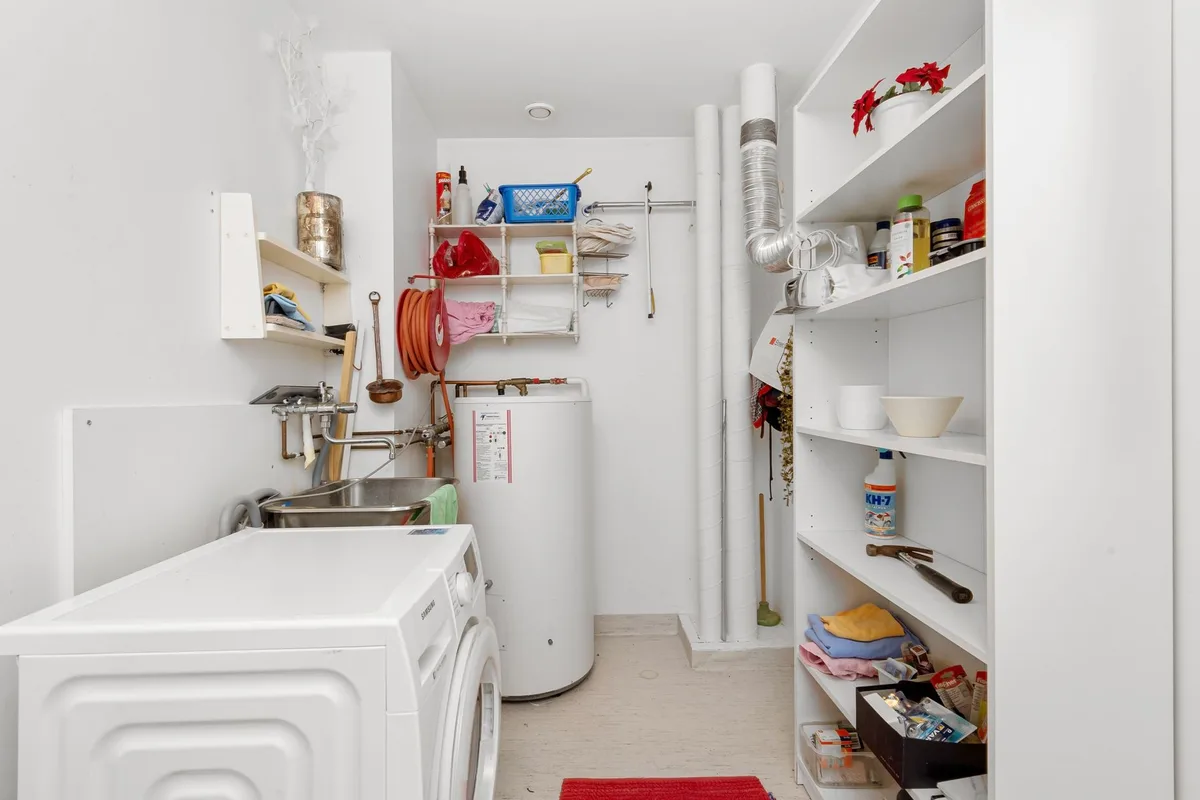
Follow these steps:
- Turn off both hot and cold supply valves at the wall.
- Run a rinse cycle briefly to bleed off pressure, then unplug the machine.
- Place a towel and shallow pan under the connections to catch drips.
- Unscrew the old hoses from the wall and the machine by hand or with pliers.
- Check that a fresh rubber washer sits inside each new fitting.
- Hand-tighten each end, then add just a quarter turn with pliers.
- Reopen the valves slowly and watch every joint for beads of water.
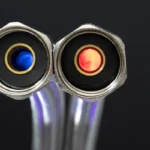
Match the colors so the job stays clear. Red band to hot, blue band to cold. If a fitting keeps seeping, back it off and reseat the washer rather than cranking harder.
Mistakes That Lead to Leaks and Flooding
Most laundry floods trace back to a handful of avoidable errors. Knowing them saves you a soaked floor.
- Over-tightening fittings: Crushing the plastic threads cracks them and starts a slow leak. Snug plus a quarter turn is enough.
- Skipping the rubber washer: A missing or torn washer will weep every time. Always confirm one is seated.
- Reusing a kinked old hose: A permanent bend weakens the wall and traps pressure at the fold.
- Ignoring age: Manufacturer guidance points to replacing hoses roughly every five years, even braided ones.
- Leaving valves open on vacation: Constant pressure with nobody home is how small leaks become big ones.
One more quiet mistake is mixing up the drain hose and the fill hose. The drain hose carries used water out and is not under supply pressure. Don't swap their roles.
Pro Tips to Keep Your Laundry Connection Leak-Free for Years
A few habits keep the whole setup dry and boring, which is exactly what you want. None of them take real effort.
- Inspect twice a year: Feel behind the machine for damp spots. Look for bulges, rust, or a chalky crust at the fittings.
- Shut valves when away: Close both supply valves before any trip longer than a weekend.
- Leave a finger gap: Keep the machine a few inches off the wall so hoses don't kink against it.
- Upgrade to auto-shutoff: On upper floors, a burst-safe hose is cheap insurance against a ceiling collapse.
- Log the install date: Write the month on a piece of tape near the valve so you know when five years is up.
If your washer sits in a garage or an unheated space, watch for cold snaps. A hose that freezes can split the same way an outdoor line does. In borderline climates, insulate the line or keep the room above freezing.
The same seasonal care that protects outdoor watering lines applies indoors here.
Cost, Sizes, and Specs Worth Knowing Before You Buy
A proper fill hose is one of the cheapest safety upgrades in your home. As of 2026, a braided pair usually runs a few dollars each. That's pocket change against a flood.
Sizing is simple once you know the numbers. Fittings are the standard ¾ inch GHT. Length is what varies most, so measure before you buy.
| Spec | Typical value |
|---|---|
| Fitting thread | ¾ inch, 11.5 NH (GHT) |
| Common length | 4, 5, or 6 ft |
| Braided burst rating | 500+ PSI |
| Recommended lifespan | About 5 years |
| Colors | Red band (hot), blue band (cold) |
Buy a hose slightly longer than the gap you're bridging. A short, taut hose strains the fittings. A little slack lets the machine sit flush without pulling.
Our wider home and garden write-ups cover more of these small upgrades.
Best Hose for Each Situation
The right hose depends on where your washer lives and how often it runs. Here's the quick match.
- Ground-floor laundry, tight budget: A reinforced rubber (EPDM) fill hose does the job. Inspect it yearly.
- Most homes: A braided stainless steel pair. It's the reliable default for kink and burst resistance.
- Upstairs or over finished rooms: An auto-shutoff braided hose. The burst valve protects the ceiling below.
- Cold garage or unheated utility room: A braided hose plus line insulation to guard against freezing.
- Portable or countertop washer: A short braided hose, connected only while you're present.
The one option that never makes this list is a garden hose on a permanent connection. It fits, but it doesn't belong. Even the cheapest purpose-built hose beats it on every measure that matters.
Frequently Asked Questions
Can I use a garden hose to fill my washing machine temporarily?
Only for a brief, supervised fill while you stand right there. Shut the valve the moment you're done. Never leave a garden hose connected under pressure unattended, and never use one on the hot line.
For anything ongoing, fit a proper braided hose instead.
How often should I replace washing machine hoses?
About every five years, even braided stainless steel ones. Rubber ages and stiffens from the inside where you can't see it. Replace sooner if you spot bulges, rust, cracks, or any dampness at the fittings.
Writing the install date on nearby tape makes the timeline easy to track.
Are all washing machine hoses the same size?
Almost. Nearly all use the same ¾ inch GHT fitting, so they interchange at the connection. What changes is length, usually 4 to 6 feet, and the build, either rubber or braided.
Measure the gap behind your machine and pick a hose with a little slack.
What's the difference between the fill hose and the drain hose?
The fill hose brings clean water in under supply pressure and uses threaded fittings. The drain hose carries used water out and simply hooks over a standpipe or sink. They are not interchangeable.
Never connect a drain hose to a pressurized supply valve.
Do braided hoses really prevent floods?
They lower the risk sharply but aren't magic. The stainless braid resists bulging and bursting far better than plain rubber. For real flood protection, pair a braided hose with an auto-shutoff fitting.
You can find more small-space safety tips across our indoor gardening guides too.
The Verdict: Which Hose Belongs on Your Washer
A purpose-built fill hose belongs on your washer, not a garden hose. They share a thread and nothing that actually keeps water where it should be. One is engineered for constant pressure and hot water.
The other is built to sprinkle the lawn on a Sunday.
Spend the few dollars on a braided stainless steel pair. Add an auto-shutoff fitting if your laundry sits anywhere above a finished room. Check the connections twice a year and swap the hoses around the five-year mark.
Do that, and your laundry hookup stays quiet and dry for years. That's the whole goal here. The cheapest flood is the one that never happens.

Similar Posts