Are Steel Garden Hoses Any Good? What You Should Know

If you're staring at yet another kinked, split vinyl hose and wondering are steel garden hoses any good, you're asking the right question. These metal-braided hoses promise no kinks, no chew marks, and years of hard use. Some of that holds up well.
Some of it is pure marketing.
Here's the honest starting point. Most hoses sold as "steel" are really a 304 stainless steel outer sleeve wrapped around a plastic or rubber inner tube. As of 2026, they typically run $30 to $70 for a 50-foot length.
Manufacturer specs confirm the braid is the tough part. But the hidden liner is what decides how long the hose actually lasts.
Quick Answer
Steel garden hoses are good for most home gardeners. The stainless braid resists kinks, punctures, and pet chewing. They're lighter than heavy rubber and easy to drag.
The weak spot is the inner liner, not the metal. They also get hot in direct sun. Buy one with brass fittings for the best value.
What a "Steel" Garden Hose Really Is (Hint: It's Usually Stainless)
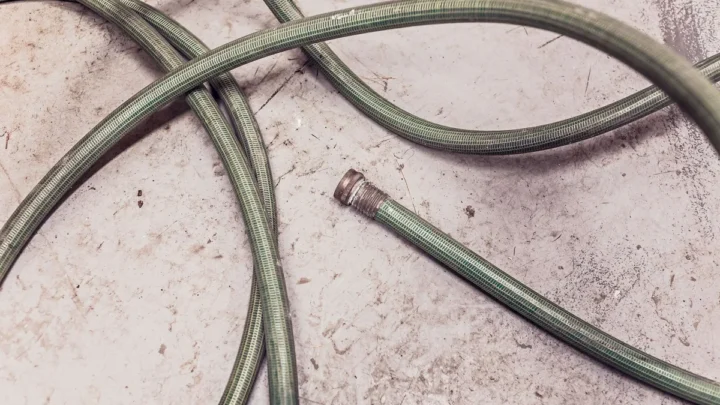
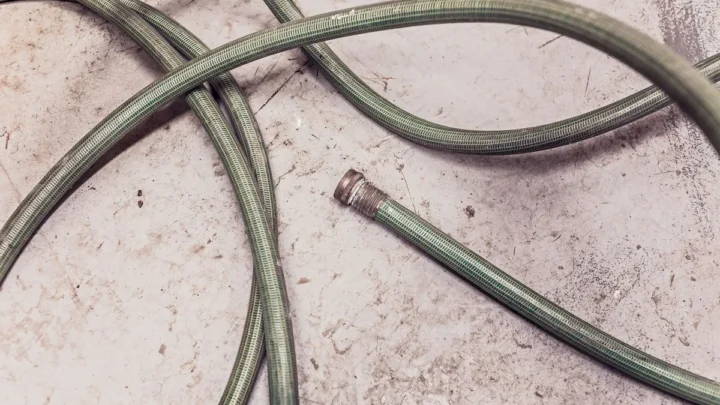
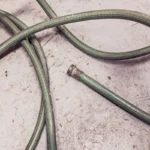
A "steel" garden hose is almost never solid steel. The metal you see is a flexible stainless steel mesh sleeve. Inside that sleeve sits a plastic or rubber tube that actually carries the water.
That outer braid is usually 304 stainless steel. It's the same grade used in kitchen sinks and cookware. It resists rust, shrugs off scrapes, and stops rodents and dogs from biting through.
Some premium hoses use 316 stainless, a marine grade that handles salt air better near the coast.
Why does this matter to you? Because the marketing shouts about the metal, but the liner is the part that fails first. If the inner tube is cheap PVC, the hose won't last no matter how tough the braid looks.
Here's the quick breakdown of what's inside a typical metal hose:
- Outer sleeve: interlocked 304 or 316 stainless steel mesh
- Inner tube: TPE, PVC, or rubber that holds the water
- End fittings: brass, aluminum, or zinc couplings
- Optional shut-off valve or nozzle at the tip
So when someone asks if the hose is "steel," the honest answer is that the strength is steel and the plumbing is plastic. Keep that split in mind. It explains almost every pro and con that follows.
How the Metal Braid and Inner Liner Work Together
The braid and the liner do two different jobs. The stainless mesh takes the abuse. The inner tube handles the water pressure.
Together, you get a hose that resists kinks without splitting.
Think of the mesh as armor. It won't kink because the interlocked metal links can't fold flat the way a vinyl wall does. That's the single biggest reason people switch.
No more walking back to untwist a knot mid-watering.
The liner is where the real lifespan lives. Cheaper hoses use thin PVC that cracks after a few freeze cycles. Better ones use a thicker TPE or rubber tube rated for higher burst pressure.
Many models advertise burst ratings above 500 PSI, though most home taps push well under 80 PSI.
One thing our research keeps flagging: the braid often outlives the liner by years. When a metal hose finally fails, it's usually the inner tube leaking or a fitting gasket giving out. The steel part is frequently still fine.
If you like tidy outdoor gear, our roundup of ways to dress up a plain boundary pairs well with a hose that coils away neatly.
The Real Pros and Cons of Stainless Steel Hoses
Steel garden hoses shine in some areas and stumble in others. Aggregate reviews paint a clear picture once you cut through the hype. Let's split it honestly.
Where They Genuinely Shine
- No kinks, thanks to the rigid metal braid
- Puncture and chew resistant, great for pet owners
- Lightweight and easy to drag over concrete or gravel
- Won't rot, mildew, or crack in UV like old rubber
- Tangle-free storage with no coil "memory"
- No plasticky smell that new vinyl hoses give off
Where the Marketing Falls Apart
- The metal heats up fast in direct sun and can burn bare hands
- Cheaper models crush flat if a car rolls over them
- Budget hoses leak at the fittings straight out of the box
- They won't lie flat or hold a neat coil shape
- Many are cold-water only and not drinking-water safe
- "Lifetime" claims usually cover the braid, not the liner
Here's a simple way to read that list. The pros are about toughness and convenience. The cons are almost all about heat, cheap parts, or overblown promises.
Buy a quality hose and most cons shrink. Buy the cheapest one online and you'll meet every drawback fast.
For beds and borders where you drag a hose daily, planning your layout helps too. These planting-bed border touches keep the hose path clear so the braid doesn't snag on edging.
Steel vs. Rubber vs. Vinyl vs. Expandable Hoses
No hose wins every category. The best pick depends on how you water and where you store it. Here's how the four main types stack up.
| Hose type | Kink resistance | Weight | Lifespan | Best for |
|---|---|---|---|---|
| Stainless steel | Excellent | Light | Good if liner holds | Pet owners, kink-haters, easy dragging |
| Rubber | Good | Heavy | Excellent | Hot water, heavy-duty daily use |
| Vinyl / PVC | Poor | Light | Fair | Light watering, tight budgets |
| Expandable | Good | Very light | Fair | Small yards, easy storage |
Rubber is still the toughness king. It handles hot water and years of dragging, but it's heavy and can leave marks on patios.
Vinyl is cheap and light, yet it kinks constantly and splits in the sun. Expandable hoses store tiny and weigh almost nothing, but the outer fabric wears and the inner latex can burst. Steel lands in a sweet spot for people who hate kinks and want light weight without the rubber bulk.
If you're weighing all four, match the hose to your real habits. A rundown of cozy garden setups shows how a lightweight hose fits small, tidy spaces better than a stiff rubber coil.
Who Should Buy a Metal Hose (and Who Shouldn't)
A steel garden hose is a great fit for specific people. It's a poor fit for others. Match it to your situation before you spend.
Buy a stainless steel hose if you:
- Fight kinks every single time you water
- Have a dog that chews or a yard full of thorns
- Drag your hose long distances over rough ground
- Want low-maintenance gear that won't rot or mildew
- Store the hose out of direct sun between uses
Skip it, or think twice, if you:
- Need hot water for cleaning or outdoor chores
- Leave the hose baking in full sun all day
- Want a hose that lies flat and coils neatly
- Use it for drinking water without a potable-rated liner
The U.S. Environmental Protection Agency notes that garden hoses often aren't made for safe drinking water unless labeled as such. You can check the agency's guidance on the official EPA water site.
If you or your pets sip from the hose, only pick a model that clearly states it's lead-free and drinking-water safe.
For most home gardeners, the choice comes down to sun exposure and storage. Keep it shaded and off the ground, and a metal hose earns its keep. Leave it cooking on hot pavers, and you'll wish you bought rubber.
If you're also tidying up the yard's look, these metal grid boundary ideas pair nicely with the clean, modern feel of a stainless hose.
Do Metal Hoses Get Hot, Crush, or Leak? Straight Answers
Yes, metal hoses get hot in direct sun. The stainless braid absorbs heat fast and can feel scalding on bare hands. Grab it by a gloved hand or the fitting on a blazing afternoon.
The heat fades within minutes once water runs through it.
Can they crush? Cheaper models can flatten if a car or heavy mower rolls over them. The braid resists dents better than vinyl, but it's not armor plating.
A quality hose with a thick liner springs back. A thin budget one may pinch and restrict flow.
Do they leak? Leaks almost always start at the fittings, not the hose body. Verified buyer feedback reports drips from cheap zinc couplings that cross-thread or ship without a proper washer.
A fresh rubber gasket usually fixes it in seconds. If the leak is mid-hose, the inner liner has split and the hose needs replacing.
Are Steel Garden Hoses Safe for Drinking Water?
Only if the label says so. The stainless braid is inert, but the water never touches it. Your water flows through the inner plastic tube, and that's where safety is decided.
Many metal hoses use a standard PVC or TPE liner that isn't rated for drinking. Some leach chemicals when they sit in the sun. If you want a hose safe for filling pet bowls or a kid's cup, look for a lead-free liner certified to NSF/ANSI 61.
That standard covers materials in contact with drinking water.
The U.S. Environmental Protection Agency sets lead limits under the Safe Drinking Water Act. Regular garden hoses fall outside those rules unless the maker states otherwise.
When in doubt, treat any unmarked hose as non-potable and let the water run a few seconds before drinking.
What You'll Pay and What the Specs Actually Mean
Expect to spend $30 to $70 for a solid 50-foot stainless hose as of 2026. Below $25, you're usually buying thin steel and a weak liner. Above $70, you're paying for 316 grade, brass ends, or a longer run.
Here's how the common specs translate in plain terms:
| Spec on the box | What it actually tells you |
|---|---|
| 304 vs 316 stainless | 316 resists salt and coastal air better |
| Burst pressure (PSI) | Higher means a tougher inner liner |
| Diameter (5/8" vs 3/4") | 3/4" moves more water for long runs |
| Fitting material | Brass lasts, zinc and aluminum corrode |
| Length (25 to 100 ft) | Longer hoses drop pressure slightly |
Don't get hypnotized by a 500 PSI burst rating. Your outdoor tap rarely pushes past 80 PSI. That number mostly signals liner quality, not something you'll ever test at home.
Warranty terms matter more than headline claims. A "lifetime" warranty often covers only the braid. Read the fine print to see if the liner and fittings are included.
Buying Checklist: Fittings, Grade, and Length That Matter
The fittings make or break a metal hose. Brass couplings seal tight and shrug off corrosion. Zinc and aluminum ends are the first thing to fail on budget models.
If the listing doesn't say brass, assume it isn't.
Run through this quick checklist before you buy:
- Fittings: solid brass, not zinc or aluminum
- Grade: 304 for most yards, 316 near the coast
- Liner: lead-free and NSF-certified if you need potable water
- Length: match it to your longest watering run, plus a little slack
- Diameter: 5/8" for standard use, 3/4" for long distances
- Included gaskets: a spare washer or two is a good sign
Length is where people overspend. A 100-foot hose sounds handy, but it's heavier to drag and drops a bit of pressure. Measure the distance from your tap to the farthest bed and add ten feet.
That slack keeps the hose from straining at the connection.
One more tip from our research: check for a bend-protector or spring near the fittings. That's the spot where metal hoses fatigue first. A reinforced collar there adds real years.
Making a Steel Hose Last: Storage, Winterizing, and Fixes
Storage decides whether your hose lasts two years or ten. The braid is nearly indestructible, so protect the liner instead. Keep it shaded and off hot pavement between uses.
Follow this simple maintenance routine:
- Drain the hose fully after each use so no water sits inside
- Hang it loose on a wide hook, not a tight kink
- Store it out of direct sun to shield the inner tube
- Before winter, drain it and bring it indoors or into a shed
- Inspect the fittings and mesh each spring for fraying
Winterizing is the big one in cold climates. Trapped water freezes, expands, and splits the liner from the inside. Empty the hose, disconnect it, and store it above freezing.
Skip this step and even a great hose dies in one hard frost.
Most repairs are cheap and easy. A leaking end usually needs a fresh rubber washer, not a new hose. If a coupling cross-threads, a brass replacement fitting screws on in minutes.
When the mesh frays or the inner tube splits mid-length, that's the point to replace it.
Mistakes People Make With Metal Garden Hoses
The biggest mistake is buying on price alone. A $15 metal hose almost always has thin steel and zinc ends. It leaks within weeks and sours people on the whole category.
Leaving it coiled in full sun is the second common error. The braid bakes, the liner degrades, and the hose stiffens faster. Store it shaded and it lasts far longer.
A few more slip-ups worth dodging:
- Skipping the washer, then blaming the hose for drips
- Yanking it around sharp corners that fray the mesh
- Leaving water inside through a hard freeze
- Assuming any metal hose is drinking-water safe
Common Questions About Steel Garden Hoses
Do steel garden hoses kink?
No, a quality stainless steel hose won't kink. The interlocked metal braid can't fold flat the way vinyl does. That's the main reason people switch.
Cheap models can still pinch if the liner inside is too thin, so braid quality matters.
How long does a metal garden hose last?
A good one lasts five to ten years with proper storage. The stainless braid rarely fails first. The inner liner and fittings decide the real lifespan.
Drain it, keep it shaded, and winterize it to reach the higher end.
Are steel garden hoses heavy?
No, they're lighter than heavy-duty rubber hoses. A 50-foot stainless hose is easy to drag one-handed. It weighs more than thin vinyl but far less than contractor-grade rubber.
The light weight is a top reason older gardeners prefer them.
Can you leave a metal hose outside in winter?
Only if you drain it completely first. Trapped water freezes and splits the inner liner. Empty the hose, disconnect it, and store it above freezing when possible.
The braid survives the cold fine, but the liner is fragile once it holds ice.
The Verdict: Are Steel Garden Hoses Any Good?
For most home gardeners, yes, they're genuinely good. You get real kink resistance, light weight, and a braid that laughs off dogs, thorns, and dragging. The convenience alone wins people over.
Just buy smart. Spend a bit more for brass fittings and a lead-free liner, keep it out of blazing sun, and drain it before winter. Do that, and a stainless hose easily outlasts the vinyl coils it replaces.
It's not perfect for everyone. Skip it if you need hot water, want a hose that lies flat, or leave your gear cooking on hot pavers all day. Pick the type that matches how you actually water, and you'll be happy for years.

Similar Posts