Tomato Blossoms Dropping in 95°F Heat? Here’s Why
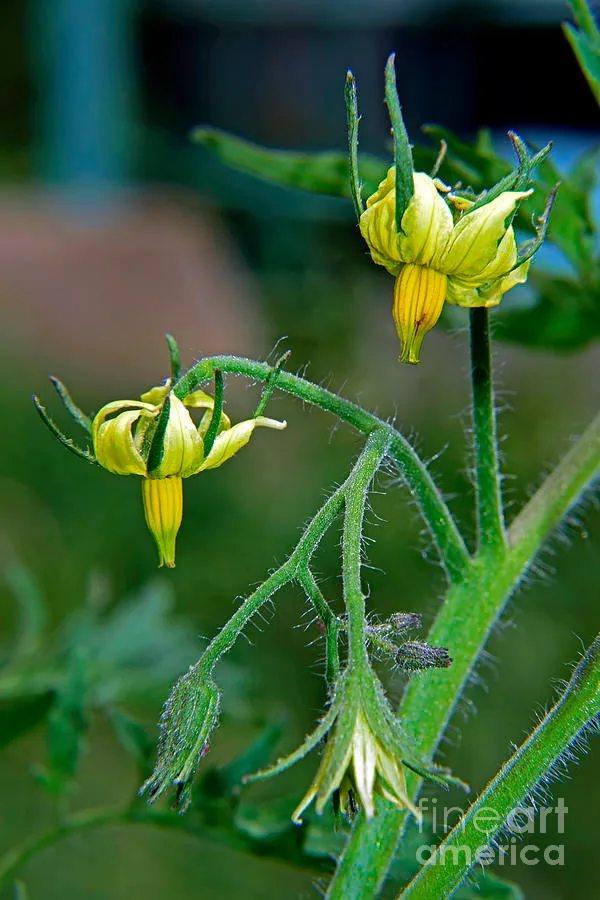
If you're staring at empty flower clusters and wondering, "Are tomato blossoms dropping because it is over 95°F?", the short answer is almost always yes. Sustained daytime highs in the mid-90s (plus warm nights) cause tomato pollen to fail. The plant then drops the unfertilized flowers.
It's frustrating, but it's not a disease, and the plants themselves are usually fine.
Aggregate research from university extension programs points to a clear threshold. Fruit set drops sharply once daytime temps stay above 90°F or nighttime lows stay above 75°F. At 95°F, most standard varieties hit full pollen sterility within hours.
That's the mechanism worth understanding first, so as of 2026 you can diagnose it accurately and take the right action this week.
Quick Answer
Yes. Tomato blossoms drop when daytime temperatures stay above 90°F to 95°F for several days. Pollen becomes sterile above roughly 95°F.
Nighttime lows above 75°F make it worse. The plant aborts unfertilized flowers to save energy. Fruit set usually resumes within two to three weeks after the heat breaks.
Yes, 95°F Heat Is Almost Certainly Why Your Tomato Blossoms Are Dropping
Here's the straight answer. If your daytime highs have been sitting at 95°F or hotter for more than a couple of days, heat is the most likely cause. This is one of the best-documented responses in tomato horticulture.
The plant isn't dying. It's not sick. It's making a survival choice.
When pollen can't fertilize the ovule, the flower has no future. So the plant sheds it and pushes energy into leaves, roots, and any fruit already set.
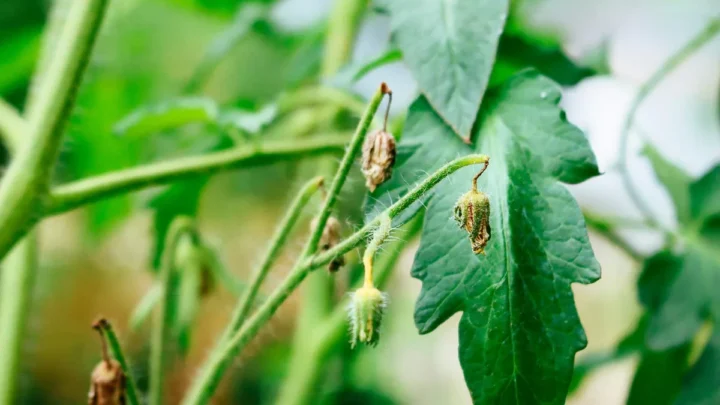
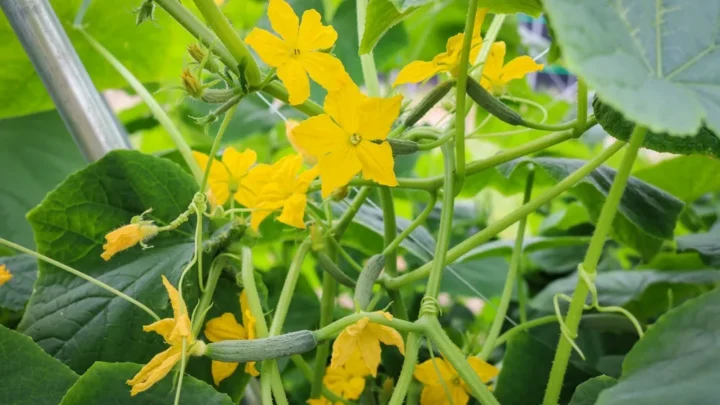
You'll usually see the pattern hit whole trusses at once. The little yellow flowers turn pale. The pedicel (the tiny stem holding each flower) develops a weak joint.
Within a day or two, the blossoms fall clean off.
A few quick tells that heat is the culprit:
- Blossom drop started during or right after a heatwave
- Overnight lows have stayed above 72°F to 75°F
- Foliage looks otherwise green and healthy
- Existing fruit continues to ripen normally
- Other gardeners nearby report the same problem
If any three of those match your situation, you can stop guessing. It's the heat.
The Real Temperature Thresholds That Trigger Blossom Drop
Most gardening advice throws out one number and calls it a day. The truth is more useful. Tomato fruit set depends on a range, not a single ceiling, and that range shifts with variety and humidity.
Here's what the research from Texas A&M AgriLife Extension and university horticulture programs consistently reports:
| Condition | Optimal Range | Blossom Drop Risk |
|---|---|---|
| Daytime high | 70°F to 85°F | Above 90°F, sharp above 95°F |
| Nighttime low | 55°F to 70°F | Above 72°F, severe above 75°F |
| Relative humidity | 40% to 70% | Below 40% or above 70% |
| Soil temperature | 65°F to 75°F | Above 85°F stresses roots |
Above 95°F, pollen viability drops fast. By the time you hit 100°F, most standard slicers can't set fruit at all until things cool.
Daytime Highs vs Nighttime Lows, Which Matters More
Nighttime temperatures matter more than most gardeners realize. Tomatoes do a lot of their metabolic work at night. Warm nights force the plant to burn through sugars it should be storing.
When the low stays above 75°F for several nights, pollen in the next round of buds is already compromised. That's why blossom drop can continue for a week or two after a heatwave breaks. You're seeing buds that formed during the hot nights.
If you can only fix one variable, focus on cooling the root zone and canopy overnight. Deep mulching, evening leaf-misting in dry climates, and afternoon shade all help drop nighttime canopy temperatures by a few critical degrees.
Why Humidity Swings Make the Heat Worse
Humidity is the sneaky part. Too dry and the stigma (the sticky pollen-receiving tip inside the flower) shrivels before pollen can germinate. Too wet and pollen clumps together, so it can't move from the anther to the stigma.
- Below 40% humidity: pollen dries out, stigma shrivels
- 40% to 70% humidity: sweet spot for fruit set
- Above 70% humidity: pollen sticks, poor release from the anther cone
Desert Southwest gardeners fight the dry side. Gulf Coast and Florida growers fight the sticky side. Both get worse the hotter it gets.
How Extreme Heat Actually Kills Tomato Pollen
To fix the problem, it helps to know what's happening inside the flower. Tomato flowers are self-pollinating, so each flower carries both the male anther cone and the female stigma. A little wind or a buzzing bee shakes pollen loose, and it lands on the stigma to fertilize the ovule.
Heat breaks that process in three specific ways.
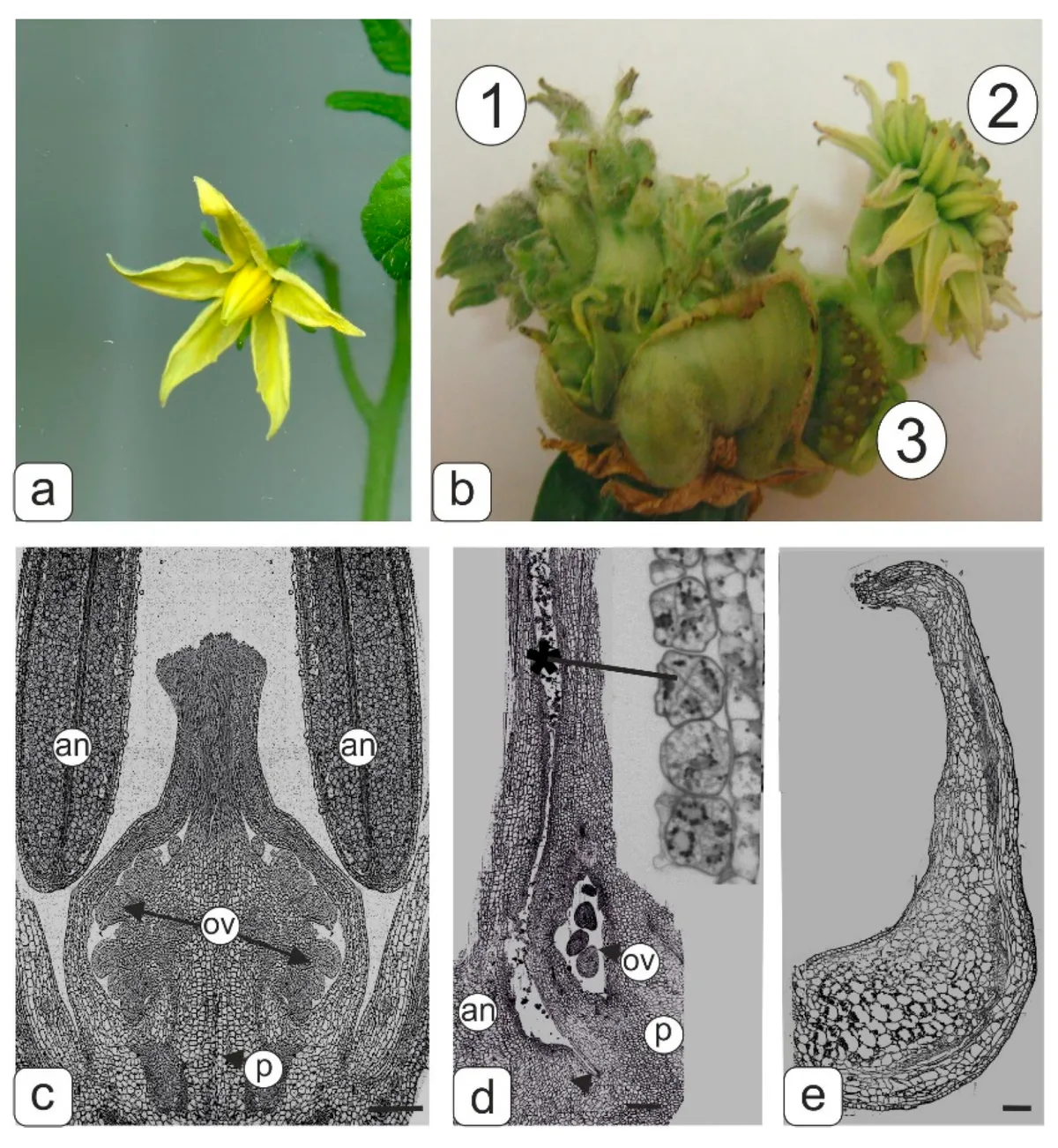
First, heat damages pollen formation before the flower even opens. Buds that develop during a stretch of 95°F-plus days often produce pollen that's already sterile when the flower opens a week later. That's why blossom drop can lag behind a heatwave.
Second, heat slows pollen tube growth. Even if pollen lands on the stigma, the tube that carries the sperm cell to the ovule stalls above 95°F. No pollen tube, no fertilization.
Third, heat activates the flower's abscission zone early. Once the plant senses fertilization has failed, it releases the flower rather than waste resources.
A few practical notes:
- Damage happens at the bud stage, so you're often two weeks behind what you can see
- Once pollen is sterile, no amount of hand-pollinating fixes that flower
- New flowers formed after temps drop set fruit normally
- Cherry and small-fruited types often keep setting later than beefsteaks
Signs It's Heat Stress and Not Something Else
Heat is the most common cause of summer blossom drop, but not the only cause. Before you write off the season, run through the differential.
The classic heat-stress pattern looks like this:
- Whole flower clusters drop within a day or two
- Timing lines up with a heatwave in the past 5 to 10 days
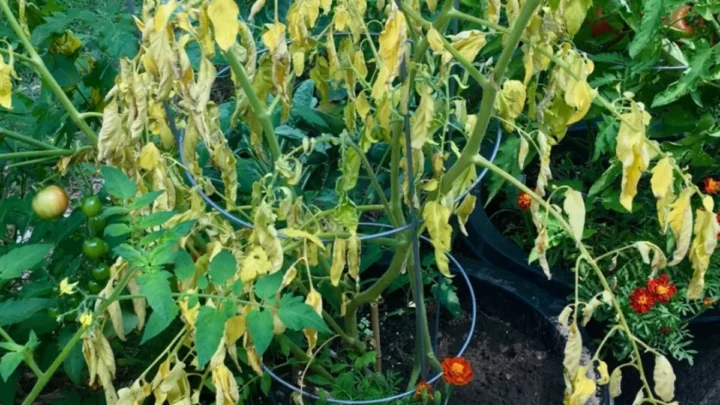
- Leaves may curl upward in the afternoon but recover overnight
- Plant is still growing new stems and leaves
- Fruit set before the heat continues to develop
Now the impostors. Compare against these to be sure.
Blossom Drop vs Blossom End Rot vs Catfacing
These three get mixed up constantly. They're different problems with different fixes.
| Symptom | What You See | Main Cause |
|---|---|---|
| Blossom drop | Flowers fall off, no fruit forms | Heat, cold, humidity, stress |
| Blossom end rot | Fruit forms but has sunken black patch on the bottom | Calcium delivery failure from uneven watering |
| Catfacing | Fruit forms but is misshapen or scarred | Cold snap during flowering, herbicide drift |
Blossom drop means no fruit at all. Blossom end rot means fruit that rots on the bottom. Catfacing means weird-looking fruit.
Other things that can mimic heat-driven blossom drop:
- Too much nitrogen fertilizer, which drives leafy growth
- Very low light from days of heavy cloud cover
- Water stress from containers drying out completely
- Pest pressure (thrips, mites) damaging young flowers
- Sudden cold snap below 55°F at night early in the season
If temps have been reasonable and blossoms are still dropping, work through those before assuming heat.
Quick Diagnostic: Walk Through These Questions Before You Blame the Heat
Use this as a five-minute check.
- What have the last 7 days of daytime highs been? , Mostly above 92°F, heat is a strong suspect.
, Under 88°F, look elsewhere.
- What have the last 7 nights of lows been? , Above 75°F, heat is almost certainly a factor.
, Below 70°F, nights are fine.
- Are the dropped flowers open blossoms or unopened buds? , Open blossoms falling means fertilization failed.
, Unopened buds falling points to nitrogen excess, pest damage, or water stress.
- Have you fertilized recently, and with what? , High-nitrogen feed can trigger flower drop even in mild weather.
, Switch to a bloom-forward formula like 5-10-10 or 4-6-8.
- How's your watering rhythm? , Deep, consistent watering supports fruit set.
, Wild swings between dry and soaked drop flowers.
- Any pest pressure on the flowers? , Check for thrips, tomato russet mites, or aphid clusters near trusses.
, Distorted flowers point to pests, not weather.
- Is the variety a heat-set type or a standard one? , Standard slicers and beefsteaks tank at 95°F.
, Heat-set varieties hold up better but still struggle past 100°F.
If questions 1 and 2 both come back hot, you have your answer. If not, look at feed, water, or pests before you resign yourself to waiting out the weather. Guidance from the USDA Agricultural Research Service and university extension programs backs up this order of operations.
What to Do Right Now During a Heatwave
You can't cool the sky, but you can cool the plant. Buy the plants a few degrees of relief in the canopy and root zone. Any new buds forming this week will produce viable pollen next week.
Focus effort on the hottest hours, roughly 11 a.m. to 5 p.m. That's when pollen damage happens fastest and leaf temps can run 10°F to 15°F above air temperature. Small changes here pay off within two weeks.
Shade Cloth, Mulch, and Watering Adjustments
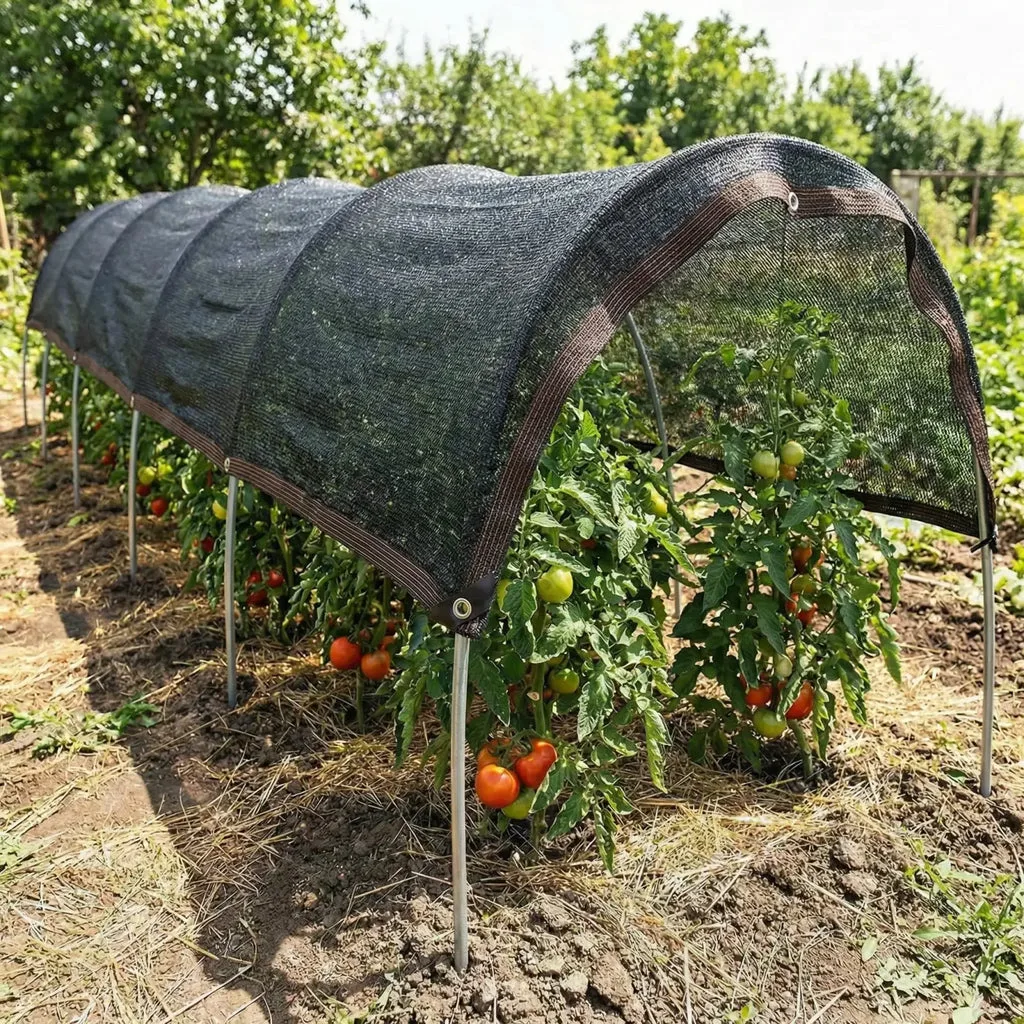
Shade cloth is the single highest-leverage move. A 30% to 50% shade cloth stretched over hoops can drop canopy temperature by 10°F to 15°F. Keep it a foot or two above the plants so air still moves through.
- Use 30% shade for humid climates so you don't cut airflow too much
- Use 40% to 50% shade for desert and inland heat
- Remove or lift the cloth once highs fall back below 90°F
- Prioritize afternoon shade over morning shade
Mulch is next. A 2 to 4 inch layer of straw, shredded leaves, or wood chips drops soil temperature by 8°F to 12°F. That keeps roots working overnight.
Water deeply in the early morning, once every one to three days depending on soil. Target 1 to 2 inches per week total. Shallow daily sprinkles train roots to stay near the surface, the opposite of what you want in a heatwave.
Hand-Pollinating When Bees Disappear
Pollinators go quiet above 95°F, so give the viable flowers a nudge. Tomatoes need vibration to release pollen from the anther cone.
- Tap the main stem or truss with your finger midmorning
- Touch an electric toothbrush to the back of each flower for 1 to 2 seconds
- Skip midday, pollen is often dead by then
- Focus on newer, higher clusters that formed after the shade went up
Hand-pollinating won't rescue heat-sterilized pollen. It will pull every bit of yield out of flowers that still have viable pollen.
Heat-Tolerant Tomato Varieties Worth Switching To
If your summers regularly climb past 95°F, the fastest permanent fix is variety selection. Heat-set tomatoes were bred to keep setting fruit at temperatures where standard varieties quit.
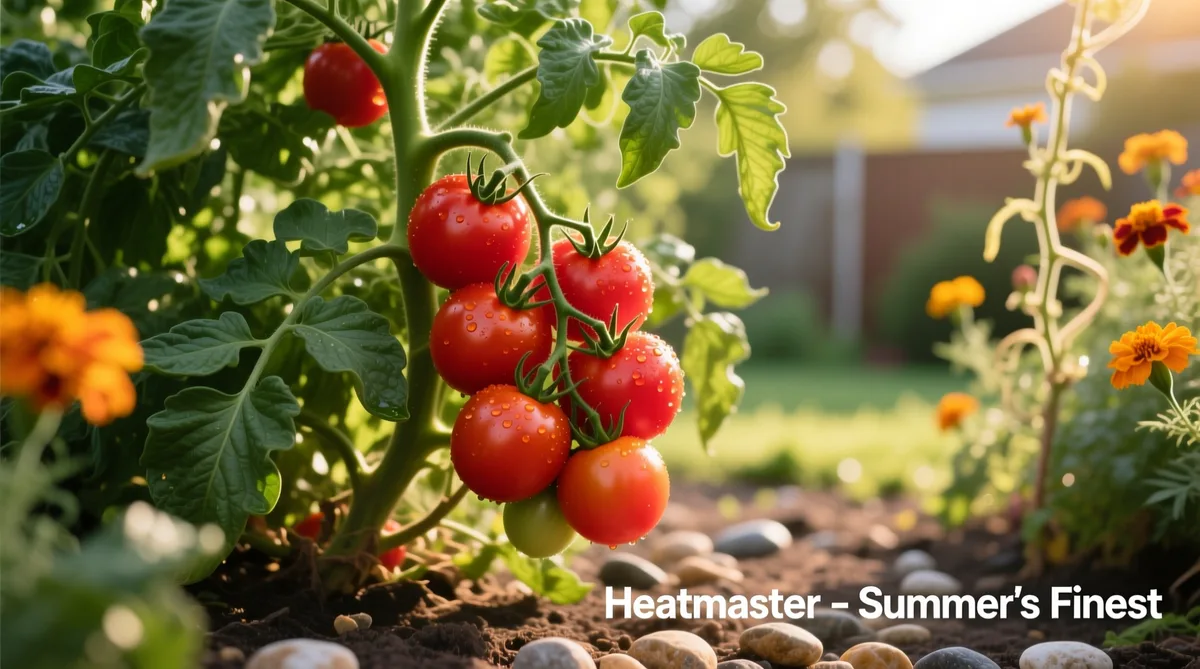
These varieties don't ignore heat, they just hold on longer. Most keep setting fruit until daytime highs push past 100°F. Some tolerate warm nights that would shut down a beefsteak.
| Variety | Type | Notable Trait |
|---|---|---|
| Heatmaster | Determinate hybrid | Reliable set to 95°F+, medium slicer |
| Solar Fire | Determinate hybrid | Bred in Florida for heat and humidity |
| Florida 91 | Determinate hybrid | Sets fruit in high heat, disease resistant |
| Phoenix | Determinate hybrid | Consistent large fruit in Southern heat |
| Heatwave II | Determinate hybrid | Improved heat set, softball-sized fruit |
| Sun Leaper | Determinate hybrid | Compact plant, holds set through warm nights |
| Talladega | Determinate hybrid | Solid set in Gulf Coast conditions |
Cherry and grape tomatoes shrug off heat better than beefsteaks. Sungold, Sweet 100, Juliet, and Sun Gold are common holdouts through mid-summer.
For most hot-climate gardeners, mix it up. Grow one or two heat-set slicers for reliable summer production. Keep a cherry or two for the never-give-up harvest.
Save picky heirlooms like Brandywine or Cherokee Purple for spring and fall windows when highs stay under 90°F.
Mistakes That Make Blossom Drop Worse
Some panic moves during a heatwave add stress. Skip these to keep plants healthier through recovery.
- Heavy pruning midsummer, which exposes fruit and stems to sunscald
- Feeding with high-nitrogen fertilizer, which drives leafy growth
- Overhead watering in the afternoon, which wets leaves and invites disease
- Letting containers dry out completely, since pots swing between extremes fast
- Spraying flowers with cold water to "cool them off," which can cause shock
- Ignoring nighttime temps and focusing only on daytime highs
- Ripping out plants that look stalled, they usually recover in two to three weeks
Skip the blossom-set hormone sprays for heat-driven drop. They can help with cool-weather set, not sterilized pollen. Aggregate research from university trials shows little to no benefit in extreme heat.
One more quiet mistake. Fertilizing hard the moment flowers reappear. Ease back in with a balanced or low-nitrogen feed once fruit actually sets, not just when flowers open.
When Your Plants Will Start Setting Fruit Again
Recovery follows a predictable arc once the weather breaks. Because pollen damage happens at the bud stage, there's a built-in lag between cooler weather and visible fruit.
- Days 1 to 3 after highs drop below 90°F: plant perks up, existing fruit sizes
- Days 4 to 10: new flowers open with viable pollen for the first time in weeks
- Days 10 to 21: visible fruit set, small green tomatoes appear
- Weeks 3 to 6: full flush if the cool window holds
Warm nights are the last domino to fall. If lows stay above 72°F after highs cool, expect recovery to stretch closer to three weeks. Coastal gardeners often see this pattern from August into early September.
A quick post-heatwave checklist:
- Light prune of dead or heavily damaged foliage
- Feed with a balanced tomato fertilizer at half strength
- Restore deep watering, drop back to 1 inch per week if humidity climbs
- Leave shade cloth up if another heat spike is forecast within a week
- Watch for pest surges (whiteflies, spider mites) that took hold during stress
Don't pull the plants. Most indeterminate varieties produce their heaviest flush in late summer and early fall.
Long-Term Fixes for Gardeners in Hot Climates
If your summers regularly break 95°F, plan next season around the heat. USDA Hardiness Zones 8 through 11 and AHS Heat Zones 8 through 12 usually need this playbook.
- Grow two shorter seasons. Transplant in early spring for May to June, then again in July for September to November.
- Choose heat-set varieties by default for the summer slot.
- Site beds where they get morning sun and afternoon shade.
- Install permanent shade cloth frames you can deploy in a few minutes.
- Add 3 to 5 inches of compost each year to hold moisture and buffer temperature swings.
- Run drip irrigation on a timer for consistent watering when you're away.
- Use light-colored mulches (straw, dried grass) that reflect heat instead of dark plastic that absorbs it.
Container growers have one more lever. Larger pots (15 gallons plus) hold moisture and buffer heat better than 5 gallon pots. Light-colored fabric pots outperform black plastic in direct sun.
Frequently Asked Questions
Can I still get tomatoes if highs are above 95°F every day?
Not from the current flowers. Once temps break, new blossoms formed during the cooldown will set fruit within two to three weeks.
Do heat-tolerant varieties fully solve the problem?
They push the ceiling to about 100°F but still slow above that. Pair them with shade cloth for best summer results.
Should I pull plants that stopped setting fruit?
No. Most plants restart production in late summer or early fall once nights drop below 72°F.
Does a blossom-set spray work in a heatwave?
Not for heat-driven drop. Sprays help cool-weather set, not heat-sterilized pollen.
Your Decision Guide: Save This Season or Plan for the Next
If your heatwave is short, add shade cloth, mulch deep, water in the morning, and wait it out. If your summers regularly hit 95°F, switch to heat-set varieties and split the season into spring and fall windows.

Similar Posts