Why Your Pepper Leaves Turn Yellow and Growth Stalls
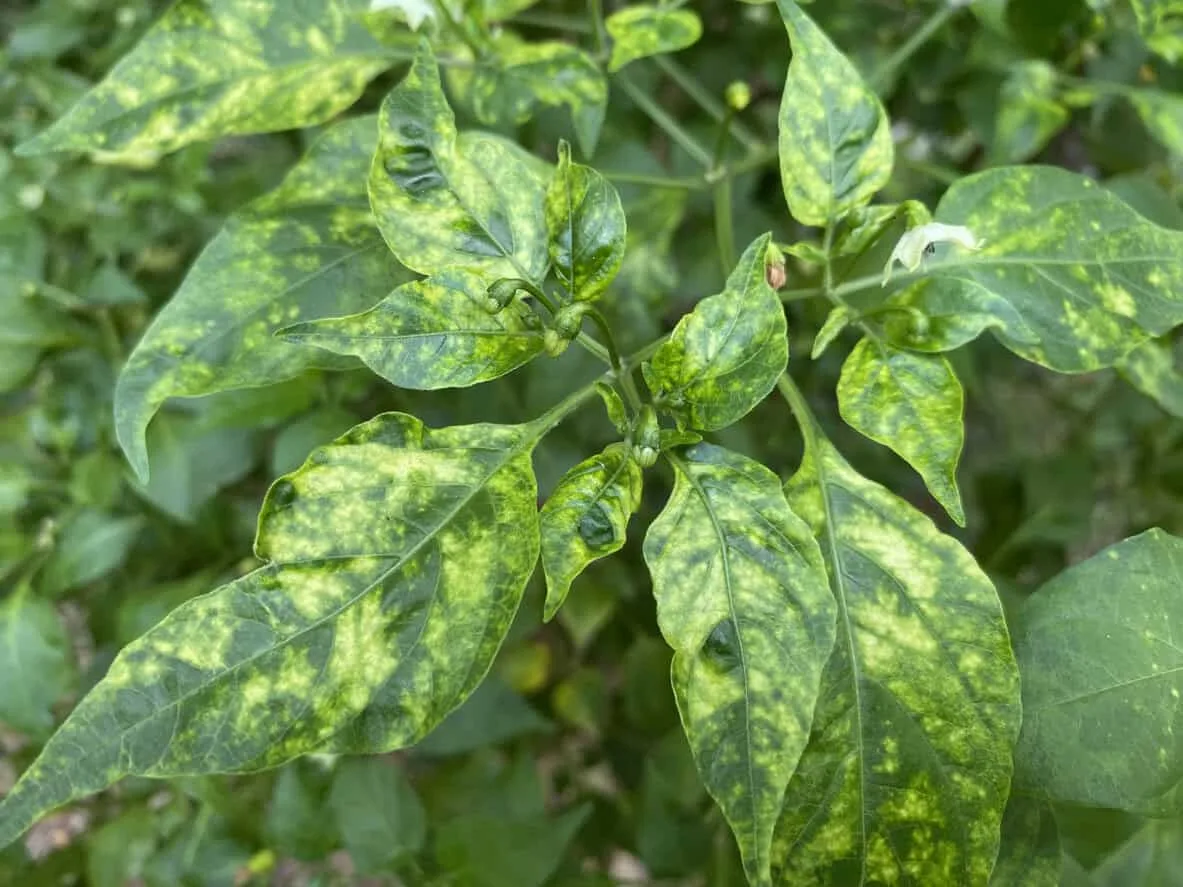
Yellow leaves and a pepper plant that just sits there for weeks. That's the frustration that sends most gardeners searching "Why are pepper leaves yellow and the plant is barely growing?" at least once every spring. The good news is that peppers are dramatic but predictable.
Once you learn to read the symptoms in the right order, the fix is usually simple and cheap.
Peppers are a warm-season crop that basically shuts down below 60°F (15°C) soil temperature, per Cornell University Cooperative Extension guidance. That single fact explains most of the yellow, stunted plants you see in May and early June. Feeding a cold pepper only makes things worse.
Let's walk through the real diagnosis, in the exact order a working grower would use it as of 2026.
Quick Answer
Yellow pepper leaves with stunted growth usually mean cold soil, overwatering, or a nitrogen or magnesium shortage. Cold soil below 60°F is the most common cause in spring. Overwatered peppers also yellow and stall because their roots can't breathe.
Fix temperature and moisture first. Only feed once the soil warms and the plant is actively growing.
Why Your Pepper Plant Looks Sick: The Fast Diagnosis
Peppers show stress in one of three ways: pale color, slow node growth, or leaf drop. When all three hit at once, you're rarely dealing with just one cause. Cold soil, wet roots, and a hungry plant tend to travel together.
Work through the diagnosis in this order:
- Soil temperature at 4 inches deep
- Soil moisture (finger 2 inches down)
- Root color and smell
- Leaf symptom pattern (which leaves, which part)
- pH and nutrient status
- Pest check on leaf undersides
Skipping straight to fertilizer is the classic mistake. If the roots are cold or drowning, they cannot absorb what you're feeding, and the salts sitting in the soil will burn them further. Diagnose first, feed last.
The 5-Minute Symptom Check Before You Do Anything Else
Before touching a bottle of anything, run a fast physical inspection. Aggregate feedback from university extension helplines shows that most "sick pepper" calls resolve after this single check.
Here is the 5-minute run-through:
- Push a soil thermometer 4 inches into the root zone. Read the number.
- Stick a finger 2 inches into the soil. Note if it feels cool and soggy, dry and dusty, or evenly damp.
- Lift a container plant slightly or gently scrape soil aside from an in-ground plant. Look at the roots.
- Flip 3 to 4 leaves and check the undersides for aphids, mites, or thrips.
- Look at where the yellowing sits: bottom leaves, top leaves, or all over.
Write the answers down. That five-line note is your diagnosis. Every fix in this article maps back to one of those five inputs.
| Check | Healthy range | Warning sign |
|---|---|---|
| Soil temp at 4 inches | 65 to 75°F | Below 60°F |
| Soil moisture at 2 inches | Evenly damp | Soggy or bone dry |
| Roots | White, firm, earthy smell | Brown, mushy, sour smell |
| Leaf undersides | Clean | Sticky, webbed, or speckled |
| Yellowing location | None | Lower, upper, or full plant |
What Yellow Leaves Actually Tell You (Pattern Matters More Than Color)
The color yellow is not a diagnosis. The pattern is. Two peppers can both look yellow and need opposite treatments.
Read the leaf, not just the plant.
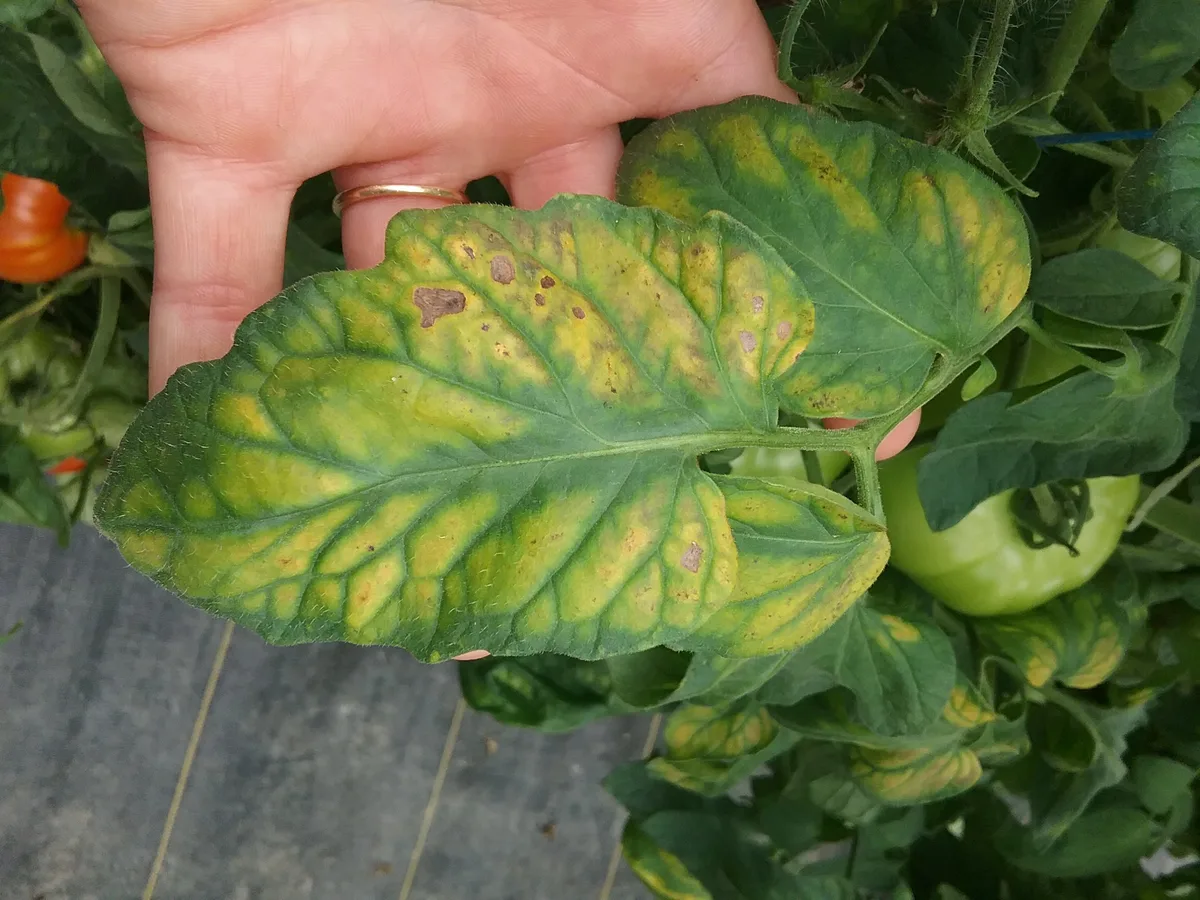
Lower Leaves Yellowing First
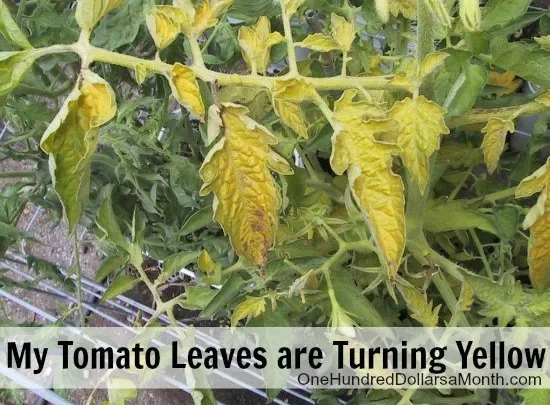
Mobile nutrients get pulled from old leaves to feed new ones. If the bottom leaves turn pale first and slowly work upward, think nitrogen. If those same lower leaves show yellow between green veins, think magnesium.
New Growth Turning Pale or Yellow
Immobile nutrients cannot move around inside the plant. When the newest top leaves come in pale, iron or sulfur is usually the cause. Iron deficiency shows clear green veins on a yellow leaf.
Sulfur shows uniform pale color across the whole young leaf.
Yellowing Between the Veins
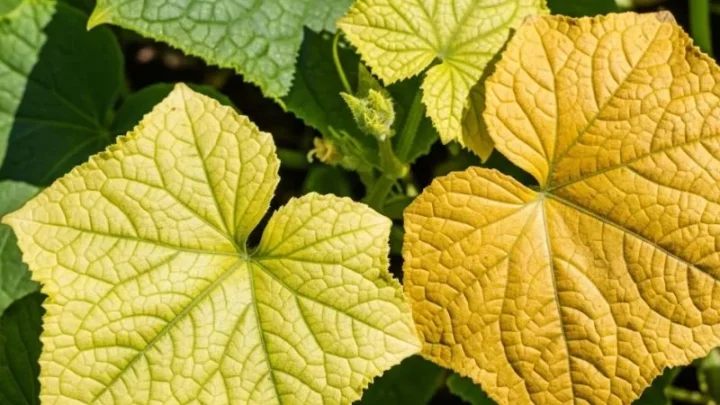
Interveinal chlorosis is the technical term. Green veins on a yellow leaf points to magnesium (older leaves) or iron (newer leaves). This pattern almost always signals a pH or availability problem, not a true shortage in the soil.
Whole-Plant Uniform Yellow
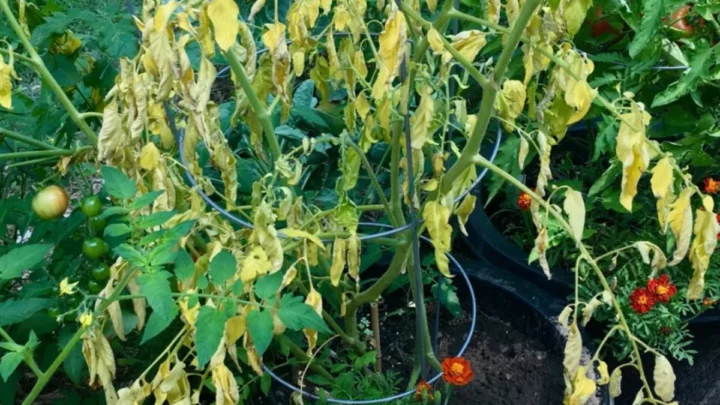
When every leaf turns the same shade of pale green or yellow, the cause is rarely nutritional. Look at cold shock, overwatering, root rot, or transplant stress. Feeding a whole-plant-yellow pepper almost never helps.
Soil Temperature: The Cause Almost Everyone Misses
Peppers are warm-blooded plants in cool clothes. Their roots barely function below 60°F and shut down completely near 55°F. That is the single biggest reason gardeners see yellow, stalled plants in April and May.
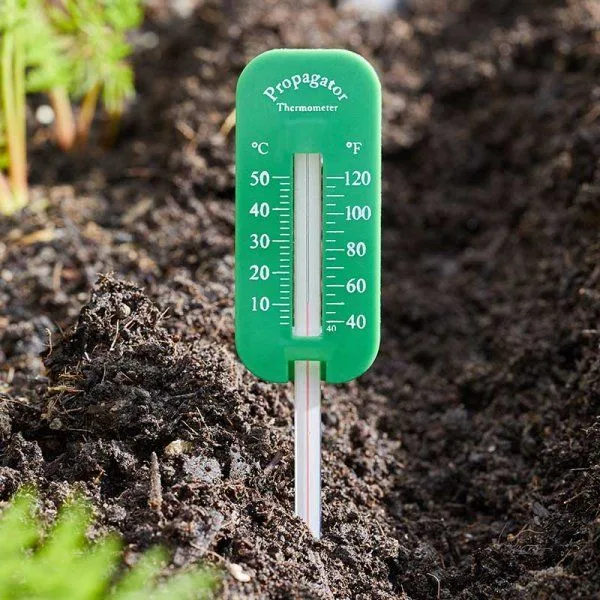
Air temperature lies. A sunny 75°F afternoon can sit on top of 55°F soil for weeks. Always measure at 4 inches deep, in the morning, before the sun heats the surface.
The Royal Horticultural Society and multiple US university extension services list 65 to 75°F as the sweet spot for pepper root growth.
Warm the soil with these tricks:
- Lay black plastic or landscape fabric two weeks before transplanting
- Use raised beds, which warm 5 to 10°F faster than in-ground soil
- Cover young plants with a row cover on nights below 55°F
- Skip watering with cold hose water. Let it warm in a bucket first
- Delay transplanting until soil hits 65°F, even if the calendar says "go"
Once soil temperature crosses 65°F, most "sick" peppers green up within 7 to 14 days on their own. No fertilizer needed.
Overwatering vs Underwatering: How to Tell Them Apart
Both problems look identical from a distance. Wilted leaves, yellow color, sad plant. The difference lives in the soil, not the leaves.
Overwatered peppers sit in cool, soggy soil. The roots cannot pull in oxygen, so they stop absorbing water and nutrients. Yellowing spreads from the bottom up and often comes with leaf drop and a slightly sour smell near the crown.
Underwatered peppers show crispy leaf edges, curled tips, and a rootball that pulls away from the pot. Water runs straight down the sides and out the bottom without soaking in. New leaves stay small and often turn pale before the older ones do.
Here is the quick tell:
| Sign | Overwatered | Underwatered |
|---|---|---|
| Soil at 2 inches | Cool, soggy | Dry, dusty |
| Leaf feel | Soft, limp | Crisp, brittle edges |
| Leaf drop | Yes, from the bottom | Rare until severe |
| Roots | Brown, mushy, sour | White but shrunken |
| Recovery time | 2 to 3 weeks | 2 to 5 days |
The fix for both follows the same rule: water deeply, then let the top inch dry before the next round. In containers, that usually means every 2 to 4 days once the plant is established. In the ground, roughly 1 to 2 inches per week, adjusted for heat and wind.
Root Check: What to Look For When You Lift the Plant
Roots tell you the truth when leaves lie. For a container pepper, tip the pot sideways and slide the plant out gently. For in-ground plants, scrape 2 to 3 inches of soil away from the base until you can see a few surface roots.
Healthy pepper roots are white or cream, firm to the touch, and smell like fresh earth. That is your baseline. Anything else needs action.
Watch for these red flags:
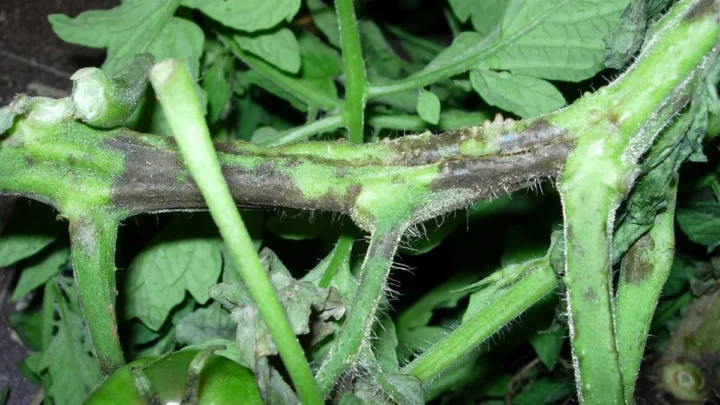
- Brown or grey roots that fall apart when you pinch them (root rot, usually Pythium or Phytophthora)
- A sour or swampy smell (waterlogged soil, no oxygen)
- A tight, circling mat of roots (root-bound, needs a bigger pot)
- Tiny beadlike swellings on the roots (root-knot nematodes)
- Almost no fine root hairs (transplant shock or cold damage)
If roots are rotting, cut back watering and move the plant to drier, warmer soil. For a root-bound seedling, tease the outer roots loose and repot into a container at least 2 inches wider with fresh, well-draining mix. Nematode-damaged plants rarely recover.
Pull them and rotate to a non-solanaceous crop next season.
Nutrient Deficiencies in Peppers, Ranked by How Common They Are
Once soil is warm and roots are healthy, nutrients come into play. Peppers are moderate feeders. They want steady, balanced nutrition rather than a big single dose.
Nitrogen
Nitrogen shortage is the most common true deficiency. Lower leaves turn a uniform pale green, then yellow, then drop. Fix it with a half-strength liquid feed (fish emulsion, a balanced 5-5-5, or similar) every 10 to 14 days.
Avoid heavy nitrogen once flowers set, or you'll get lush leaves and no fruit.
Magnesium
Magnesium deficiency shows as yellow patches between green veins on older leaves. Container peppers get it often because frequent watering leaches magnesium out of potting mix. A foliar spray of 1 tablespoon of Epsom salt (magnesium sulfate) per gallon of water usually greens leaves back up in 5 to 10 days.
Iron
Iron deficiency looks similar but shows on the newest top leaves. Veins stay bright green while the leaf tissue turns pale yellow, sometimes almost white. The cause is rarely low iron.
It is almost always pH too high (above 6.8) or waterlogged soil locking iron away.
Phosphorus Lockout in Cold Soil
Purple tints on leaf undersides and slow, sluggish growth point to phosphorus lockout. The nutrient is usually there, but cold soil below 60°F stops the plant from using it. Warming the soil fixes it faster than any fertilizer.
Soil pH and Why Feeding Won't Help if It's Off
Peppers want a soil pH between 6.0 and 6.8. Outside that window, nutrients get locked in the soil where roots cannot reach them. You can pour on fertilizer for weeks with zero improvement.
Test pH with a cheap probe meter or a pack of test strips. Reading below 5.8 means the soil is too acidic. Above 6.8 means too alkaline.
Both cause the same result: pale, stalled peppers that ignore feeding.
Fix acidic soil by working in a light dusting of garden lime and re-testing in 2 to 3 weeks. Fix alkaline soil with elemental sulfur or by mulching with pine needles or composted oak leaves. For container plants, the fastest fix is a full repot into fresh, pH-balanced mix.
The USDA Natural Resources Conservation Service publishes free soil pH guides by region if you want to check baseline levels for your area.
Transplant Shock and Cold Damage After Moving Outdoors
Peppers hate change. A plant moved from a warm windowsill straight into an open garden bed will yellow, drop leaves, and freeze in place for weeks. That is not disease.
That is shock.
Hardening off prevents most of it. Set seedlings outside in shade for 1 to 2 hours the first day. Add an hour of sun each following day.
After 7 to 10 days, they can handle a full outdoor day.
Cold damage looks different from shock. Leaves take on a papery grey or bronze tint, sometimes with tissue that dies between veins. Any exposure below 45°F can trigger it.
Cover plants with a row cover or an upside-down bucket on cold nights. Severe cold-burned peppers often survive but lose 2 to 4 weeks of growing time.
Pests and Diseases That Mimic Nutrient Problems
Not every yellow leaf is a nutrient issue. Several pests drain sap fast enough to fake a deficiency, and a few soilborne diseases stunt growth in ways that look identical to cold stress.
Common sap-suckers to check for:
- Aphids: soft green, black, or grey clusters on new growth and leaf undersides
- Whiteflies: tiny white insects that fly up in a cloud when leaves are shaken
- Spider mites: fine webbing and pin-sized yellow speckling, worst in hot, dry weather
- Thrips: silvery streaks and black specks of frass on leaves
- Fungus gnats: harmless adults, but larvae chew seedling roots in wet potting mix
Blast pests off with a strong water spray, then follow up with insecticidal soap or neem oil every 5 to 7 days for two rounds. Always spray in the evening to protect pollinators.
Disease-wise, watch for verticillium wilt and fusarium wilt (whole plant yellows and wilts even when watered), tobacco mosaic virus (mottled yellow-green streaks and puckered leaves), and damping off in seedlings (stems collapse at the soil line). Diseased plants rarely recover. Pull and destroy them, and never compost the debris.
The Decision Tree: Match Your Symptoms to the Right Fix
Use this quick lookup once you've done the 5-minute check. Match your top symptom to the row, then follow the fix.
| Main symptom | Most likely cause | First fix |
|---|---|---|
| Whole plant pale, soil cool | Cold soil below 60°F | Warm soil, hold off feeding |
| Lower leaves yellow, uniform | Nitrogen deficiency | Half-strength liquid feed |
| Yellow between veins, older leaves | Magnesium deficiency | Epsom salt foliar spray |
| Yellow with green veins, new leaves | Iron lockout, high pH | Test and lower pH |
| Wilted with wet soil, sour smell | Root rot, overwatering | Dry out, repot if needed |
| Purple undersides, slow growth | Phosphorus lockout | Warm soil, do not add P |
| Sticky leaves, tiny bugs | Aphids or whiteflies | Water blast, then neem |
| Papery grey patches | Cold burn | Cover on cold nights |
If two rows match, always fix soil temperature and moisture before touching fertilizer.
Mistakes That Make Yellow Pepper Leaves Worse
The wrong reaction sets a struggling pepper back weeks. These are the traps we see most often in extension-service reports.
- Fertilizing a cold or wet plant, which burns roots that cannot absorb anything
- Watering on a schedule instead of by soil feel
- Transplanting before soil hits 65°F because the calendar says May
- Skipping hardening off, then blaming the yellowing on disease
- Piling on Epsom salts when the real problem is pH
- Pulling the plant to inspect roots every few days, which prevents recovery
- Spraying insecticide in midday sun and scorching stressed leaves
Recovery Timeline: What to Expect After You Fix It
Peppers rebound in predictable windows. Set expectations so you don't panic-fertilize a plant that is already healing.
- Cold-stalled plant after soil warms: greener in 7 to 14 days
- Overwatered plant after drying out: new growth in 10 to 21 days
- Magnesium foliar correction: visible greening in 5 to 10 days
- Nitrogen side-dress: darker leaves in 7 to 14 days
- Transplant shock: normal growth resumes in 2 to 3 weeks
- Cold-burned leaves: damaged tissue never re-greens, but new leaves come in clean
Yellow leaves that were already damaged rarely turn green again. Judge recovery by the new growth at the top, not the old leaves at the bottom.
Pepper Growing FAQs
Should I remove yellow leaves from my pepper plant?
Only pull leaves that are more than half yellow, fully limp, or clearly diseased. Healthy plants reabsorb useful nutrients from fading leaves before dropping them. Removing every yellow leaf strips the plant of that recycling and stresses it further.
Focus on fixing the cause, not clipping the symptoms.
Will Epsom salt fix any yellow pepper leaves?
No, Epsom salt only helps when the cause is a real magnesium shortage, which shows as interveinal yellowing on older leaves. Using it on cold-shocked, overwatered, or nitrogen-starved plants does nothing and can add salt buildup. Diagnose the pattern first.
If it's not the magnesium pattern, skip the Epsom salt.
How often should I fertilize a struggling pepper plant?
Wait until the plant is actively growing again and soil sits above 65°F. Then feed at half strength every 10 to 14 days with a balanced liquid fertilizer. Feeding a stalled or cold plant burns roots and slows recovery.
Once flowers set, drop nitrogen and lean on higher phosphorus and potassium.
Can a yellow, stunted pepper plant still produce fruit?
Yes, most peppers bounce back once the underlying cause is fixed. Expect a 2 to 4 week delay in flowering compared to a healthy plant. Total yield may drop 20 to 40 percent depending on how long the stall lasted.
Plants stunted past mid-summer in short-season regions often produce only a handful of fruit.
Your Quick Diagnosis Checklist
Run this list any time a pepper starts looking off.
- Soil temperature at 4 inches: above 60°F?
- Soil moisture at 2 inches: evenly damp, not soggy or dust dry?
- Roots: white, firm, earthy smell?
- Leaf pattern: bottom, top, veins, or whole plant?
- Soil pH: between 6.0 and 6.8?
- Leaf undersides: clean of aphids, mites, thrips?
- Recent weather: any nights below 55°F?
Fix the first "no" you find before moving to the next. Peppers reward patient diagnosis and punish quick fixes.

Similar Posts