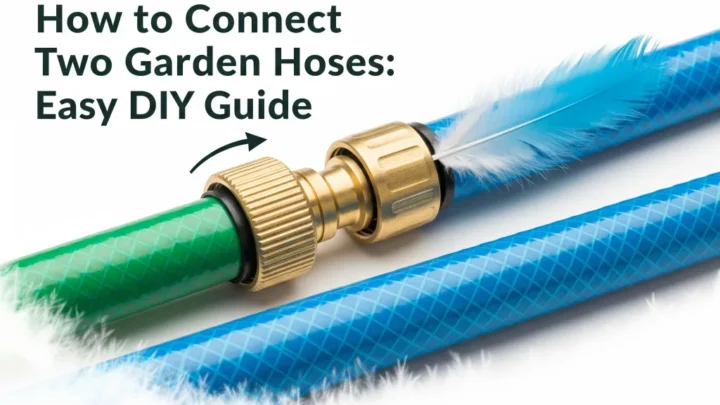
Can You Connect 2 Garden Hoses Together? Yes—Here’s How
So you've got two hoses, and neither one quite reaches the back fence. If you're wondering, can i connect 2 garden hoses together, the short answer is yes, and it's genuinely easy. You just need the right connector and a good rubber washer.
Most standard hoses sold in the US share the same thread, so they'll screw together fine.
That thread is called Garden Hose Thread, or GHT. It's set at 3/4-inch with 11.5 threads per inch under the ASME B1.20.7 standard. As of 2026, nearly every off-the-shelf hose and coupler in North America sticks to it.
That's why joining two different brands usually works without a fuss.
Quick Answer
Yes, you can connect two garden hoses together. Screw the male end of one hose into the female end of the other. If both ends match, use a coupler or connector.
Add a rubber washer to stop leaks. Standard US hoses share the same GHT thread, so most brands join fine.
When Joining Hoses Makes Sense (and When It Doesn't)
Joining two hoses is the cheapest way to buy yourself more reach. You already own the hoses. A connector costs a few dollars.
No plumbing, no digging, no second tap.
But it isn't always the right call. The longer your combined run gets, the weaker your flow at the far end. Here's a simple way to decide.
- Join them if: you need occasional reach past your longest hose, your water pressure is already strong, and the total run stays under about 100 feet.
- Think twice if: your pressure is weak at the tap, you're already running a 5/8-inch hose over a long distance, or you'll be using a pressure-hungry sprinkler or nozzle.
- Skip it if: you need the extra length every single day. A single long hose or a second spigot will serve you better long term.
If you're patching things together to reach an awkward corner of the yard, some of these privacy planting tricks pair nicely with a well-placed hose run to a far bed.
Male vs. Female Hose Ends: The Part That Trips People Up
Every garden hose has two different ends, and knowing them is half the battle. Get this right and the rest is simple.
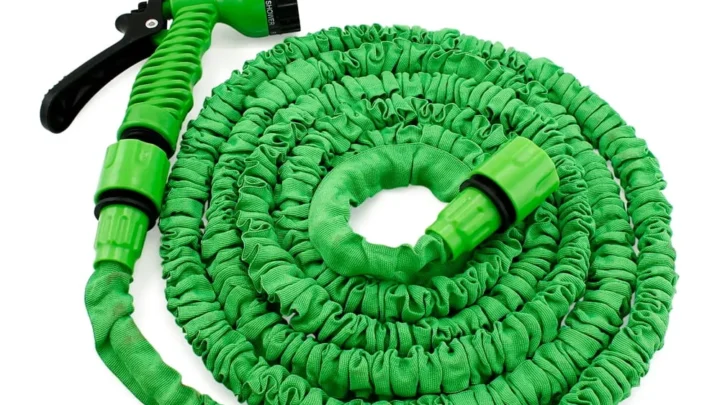
- Male end: the threads are on the outside. It's the end that screws into something.
- Female end: the threads sit inside a spinning collar (a swivel), and there's a rubber washer tucked in there. It's the end that screws onto the male.
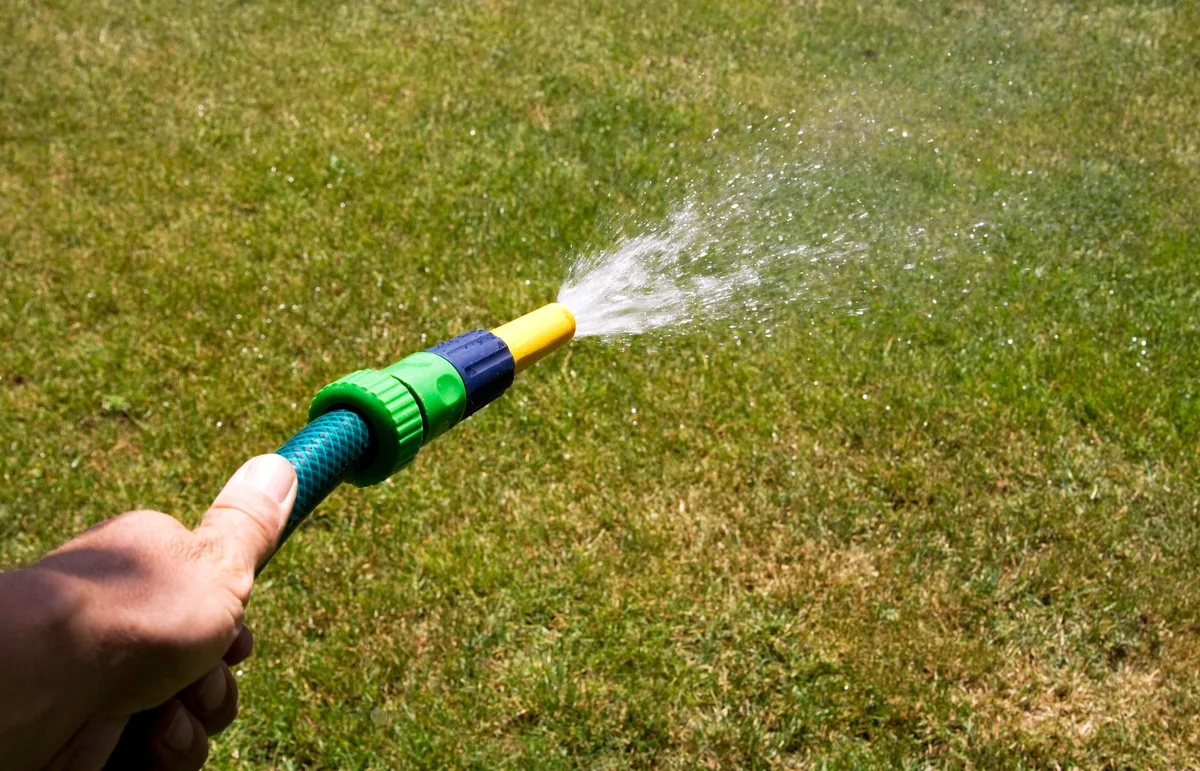
A normal hose has one male end and one female end. So most of the time, you just screw the male end of Hose A straight into the female end of Hose B. Done.
No extra parts needed.
The trouble starts when both ends you're holding match. Two females won't grab each other. Two males have nowhere to seat a washer.
That's when you need a connector, and the type depends on which ends you've got.
Which Connector You Actually Need
Pick your connector based on the two ends you're trying to join. Here's the whole decision in one table.
| What you're holding | What you need | Why |
|---|---|---|
| One male + one female | Nothing | They screw straight together |
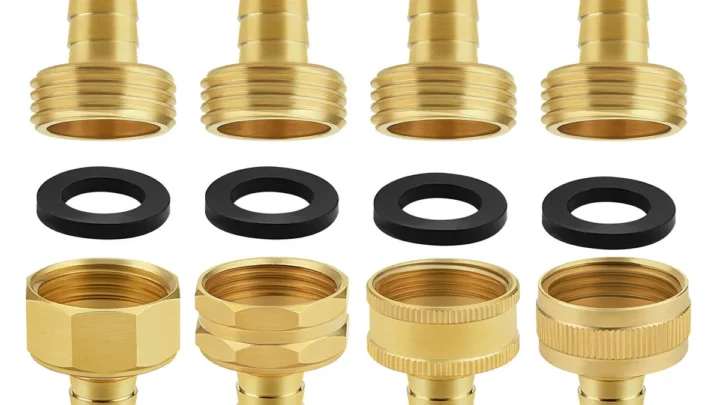
| Two female ends | Double-male connector | Gives both swivels something to grab |
| Two male ends | Double-female coupler | Provides two washer seats |
| Any mix, want fast on/off | Quick-connect fitting set | Push-to-connect, no screwing |
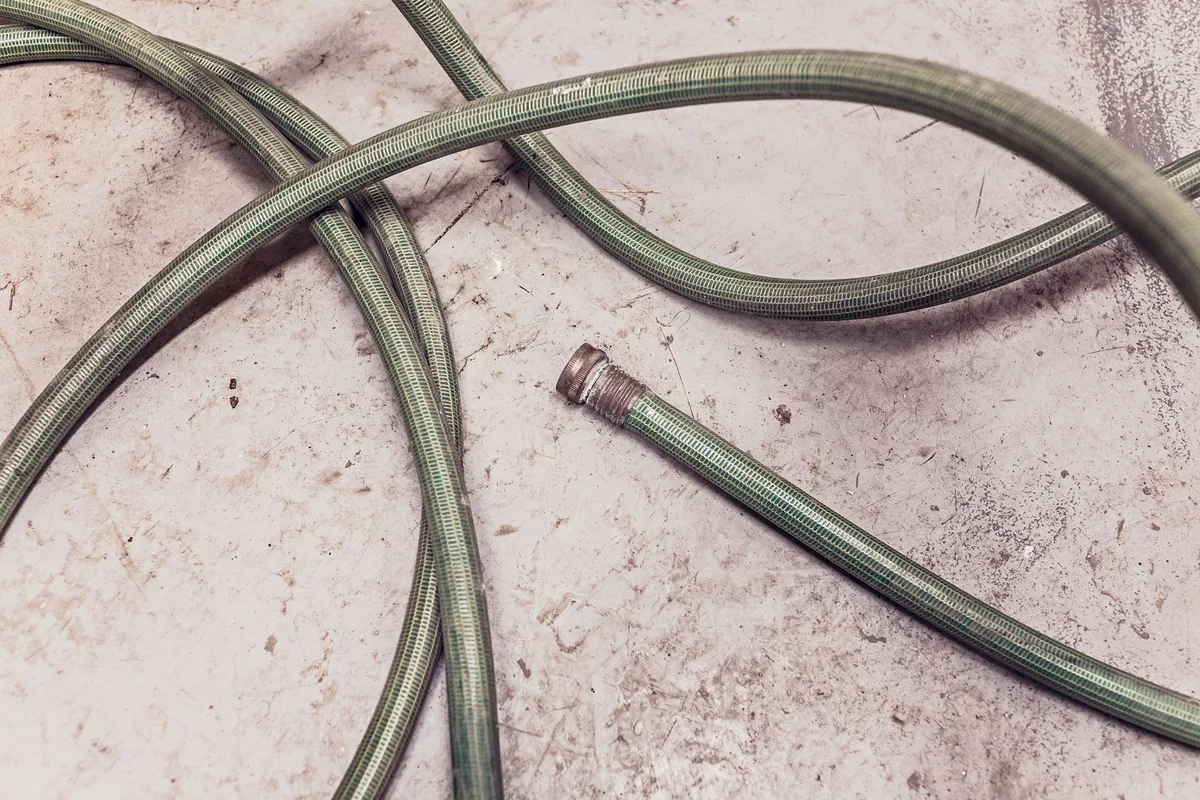
Two Female Ends → Double-Male Connector
This is the most common snag people hit. You cut a damaged end off a hose, or two hoses both landed female-side out. A double-male connector (sometimes sold as a "double-male mender") has male threads on both sides.
Each female swivel grabs one side, and you're set.
Two Male Ends → Double-Female Coupler
Less common, but it happens with repair jobs. A double-female coupler has internal threads and a washer on each side. Both male ends thread in and seal against a washer.
No leaks if the washers are in good shape.
Mixed Ends → Standard Coupler or Quick-Connect
If your ends already match male-to-female, you don't need anything. But a quick-connect set is worth it if you swap hoses often. You screw the fittings on once, then just click the hoses together after that.
Brass versions hold up far longer than the plastic ones.
The Water Pressure Problem Over Long Runs
Here's the thing nobody warns you about: joining hoses doesn't lose you pressure at the joint, but the length does. Water rubbing against the inside walls of a long hose creates friction, and friction eats your flow. The farther the water travels, the weaker it arrives.
Most homes deliver water at about 40 to 60 psi at the tap. That's plenty for one hose. String two together and push past 100 feet, and you'll notice your sprinkler slow down.
How Diameter (5/8" vs. 3/4") Changes the Flow
Diameter matters more than most people expect. A wider hose carries more water, so it fights friction loss better over distance.
- 1/2-inch: lightweight, but chokes flow fast. Fine for short runs only.
- 5/8-inch: the standard home size. Good balance for runs up to roughly 100 feet.
- 3/4-inch: heavier and pricier, but it moves noticeably more water. This is what you want for long runs or feeding a sprinkler system.
For a long stretch, matching both hoses at 3/4-inch keeps your pressure healthier than two skinny 5/8-inch lines. When you're planning watering routes to a far corner or a raised bed, mapping it out the way you would a country-style garden layout helps you keep the total distance short.
Why Length Kills Your Spray
Every extra foot of hose adds a little more friction loss. Add a nozzle at the end, which restricts the opening even more, and a long run can feel frustratingly weak. The US Environmental Protection Agency's WaterSense program notes that efficient watering is as much about smart delivery as raw flow, so a shorter, wider run often waters better than a long, thin one.
Keep your combined run as short as the job allows. Straighten out coils so water isn't fighting bends. And if you truly need distance with strong pressure, that's your cue to look at a bigger fix.
How to Connect Two Hoses Step by Step
Connecting two hoses takes under a minute once you've got the parts. Follow these steps in order.
- Check both ends. Find the male and female ends. If they match, grab the right connector first.
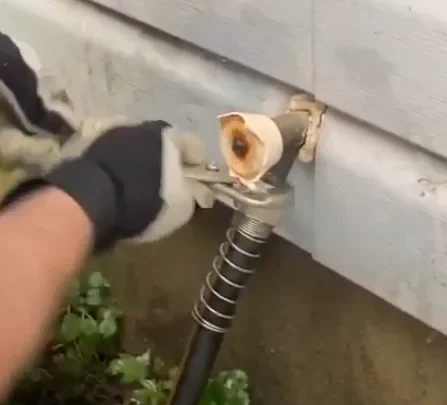
- Inspect the washer. Look inside the female end. If the rubber washer is cracked, flat, or missing, swap in a fresh one.
- Line up straight. Hold the threads square before turning. Angled threads cross and strip.
- Hand-tighten. Turn the swivel collar clockwise until it's snug. No wrench needed.
- Add tape if needed. For a stubborn drip, wrap the male threads twice with PTFE (plumber's) tape.
- Test low, then high. Turn the tap on slowly. Watch the joint. If it holds, open it fully.
If water sputters at first, that's just trapped air clearing out. Give it a few seconds. A steady stream means you've got a clean seal.
Brass vs. Plastic Couplers: What Lasts
Brass wins on durability, plastic wins on price. That's the whole story in one line, but the details matter for how you'll use it.
| Feature | Brass coupler | Plastic coupler |
|---|---|---|
| Lifespan | Many years | Often one to two seasons |
| Cross-thread risk | Low, forgiving | High, strips easily |
| Cost | ~$8 to $15 | ~$3 to $6 |
| Cold-weather cracking | Rare | Common |
| Best for | Permanent, high-use runs | Light, occasional use |
Aggregate user reviews consistently flag cheap plastic couplers for cracking at the collar. If you connect and disconnect often, brass pays for itself. Look for lead-free brass if the water ever touches edible plants or drinking containers.
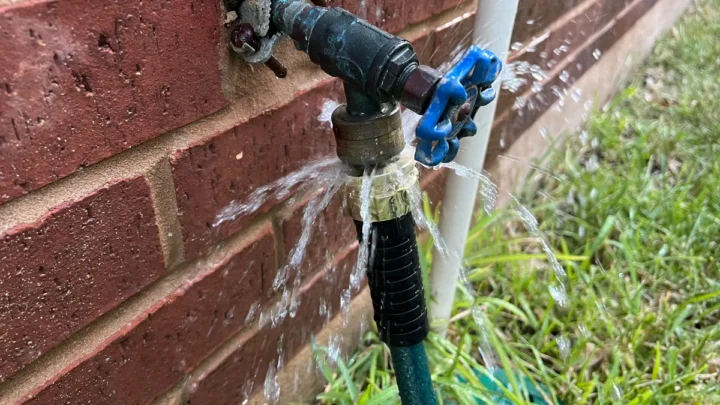
One tip: even the best coupler leaks without a good washer. The metal doesn't seal the water. The rubber does.
Common Mistakes That Cause Leaks and Kinks
Most hose-joint failures come down to a handful of avoidable slips. Here's what trips people up most.
- Missing washer. No washer means a guaranteed drip. Always check before you blame the coupler.
- Over-tightening. Cranking a plastic fitting hard cracks it or deforms the washer. Snug is enough.
- Cross-threading. Starting a fitting crooked chews up the threads for good. Line up straight, turn gently.
- Thread mismatch. GHT won't marry NPT (pipe thread) or European BSP threads. You need an adapter, not muscle.
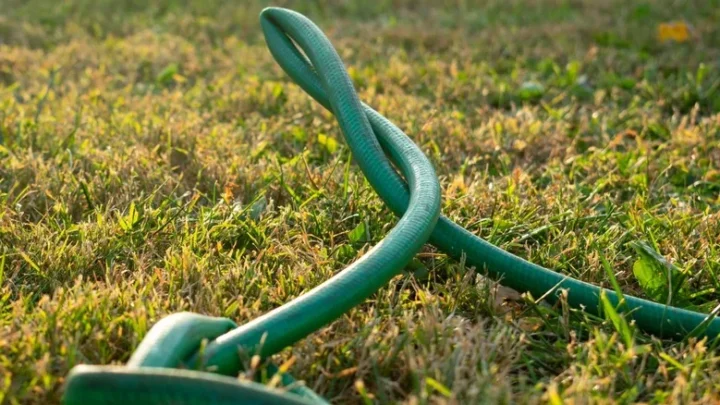
- Kinking at the joint. A rigid coupler creates a stiff spot. The hose bends right beside it and chokes flow.
If your joint kinks constantly, reposition it so the hose runs straight through the connection. Storing hoses loosely coiled on a reel between uses cuts down on memory kinks too. The same tidy habits that keep a flower bed border looking sharp apply to hose storage: coil it, hang it, keep it off hot pavement.
Better Options When Joining Hoses Isn't Enough
Sometimes two hoses just won't cut it. If you're fighting weak pressure or dragging 150 feet of line every day, a different fix saves you real hassle.
Buying One Long Hose
A single long hose has zero joints, so zero leak points. It's the cleanest option for a run you use daily. A quality 100-foot 5/8-inch or 3/4-inch hose costs more upfront, but it won't drip at a coupler or pop apart under pressure.
Best for gardeners who need the same reach every time.
Adding a Second Tap or a Booster Pump
A second outdoor spigot closer to the far end fixes distance and pressure at once. It's a plumbing job, so factor in the cost, but it's permanent. A booster pump is the answer when your home pressure itself is low.
It lifts flow across a long run that no coupler can rescue. Both suit larger properties where a metal-grid boundary or a wire fence system marks off zones that each need their own water point.
Safe-Water and Freeze Warnings You Shouldn't Skip
A couple of safety points matter more than people realize, especially around drinking water and winter. Skip these and you risk contamination or a burst hose.
Not every hose is safe to drink from. Standard hoses can leach material into the water sitting inside them. If you'll fill a pet bowl, a kettle, or a kid's cup, use a hose labeled drinking-water-safe with lead-free brass fittings.
These meet the ANSI/NSF 61 material standard for potable water.
Never exceed your hose's rated pressure. Most garden hoses handle everyday tap pressure fine, but a booster pump or a closed nozzle in full sun can spike it. Heat matters too.
Water trapped in a sun-baked hose gets scalding, so let it run cool before spraying skin or plants.
In freezing climates, drain and disconnect joined hoses before winter. Water left inside expands as it freezes and splits the hose or cracks the coupler. Store them coiled and empty in a shed or garage.
A quick check of your local watering rules, plus a backflow preventer where code requires one, keeps you compliant and protects your drinking supply.
Expert Tips for a Leak-Free, Full-Pressure Setup
A few small habits make the difference between a joint that holds all season and one that drips by July. These come straight from what verified buyer feedback and manufacturer specs point to again and again.
- Keep a spare washer stash. They're pennies each, and a fresh one fixes most leaks instantly.
- Match diameters. Joining a 3/4-inch hose to a 5/8-inch one bottlenecks flow at the narrow one. Same size all the way keeps pressure up.
- Position the joint on flat ground. A coupler resting over a step or edge kinks the hose beside it.
- Store hoses drained. Standing water breeds mildew and, in cold snaps, cracks fittings.
- Snug, don't strain. If it's still dripping after hand-tight, add PTFE tape rather than forcing the collar harder.
One more thing worth noting. If a swivel collar spins but never bites, the threads are likely stripped. Replace that end with a new coupling instead of fighting it.
Cost and Specs at a Glance
Here's the quick-reference on parts, sizes, and numbers so you can plan before you buy.
| Item | Typical figure |
|---|---|
| GHT thread standard | 3/4-inch, 11.5 threads per inch |
| Home water pressure | 40 to 60 psi |
| Brass double-male connector | ~$8 to $15 |
| Plastic coupler | ~$3 to $6 |
| Replacement washers | ~$3 for a multipack |
| Noticeable flow drop | Beyond ~100 feet on 5/8-inch |
| Common hose lengths | 25, 50, 75, 100 feet |
Total spend to join two hoses you already own usually lands under $15. That's the whole appeal. You're adding reach for the price of a coffee, not a new hose.
Frequently Asked Questions
How many garden hoses can you connect together?
You can connect as many as you like mechanically, but flow is the real limit. Each added length raises friction loss. On a standard 5/8-inch hose, expect a clear drop past roughly 100 feet.
For longer runs, step up to 3/4-inch or add a booster pump.
Do you need a connector to join two hoses?
Not always. If one hose ends male and the other ends female, they screw straight together. You only need a connector when both ends match: a double-male connector for two female ends, or a double-female coupler for two male ends.
Why does my hose joint keep leaking?
The washer is almost always the culprit. Check the female end for a missing, flat, or cracked rubber washer and replace it. If it still drips, wrap the male threads with PTFE tape.
Avoid over-tightening, which deforms the seal and makes leaks worse.
Will connecting two hoses lower my water pressure?
The joint itself doesn't drop pressure, but the added length does. Longer hose runs create more internal friction, which weakens flow at the nozzle. Keeping the total run short and using a wider 3/4-inch hose helps hold pressure over distance.
Are all garden hose threads the same size?
In the US and Canada, yes. Nearly all hoses use the GHT standard, so brands mix freely. Watch out for pipe thread (NPT) or European BSP fittings on some accessories.
Those need an adapter, since the threads don't match GHT.
Can I connect two hoses of different diameters?
Yes, with a reducing or stepped coupler that bridges the two sizes. Just know the flow will bottleneck at the narrower hose. For steady pressure over a long run, keep both hoses the same diameter rather than mixing sizes.
Your Quick Decision Guide
Boil it all down, and the whole thing comes to a few simple calls.
- Ends match male-to-female? Screw them together. Done.
- Two female ends? Grab a double-male connector.
- Two male ends? Grab a double-female coupler.
- Using it daily? Buy one long hose and skip the joints.
- Weak pressure or over 100 feet? Go 3/4-inch, or add a spigot or booster pump.
- Filling drinking water? Use a drinking-water-safe hose with lead-free fittings.
Joining two hoses is one of the cheapest, quickest wins in the yard. Get the ends right, seat a good washer, and keep the run as short as the job allows. Do that, and you'll have full pressure reaching wherever you need it.

Similar Posts