Can You Connect Two Garden Hoses Together? Yes—Here’s How
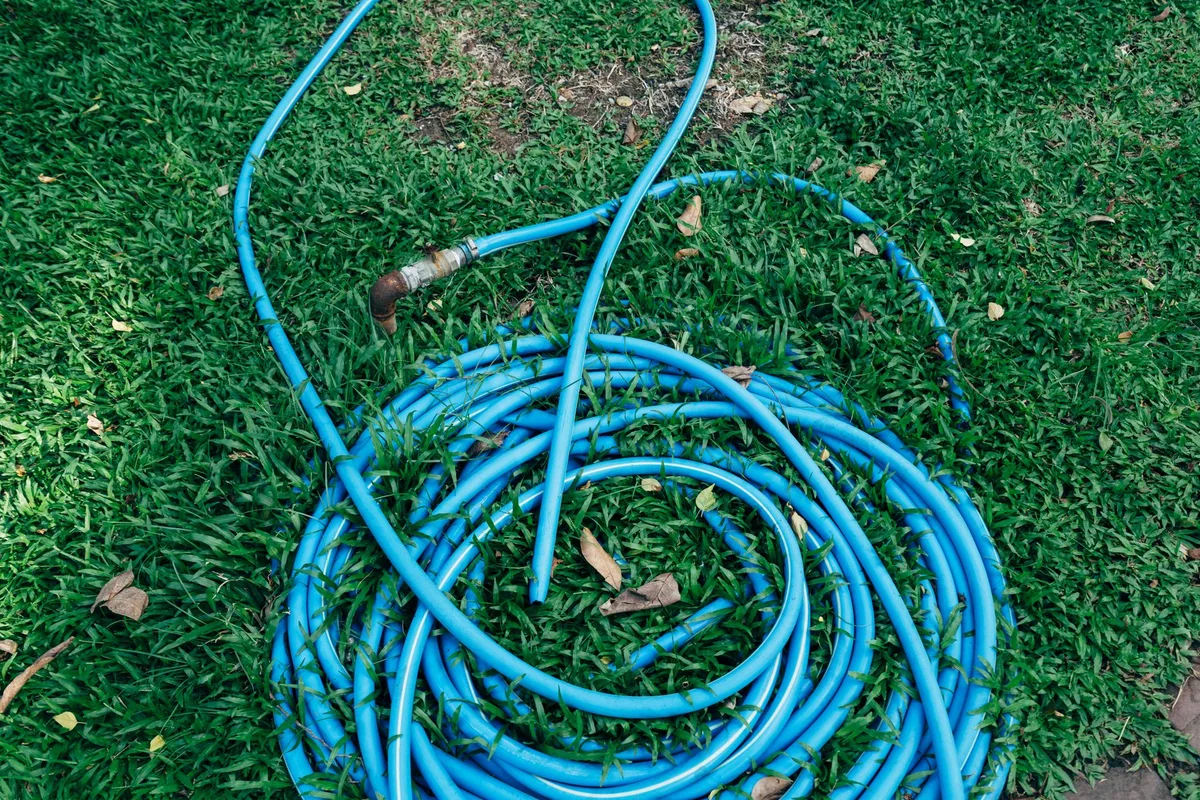
So you've got two hoses, and neither one reaches the far corner of the yard on its own. Good news: yes, you can connect two garden hoses together, and it takes about a minute. Most standard hoses are built to link up straight out of the box.
The trick is matching the ends and keeping your water pressure sensible.
Here's the useful bit. In the US, nearly every garden hose uses the same thread standard, called GHT (Garden Hose Thread), officially 3/4-inch-11.5NH. That shared thread is why hoses from different brands usually screw together with no fuss.
UK and European hoses lean on push-fit connectors instead. Let's start where every solid connection begins: the ends.
Quick Answer
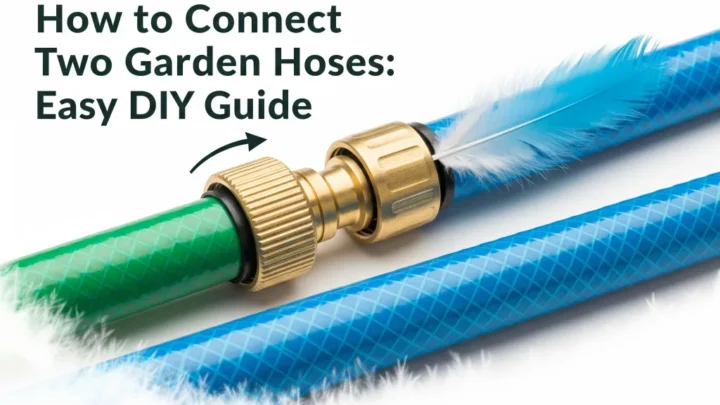
Yes, you can connect two garden hoses together. Screw the male end of one into the female end of the other. If both ends match, add a double-male or double-female adapter.
Check the rubber washer sits flat to stop leaks. Expect a little pressure drop over longer combined runs.
First, Check What's on the Ends of Your Hoses
Before you buy anything, look at the four ends you're working with. Every standard hose has one male end and one female end. The male end has exposed threads.
The female end has a collar that spins, with the threads hidden inside.
That one detail decides whether you need an adapter or not. So flip both hoses over and check before you head to the store.
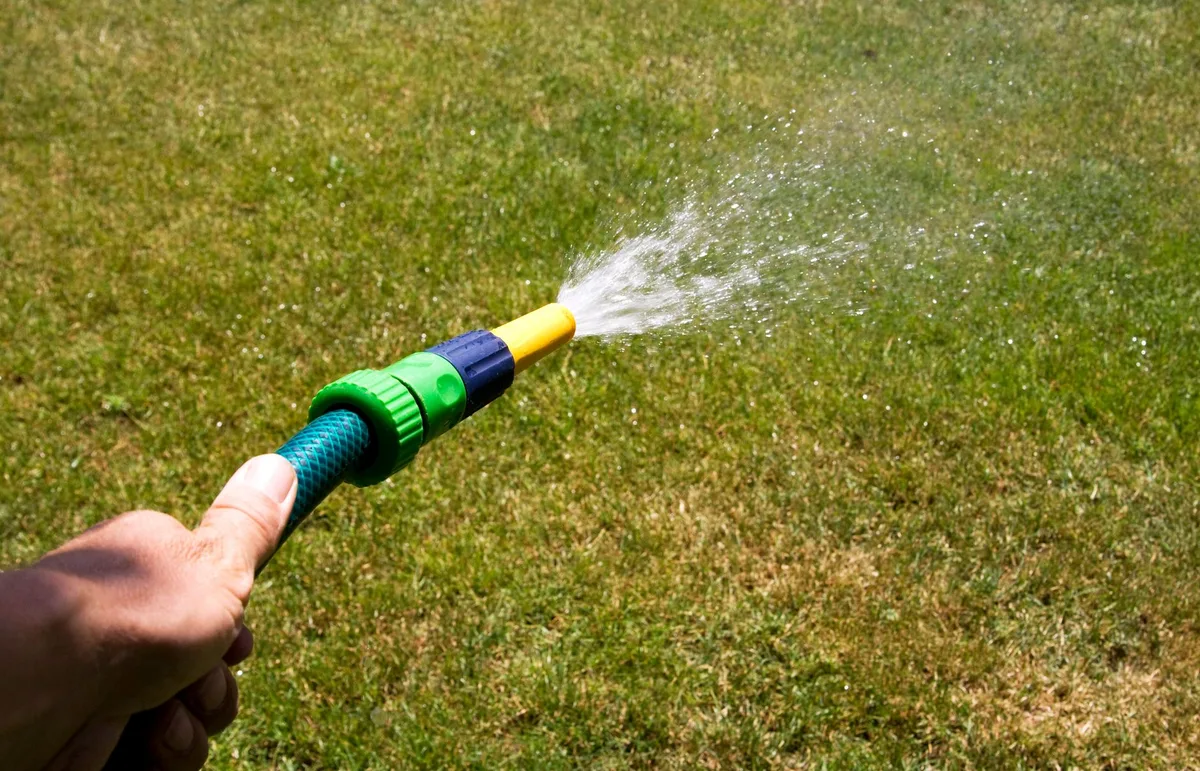
Male-to-Female: The Easy Connection
If one hose ends in a male fitting and the other in a female fitting, you're done. Just screw them together.
- Line up the male threads with the female collar.
- Turn by hand until it's snug.
- Give it a gentle quarter-turn more if it drips.
No extra parts. No trip to the hardware store. This is how most people link a second hose to reach a back flower bed or a thirsty raised planter.
Two Male or Two Female Ends: You'll Need an Adapter
If both ends match, they won't join on their own. Two female ends need a double-male adapter. Two male ends need a double-female adapter, also called a hose-to-hose connector.
It's a cheap little brass or plastic piece, usually a couple of dollars. Think of it as a translator that lets two same-gender ends talk to each other. If you're routing a hose past a row of shrubs or along one of these cottage-style garden borders, an adapter keeps the run tidy without swapping hoses.
The Fittings That Join Hoses (Couplers, Adapters, and Quick-Connects)
The right fitting depends on how often you'll disconnect the hoses. Some people set it and forget it. Others swap hoses daily between watering zones.
Here's how the common options compare.
| Fitting type | Best for | Notes |
|---|---|---|
| Double-female connector | Joining two male ends | Screws on, stays put |
| Double-male adapter | Joining two female ends | Screws on, stays put |
| Quick-connect (push-fit) | Frequent swaps | Snap on and off in seconds |
| Hose mender | A cut or damaged end | Rebuilds a broken fitting |
Quick-connect fittings are the convenience pick. You clip a small adapter onto each hose end once, then they snap together with a push. Great if you switch between a sprinkler, a nozzle, and a second hose all day.
Screw-type couplers are the reliable pick. Fewer moving parts means fewer leak points over a long season. For a permanent extension that stays coupled all summer, a plain brass connector is hard to beat.
How Length Affects Pressure and Flow Once You Link Them
Every extra length of hose you add costs you a little pressure and flow. That's friction working against the water inside the pipe. The longer the run, the more you'll notice the drop at the far end.
Most home spigots deliver water at roughly 40 to 60 PSI. A single 50-foot hose barely dents that. Stack two or three together and you'll start to feel weaker flow at the nozzle.
Here's a rough sense of what happens as you add length:
- Up to 100 feet: Fine for hand-watering, nozzles, and most sprinklers.
- 100 to 150 feet: Noticeable drop. Some oscillating sprinklers cover less ground.
- Over 150 feet: Pressure-hungry gear like pressure washers may struggle.
If flow feels weak, the fix isn't always a new hose. Check that the spigot is fully open first. Then look at your fittings and diameter, which we'll get to next.
Running two shorter hoses also gives you flexibility. You can uncouple one section and shift it to a different bed, like the layered planting behind these flower bed borders, without dragging a single 100-foot hose around. The EPA's WaterSense program is a good reference for watering efficiently and cutting waste.
Does Hose Diameter Matter When You Connect Two? (5/8" vs 1/2")
Yes, diameter matters a lot, and the smaller hose always wins. Join a 5/8-inch hose to a 1/2-inch hose, and your flow is capped by the 1/2-inch section. Water can only move as fast as the narrowest point allows.
The three common sizes are 1/2-inch, 5/8-inch, and 3/4-inch. Here's how they stack up for everyday use.
| Diameter | Typical use | Flow feel |
|---|---|---|
| 1/2-inch | Light watering, small yards | Lower flow |
| 5/8-inch | Most home yards (the standard) | Balanced flow |
| 3/4-inch | Long runs, high demand | Highest flow |
As of 2026, 5/8-inch is still the sweet spot for most homes. It balances water flow with a hose that's not too heavy to drag around.
So when you connect two hoses, try to match diameters. Two 5/8-inch hoses keep full flow all the way to the nozzle. Mixing sizes works in a pinch, but don't expect the wider hose to save you.
The bottleneck sets the pace.
How to Connect Two Garden Hoses Step by Step
Connecting two hoses is a five-step job. Follow the order and you'll get a leak-free joint the first time.
- Match the ends. One male, one female screws together directly. Two of the same? Grab the right adapter.
- Check the washer. Look inside the female end. The rubber washer should sit flat, not cracked or missing.
- Line up the threads. Push the two ends together straight, not at an angle. This stops cross-threading.
- Hand-tighten. Twist the collar clockwise until it's firm. Don't force it yet.
- Test and snug. Turn the water on. If it drips, add a quarter-turn by hand.
That's it. No tools needed for most connections. If you're routing the joined hose along a boundary, tuck the coupler where you won't trip over it, like the base of a fence lined with privacy-friendly cover ideas.
One tip from aggregate user reviews: keep the joint off hot concrete. Heat softens plastic fittings and speeds up wear.
Mistakes That Cause Leaks and Weak Flow at the Joint
Most hose-connection problems trace back to a handful of avoidable slips. Here are the ones worth watching for.
- Missing or worn washer. The number-one cause of a dripping joint. A 20-cent rubber washer fixes it.
- Cross-threading. Forcing the ends on at an angle strips the threads. Once stripped, that fitting is done.
- Overtightening. Cranking a plastic collar too hard cracks it. Hand-tight plus a small nudge is enough.
- Mixed diameters. A 1/2-inch hose chokes flow. Match sizes when you can.
- Too many joints. Every connection is a potential leak point. Two hoses beat four short ones stuck together.
If water sprays out sideways at the joint, stop and unscrew it. Nine times out of ten the washer has slipped or gone missing. Reseat it and retighten.
Weak flow with no leak usually means length or diameter, not the fitting. Shorten the run or swap in a wider hose before blaming the coupler.
Joining Two Hoses vs Buying One Long Hose
Two shorter hoses win on flexibility. One long hose wins on flow and fewer leak points. Which is right depends on how you water.
| Setup | Pros | Cons |
|---|---|---|
| Two joined hoses | Flexible, cheaper if you own them, easy to store | Extra leak point, small pressure loss |
| One long hose | Full flow, no joint, cleaner run | Heavy, harder to store, pricier |
Joining two 50-foot hoses makes sense when you already own them. You save money and can split the run for different beds. That flexibility helps in a mixed space with borders and planters, like a yard framed by rustic country fencing.
Buy one long hose if you run a pressure washer or a demanding sprinkler. A single 100-foot 5/8-inch hose keeps pressure steadier than two joined halves. Aggregate reviews still favor one continuous hose for high-demand gear.
Best Setups for Sprinklers, Pressure Washers, and Far Garden Beds
Match your hose setup to the job, and you'll skip most pressure headaches. Different gear pulls water differently.
Sprinklers. Most oscillating and rotary sprinklers run happily on 100 feet of joined 5/8-inch hose. Push past 150 feet and the spray pattern shrinks. If coverage drops, uncouple a section.
Pressure washers. These are the fussy ones. They need strong, steady feed pressure to prime. Keep the supply hose short and wide, ideally one 3/4-inch hose with no joints.
Far garden beds. For hand-watering distant borders, joined hoses are perfect. Flow matters less when you're just filling a can or soaking roots. This is the classic reason people link hoses, reaching a back corner or a raised bed tucked behind metal grid boundary panels.
Soaker and drip lines. These run on low pressure by design. A joined hose feeding a soaker line works fine, since the drip zone doesn't need punchy flow.
Brass vs Plastic Fittings: Which Holds Up Longer
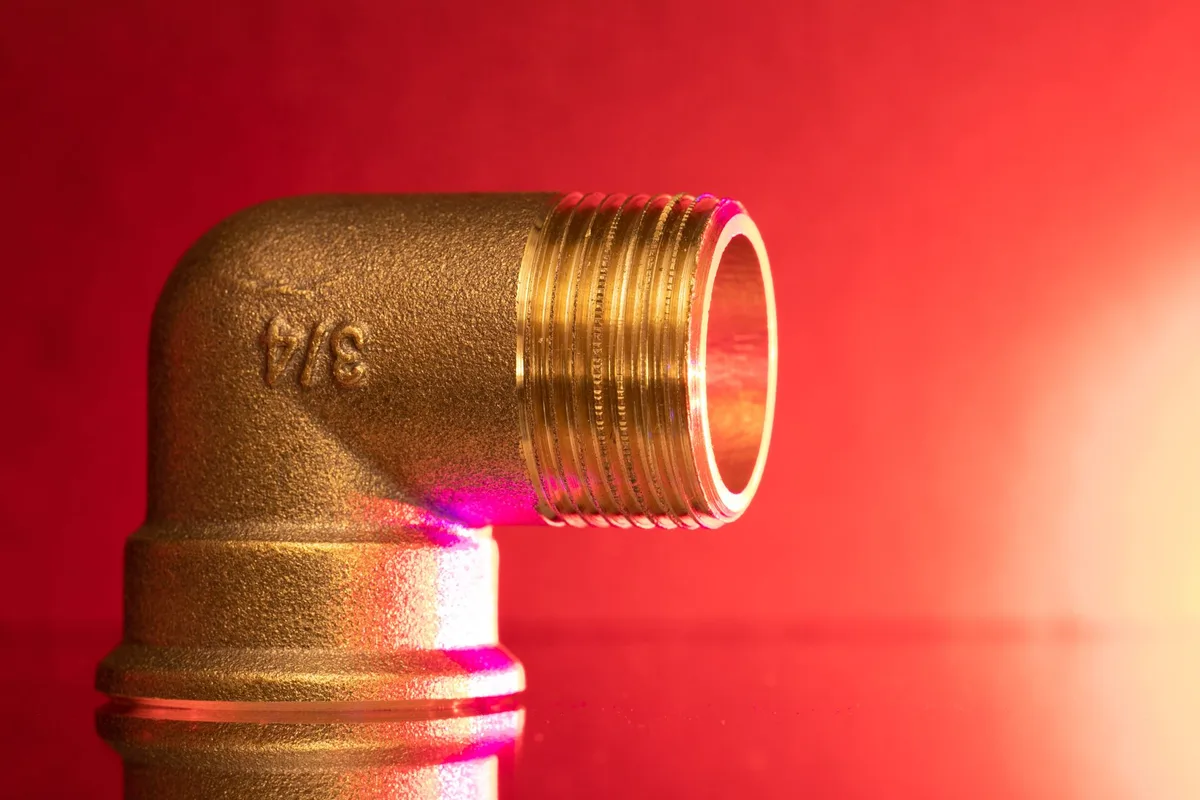
Brass fittings last longer and seal better, but they cost more and can seize up. Plastic is cheap and light, though it cracks sooner. Your choice comes down to budget and how rough your setup gets.
| Factor | Brass | Plastic |
|---|---|---|
| Durability | High, resists cracking | Lower, cracks in cold or sun |
| Sealing | Tight, machined threads | Adequate, wears faster |
| Weight | Heavier | Light |
| Price | Higher | Cheap |
| Best for | Permanent, heavy use | Occasional, budget use |
Brass is the pick for a connection you leave set up all season. It shrugs off UV, heat, and the odd knock. Manufacturer specs confirm brass holds a tighter seal over years of use.
Plastic earns its place for light, seasonal jobs and cold climates where you'd rather crack a $2 part than a pipe. One warning from verified buyer feedback: brass fittings can seize if left screwed on for years. A dab of plumber's grease on the threads keeps them turning.
Keeping the Connection Leak-Free and Winter-Ready
A little upkeep keeps your joined hoses working season after season. Water left inside a coupler is the main enemy in cold months.
Before the first freeze, disconnect the hoses at the joint. Drain both fully by stretching them downhill or looping them over a fence rail. Trapped water expands when it freezes and can split a fitting or the hose wall.
Store the hoses uncoupled and coiled loosely in a shed or garage. Leaving them joined all winter lets the washers flatten and stick.
A few habits that extend fitting life:
- Wipe threads clean before reconnecting each spring.
- Replace any washer that looks cracked or squashed.
- Keep couplers out of direct sun when possible.
Safe Drinking Water and Backflow Basics for Hose Connections
If anyone might drink from the hose, use one labeled drinking-water-safe. Standard garden hoses can leach lead, brass, or other materials into the water. Drinking-water-safe hoses are built lead-free for exactly this reason.
Backflow is the other safety point. A backflow preventer, also called a vacuum breaker, stops dirty water from being siphoned back into your home supply. Most outdoor spigots already have one built in.
Screw a vacuum breaker onto the spigot if yours doesn't. It's a cheap part and simple to fit. This matters most when a hose end sits in a pool, a bucket of fertilizer, or a puddle.
For broader guidance on safe outdoor water use, the U.S. EPA is a solid reference.
Frequently Asked Questions
Can you connect two hoses with the same ends?
Yes, but you need an adapter. Two male ends call for a double-female connector. Two female ends need a double-male adapter.
These small brass or plastic pieces cost a couple of dollars and screw straight on. Without one, matching ends simply won't join.
Do you lose water pressure connecting two hoses?
You lose a little, mostly from added length and friction. Up to 100 feet, the drop is barely noticeable for hand-watering and most sprinklers. Past 150 feet, pressure-hungry gear like pressure washers can struggle.
Matching hose diameters keeps the loss as small as possible.
How many garden hoses can you connect together?
You can connect several, but flow limits the practical count. Most home setups work well up to about 150 feet total. Beyond that, water pressure drops enough to weaken sprinklers and nozzles.
Two 50-foot hoses cover most yards without any trouble.
Why is my hose connection leaking?
A missing or worn rubber washer causes most joint leaks. Unscrew the connection and check that the washer sits flat inside the female end. Reseat or replace it, then hand-tighten.
If it still drips, the threads may be cross-threaded or stripped.
Can you mix a 5/8-inch and 1/2-inch hose?
Yes, though flow drops to the smaller size. Water can only move as fast as the narrowest section allows. So the 1/2-inch hose caps your flow, even if the rest is wider.
For full flow, match both hoses at 5/8-inch.
Your Quick Decision Guide for Connecting Two Hoses
Here's the whole thing boiled down to fast yes-or-no calls.
- Male end meets female end? Screw them together. Done.
- Both ends match? Add a double-male or double-female adapter.
- Joint leaking? Check the washer first, then the threads.
- Flow feels weak? Look at total length and diameter, not the coupler.
- Running a pressure washer? Skip the joint, use one short wide hose.
- Just reaching a far bed? Two joined hoses are perfect.
- Leaving it out all season? Go brass, and grease the threads.
- Winter coming? Disconnect, drain, and store uncoupled.
Match the ends, mind the length, and keep a spare washer handy. Do that, and two hoses will reach wherever you need water to go.

Similar Posts