Can I Flush My Radiator With a Garden Hose? How-To
Can I flush my radiator with a garden hose? Yes, in most cases you can, and plenty of home mechanics do it every year. The catch is that "how" matters more than "can." Do it on a cold engine with controlled water pressure and the right refill, and you'll clear out rust and old coolant just fine.
Get the details wrong, though, and you risk cracking a hot engine or leaving corrosive tap water in the system. A proper job finishes with a fresh 50/50 coolant mix that protects down to roughly -34°F (-37°C), the standard target under ASTM D3306. As of 2026, that's still the baseline most automakers spec for freeze and boil protection.
Let's start with the fast answer, then work through the conditions that decide if a hose is safe for your setup.
Can I Flush My Radiator With a Garden Hose? The Short Answer First
Yes, you can flush a radiator with a garden hose. The engine must be fully cold first. Use gentle water pressure, not a blast.
Back-flush until the water runs clear. Then refill with a proper coolant and distilled water mix, never plain tap water.
That's the whole answer in a nutshell. The rest of this guide covers the "when," the "how," and the mistakes that turn a cheap job into an expensive one.
Which Radiator Are You Talking About, Car Engine or Home Heating?
First, let's clear up what "radiator" means here. The answer splits two ways depending on your system.
- Car engine radiator: This sits at the front of your vehicle and cools the engine using coolant. A garden hose flush works well here, and it's what most people mean by this question.
- Home heating radiator: This is part of a sealed hydronic (hot water) heating loop indoors. You don't open these to a garden hose the same way. They're a pressurized closed system, and draining one wrong invites airlocks and leaks.
This guide focuses on the car engine radiator, since that's where a garden hose truly earns its keep. If you're dealing with a home heating unit, that's a sealed-system job, usually a bleed or a professional power flush, not a hose in the driveway.
How Your Cooling System Actually Works (And Why Flushing Helps)
Your engine makes a lot of heat. The cooling system carries that heat away before it warps metal. Coolant flows from the engine, through the upper radiator hose, into the radiator, then back through the lower hose.
The water pump keeps it moving, and the thermostat controls when it flows.
Over time, coolant breaks down. Its rust inhibitors wear out. Then you get scale, sediment, and a sludgy buildup inside those thin radiator tubes.
Clogged tubes mean less heat escapes, and your temperature gauge starts creeping up.
A flush clears that gunk out. Here's what a good flush does for you:
- Removes rust, scale, and old degraded coolant
- Restores heat transfer so the engine runs cooler
- Protects the water pump and radiator from corrosion
- Brings back weak cabin heat caused by a clogged heater core
Skip flushes for too long and the sediment hardens. At that point a hose won't save it, and you're looking at a new radiator.
The Conditions That Decide If a Garden Hose Is Safe
This is a decision, not a blanket yes. Four things decide whether your hose is a helpful tool or a wrecking ball. Check each one before you touch a drain valve.
Engine Temperature: Cold Only, No Exceptions
The engine must be stone cold. A hot cooling system is pressurized, and opening the cap can spray scalding coolant. Cold water on a hot engine also causes thermal shock.
That sudden temperature swing can crack the block or cylinder head. Wait a few hours, or leave it overnight, before you start.
Radiator Material: Aluminum vs. Copper-Brass
Material changes how much pressure you can use.
- Aluminum with plastic tanks (most modern cars): Lighter and more fragile. High hose pressure can bend the fins or split a seam. Keep the flow gentle.
- Copper-brass (older and classic cars): Tougher and more forgiving. It handles a firmer flush, though old solder joints can still leak if you go rough.
If you're not sure which you've got, treat it as delicate. Low pressure never hurts.
Water Pressure From Your Tap
A typical home tap runs around 40 to 60 psi. That's usually fine for a rinse if you don't clamp the hose to force it. Don't jam a pressure washer in there.
High pressure blows out fins and can rupture an aging core. Let the water flow, don't force it.
Tap Water vs. Distilled Water
Use tap water for the flushing and rinsing stage, since you're just chasing out debris. But do your final rinse and your refill with distilled water. Tap water carries minerals that leave scale behind, and that scale is exactly what you're trying to remove.
Hard-water regions make this worse.
Here's the quick reference:
| Condition | Green light | Red light |
|---|---|---|
| Engine temp | Fully cold | Warm or hot |
| Radiator material | Copper-brass | Fragile aluminum + high pressure |
| Water pressure | Gentle 40 to 60 psi | Pressure washer / clamped hose |
| Final refill water | Distilled | Plain tap water left in |
Your Flush Decision Tree: What to Do in Each Situation
Now let's turn all that into a simple if/then path. Match your situation to the branch below.
- If the engine is still warm: Stop. Wait until it's completely cold, then start.
- If your radiator is aluminum: Use light hose pressure and never a pressure washer. Keep the flush gentle and short.
- If your coolant looks clear and recently changed: You probably don't need a full flush. A drain-and-fill is enough.
- If the coolant is rusty, brown, or full of sediment: Do a full back-flush, then refill with fresh coolant.
- If you see an oily film or milky sludge in the coolant: Stop and get it checked. That can signal a head gasket or oil cooler problem, and no hose flush fixes that.
- If the radiator is badly clogged and won't clear after flushing: The core is likely blocked solid. Replacement is the realistic fix.
- If it's a home heating radiator, not a car: Don't use a garden hose. Bleed it or call a pro for a power flush.
Follow the branch that fits, and you'll know in seconds whether the hose is your friend or a false shortcut. Next we'll walk the actual flush, from cracking the petcock to bleeding out air pockets.
How to Flush a Car Radiator With a Garden Hose, Step by Step
Here's the full process, start to finish. Give yourself about an hour and keep a drain pan ready.
Draining the Old Coolant
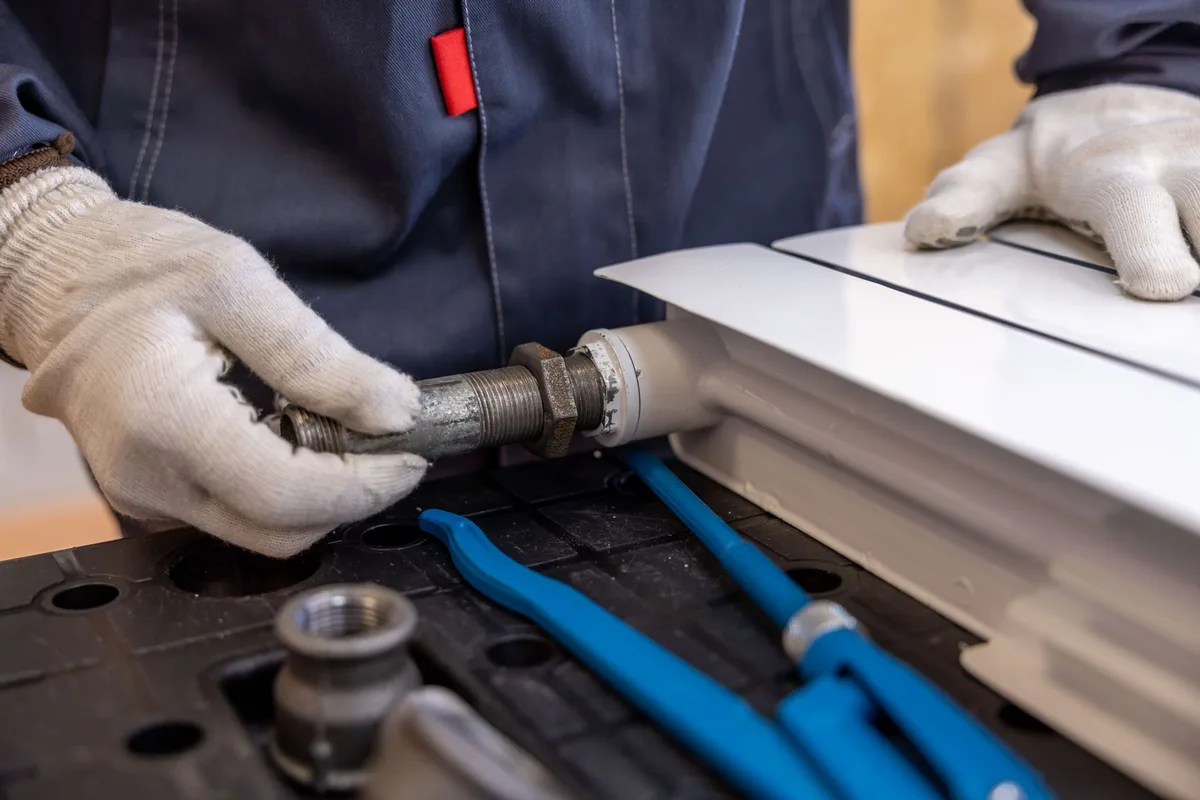
Park on level ground and let the engine cool completely. Slide a large drain pan under the radiator. Remove the radiator cap so the system can breathe.
Then open the petcock, the drain valve at the bottom corner of the radiator, and let it empty fully.
Some cars have no petcock. In that case you disconnect the lower radiator hose to drain it. Expect the old coolant to look brown or rusty if it's overdue.
Back-Flushing in the Right Direction
Back-flushing means running water backward through the system to push debris out. Disconnect the upper radiator hose and feed the garden hose in there. Running water opposite to normal flow lifts sediment that regular flow packed in tight.
Let it run until the water leaving the radiator turns clear. Keep the pressure gentle, especially on aluminum cores. If the water stays murky for a long time, that points to heavy buildup.
Final Rinse and Refill With the Correct Coolant
Do your last rinse with distilled water to leave zero mineral scale behind. Reconnect every hose and close the petcock tightly. Now refill with a 50/50 mix of the correct coolant and distilled water.
Match the coolant type your owner's manual lists, whether that's IAT, OAT (Dex-Cool), or HOAT, since mixing types can gel.
Bleeding Out Air Pockets
Trapped air causes overheating even after a clean flush. Start the engine with the cap off and the heater on full heat. As the thermostat opens, the coolant level drops and bubbles rise.
Top it off, watch the gauge, then cap it and recheck the reservoir once the engine cools.
Garden Hose Flush vs. Professional Machine Flush
Both clean the system, but they suit different situations. A garden hose flush is cheap and hands-on. A machine flush uses a powered exchanger that pumps fresh fluid while pulling old fluid out, often with a cleaning chemical.
| Factor | Garden hose flush | Professional machine flush |
|---|---|---|
| Cost | Coolant only, roughly $20 to $40 | Around $100 to $150 |
| Old coolant removed | Most of it | Nearly all of it |
| Skill needed | Basic DIY | Done for you |
| Best for | Routine cleaning, tight budgets | Heavy sludge, full exchange |
Go with the hose if your coolant is just tired and you're comfortable under the hood. Choose the machine flush if the system is badly contaminated or you'd rather not deal with disposal. Our other driveway maintenance walkthroughs follow the same budget-first logic.
Signs Your Radiator Actually Needs a Flush
Not every car needs one on a fixed date, but some signs are hard to miss. Watch for these red flags.
- Temperature gauge climbing higher than normal in traffic
- Coolant that looks rusty, brown, or has floating bits
- Weak or cold air from the heater in winter
- A sweet smell or visible coolant residue near the radiator
- Sludge or scale visible inside the reservoir
If you spot two or more of these, don't wait. A clogged heater core and creeping temps usually mean sediment has built up past the point where topping off helps.
Mistakes That Wreck Your Engine (Or Your Radiator)
A few common errors turn a simple flush into a repair bill. Here's what to sidestep.
- Flushing a hot engine: The number one mistake. Thermal shock can crack the block or head. Always wait for cold.
- Blasting high pressure: A pressure washer or clamped hose splits fins and seams. Gentle flow only.
- Leaving plain water in: Water alone offers no corrosion protection and freezes solid in winter. Always refill with a proper coolant mix.
- Mixing coolant types: Combining IAT and OAT can form a gel that clogs passages. Stick to one spec.
- Skipping the air bleed: Trapped air makes the engine overheat even after a perfect flush.
- Ignoring a milky, oily film: That points to a head gasket or oil cooler issue, not a dirty radiator.
Our research and aggregate DIY forum feedback show the last one trips people up most. If flushing doesn't fix overheating, the problem lives deeper than the radiator.
Coolant Safety and Disposal You Can't Skip
Coolant is toxic, and how you handle it matters. Ethylene glycol tastes sweet, which draws in pets and wildlife, and even a small amount can be fatal to them. Never leave a puddle or an open container in the driveway.
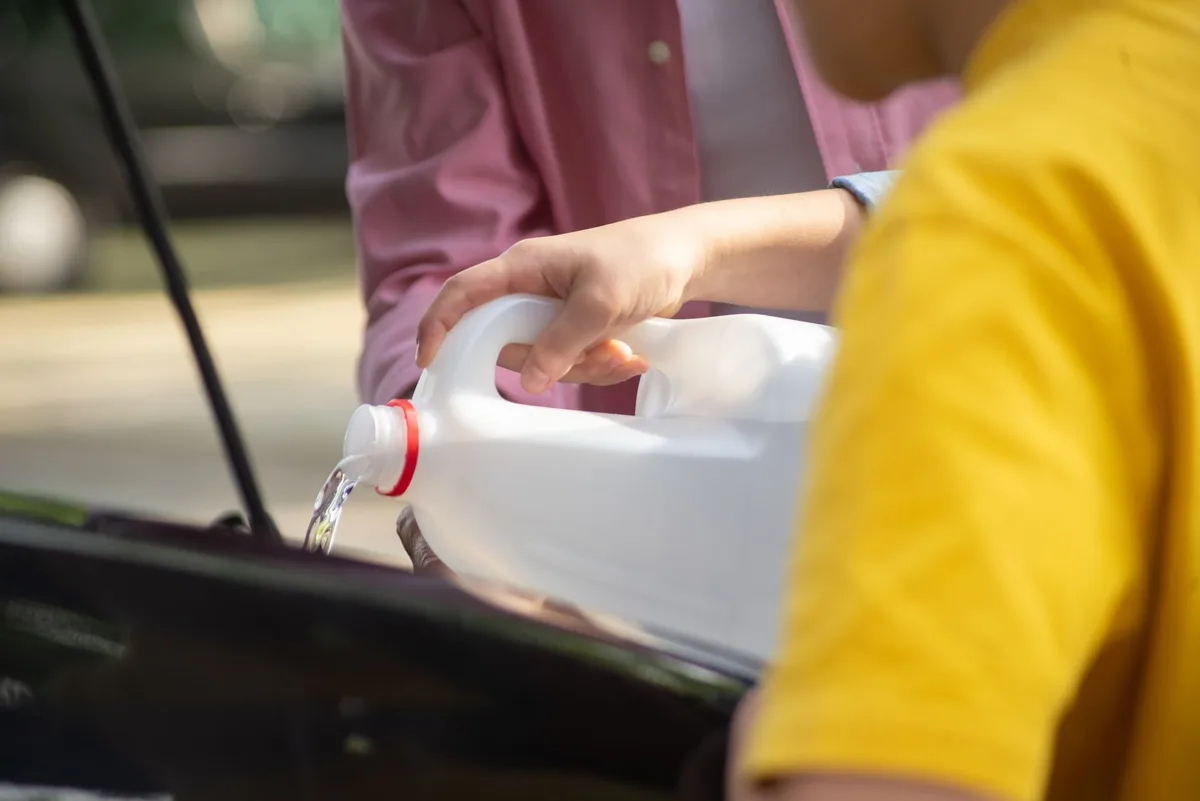
Catch every drop in a sealed container. Don't pour used coolant down a storm drain or onto soil, since it contaminates groundwater. Most auto parts stores and municipal facilities accept used antifreeze for recycling.
The U.S. Environmental Protection Agency treats it as household hazardous waste, so check your local drop-off rules before you toss anything.
A few quick habits keep the job safe:
- Wear gloves and eye protection while draining
- Keep kids and pets away from the work area
- Wipe up spills right away with absorbent material
- Label the storage container clearly
Handle the fluid with the same care our DIY editorial team applies to any job involving chemicals: contain it, store it, recycle it.
What It Costs: DIY vs. Shop Service
Doing it yourself is the cheap route. You're mainly paying for coolant and distilled water. Expect roughly $20 to $40 in materials for most cars, depending on system capacity and coolant type.
A shop coolant exchange usually runs $100 to $150, sometimes more for European models or larger systems. You're paying for labor, a machine flush, and proper disposal. If your time is tight or the coolant is badly contaminated, the shop price buys convenience and a more complete exchange.
How Often to Flush and What to Do Between Flushes
Most manufacturers spec a coolant service every 30,000 to 50,000 miles, or every 2 to 5 years. Always check your owner's manual first, since long-life coolants can stretch that interval. Severe driving, towing, or older vehicles push you toward the shorter end.
Between flushes, a little upkeep goes a long way:
- Check the coolant level in the reservoir monthly when the engine is cold
- Top off with the same 50/50 mix, never straight water
- Watch for color changes or floating debris
- Inspect hoses for cracks, bulges, or soft spots
Catching a leak or a browning fluid early saves you from an emergency flush on the roadside.
Pro Tips for a Cleaner, Longer-Lasting Cooling System
A few habits keep your radiator flowing well for years. These come straight from aggregate mechanic feedback and manufacturer guidance.
- Always use distilled water in the mix. It leaves no scale behind.
- Buy pre-mixed coolant if you want zero guesswork on ratios.
- Replace the radiator cap if it's old. A weak cap drops system pressure and lowers the boiling point.
- Run the heater on high during the air-bleed step to clear the heater core.
- Keep a small stock of your exact coolant type on hand for top-offs.
One more: label the date of your flush somewhere visible, like a sticker under the hood. It beats guessing next time your temp gauge acts up.
Frequently Asked Questions
Can I use tap water to flush my radiator?
Yes, for the flushing and rinsing stage only. Tap water is fine for chasing out debris. But do your final rinse and refill with distilled water.
Tap water carries minerals that leave scale inside the radiator, which is the exact buildup you're trying to remove.
Do I need a chemical flush or is water enough?
Plain water works for routine cleaning of a lightly dirty system. A radiator flush chemical helps when there's stubborn scale or sludge. Add the cleaner, run the engine to circulate it, then drain and rinse thoroughly.
Always follow the product's directions and never leave it in.
How do I flush the radiator if there's no petcock?
Disconnect the lower radiator hose to drain the old coolant into your pan. Then feed the garden hose into the upper hose opening for back-flushing. Once the water runs clear, reconnect both hoses, refill with the correct coolant mix, and bleed the air out.
Is it safe to leave water in the radiator overnight?
Only briefly, and never in freezing weather. Plain water offers no corrosion protection and can freeze and crack components below 32°F (0°C). If you must pause the job, do it in a warm space.
Always finish with a proper coolant mix before driving.
Can a garden hose flush fix an overheating engine?
Sometimes, if the cause is a clogged, sediment-filled radiator. A flush restores flow and heat transfer in that case. But overheating can also come from a bad thermostat, water pump, or head gasket.
If flushing doesn't fix it, have those parts checked.
The Bottom Line: When a Garden Hose Works and When to Stop
A garden hose flush is a smart, budget-friendly job for a car engine radiator. It works best on a cold engine, with gentle pressure, finished with a proper 50/50 coolant mix. Do it that way and you'll clear rust, restore cooling, and save real money over a shop visit.
Know when to stop, too. If you see milky sludge, a stubborn clog that won't clear, or overheating that lingers after the flush, the problem runs deeper than a dirty radiator. That's your cue to get a professional look before something cracks.
Handle the coolant safely, recycle the old fluid, and your cooling system will thank you for years.

Similar Posts