How to Connect a Garden Hose to Your Kitchen Sink
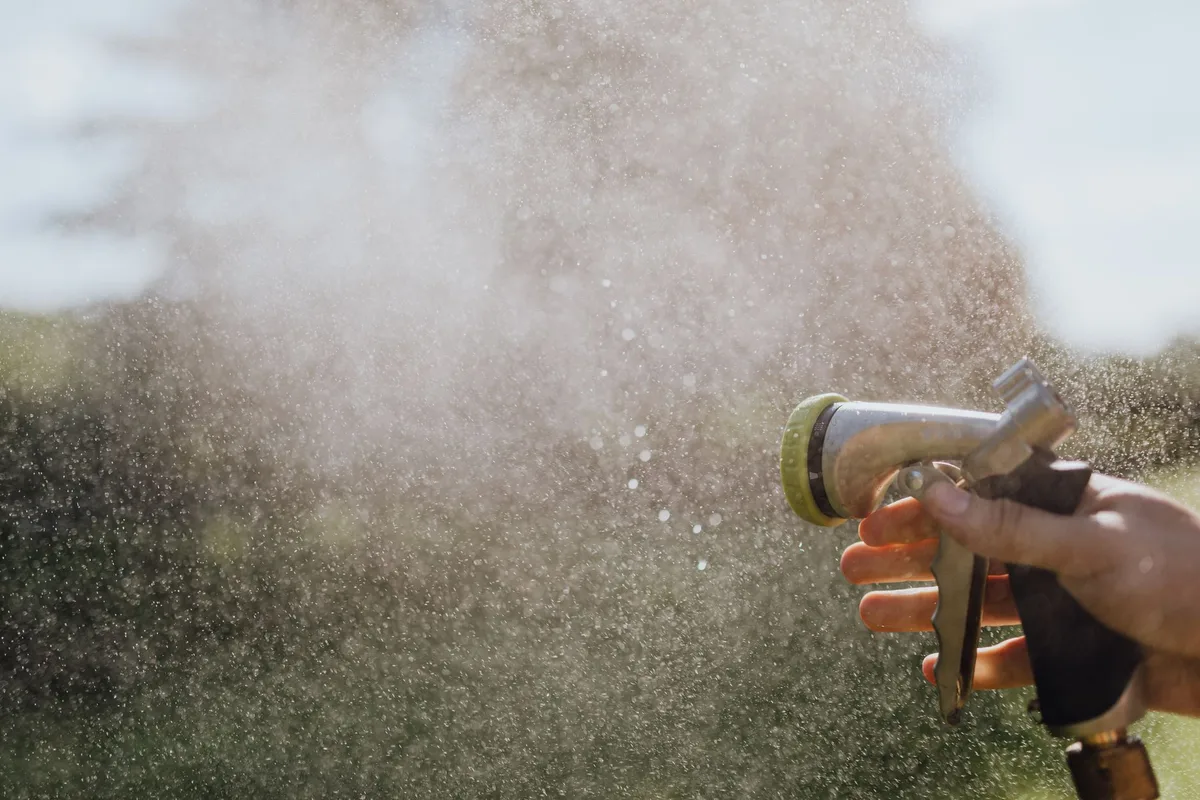
If you've ever asked, "can i hook a garden hose to kitchen sink," the short answer is usually yes, but it depends on your faucet. Most standard kitchen faucets can take a small adapter that connects to a garden hose. The catch is your faucet type and the threads hiding under the tip.
Here's the part that trips people up. Kitchen faucet threads almost never match garden hose threads out of the box. Garden hoses use a 3/4-inch GHT standard, while most aerators use 55/64"-27 or 15/16"-27 threads.
That mismatch is exactly why you need the right adapter, so let's start with the honest yes-or-no.
Can You Actually Hook a Garden Hose to a Kitchen Sink? The Short Answer
Yes, in most cases you can. You'll need a faucet-to-hose adapter that matches your aerator threads. Standard faucets with a removable aerator work best.
Pull-down and touchless faucets usually won't connect at all. The whole fix costs a few dollars and takes minutes.
That's the snippet version. The real answer swings on three things: what kind of faucet you own, whether the aerator unscrews, and the thread size underneath.
Think of it as a simple if/then. If your faucet has a standard, removable aerator, then you're almost certainly good to go. If it's a pull-down sprayer or touchless model, then you'll probably need a different tap.
We'll walk each branch below.
Why It Depends on Your Faucet, Not the Hose
The hose is the easy part. Every standard garden hose in the US uses the same connector, called garden hose thread (GHT), spec'd at 3/4"-11.5 NH. Your hose isn't the problem.
Your faucet is.
Kitchen faucets weren't designed to grip a hose. The tip holds a small screen called an aerator, which mixes air into the water to cut splashing. That aerator is what you either adapt or replace.
No adapter, no connection.
So the whole question comes down to one thing. Can you get a solid threaded connection at the faucet tip? If yes, you're set.
If the spout is sealed or oddly shaped, you're out of luck at that sink.
One bonus worth knowing: a kitchen faucet gives you hot and cold water. An outdoor spigot only runs cold. That's a real advantage when you're filling a bucket or topping up warm water for chores.
It's also why so many renters and apartment dwellers look indoors first, especially for watering thirsty houseplants in winter.
Figure Out What Kind of Kitchen Faucet You Have
Start here before you buy anything. Your faucet style decides whether this works at all. Look at the tip of your spout and how the sprayer behaves.
Standard Faucet With a Removable Aerator (Usually a Yes)
This is the easy win. If your faucet has a fixed spout with a small screen you can unscrew at the tip, you're in great shape. Grip the aerator and twist counterclockwise.
If it comes off, an adapter almost certainly fits.
These faucets are the most common in older kitchens and budget builds. They're the whole reason the "yes" answer exists.
Pull-Down or Pull-Out Sprayer Faucets
These usually won't work, and here's why. The spray head is one molded piece with an internal spray mechanism, not a threaded aerator you can swap. There's nothing standard to screw onto.
Some pull-down heads have a tiny recessed aerator, but it rarely accepts a hose adapter. If you own one of these, plan on using a different sink. Don't force a fitting where the threads don't exist.
Touchless and Touch-Activated Faucets
Skip these for hose duty. Touchless models run on sensors and often have sealed spray heads. Even when an aerator is present, the shape and electronics make a reliable hose connection unlikely.
If your kitchen has one of these, jump ahead to the alternatives. A laundry or bathroom tap will save you the headache.
Check Your Aerator: Thread Size and Gender
The aerator threads decide which adapter you buy. Get this wrong and nothing seals. Unscrew the aerator, take it to the store, or measure it first.
Male vs. Female Aerator Threads
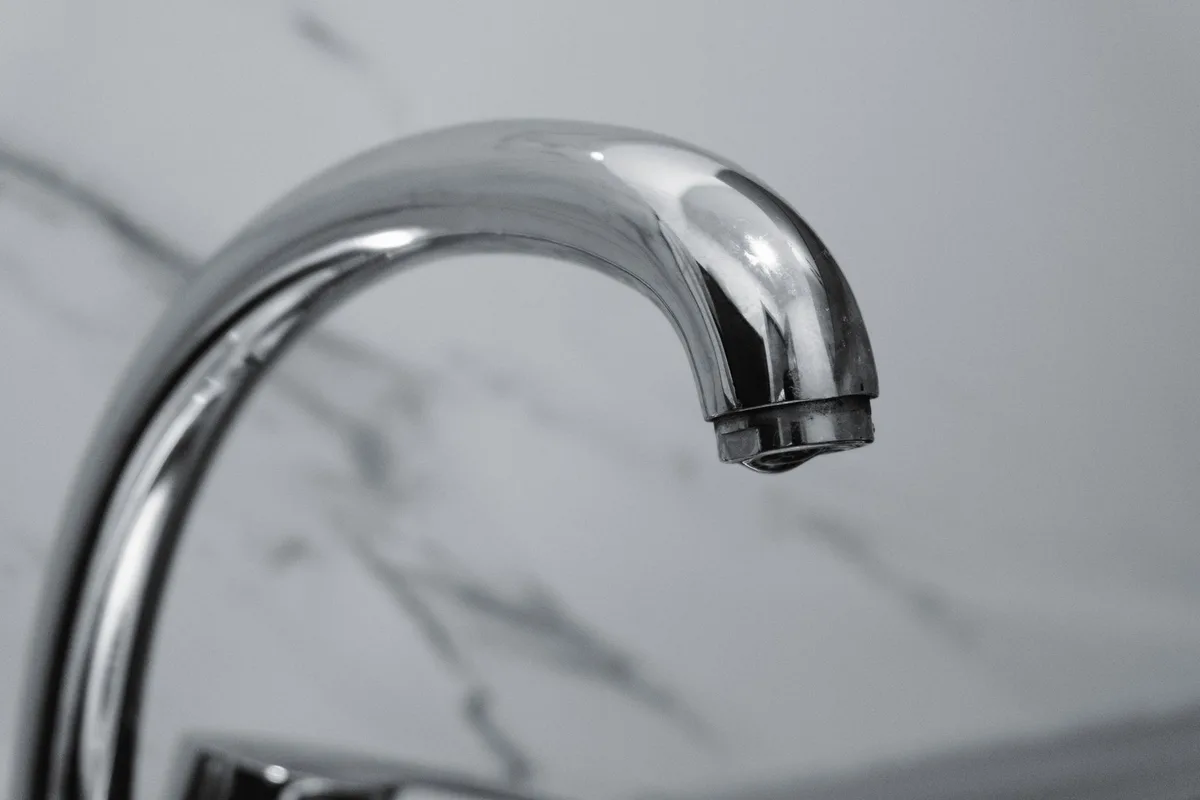
Faucet threads come in two flavors. Male threads sit on the outside of the spout tip. Female threads sit on the inside, hidden up inside the spout.
You'll buy the opposite gender adapter to match.
Here's the quick test. If you can see threads on the outside of the spout, that's male. If the threads are tucked up inside and the outside is smooth, that's female.
Note which one you have before shopping.
Standard, Junior, and Cache (Hidden) Aerators
Most kitchen aerators fall into a few common thread sizes. A cache aerator, also called a hidden or recessed aerator, sits flush and needs a small plastic key to remove. If yours has no visible screen or flats to grip, it's likely a cache type.
| Aerator type | Common thread size | Notes |
|---|---|---|
| Standard male | 15/16"-27 | Threads on outside of spout |
| Standard female | 55/64"-27 | Threads inside spout |
| Junior/small | 13/16"-24 | Smaller spouts |
| Cache/hidden | Varies | Needs removal key |
Kitchen faucets sold in the US are capped at 2.2 gallons per minute under federal WaterSense guidance, so don't expect garden-spigot pressure through a kitchen tap. It's plenty for buckets and pools, just slower.
The Adapter That Bridges Faucet Threads to Garden Hose Threads
This little fitting is the whole trick. A faucet-to-hose adapter has aerator threads on one end and garden hose threads on the other. Screw it onto your faucet, then screw the hose onto it.
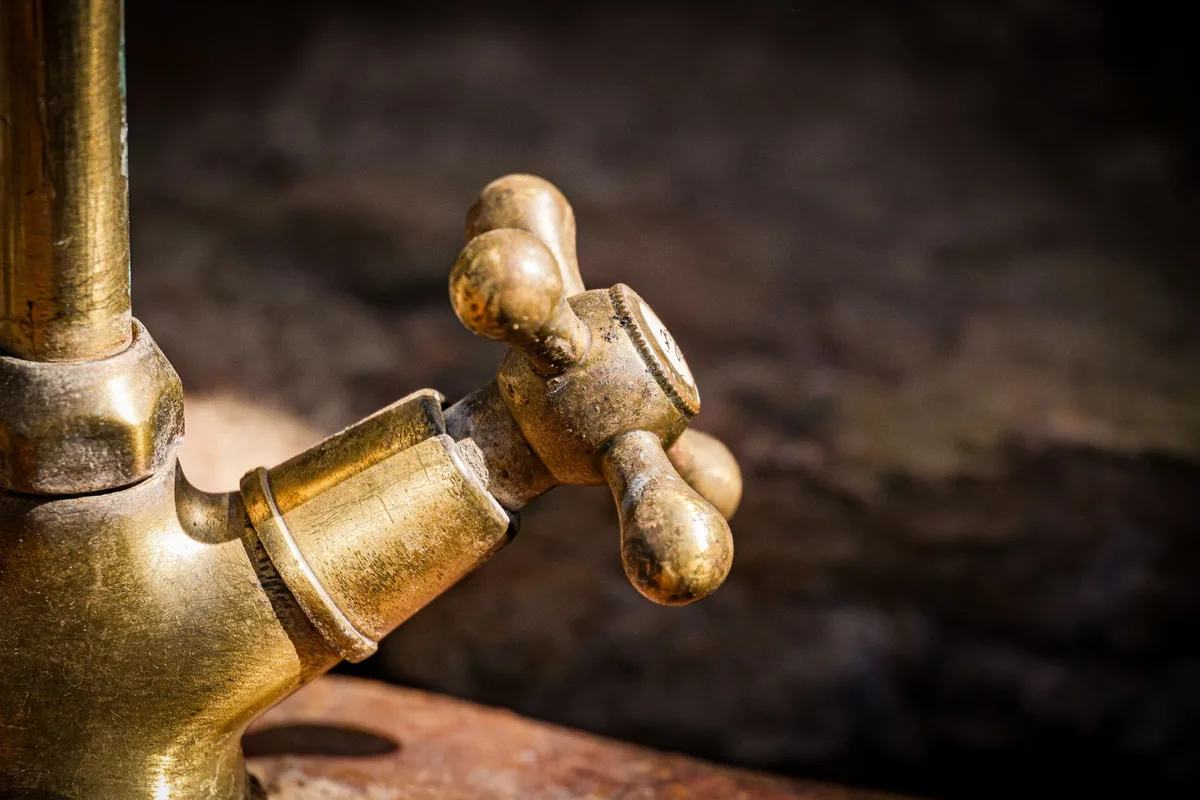
You'll find two main styles. Threaded adapters screw on and stay put. Quick-connect adapters let you snap the hose on and off fast.
For occasional filling, either works fine.
Look for solid brass or chrome-plated brass if you'll use hot water. Cheap plastic can warp or crack under heat and pressure. A universal multi-size kit covers the common thread sizes if you're not sure what you have.
- Match the faucet end to your aerator size and gender.
- Confirm the hose end is standard 3/4-inch GHT.
- Check for an included rubber washer to stop leaks.
- Choose brass over plastic for hot-water jobs.
Once you've got the right adapter in hand, the hookup is quick. For more sink and outdoor watering walkthroughs, our running list of guides covers the follow-up steps.
Step-by-Step: Connecting the Hose to Your Sink
Once you've got the matching adapter, the hookup takes about five minutes. Work slowly the first time so you catch any leaks before they soak the counter.
- Unscrew the aerator by turning it counterclockwise. Use a cache key or a cloth for grip.
- Check the small rubber washer inside. Replace it if it's cracked or missing.
- Wrap the faucet threads with two or three turns of PTFE tape if they look worn.
- Hand-tighten the adapter onto the faucet. No wrench, no overtightening.
- Screw the garden hose onto the adapter's GHT end until snug.
- Turn the water on low first. Watch the joint, then bump up the flow.
If you see a drip at the faucet, back off and reseat the washer. If it leaks at the hose end, the GHT washer inside the hose coupler is the usual culprit. Swap it for a fresh one.
Keep the pressure gentle to start. A sudden blast can pop a hand-tight adapter right off. Ramp up once you know the seal holds.
What to Do If Your Faucet Won't Take an Adapter
Not every kitchen faucet plays along, and that's fine. You've got solid backups that often work better anyway. Here's the if/then when the kitchen tap is a dead end.
Try the Bathroom, Laundry, or Utility Sink Instead
Look at your other taps first. Many bathroom faucets share the same aerator threads as kitchen ones, so the same adapter fits. A utility or laundry sink is even better.
Some already have hose threads built in, no adapter required.
The laundry hookup is another option. Your washing machine's cold supply valve uses a hose connection you can borrow with a splitter. That's a common trick for filling pools when no outdoor spigot exists.
When Replacing the Faucet Makes Sense
Swap the faucet only if you'll connect a hose often. A new pull-out or standard faucet with a removable aerator runs roughly $60 to $200. That's overkill for a once-a-summer pool fill.
For heavy use, though, it pays off. A threaded faucet ends the adapter hunt for good. If you're already upgrading the kitchen, pick a model with a standard aerator and you're set.
Common Mistakes That Cause Leaks and Blow-Offs
Most failures trace back to a handful of avoidable errors. Fix these and your connection stays dry and secure.
- Wrong thread gender. A male adapter on a female aerator won't seal. Confirm inside versus outside threads first.
- Cross-threading. Forcing the adapter on at an angle strips the soft brass. Start it by hand and turn gently.
- Skipping the washer. No washer means a guaranteed drip. Every joint needs one.
- Overtightening. Cranking with pliers cracks plastic adapters and warps the seal. Hand-tight is the target.
- Full pressure too fast. A hard surge blows a hand-tight fitting off the spout. Open the valve slowly.
- Hose weight. A heavy hose drags on a lightweight faucet. Support it so it doesn't strain the spout.
One more from aggregate user reviews: hot water and cheap plastic don't mix. Warm water softens low-grade nylon adapters until they leak or split. If you'll run hot, go brass.
Water Safety: Backflow, Hot Water, and Hose Contaminants
This is the part folks skip, and it's the one that actually matters. Connecting a hose to a drinking-water tap creates a cross-connection risk. That's a real health issue, not a technicality.
Backflow and Cross-Connection Basics
Backflow happens when dirty water gets siphoned back into your clean supply. If the hose end sits in a pool or bucket and pressure drops, contaminated water can flow backward. The EPA's cross-connection control guidance treats this as a genuine drinking-water hazard.
The fix is cheap and simple. Add a hose bibb vacuum breaker or backflow preventer at the connection. Never leave the hose end submerged while it's attached.
Pull it out of the water when you're not actively filling.
Why a Standard Garden Hose Isn't Drinking-Water Safe
Don't drink from a regular garden hose. Many contain lead, BPA, or phthalates in the vinyl, which is why they carry Proposition 65 warnings. That water is fine for plants or a bucket, not for people or pets.
Filling a fish tank, a pet bowl, or an outdoor container garden you'll eat from? Use a drinking-water-safe hose. These are usually white or blue and marked lead-free to NSF/ANSI 61 and 372.
They cost a little more and skip the funky plastic taste.
What This Costs: Adapters, Kits, and Thread Sizes
The whole fix is cheap, which is the best part. Most people spend under $15 to get water flowing.
| Item | Typical price | Best for |
|---|---|---|
| Single faucet-to-hose adapter | $5 to $10 | Known thread size |
| Universal multi-size kit | $10 to $20 | Unsure of threads |
| Brass quick-connect adapter | $10 to $15 | Frequent hookups |
| Drinking-water-safe hose | $25 to $50 | Aquariums, pets, edibles |
| Hose vacuum breaker | $8 to $15 | Backflow protection |
Skip the guesswork if you can. A universal kit covers 15/16"-27, 55/64"-27, and junior sizes in one pack. That's the safe bet when you can't read your aerator threads.
Spend a few extra dollars on brass over plastic. Verified buyer feedback consistently points to brass fittings lasting longer, especially with hot water. It's the difference between a one-season fix and one that survives for years.
Best Uses: Pools, Plants, Aquariums, and Winter Watering
This setup shines when you've got no outdoor spigot. Apartment and condo dwellers lean on it most. Here's where a kitchen-to-hose connection earns its keep.
- Filling a kiddie pool or inflatable pool. Hot and cold mix means the water isn't ice-cold for the kids.
- Watering balcony plants or a patio garden. Handy for beds tucked along a privacy screen or fence line.
- Filling aquariums with a drinking-water-safe hose. Temperature control helps match tank conditions.
- Washing mop buckets, car-wash buckets, or coolers. Faster than hauling bowls back and forth.
- Winter watering when outdoor faucets are shut off. A lifesaver for evergreens and pots near a cozy country-style border.
RV and van-lifers use the same trick to fill freshwater tanks at a kitchen tap. Just remember the drinking-water-safe hose for anything you'll consume.
Pro Tips for a Tight, Reliable Connection
A few small habits keep the connection leak-free for the long haul. These come straight from aggregate installer and buyer feedback.
- Keep a spare washer or two on hand. They're the number one leak fix.
- Store the adapter with the aerator so you never lose either piece.
- Reseat the aerator right after you finish. It protects the threads and restores splash-free flow.
- Use PTFE tape only on threads, never over the washer face. Two wraps is plenty.
- Support a long, heavy hose with a hook or bucket so it doesn't tug the spout.
- Turn the water off at the faucet, not just the nozzle, when you're done. That drops the pressure on the fitting.
Build one more habit: check the connection before every fill. A quick glance catches a worn washer before it soaks your floor.
Frequently Asked Questions
Can I hook a garden hose to any kitchen faucet?
No. Standard faucets with a removable aerator work with a simple adapter. Pull-down sprayers and touchless faucets usually don't have compatible threads.
Check whether your aerator unscrews first. If it does, an adapter almost certainly fits.
What size adapter do I need for a kitchen faucet?
It depends on your aerator threads. Common sizes are 15/16"-27 male and 55/64"-27 female, with junior faucets at 13/16"-24. If you can't tell, buy a universal multi-size kit.
It covers all the common thread sizes in one pack.
Is it safe to run hot water through a garden hose?
Only with the right hose and fitting. Standard garden hoses can leach chemicals and soften under heat. Use a brass adapter, not plastic, and a hose rated for hot water.
For anything you'll drink, use a marked drinking-water-safe hose.
Can I drink water from a hose connected to my kitchen sink?
Not from a regular garden hose. Many contain lead, BPA, or phthalates and carry Proposition 65 warnings. That water is fine for plants, pools, or cleaning.
For drinking or pet water, switch to an NSF-certified drinking-water-safe hose.
Do I need a backflow preventer for this?
Yes, it's the safe move. Attaching a hose to a drinking-water tap creates a cross-connection risk. A cheap hose vacuum breaker stops contaminated water from siphoning back.
Never leave the hose end sitting in a pool or bucket while it's connected.
Your Quick Decision Guide
Here's the whole thing boiled down. Walk the branches and you'll have your answer in seconds.
- Standard faucet, removable aerator? Buy the matching adapter and you're good.
- Pull-down, pull-out, or touchless faucet? Skip it. Use a bathroom, laundry, or utility sink instead.
- Not sure of your threads? Grab a universal adapter kit and a spare washer.
- Running hot water? Choose brass over plastic every time.
- Filling a pool, tank, or pet bowl? Add a vacuum breaker, and use a drinking-water-safe hose for anything you'll consume.
Get the faucet type and threads right, and this is a five-minute, few-dollar fix. Match the wrong adapter or skip the washer, and you'll chase leaks all afternoon. Check first, connect second, and let the water flow.

Similar Posts