Can I Use a Garden Hose to Fill My Aquarium?
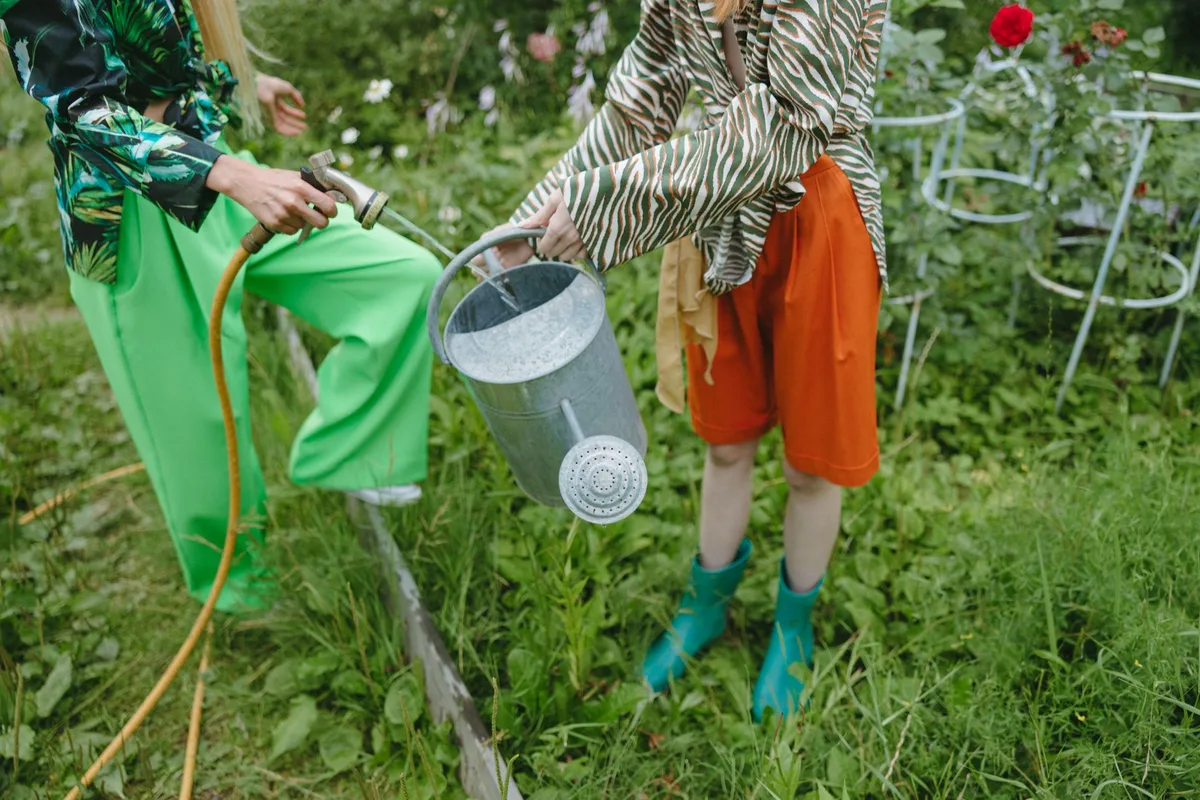
So you're standing next to a 75-gallon tank, arms already sore, wondering "can I use a garden hose to fill my aquarium" instead of hauling buckets across the house? The short version is yes, but only if you get two things right. The hose you use matters.
So does whether fish are already swimming in there.
The safe kind of hose carries an NSF/ANSI 61 or 372 marking, which caps lead at 0.25% by weighted average. A regular garden hose has no such limit, and plenty of them leach lead, BPA, and plasticizers into standing water. As of 2026, that single difference is what separates a clean fill from a fish-killing one.
Let's sort out which side of the line you're on.
Can You Use a Garden Hose to Fill Your Aquarium? The Short Answer
Yes, you can fill an aquarium with a garden hose. But use a drinking-water-safe hose, not a standard one. Standard hoses can leach lead and plasticizers into the water.
Always add a dechlorinator to remove chlorine and chloramine. Match the water temperature to the tank before adding it near fish.
That's the whole answer in five sentences. Everything below explains the "why" so you can adapt it to your own tank, your own tap, and your own hose.
What Actually Makes Hose Water Risky for Fish
Two separate problems hide inside one simple question. People mix them up constantly. One comes from your tap water.
The other comes from the hose itself. You have to solve both, and a single product won't cover both.
Chlorine and Chloramine From the Tap
Chlorine and chloramine are disinfectants your water utility adds to kill bacteria. They do the same thing inside your tank, wiping out the beneficial bacteria that keep ammonia in check. Chlorine gasses off over time.
Chloramine does not, and it breaks down into ammonia, which is toxic to fish.
Here's the fix. A dechlorinator (water conditioner) neutralizes both, plus the ammonia that chloramine leaves behind. Popular options like Seachem Prime or API Tap Water Conditioner do this in seconds.
Dose for your full tank volume, not just the new water, when chloramine is involved. Your utility's annual Consumer Confidence Report tells you which disinfectant they use, and the EPA's drinking water resources explain the standards behind it.
Leaching From the Hose Itself: Lead, BPA, and Plasticizers
This is the part most people miss. A standard garden hose is made from PVC or vinyl, often with brass fittings. Those materials can leach lead, BPA, phthalates, and antimony into water that sits inside the hose.
Warm weather makes it worse.
A dechlorinator does nothing about any of that. It only handles chlorine and chloramine. So if you fill from a cheap garden hose, you might remove the chlorine and still poison shrimp, snails, or sensitive fish with dissolved metals.
That's why the hose choice matters as much as the water treatment.
Quick rule of thumb: dechlorinator fixes the water, the right hose fixes the plumbing. You need both.
The Two Questions That Decide Everything: Which Hose, Which Tank
Every safe-or-not answer here comes down to two questions. Answer them and you'll know exactly what to do. It's a simple decision tree.
- Question 1: Is your hose rated drinking-water-safe (NSF-61 or NSF-372), or is it a standard garden hose?
- Question 2: Is the tank empty and unstocked, or does it already hold live fish and plants?
Here's the logic:
- If the hose is potable-rated and the tank is empty, then fill freely, treat the water, and let it age before adding livestock.
- If the hose is potable-rated and fish are present, then match temperature, dose dechlorinator, and fill slowly.
- If the hose is a standard garden hose and the tank is empty, then flush the hose first, treat the water, and test before stocking.
- If the hose is a standard garden hose and fish are present, then don't risk it. Swap to a safe hose or use the bucket method.
The rest of this guide walks each branch. If you keep tanks indoors alongside your houseplant setup, the same water-quality logic applies to what you pour on sensitive plants too.
Standard Garden Hose vs. Drinking-Water-Safe Hose
The difference between these two hoses is the single most important call you'll make. A standard garden hose is built to water your lawn, not to carry water your fish will live in. A drinking-water-safe hose is made to potable standards, with low-lead fittings and food-grade lining.
Here's how they stack up side by side.
| Factor | Standard Garden Hose | Drinking-Water-Safe Hose |
|---|---|---|
| Lining material | PVC/vinyl, often unlabeled | Food-grade, potable-rated |
| Certification | None (may carry Prop 65 warning) | NSF/ANSI 61 or 372 |
| Lead in fittings | Can exceed safe limits | ≤0.25% weighted average |
| Leaching risk | Lead, BPA, phthalates, antimony | Minimal, tested |
| Safe for fish | Only after heavy flushing | Yes, with dechlorinator |
| Typical cost | Lowest | Slightly higher |
The takeaway is simple. If you're buying a hose for tank duty, get the potable one and label it "aquarium only." It costs a little more and removes the biggest hidden risk in one move. Keep it away from any hose that's touched fertilizer, weed killer, or a car wash bucket.
A hose used near your garden beds and borders can pick up residues you never want near fish.
Filling an Empty New Tank vs. Topping Off a Tank With Fish
The stakes change completely depending on whether fish are already in the tank. An empty tank is forgiving. A stocked tank punishes mistakes fast.
Treat these as two different jobs.
If the Tank Is Empty (No Livestock Yet)
This is the low-risk branch. No fish means no immediate danger from temperature swings or a stray bit of chlorine. You've got room to breathe.
- Flush the hose for 30 to 60 seconds first to clear stagnant water.
- Fill the tank to your target level.
- Add dechlorinator dosed for the full volume.
- Let the water age and aerate, ideally 24 hours, before adding fish.
- Test for chlorine, ammonia, and pH once it's settled.
Aging the water lets temperature stabilize and any residual gasses escape. It also gives your filter time to start building the bacteria colony your fish will depend on later.
If Fish Are Already In There
This is the high-risk branch, so slow down. Live fish react to temperature shock and toxins within minutes. Every step here protects what's already alive.
- Match the incoming water temperature to the tank as closely as you can. Tropical tanks usually sit between 74 and 80°F.
- Dose dechlorinator before or as the water goes in, sized for the whole tank.
- Fill slowly to avoid blasting the substrate or stressing fish.
- Never top off with hot water straight from a sun-heated hose. It can spike the temperature.
If your only hose is a standard garden hose, don't gamble with stocked fish. Switch to a potable hose or fall back to the bucket-and-conditioner method for that fill. The few extra minutes are cheaper than replacing a tank full of fish.
Garden Hose vs. Python System vs. Bucket Method
Three tools do this job, and the right one depends on tank size and how often you fill. A potable garden hose is best for large tanks near an outdoor spigot. A Python-style water changer connects to a sink faucet and both drains and fills.
The bucket method is the fallback for small tanks or when you don't trust your hose.
Here's who each one suits:
- Potable garden hose: 55-gallon tanks and up, especially with a clean outdoor tap close by. Fastest for pure filling.
- Python No Spill Clean and Fill: anyone doing regular water changes indoors. It drains old water and refills from one faucet hookup.
- Bucket and siphon: nano and 10-gallon tanks, or a quick emergency top-off. Slow but foolproof.
| Method | Best tank size | Speed | Main drawback |
|---|---|---|---|
| Potable garden hose | 55g and up | Fast | Needs safe hose plus temp control |
| Python changer | Any regular tank | Medium | Wastes some water on drain |
| Bucket method | Under 20g | Slow | Heavy, back-straining |
The Python wins for routine maintenance because it handles both halves of a water change. The hose wins on raw fill speed for big builds. Pick the one that matches how you actually work.
How to Safely Fill Your Aquarium With a Hose, Step by Step
Follow these steps in order and you'll avoid nearly every hose-related disaster. The sequence matters, so don't skip ahead.
- Grab your aquarium-only potable hose. Never use one that's touched pesticides or fertilizer.
- Flush it for 30 to 60 seconds. This clears stagnant water and biofilm from the lining.
- Check the temperature at the tap. Adjust hot and cold until it's close to your tank's reading.
- Dose dechlorinator for the full tank volume before or during the fill.
- Fill slowly. Aim the flow at a plate or your hand to protect the substrate.
- Test the water once it settles. Confirm zero chlorine and ammonia, then check pH.
For a brand-new tank, add one more step. Let the filled water age and aerate for 24 hours before you add any fish. That buffer smooths out temperature and gives dissolved gasses time to leave.
Store the hose properly when you're done. Drain it, cap the ends, and keep it away from your regular yard hoses. A hose that stays dry between uses grows far less bacteria inside.
Mistakes That Kill Fish (and How to Dodge Them)
Most hose-fill disasters trace back to the same handful of errors. Each one is easy to avoid once you know it.
- Skipping dechlorinator: chlorine and chloramine wipe out your bacteria colony and stress fish within minutes. Always dose first.
- Using a random garden hose on a stocked tank: leached metals can kill shrimp and snails even when the chlorine is handled.
- Ignoring temperature: hot hose water can spike a tank several degrees fast. Cold shock stresses fish just as badly.
- Blasting the fill: a full-pressure stream digs up substrate and uproots plants. Slow it down.
- Cross-contamination: one hose shared with weed killer or fertilizer can poison a tank. Keep an aquarium-only hose, labeled and separate.
One more that catches people off guard. Dosing dechlorinator only for the new water when your utility uses chloramine. Chloramine leaves ammonia behind, so treat the whole volume.
When in doubt, over-dose slightly. Most conditioners are safe well above the label rate.
Well Water, Chloramine Towns, and Hard-Water Regions
Your water source changes the playbook, so know what comes out of your tap. City water, well water, and hard-water regions each bring different risks. A hose doesn't change the chemistry, only how you deliver it.
If you're on municipal water, check whether your utility uses chlorine or chloramine. Chloramine is stubborn and needs a conditioner that specifically handles it. Your annual water report spells out which one you get.
Well-water households skip the chlorine problem entirely. But well water can carry high nitrates, iron, or a swing in pH and hardness. Test it before trusting it, since these won't show up by smell.
Hard-water regions run high GH and KH, which suits African cichlids but stresses soft-water species like many tetras. Hot climates add another wrinkle. Water sitting in a sun-baked hose leaches more and heats up fast, so flush longer in summer.
The same seasonal care you'd give an outdoor tap serving your backyard planting areas applies here.
Reading the Label: NSF-61, NSF-372, and Prop 65
The markings on a hose tell you almost everything about its safety. Learn three of them and you'll never guess again. These come from independent standards bodies, not marketing departments.
- NSF/ANSI 61: certifies that a component is safe for contact with drinking water. Look for it on the hose or packaging.
- NSF/ANSI 372: confirms "lead-free," meaning wetted parts hold no more than 0.25% lead by weighted average. That threshold comes from the Safe Drinking Water Act.
- Prop 65 warning: California's label flagging chemicals like lead or phthalates. A hose carrying this warning is a red flag for tank use.
Certification details for these standards live with NSF International, the body that runs the testing. If a hose shows NSF-61 or 372 and no Prop 65 warning, it's a safe bet for filling. If it carries a Prop 65 warning and no potable rating, keep it on the lawn.
When a hose has no markings at all, treat it as unsafe for fish and flush it hard before any contact with your tank.
Pro Tips for Big Tanks and Faster Water Changes
Big tanks reward a little setup work up front. A few habits make hose fills faster and safer on 75-gallon builds and larger.
- Pre-mix and age water in a food-safe barrel (a Brute-style trash can works). Then pump it in at the right temperature with no surprises.
- Add an inline thermometer or check the tap flow with a digital probe so you're not guessing.
- Keep a dedicated dechlorinator bottle by the tank so you never fill without dosing.
- Use a shutoff valve at the hose end for precise control near the fill line.
For reef tanks and shrimp setups, skip the tap entirely and run RO/DI water through your safe hose instead. Sensitive invertebrates react badly to trace copper and metals that ordinary tap water carries. The hose still needs to be potable-rated, even with purified water going through it.
Frequently Asked Questions
Does a garden hose kill fish?
A standard garden hose can harm fish if you skip treatment. Untreated water carries chlorine or chloramine, and cheap hoses leach lead and plasticizers. Use a drinking-water-safe hose, add dechlorinator, and match the temperature.
Do those three things and the fish stay safe.
Can I fill my fish tank with tap water from a hose?
Yes, as long as you dechlorinate it. Tap water contains chlorine or chloramine that must be neutralized before it touches fish. Dose a water conditioner for the full tank volume, especially with chloramine, since it leaves ammonia behind that the conditioner also handles.
How long should I flush a hose before filling a tank?
Flush a potable hose for 30 to 60 seconds. This clears stagnant water and biofilm from inside the lining. In hot weather, run it longer, since heat increases leaching and warms the standing water.
Then check the temperature before the water reaches your tank.
Is a drinking-water-safe hose worth it for aquariums?
Yes, it's the single best upgrade for hose filling. A potable hose carries NSF-61 or NSF-372 certification and low-lead fittings. That removes the leaching risk a dechlorinator can't touch.
Buy one, label it "aquarium only," and keep it away from yard chemicals.
Can I use hot water from the hose to match tank temperature?
Only from the tap, not from a hose that's been sitting in the sun. Sun-heated hose water can spike a tank several degrees fast and carries more leached chemicals. Blend hot and cold at the faucet, check the temperature, then fill slowly.
Your Quick Decision Guide: Hose or No Hose
Here's the whole decision boiled down. Match your situation to the right move and you're set.
- Potable hose plus empty tank: fill freely, treat the water, age it 24 hours before stocking.
- Potable hose plus fish present: match temperature, dose for the full volume, fill slowly.
- Standard hose plus empty tank: flush hard, treat, test for chlorine and ammonia before adding fish.
- Standard hose plus fish present: don't. Switch to a safe hose or use buckets.
- No idea what your hose is made of: treat it as unsafe and get a potable one.
The safe path never really changes. Use a certified drinking-water hose, neutralize the chlorine, watch the temperature, and keep that hose reserved for tank duty only. Get those four right and a hose turns a back-breaking chore into a five-minute job.

Similar Posts