Can I Use a Garden Hose to Wash My Car? Yes—Here’s How
Yes, you can use a garden hose to wash your car, and for most people it's actually the smarter, safer choice. A standard hose gives you plenty of water to rinse away dirt without the risk that comes from blasting your paint. The trick isn't whether you can do it.
It's doing it in the right order so you don't grind grit into the finish.
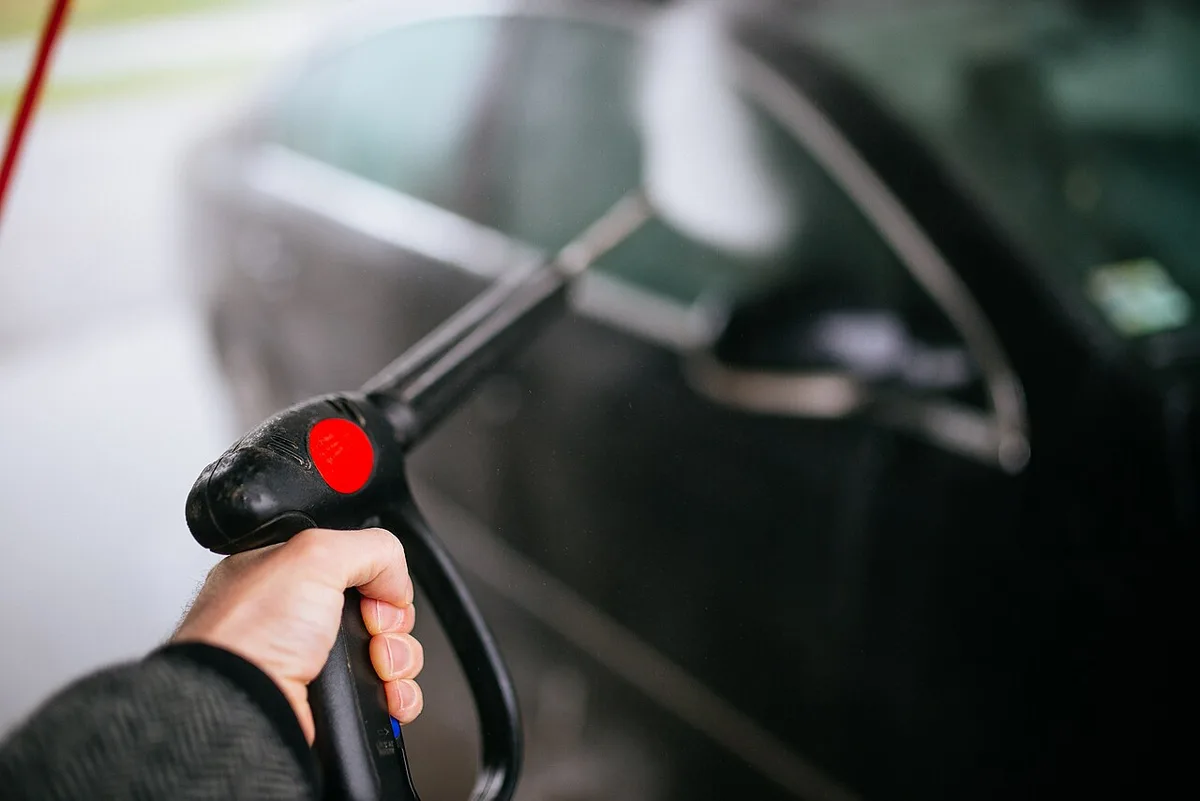
Here's the part most people skip. A typical residential hose runs at roughly 40 to 60 psi, while a pressure washer can hit 1,300 to 3,100 psi. That gap matters a lot for your clear coat.
As of 2026, gentle hand washing with a hose and two buckets is still the method most detailers recommend for everyday cars. Let's start with the short answer, then walk through exactly how to do it.
Quick Answer
Yes, a garden hose is perfectly fine for washing your car. Its lower pressure is gentler on paint than a pressure washer. Always pre-rinse to remove loose dirt first.
Use car soap and a soft wash mitt, never dish soap or a dry sponge. Wash in the shade and dry with a microfiber towel to avoid water spots.
Yes, You Can Wash Your Car With a Garden Hose, Here's the Catch
A garden hose does two jobs really well: rinsing and controlled soaping. That covers about 90% of what a normal wash needs. You don't need high pressure to get a car clean.
You need enough flow to float dirt off the surface, and a hose delivers that easily.
The catch is simple. Water alone doesn't lift stuck-on grime, and a careless technique can scratch your paint worse than not washing at all. Most swirl marks come from dragging dirt across the clear coat, not from the hose itself.
So the hose isn't the weak link. Your method is. Get the sequence right and a plain hose will leave your paint clean and swirl-free.
- Rinse first, always. Loose grit is the enemy.
- Let soap and water do the lifting, not scrubbing.
- Dry the car instead of letting it air-dry.
If you keep the rest of your outdoor space tidy the same way, our ideas for softening a plain boundary wall pair nicely with a clean driveway setup.
When a Hose Is the Right Call (And When It Isn't)
A hose is the right call for routine washes, and that's most of them. If your car is dusty, lightly muddy, or just needs a refresh, a hose plus soap handles it with room to spare.
Use this quick logic to decide:
- If the car is normally dirty (dust, pollen, light road film): a hose is ideal.
- If there's caked mud in the wheel wells or undercarriage: a pressure washer helps, but keep it off delicate paint.
- If you're under a drought restriction: a rinseless or waterless wash may be your only legal option.
- If you have no outdoor spigot: a self-serve bay or waterless product is the fallback.
One thing worth checking before you start. Soapy runoff from driveway washing flows into storm drains and then straight into local waterways. The U.S.
Environmental Protection Agency (EPA) flags residential car washing as a common source of untreated runoff. Washing on gravel or grass, or using a low-water method, keeps that soap out of the storm drain.
If your area bans driveway washing during dry spells, that's when a waterless product earns its keep. For everyone else, the hose stays king.
What Your Hose Actually Does to Your Paint vs a Pressure Washer
Your hose rinses. A pressure washer strips. That's the core difference, and it explains why lower pressure is often the safer bet for paint you care about.
Modern automotive paint is a thin clear coat over color. It's tougher than it looks, but it still scratches from grit and chips from high-pressure jets aimed too close. A hose at 40 to 60 psi simply can't force debris under the paint the way a 2,000 psi jet can.
Here's how the two compare for everyday washing:
| Factor | Garden Hose | Pressure Washer |
|---|---|---|
| Typical pressure | 40 to 60 psi | 1,300 to 3,100 psi |
| Risk to clear coat | Low | Moderate to high if misused |
| Best for | Routine washes, rinsing | Caked mud, wheels, undercarriage |
| Chance of forcing grit under paint | Very low | Higher at close range |
| Skill needed | Minimal | Correct distance and angle |
The takeaway is straightforward. A pressure washer has real upside for heavy grime, but it punishes mistakes. A hose is forgiving.
For a daily driver, forgiving wins.
Gear You Need Before You Turn the Water On
You need less than you'd think. Five items cover a proper, scratch-free hose wash, and you probably own most already.
Here's the short list:
- A garden hose, ideally 5/8 inch for good flow
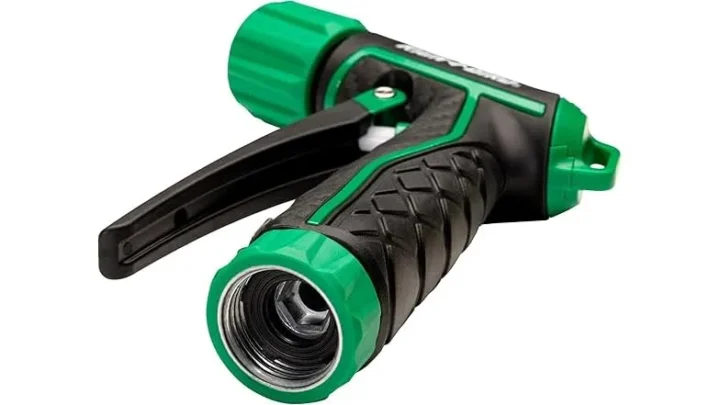
- An adjustable hose nozzle with a shower or fan setting
- Two buckets (one wash, one rinse)
- A soft microfiber wash mitt
- pH-neutral car shampoo (around 7 pH)
- A microfiber drying towel
The Nozzle Setting That Matters Most
Skip the jet stream. The narrow jet setting concentrates pressure and can flick grit hard against your paint. Reach for the shower or fan pattern instead.
A wide, soft spray floods the surface and floats dirt away gently. That's exactly what you want for both the pre-rinse and the final rinse. Save the jet for the driveway, not the door panels.
Why Two Buckets Beat One
The two-bucket method keeps dirt off your paint. One bucket holds your soapy water. The other holds clean water for rinsing your mitt.
Every time you finish a section, rinse the mitt in the clean bucket before dipping back into the soap. That way grit drops out of the mitt instead of riding back onto your car. A single bucket just recycles dirt across your finish, and that's how swirl marks are born.
The Step-by-Step Hose Wash That Won't Scratch Your Paint
Follow the order and the hose does the hard work for you. The whole point is to remove grit before your mitt ever touches the paint.
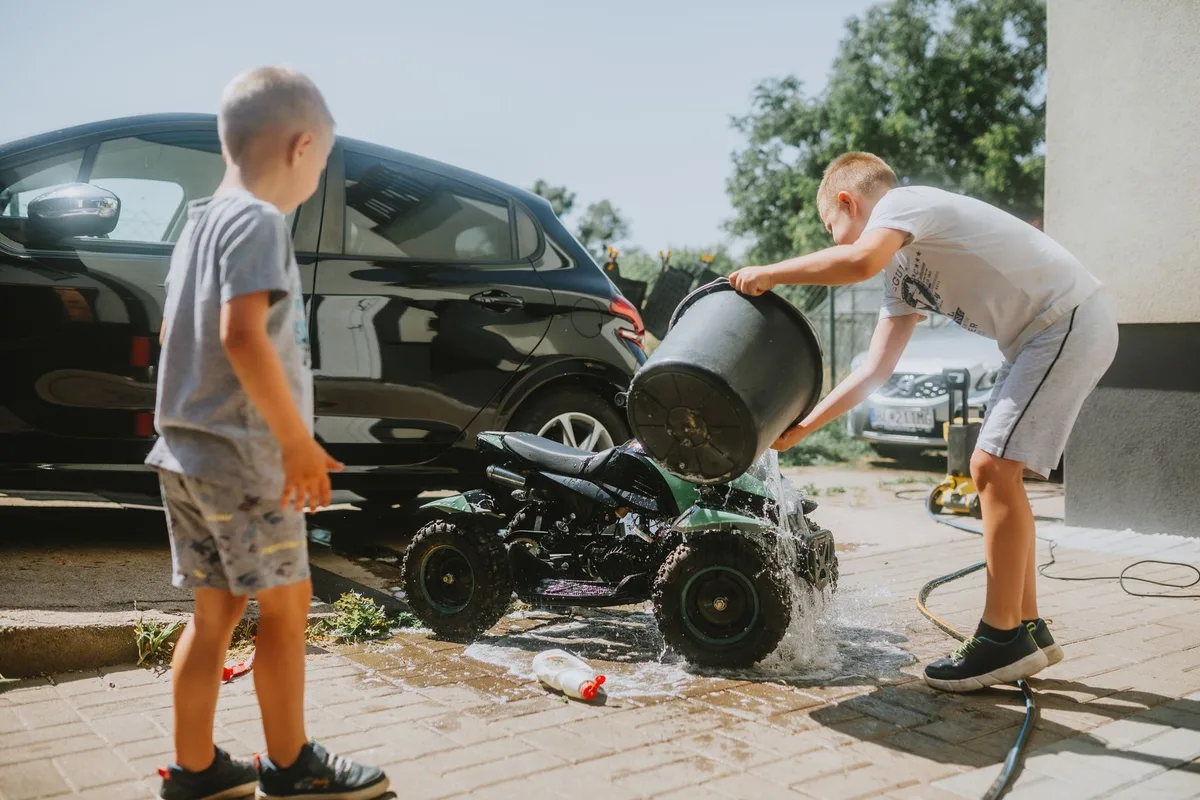
Pre-Rinse: Get the Grit Off First
Start by rinsing the entire car, top to bottom, with a wide spray. This knocks loose dust, pollen, and sand off before anything drags across the surface. Spend a full minute here.
Pay extra attention to the lower panels and behind the wheels, where grit collects. A thorough pre-rinse is the single biggest thing standing between you and swirl marks.
Wash Top to Bottom, One Panel at a Time
Load your mitt with soapy water and start at the roof. Wash one panel, then rinse the mitt in your clean bucket before reloading with soap. Work downward because the lower body is always the dirtiest.
Use straight-line motions, not circles. Straight passes hide any fine marks far better than swirls. Rinse each panel with the hose as you go so soap never dries on the paint.
The Final Rinse and Dry
For the last rinse, pull the nozzle off and let water flow from the open hose end. This sheeting method lets water flow off in a smooth sheet, taking most droplets with it and cutting down on spots.
Then dry right away. Don't let the car air-dry, especially in sun or hard-water areas. A clean microfiber towel laid flat and dragged gently lifts the water without marring the finish.
Tidy results outdoors go hand in hand with a cared-for space, much like these cozy rustic border touches do for a garden.
Pros and Cons of Washing With Just a Hose
A hose wash trades raw power for control and safety. For most owners that's a trade worth making. Here's the honest balance.
Pros:
- Gentle on clear coat and trim seals
- Uses cheap gear you likely already own
- Low risk of chipping paint or blasting sensors
- Easy to control flow for both rinse and dry
- Perfect for regular maintenance washes
Cons:
- Won't cut through caked mud fast
- Slower than a high-pressure blast
- Needs good technique to avoid swirls
- Hard water can leave spots if you skip drying
The pattern is clear. A hose rewards patience and punishes shortcuts. If you're washing a daily driver every couple of weeks, the cons rarely bite.
Garden Hose vs Pressure Washer vs Waterless Wash
Each method fits a different situation, so pick by the mess and your setup. There's no single winner. There's a right tool for each job.
| Method | Best for | Watch out for |
|---|---|---|
| Garden hose | Routine washes, everyday dirt | Slower on heavy mud |
| Pressure washer | Caked mud, wheels, undercarriage | High pressure can chip paint |
| Waterless wash | Light dust, drought bans, no spigot | Not for gritty or muddy cars |
Who's each one for? The hose suits the typical homeowner with a spigot and 30 minutes. The pressure washer suits anyone dealing with off-road mud or salt buildup, used carefully from a safe distance.
The waterless spray suits apartment dwellers and anyone under water restrictions.
If you're mixing methods, a hose pre-rinse followed by a pressure washer for the wheels covers almost any car. Just keep the high-pressure jet off delicate paint and trim.
Mistakes That Wreck Your Finish (Even With a Hose)
Most paint damage comes from technique, not the tool. A hose is forgiving, but these slip-ups still leave marks. Avoid them and your finish stays clean.
- Skipping the pre-rinse. Dry grit under your mitt scratches instantly.
- Using dish soap. It strips wax and sealant and dries out trim.
- Washing in direct sun. Soap and water dry into stubborn spots.
- Reusing an old sponge. It traps grit and drags it across paint.
- Washing wheels first. Brake dust contaminates your mitt for the whole car.
- Letting the car air-dry. That's the fastest route to water spots.
One more that catches people out: circular scrubbing. Circles make any fine marring show up as swirls under sunlight. Straight passes hide them.
If your mitt hits the ground, retire it. Even one drop onto the driveway loads it with grit that no rinse fully clears. A fresh mitt costs a few dollars.
Fixing swirls with a polish costs far more.
Hard Water, Sun, and the Water-Spot Problem
Water spots are dried mineral deposits, not dirt. When hard water evaporates on your paint, it leaves calcium and magnesium behind as chalky rings. The fix is to stop the water from drying on the surface at all.
Two things drive spotting: hard water and heat. Sun and warm panels speed evaporation, so timing matters as much as water quality. Wash in the shade, early morning, or evening when the body is cool.
Quick defenses that work:
- Dry each panel right after rinsing, not at the end
- Use the sheeting rinse to remove most droplets first
- Keep a large microfiber drying towel handy for fast work
- In very hard-water regions, a final rinse with filtered water helps
If spots already baked on, a dedicated water-spot remover or a mix of white vinegar and water can dissolve mild deposits. Test a small area first, then rinse well. Neglected deposits can etch the clear coat over time, so don't let them sit for weeks.
Keeping surfaces spot-free outdoors is the same discipline that keeps a yard looking sharp, whether that's your car or these tidy planting-bed borders.
Winter Salt, Bird Droppings, and Other Tough Jobs
Some grime needs faster action than a routine wash. Road salt, bird droppings, tree sap, and bug splatter are all mildly corrosive. Left alone, they can stain or etch paint within days.
Here's how to handle the worst offenders:
- Road salt: rinse the undercarriage and wheel wells often through winter. A hose reaches most of it. Salt eats at metal and paint if it lingers.
- Bird droppings: soften with a wet cloth for a minute, then wipe gently. Never scrub dry, the acidity plus grit etches clear coat.
- Tree sap: a dab of isopropyl alcohol or a bug-and-tar remover lifts it. Rinse after.
- Bug splatter: soak the front end during your pre-rinse so it releases before you touch it.
The rule across all of these is the same. Soften first, wipe gently, then rinse. Force and dry scrubbing cause the damage, not the contaminant itself.
For salt-belt drivers, a quick hose rinse between full washes goes a long way. It's the cheapest rust insurance you'll ever buy, and it takes five minutes. Staying on top of small outdoor jobs like this is the same habit behind a well-kept metal grid boundary that lasts for years.
Water Restrictions and Driveway Runoff Rules You Should Know
Check your local rules before you wash, because many areas limit driveway washing during dry spells. Drought ordinances in places like California can ban it outright or set specific days. Your city water authority website lists the current status.
Runoff is the other issue. Soap, brake dust, and oil flow off your driveway into storm drains untreated. To keep it out of local waterways, wash on grass or gravel where the ground filters the water.
- Use a hose shut-off valve so water isn't running the whole time
- Choose a biodegradable, phosphate-free car soap
- Park on a permeable surface if your area restricts driveway runoff
These small habits keep you compliant and cut your water use at the same time.
Pro Tips for a Cleaner, Faster Hose Wash
A few small moves separate a quick rinse from a genuinely clean car. These are the details detailers rely on.

- Fit a shut-off valve at the nozzle to save water between panels.
- Keep two mitts: one for the body, one for the wheels.
- Wash from the top down, every time, so dirt flows away from clean panels.
- Use a plush drying towel of 500 GSM or higher for fast, safe drying.
- Rinse your buckets before you put them away so no grit dries inside.
Work in sections and dry as you go on hot days. A car washed panel by panel never gives soap the chance to bake on. For extra water beading, add a spray sealant after drying.
Frequently Asked Questions
Is it OK to wash a car with just a garden hose?
Yes, a garden hose works well for washing a car. Its lower pressure is gentler on paint than a pressure washer. Pair it with car soap, a soft mitt, and the two-bucket method.
Always pre-rinse first and dry with microfiber to avoid swirls and spots.
Will a garden hose scratch my car's paint?
The hose itself won't scratch your paint. Scratches come from dragging trapped grit across the surface. Pre-rinse to float off loose dirt, use a clean microfiber mitt, and rinse the mitt often.
Skip circular scrubbing and dry sponges, which are the real causes of swirl marks.
Do I need a pressure washer to clean my car?
No, you don't need a pressure washer for a normal wash. A garden hose handles everyday dust and light dirt safely. A pressure washer only earns its place for caked mud, wheels, or undercarriage salt.
Even then, keep the high-pressure jet off delicate paint and trim.
Why does my car have spots after I wash it with a hose?
Those spots are dried minerals from hard water, not leftover dirt. When water evaporates on warm paint, it leaves chalky rings behind. Wash in the shade, use a sheeting rinse, and dry each panel right away.
That stops water from drying on the surface.
Can I use dish soap to wash my car with a hose?
No, skip the dish soap. It strips wax and sealant and can dry out rubber trim over time. Use a pH-neutral car shampoo made for automotive paint instead.
It cleans safely and protects any wax or coating already on the car.
Your Quick Decision Guide: Hose, Pressure Washer, or Skip It
Match the method to your situation and you'll get it right every time. Here's the fast logic.
- If the car has everyday dust or light dirt: reach for the hose and two buckets.
- If there's caked mud, salt, or grimy wheels: add a pressure washer, kept off the paint.
- If you're under a drought ban or have no spigot: use a waterless or rinseless wash.
- If it's hot and sunny: wait for shade, or wash panel by panel and dry fast.
For most people, most of the time, the answer is simple. A garden hose, good car soap, a soft mitt, and a microfiber towel will keep your paint clean and swirl-free for years. Keep the technique tight and the tool almost never lets you down.

Similar Posts