How to Remove a Stuck Garden Hose From a Faucet

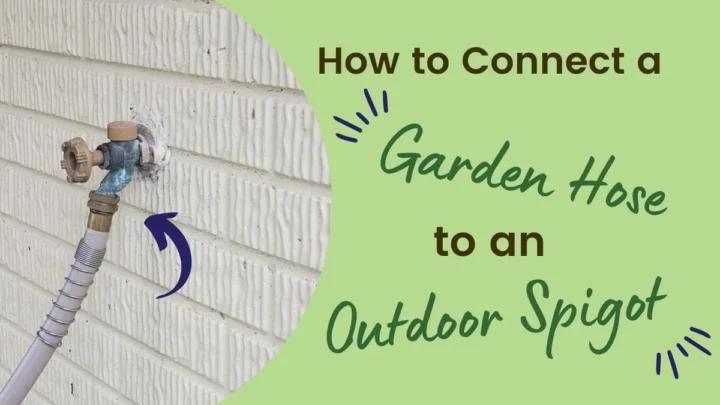
If you can t remove garden hose from faucet, you're wrestling with one of the most common outdoor plumbing headaches there is. Nine times out of ten it's not you being weak. The coupling has corroded, scaled up, or cross-threaded onto the spigot, and now it's fighting back.
The good news? Almost every stuck hose comes off without a plumber if you match the fix to the cause. Most outdoor connections use the Garden Hose Thread (GHT) standard, a 3/4-inch fitting cut at 11.5 threads per inch.
That matters, because knowing the thread helps you turn it the right way and avoid stripping it. As of 2026, that standard hasn't changed, so the methods below still apply to nearly every hose and bib you'll meet.
Quick Answer
To remove a stuck garden hose, turn the coupling counterclockwise. Grip the hose collar with pliers or a rubber pad. Hold the faucet body still with a second wrench so the pipe doesn't twist.
If it won't budge, soak the joint in penetrating oil or vinegar first. Heat and firm, steady pressure release most seized fittings.
Why Your Garden Hose Won't Budge Off the Faucet
A hose gets stuck for one simple reason: the metal, minerals, or threads have locked together. Once you know which one you're dealing with, the fix gets obvious.
Here's what's usually going on behind the scenes:
- Corrosion has fused the hose coupling to the faucet threads.
- Hard-water minerals have cemented the connection with limescale.
- The coupling was cross-threaded or over-tightened when it went on.
- A cheap aluminum collar got crushed and lost its grip surface.
- The rubber washer inside swelled and created a suction seal.
Leaving a hose attached all year is the biggest culprit. Water sits in the joint, dries, and leaves mineral deposits behind. Add a little rust and you've basically glued the two together.
If you tend to your outdoor space the way you'd plan a set of cozy country fence touches, a five-second seasonal disconnect saves you all of this. But if it's already stuck, don't force it blindly. Diagnose first.
Quick Fix: What to Try First Before Reaching for Tools
Before you grab pliers, try the gentle stuff. You'd be surprised how often a stuck hose gives up with zero tools.
Run through these in order:
- Turn off the water and open the hose nozzle to release pressure.
- Grip the hose coupling (not the hose itself) and twist counterclockwise.
- Wrap a rubber jar-opener pad or dishcloth around the collar for grip.
- Wiggle the coupling side to side while you turn, don't just crank.
- Pour warm water over the joint for 30 seconds, then try again.
That warm water trick works because metal expands with heat. The coupling and faucet threads loosen their grip just enough to break free.
If none of that works, stop. Forcing it now risks snapping the spigot. Time to figure out exactly what's holding it.
Figure Out Why It's Stuck (Diagnose Before You Force It)
Diagnosing the cause first saves your faucet. Every stuck hose falls into one of five buckets, and each one needs a different tool. Match the symptom to the cause below.

Corrosion Between Aluminum Hose and Brass Faucet
If you see white or greenish crusty buildup where the two metals meet, that's galvanic corrosion. It happens when an aluminum hose coupling touches a brass faucet and moisture bridges them. The two metals react and effectively weld together.
This one needs penetrating oil and patience.
Limescale and Mineral Buildup From Hard Water
Live somewhere with hard water? Chalky white deposits in the threads are limescale. The minerals fill the gaps and set like cement.
Vinegar dissolves it, so a soak usually does the trick. The EPA's WaterSense program notes that hard-water minerals build up fastest on fittings left connected for long stretches.
A Cross-Threaded or Over-Tightened Coupling
If the hose went on crooked, the threads bit into each other at the wrong angle. You'll feel it grind or catch as you turn. Forcing it makes it worse.
Gentle rocking and lubricant, not brute force, is the play here.
A Crushed or Deformed Aluminum Connector
Cheap aluminum collars dent easily. Once the hex flats round off, wrenches and pliers slip right off. Look for an oval-shaped or flattened coupling.
You'll need to grip a different spot or cut it off as a last resort.
A Swollen Rubber Washer Creating Suction
Sometimes the metal's fine but the hose still won't pop off. The rubber washer inside has swelled with age and formed a vacuum seal. A slight twist plus a firm pull usually breaks the suction once the threads are moving.
Match the Cause to the Right Removal Method
Now pair your diagnosis with the right method. Using vinegar on corrosion or a wrench on a cross-thread just wastes effort. Here's the cheat sheet.
| Cause | Best Method | Dwell / Wait Time |
|---|---|---|
| Galvanic corrosion | Penetrating oil | 10 to 15 minutes |
| Limescale buildup | Vinegar soak | 30 to 60 minutes |
| Cross-threaded coupling | Rocking + lubricant | 5 to 10 minutes |
| Crushed collar | Two-wrench grip or cut | Immediate |
| Swollen washer | Twist and firm pull | Immediate |
Penetrating Oil for Corroded Fittings
Spray penetrating oil right at the seam where the coupling meets the faucet. Give it 10 to 15 minutes to creep into the threads. Then try turning counterclockwise.
Reapply and wait again if it resists, don't rush it.
The Heat-and-Cool Expansion Trick
Heat the metal coupling with a hair dryer or a rag soaked in hot water for a minute or two. The metal expands and cracks the corrosion's grip. Try to turn it while it's still warm.
This works best on straightforward corrosion, not cross-threading.
A Vinegar Soak for Mineral Lock
Soak a rag in white vinegar and wrap it tight around the joint. Leave it 30 to 60 minutes so the acid can eat the limescale. A small bag of vinegar rubber-banded around the coupling works too.
Rinse, then twist.
The Two-Wrench Counter-Hold for Seized Threads
When it's truly seized, you need opposing force. One tool grips and turns the hose coupling. The second holds the faucet body dead still.
This keeps all the twisting force on the joint instead of the pipe in your wall. We'll walk through it next.
Step-by-Step: Removing a Stuck Hose Without Wrecking the Faucet
This is the method that gets stubborn hoses off without cracking anything. The whole point is protecting the spigot while you apply real force. Go slow and brace properly.
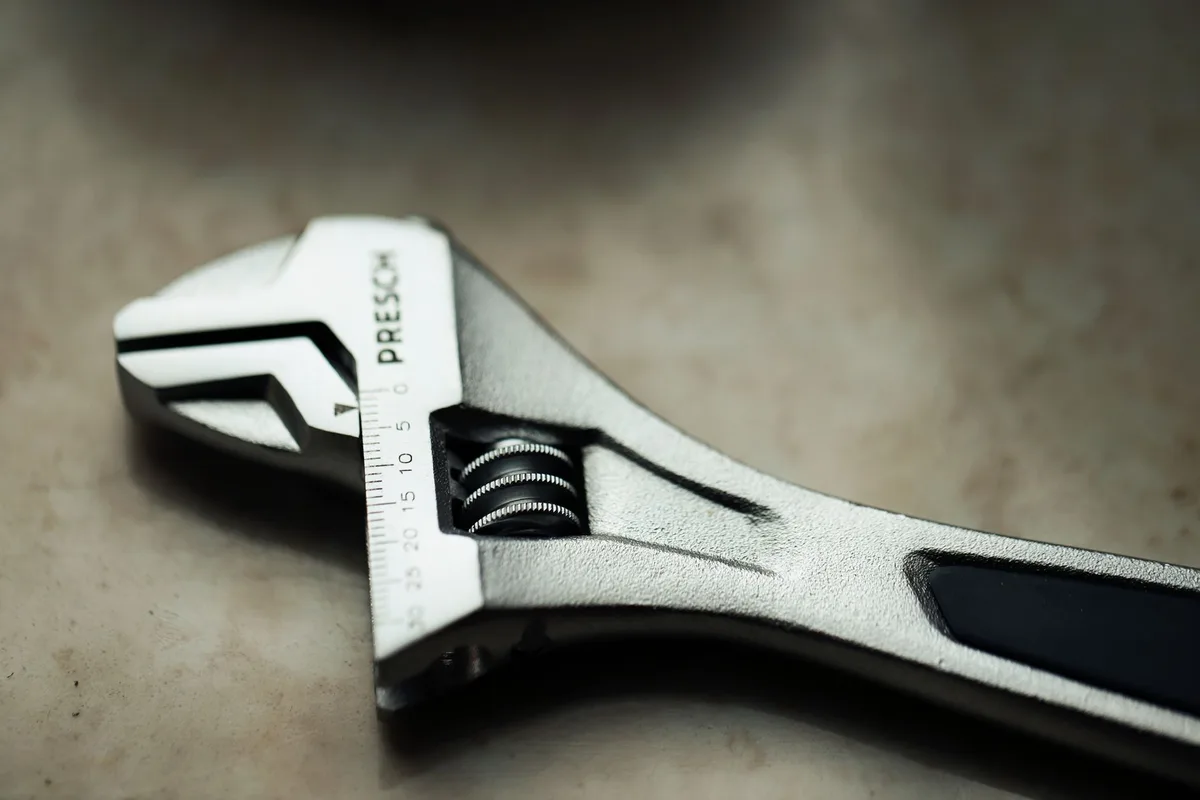
Follow these steps in order:
- Shut off the water supply and open the nozzle to drain pressure.
- Apply your chosen treatment (oil or vinegar) and let it dwell.
- Fit one adjustable wrench or water-pump pliers onto the hose coupling's flats.
- Fit a second wrench onto the faucet's body or its own hex nut.
- Hold the faucet wrench steady so the spigot cannot rotate.
- Turn the coupling wrench counterclockwise in short, firm pulls.
- Rock it slightly if it catches, then continue the counterclockwise turn.
- Once it breaks free, unscrew the rest by hand.
The counter-hold is everything. Without it, you risk spinning the entire faucet inside the wall and snapping the pipe. That $5 problem becomes a real repair bill fast.
If the coupling flats are already rounded off, wrap a strip of rubber or a strap wrench around it for extra bite. Keeping your outdoor fixtures tidy pays off the same way thoughtful flower bed border touches keep a yard looking cared for. A well-maintained bib rarely seizes in the first place.
Protecting the Spigot and Pipe Inside the Wall
The pipe behind your faucet is the thing you can't afford to break. On a frost-free wall hydrant, the actual valve sits deep inside the house. Twist the whole faucet and you can crack that pipe where you can't reach it.
Always brace the faucet body before applying force. Slip a wrench onto the hex nut at the base of the spigot and hold it firm. That keeps your turning force on the coupling, not the plumbing.
Watch out for the vacuum breaker on top of many outdoor bibs too. That little cap is a backflow preventer required by most plumbing codes. Grip the coupling below it, never the breaker itself.
If the spigot already wobbles in the wall, stop and reassess. A moving faucet means the force is going the wrong way. Add the counter-hold or you'll turn a stuck hose into a leak inside your siding.
Mistakes That Turn a Stuck Hose Into a Plumbing Bill
Most wrecked faucets come from a handful of avoidable errors. Force is rarely the answer. Patience and the right grip almost always win.
Here are the mistakes we see most:
- Cranking hard without holding the faucet body still.
- Skipping the soak and going straight to brute force.
- Gripping the vacuum breaker instead of the coupling.
- Using slip-joint pliers that round off the coupling flats.
- Turning the wrong way (remember: lefty-loosey to remove).
- Leaving the water on, so a snapped joint sprays everywhere.
Heat is another quiet trap. A little warmth from a hair dryer helps. An open flame can melt a plastic coupling or damage the washer inside.
If you're cross-threaded, forcing it strips the threads for good. Then even a new hose won't seal. Back off, rock gently, add lubricant, and let the joint tell you when it's ready.
When to Cut the Hose or Call a Plumber
Cut the hose when the coupling is destroyed and nothing grips. If the flats are rounded and the collar is crushed, save the faucet, not the hose. A replacement hose costs a few dollars.
A cracked pipe costs far more.
Here's the simple decision:
- If only the hose coupling is ruined, cut it off and fit a new one.
- If the faucet threads are stripped or the bib leaks after removal, call a plumber.
- If the spigot spins freely in the wall, stop and get a pro.
To cut safely, slice the hose an inch behind the coupling with a utility knife. Then use a hacksaw to nick the metal collar lengthwise. Pry it open with a flathead and it peels right off the threads.
A stripped faucet or an interior leak isn't a DIY moment. Water damage inside a wall gets expensive fast, so bring in help early.
Reconnecting the Right Way: Washers, Tape, and Grease
Reconnecting properly is what stops the next seizure before it starts. The fix takes two minutes and saves you this whole ordeal next season.
Do these three things every time:
- Replace the rubber hose washer if it's cracked, flat, or swollen. A fresh 3/4-inch washer costs pennies.
- Add a wrap of PTFE (plumber's) tape or a dab of silicone grease on the threads. Both block corrosion and let the coupling spin off easily later.
- Hand-tighten only. Snug is enough. Over-tightening is what fuses aluminum to brass in the first place.
Silicone grease beats petroleum jelly here. It won't degrade the rubber washer and it holds up in heat and cold. A thin film on the threads is all you need.
The same care you'd give a garden project, like planning ways to dress up a dull fence, keeps small fittings working for years. A greased, hand-snug connection comes off with two fingers next spring.
Stop It From Happening Again: Brass, Quick-Connects, and Seasonal Habits
Prevention is cheaper and easier than any removal trick. Two upgrades and one habit end stuck hoses for good.
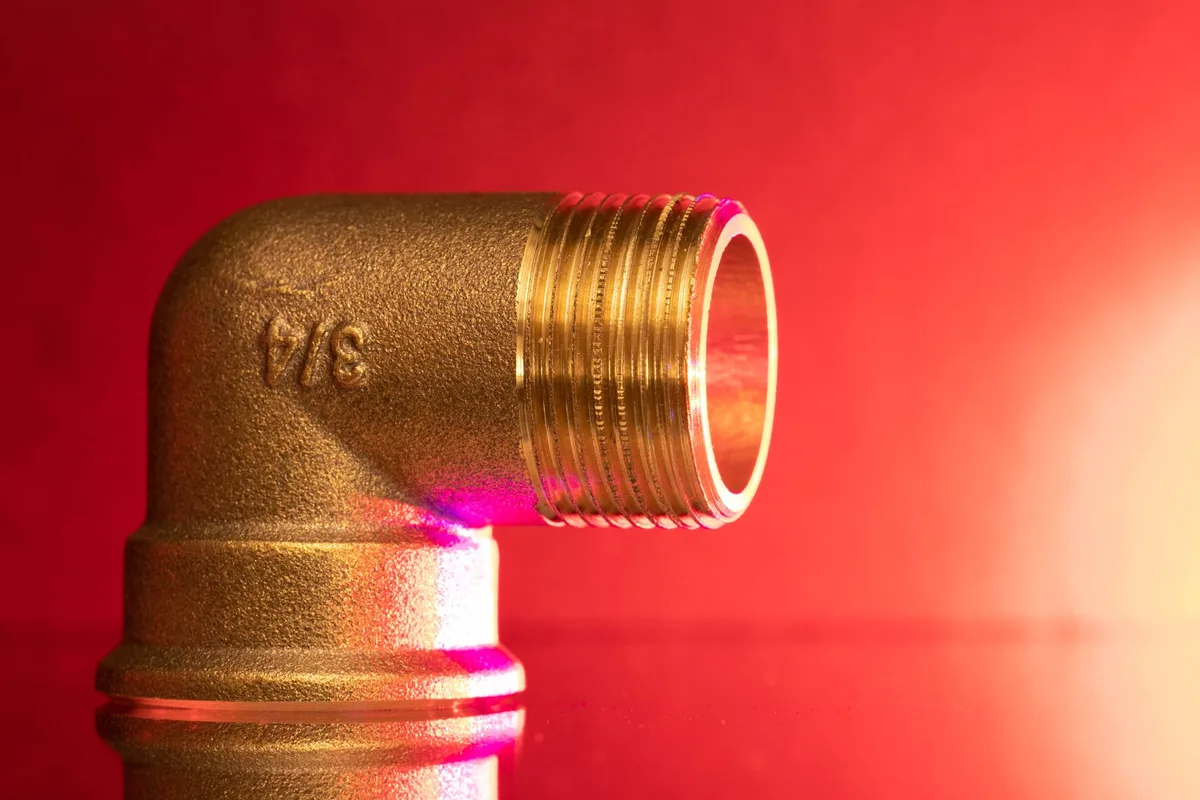
First, ditch aluminum couplings for brass. Brass resists galvanic corrosion against a brass faucet, so the two metals stop welding together. Aggregate user reviews consistently rate brass fittings as easier to remove years later.
Second, add a quick-connect adapter. You thread a brass connector onto the faucet once and leave it. After that, the hose clicks on and off with a push.
No twisting, no seizing, no tools.
Here's how the fixes stack up:
| Fix | Best For | Prevents |
|---|---|---|
| Brass coupling | Anyone replacing a worn hose end | Galvanic corrosion |
| Quick-connect adapter | Frequent hose swaps | Cross-threading and seizing |
| Seasonal disconnect | Cold-climate homeowners | Freeze damage and scale |
Third, build the habit. Disconnect the hose every fall before the first freeze. Water sitting in the joint is what breeds corrosion and limescale over winter.
That end-of-season routine matters most in hard-water and freezing regions. Give your outdoor taps the same seasonal attention you'd give a tidy metal-panel boundary, and you'll likely never fight a stuck hose again.
Tools and Materials, With Rough Costs
You don't need much to free a stuck hose. Most of this is already in your garage. Here's the short list with typical costs as of 2026.
| Item | Job It Does | Rough Cost |
|---|---|---|
| Two adjustable wrenches | Counter-hold and turn | $10 to $25 each |
| Water-pump pliers | Grip large couplings | $12 to $20 |
| Penetrating oil | Free corroded threads | $6 to $10 |
| White vinegar | Dissolve limescale | $3 to $5 |
| Rubber jar-opener pad | Extra grip, no tools | $2 to $5 |
| Replacement hose washer | Reseal after removal | Under $1 each |
| Brass quick-connect set | Prevent future seizing | $8 to $15 |
Skip the strap wrench purchase if money's tight. A strip of old bike inner tube wrapped around the coupling gives similar grip for free. Verified buyer feedback rates the two-wrench method as the most reliable no-cost fix.
Frequently Asked Questions
Which way do I turn a garden hose to remove it?
Turn the coupling counterclockwise, as viewed facing the faucet. That's lefty-loosey. Grip the metal collar on the hose end, not the hose body or the vacuum breaker.
If it feels frozen, soak the joint first, then turn in short, firm pulls rather than one long crank.
Can I use WD-40 to loosen a stuck hose?
Yes, a penetrating spray like WD-40 works well on corroded fittings. Spray it right at the seam where the coupling meets the faucet threads. Give it 10 to 15 minutes to soak in before you turn.
Reapply and wait again if the joint still resists.
Why is my hose stuck if I never over-tightened it?
Corrosion or limescale is usually the culprit, not tightness. When a hose sits attached for months, moisture and minerals build up in the threads and cement the connection. Hard-water areas see this fastest.
A vinegar soak or penetrating oil breaks that mineral and rust bond loose.
Will pouring hot water on the connection help?
Often, yes. Hot water expands the metal coupling and cracks the corrosion's grip. Pour it over the joint for about 30 seconds, then try turning while it's still warm.
Skip open flames, since they can melt plastic fittings and ruin the rubber washer inside.
How do I stop my hose from getting stuck again?
Disconnect the hose every fall before the first freeze. Swap aluminum couplings for brass, and add a brass quick-connect adapter for tool-free swaps. A dab of silicone grease or PTFE tape on the threads also blocks corrosion and keeps the fitting spinning free.
Your Quick Decision Guide for a Hose That Won't Come Off
When you're standing at the faucet, run this quick logic and you'll know your next move.
- If you see white or green crust, then soak with penetrating oil for 15 minutes.
- If you see chalky mineral buildup, then wrap the joint in vinegar for an hour.
- If it grinds or catches, then rock gently with lubricant, don't force it.
- If the collar is crushed or rounded, then grip with two wrenches or cut it off.
- If the faucet spins in the wall, then stop and brace the body first.
- If threads strip or it leaks after, then call a plumber before water damage sets in.
The golden rule stays the same throughout: hold the faucet steady, turn counterclockwise, and let the treatment do the heavy lifting. Force is your last resort, not your first.
Nail the reconnection too. A fresh washer, a little grease, and a hand-snug fit mean you'll never read a guide like this again. Next season, that hose pops off with two fingers.

Similar Posts