Why Cucumber Plants Wilt After Rain or Overwatering
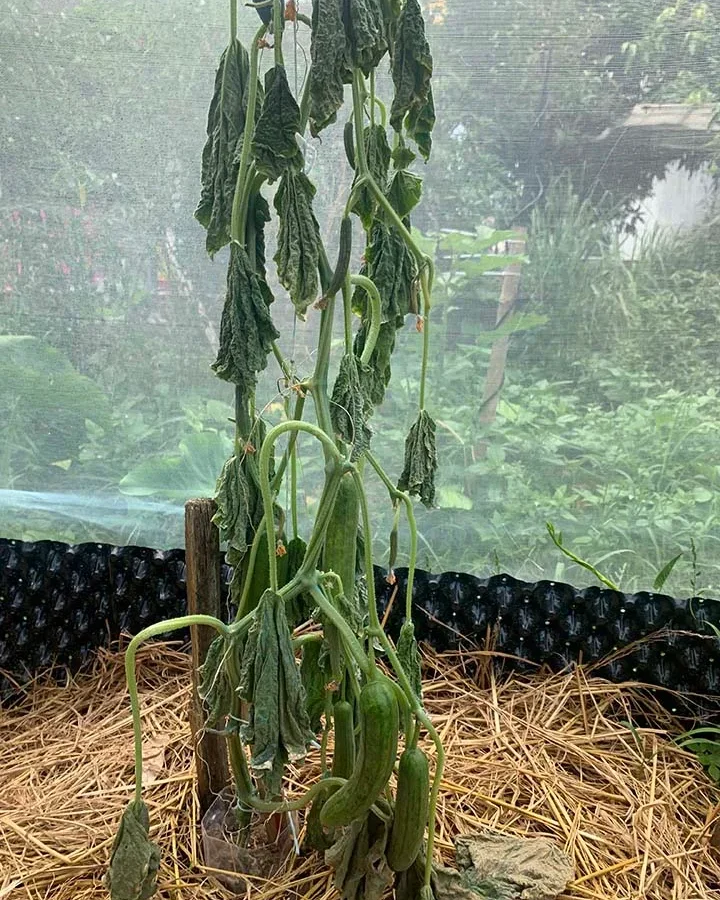
You wake up after a summer storm and your cucumber vines are lying flat like wet dish rags. So why are cucumber plants wilting after rain or overwatering? The short answer: their roots can't breathe in saturated soil, and the same wet conditions wake up several soil-borne diseases that clog the plant's plumbing.
In our research across US extension sources and RHS guidance, cucumbers do best when soil sits at roughly 50 to 70 percent of field capacity, not sopping wet. Push past that for more than a day or two and root damage begins. Here's how to tell what's really wrong before you make it worse, as of 2026.
Quick Answer
Cucumber plants wilt after rain or overwatering for two reasons. Waterlogged soil starves the roots of oxygen within 24 to 48 hours. Wet soil also activates pathogens like Pythium, Phytophthora, Fusarium, and bacterial wilt.
Damaged or infected roots stop moving water up the vine. The leaves droop even though the soil is soaked.
What's Actually Happening Inside a Waterlogged Cucumber Plant
Cucumber roots need oxygen. They don't pull it from water, they pull it from tiny air pockets between soil particles. Heavy rain floods those pockets.
Within a day, root hairs start suffocating.
Once oxygen drops, root hairs die off. Dead tissue can't move water or nutrients up the xylem. That's why the plant looks thirsty while the soil is still dripping wet.
Warm, wet soil also invites trouble. Pythium and Phytophthora spores swim through water films and infect stressed roots. So you get a double hit at once.
Mechanical damage from drowning, plus a pathogen party in the root zone.

The University of Minnesota Extension notes that saturated soil above about 60°F (16°C) creates ideal conditions for cucurbit root rots, and their cucurbit disease pages at University of Minnesota Extension offer climate-specific guidance.
The First Question: Is It Root Suffocation or a Pathogen?
Ask one question first. Does the plant recover once the soil drains? If yes, it's oxygen starvation.
If no, a pathogen is at work.
Root suffocation is mechanical. Drain the excess water, loosen the topsoil, and healthy plants often perk up in 24 to 48 hours. Pathogen wilt is biological.
No amount of drying brings back a vine with vascular tissue clogged by bacteria or fungi.
Use this quick logic to sort it out:
- Recovers by the next morning after the soil drains → oxygen starvation
- Still wilted 48 hours after drainage → root rot or vascular wilt
- One vine wilts while others look fine → bacterial wilt suspected
- Whole plant collapses fast in warm, wet weather → Phytophthora likely
- Yellowing climbs one side of the vine before the other → Fusarium likely
This branching call is the heart of the whole troubleshooting flow. Get it right and the fix almost picks itself.
Decision Branch 1: Wilting Within Hours of Heavy Rain
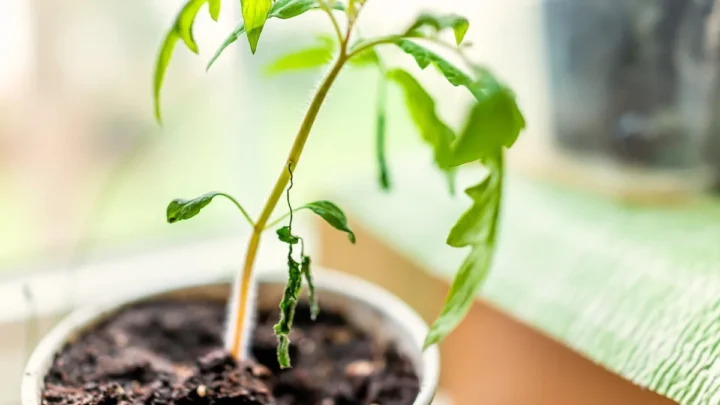
If your cucumbers droop within hours of a downpour, oxygen starvation is the top suspect. Roots need air, and saturated soil suffocates them fast. The plant closes its stomata, loses turgor, and flops.
What to do right away:
- Stop watering. The soil already has more than enough.
- Loosen the top 2 to 3 inches of soil with a hand fork.
- Redirect standing water away from the bed with a shallow trench.
- Pull back thick mulch touching the crown so it can dry.
- Wait 24 to 48 hours before making any bigger decision.
If the vine perks up as the soil drains, you dodged the worst of it. Keep an eye on lower leaves for the next week. Persistent yellowing hints at root damage a pathogen may exploit next.
A shot of dilute liquid seaweed at half strength once the soil is workable can support root recovery. Skip fertiliser until the plant is standing upright.
Decision Branch 2: Wilting That Doesn't Recover Overnight
Wilt that hangs on after the soil dries is a red flag. The roots or vascular system are damaged. This is where root rot pathogens usually come in.
Prime suspects at this stage:
- Pythium root rot: cool, wet soil under 68°F (20°C), with brown mushy fine roots
- Phytophthora crown rot: warm, wet soil at 75 to 85°F (24 to 29°C), with a dark water-soaked lesion at the stem base
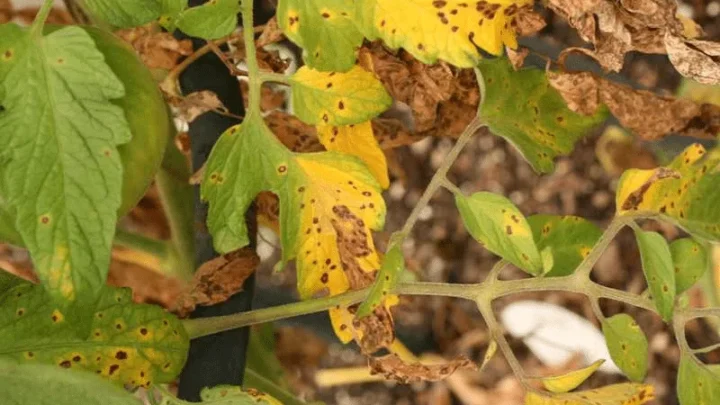
- Fusarium wilt: yellowing that climbs one side of the vine first, then the whole plant
- Verticillium wilt: less common on cucumbers, but possible in cooler regions with a history of solanaceous crops
Dig gently at the crown and inspect. Healthy cucumber roots are white and springy. Sick roots are brown, slimy, or slough off between your fingers.
If the crown has a water-soaked brown ring at soil line, Phytophthora capsici is the leading candidate in humid summer climates. Bag the plant and remove it. Do not compost cucurbit tissue with suspected soil-borne disease.
Decision Branch 3: One Vine Wilts While the Rest Looks Fine
When a single vine goes limp while the rest of the plant looks healthy, bacterial wilt is the leading suspect. The bacterium Erwinia tracheiphila enters through cucumber beetle feeding wounds. It multiplies inside the xylem and blocks water flow one vine at a time.
The pattern is unmistakable. A perky plant on Monday. One flagged vine by Wednesday.
The whole plant flat by the weekend.
Confirm it with the ooze test described in the next section. If positive, pull the plant and bag it. There is no chemical cure once Erwinia is inside the vascular tissue.
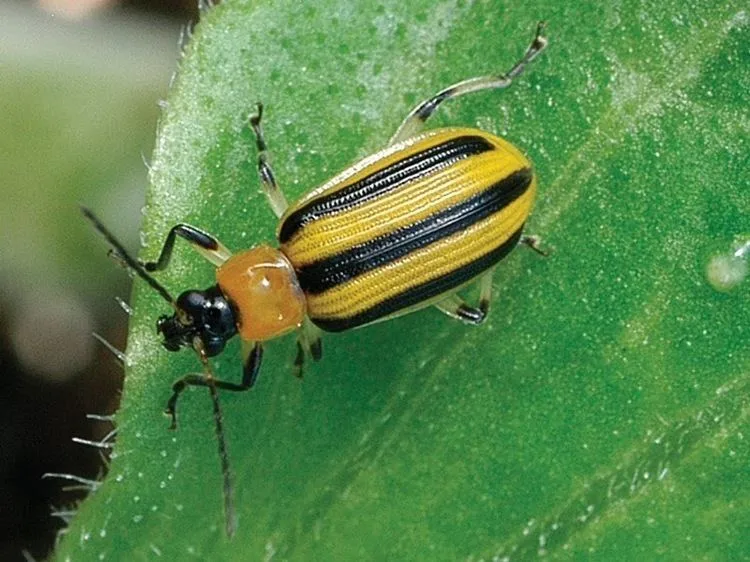
Also inspect the leaves and stems for cucumber beetles. Striped and spotted beetles both carry the bacterium. If you see beetles, protect nearby healthy plants right away with row covers or a labelled insecticide.
Decision Branch 4: Whole Plant Collapses With Yellow, Mushy Lower Leaves
A fast whole-plant collapse with yellow, mushy lower leaves points at Phytophthora capsici. This water mould thrives at soil temperatures of 75 to 85°F (24 to 29°C). It moves quickly in saturated soil.
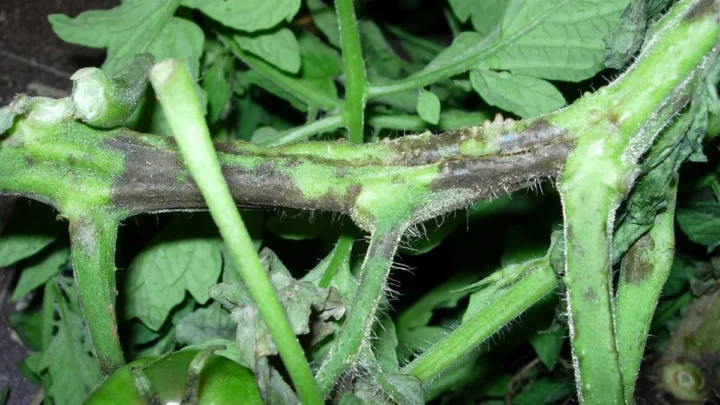
Look for a dark, water-soaked lesion at the crown. Roots turn brown and slough off. Fruit sitting on wet ground can develop a white fuzzy growth.
There is no rescue once Phytophthora hits the crown. Remove and bag the plant. Do not replant cucurbits in that spot for at least three years, since spores survive in the soil.
If the collapse is slower and the yellowing climbed one side of the vine first, think Fusarium wilt instead. Same removal steps apply either way.
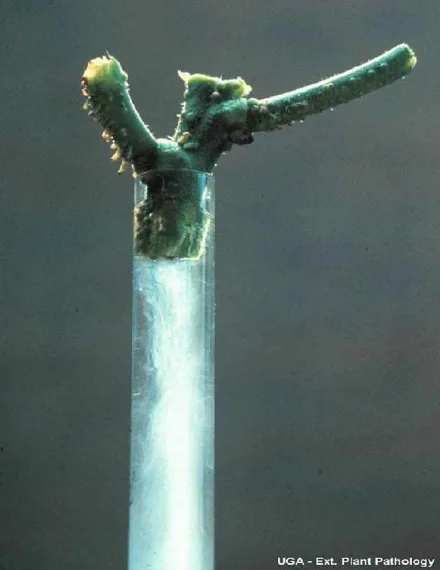
How to Run the Ooze Test to Confirm Bacterial Wilt
The ooze test takes two minutes and confirms bacterial wilt on the spot. You need a clean, sharp knife or pruners and a wilted stem.
Steps:
- Cut a wilted vine 2 inches above the soil line.
- Press the cut ends back together for a few seconds.
- Slowly pull them apart.
- A sticky, cloudy white strand stretching between the ends confirms Erwinia.
- If nothing stringy appears, the wilt is likely fungal or physical.
Wipe or dip the blade in 10 percent bleach or 70 percent isopropyl between plants. That single habit stops you from carrying the bacterium down the row.
Checking Soil, Roots, and Crown Before You Act
Before you commit to any fix, run a two-minute inspection. It saves you from treating the wrong problem.
Reading Soil Moisture at the Root Zone
Push a finger 4 to 6 inches into the soil next to the plant. If it feels wet and cold, the root zone is saturated. If the top is dry but the deeper layer is squelchy, drainage is your real issue.
What Healthy vs Rotting Roots Look Like
Healthy cucumber roots are white, firm, and springy with fine white root hairs. Rotting roots are tan to dark brown, soft, and slippery. Fine roots often slide off when you pinch them.
That texture alone is diagnostic.
Crown Symptoms That Point to Phytophthora
Look at the stem right at the soil line. A dark, water-soaked ring or a soft brown patch that girdles the stem is classic Phytophthora crown rot. If the crown feels mushy under gentle pressure, the plant is past saving.
Recommended Actions for Each Cause
Match the fix to the diagnosis. The wrong action can turn a recoverable plant into compost, or spread a pathogen across the whole row.
If It's Oxygen Starvation From Saturated Soil
Stop watering. Loosen the top few inches of soil with a hand fork. Cut a shallow trench to move standing water away.
Pull mulch back an inch or two from the stem. Most healthy plants perk up in 24 to 48 hours.
If It's Pythium or Phytophthora Root Rot
Remove and bag the affected plant. Improve drainage before replanting. A soil drench with a labelled biofungicide containing Trichoderma or Bacillus subtilis can help protect neighbouring plants.
Do not replant cucurbits in that bed for three to four years.
If It's Bacterial Wilt Spread by Cucumber Beetles
Pull the plant, bag it, and remove it from the garden. There is no cure. Protect remaining plants with floating row covers until flowering, then remove covers so bees can pollinate.
Check daily for new beetles.
If It's Fusarium or Verticillium Wilt
Both are soil-borne and incurable inside the plant. Remove and destroy the vine. Choose resistant varieties next season and rotate the bed for three years or more.
Solarising the soil with clear plastic for 4 to 6 weeks in peak summer can reduce spore loads.
Fixing Drainage in Raised Beds, Containers, and Field Rows
Wilting after rain almost always traces back to drainage. The fix depends on where your cucumbers are growing.
For raised beds, the target is fast percolation with steady moisture retention. Amend the top 12 inches with 2 to 3 inches of finished compost plus a handful of coarse grit or perlite per square foot. Never line the base with plastic.
It traps water.
For containers, use pots with multiple drainage holes and a peat-free potting mix rated for vegetables. A 5 gallon container per plant is the minimum. Raise pots on feet so water can leave the base.
For field rows, hill the beds 6 to 8 inches above the paths. That single change moves excess rain sideways instead of through the root zone. Broadfork compacted zones once a season to keep the subsoil open.
Watering Cucumbers the Right Way After the Recovery
Once the plant is upright again, reset the watering rhythm. Cucumbers need roughly 1 to 2 inches of water per week, delivered deeply rather than in daily sips.
Water at the base only. Drip lines or a soaker hose beat overhead sprinklers every time. Wet leaves invite downy and powdery mildew.
Check the top 2 inches of soil with a finger before adding more. If it feels damp, wait a day. Morning watering is best, so foliage dries before nightfall.
During a heat wave, container plants may need daily attention while in-ground plants can go two or three days between soakings. Adjust to the weather, not the calendar.
Mistakes That Make Wilting Worse
A few common reactions turn a bad day into a lost crop. Skip these:
- Watering a wilted plant that sits in wet soil. You are drowning it further.
- Piling mulch tight against the stem. Traps moisture and invites crown rot.
- Composting diseased cucurbit tissue. Spores can survive a home pile for seasons.
- Cutting multiple plants with the same unsterilised blade.
- Fertilising a stressed plant. Salts damage compromised roots.
- Ignoring the first flagged vine. One vine down often becomes the whole plant within a week.
- Planting cucumbers in the same bed year after year. Rotation breaks disease cycles.
Preventing a Repeat Next Season
The best fix is a plant that never wilts in the first place. Focus on three levers.
Resistant Varieties and Grafted Rootstock
Choose varieties bred for local disease pressure. In humid US regions, look for cultivars listed with Fusarium wilt and downy mildew resistance in seed catalogues. Grafted cucumbers on wild cucurbit rootstock resist Fusarium and Verticillium, and they are worth the premium in problem beds.
Crop Rotation and Sanitation
Rotate cucurbits on a 3 to 4 year cycle. Never follow cucumbers with squash, melons, or pumpkins in the same bed. Remove all vine debris at end of season and disinfect stakes, cages, and trellises with 10 percent bleach.
Beetle Control Before Bacterial Wilt Takes Hold
Cover seedlings with floating row covers from transplant until the first female flowers open. Yellow sticky traps help spot beetle pressure early. When beetles are active, a labelled kaolin clay spray or a targeted insecticide protects young plants before Erwinia gets a foothold.
When to Pull the Plant and Cut Your Losses
Some plants are already past the point of no return. Pull without hesitation when you see any of these signs:
- A positive ooze test for bacterial wilt
- A water-soaked brown ring around the crown
- Whole-plant collapse that has not reversed within 48 hours of the soil draining
- A slimy, foul-smelling root ball
- Half or more of the vine gone yellow and mushy
Bag the vine in a heavy sack and put it in household waste, not compost. Wash tools, gloves, and even boots before touching the next cucurbit. A single pulled plant costs one fruit crop.
A spreading pathogen costs the whole bed.
Frequently Asked Questions
Can a cucumber plant recover after overwatering?
Yes, if the roots have not yet rotted. A plant hit only by short-term oxygen loss usually perks up 24 to 48 hours after the soil drains. If wilt persists past two days, root rot is likely.
At that point recovery odds drop sharply.
How long does it take a cucumber plant to recover from too much water?
Twenty-four to forty-eight hours if the cause is only oxygen starvation. Longer recovery, or none at all, points to root or vascular damage. Watch the newest leaves.
Fresh, upright growth is the clearest sign the plant has stabilised.
Why are my cucumber leaves yellow after heavy rain?
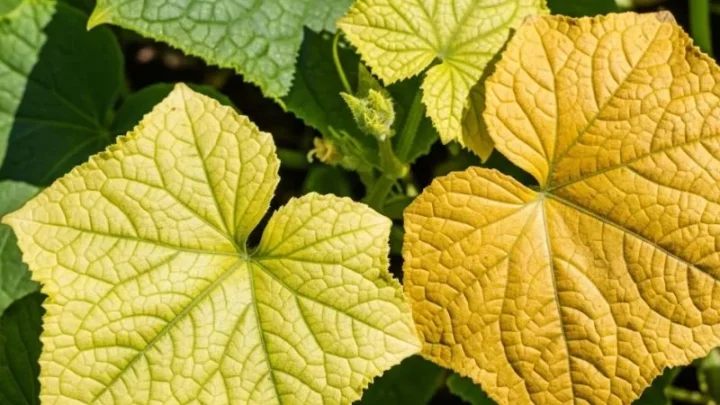
Yellow lower leaves after rain usually signal root stress from waterlogging or the early stage of a root rot. Nutrient leaching from saturated soil can also strip nitrogen. Check root health first, then feed lightly once the plant is upright and the soil is workable again.
Can I still eat cucumbers from a wilted plant?
Yes, in most cases. Fruit already set on a plant with root rot or oxygen loss is safe to eat if it looks and smells normal. Do not eat fruit with visible Phytophthora fuzz or soft rot patches.
Wash all produce well before use.
Does mulch cause cucumber wilting?
Mulch itself does not cause wilting, but mulch piled tight against the stem can trap moisture and encourage crown rot. Keep mulch 1 to 2 inches away from the main stem and no thicker than 2 to 3 inches total. Straw and shredded leaves work well.
Quick Decision Guide: Match Your Symptom to the Fix
Use this table to jump straight from the symptom you see to the most likely cause and next action.
| Symptom | Likely Cause | Action |
|---|---|---|
| Wilt within hours of rain, recovers overnight | Oxygen starvation | Loosen soil, drain water, stop watering |
| Wilt that does not recover after 48 hours | Root rot (Pythium or Phytophthora) | Remove plant, improve drainage, rotate site |
| One vine wilts, rest of plant looks fine | Bacterial wilt (Erwinia) | Run ooze test, pull plant, control beetles |
| Yellowing climbs one side of the vine first | Fusarium wilt | Remove plant, plant resistant varieties |
| Whole plant collapses fast in warm wet weather | Phytophthora capsici | Remove plant, no cucurbits in that bed for 3+ years |
| Dark water-soaked ring at soil line | Phytophthora crown rot | Pull immediately, sanitise tools |
Match the symptom, act early, and most gardens bounce back the following season with cleaner rotation and better drainage.

Similar Posts