Why Are My Pepper Plant Leaves Turning Yellow? 8 Fixes
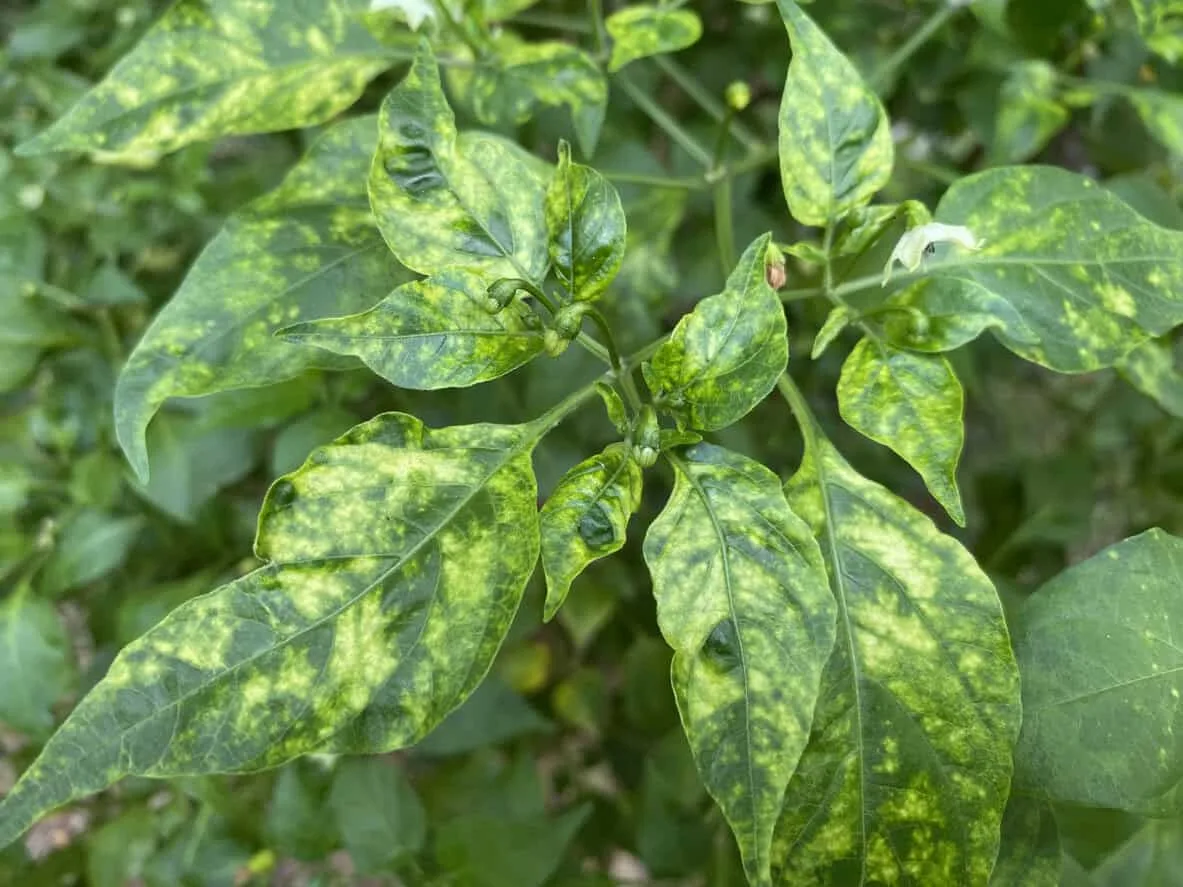
Yellow leaves on a pepper plant are almost always a symptom, not the disease itself. If you're asking why are pepper plant leaves turning yellow, the honest answer is that peppers use yellowing as a stress signal for at least a dozen different issues, from soggy roots to a missing micronutrient. The fix depends on which leaves are yellow, where the color sits on the leaf, and what the roots look like.
The good news is that most cases are recoverable if you catch them within a week or two. Our research across university extension guidance shows peppers (Capsicum annuum) perform best in soil with a pH of 6.0 to 6.8, night temperatures above 55°F, and consistent moisture. Miss any of those, and yellow leaves are usually the first warning.
Quick Answer
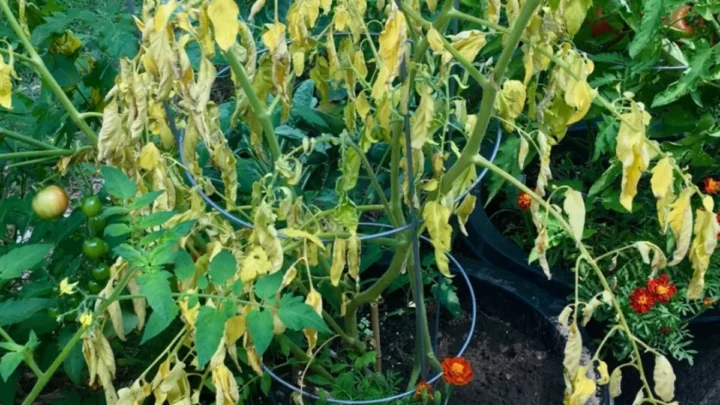
Pepper leaves turn yellow from water stress, nutrient shortages, cold, pests, or root disease. The pattern tells you the cause. Yellow lower leaves usually mean overwatering or a nitrogen shortage.
Yellow between the veins points to magnesium or iron. Yellow new growth at the top points to iron lockout or root damage.
Why Your Pepper Plant Leaves Are Turning Yellow (The Short Answer)
As of 2026, university extension programs still rank the same short list of causes for pepper leaf yellowing. These account for roughly 90% of cases:
- Overwatering or root rot (most common, especially in containers)
- Nitrogen deficiency (older leaves fade first)
- Magnesium or iron deficiency (interveinal yellowing)
- Cold stress below 55°F (13°C)
- Transplant shock in the first week outside
- Pests like aphids, spider mites, whiteflies, or thrips
- Soil pH problems locking nutrients out of the roots
- Fungal or bacterial disease
Most gardeners guess wrong on their first try because symptoms overlap. A quick diagnostic beats blind fertilizing.
Start Here: The 60-Second Diagnostic Checklist
Before you touch a bag of fertilizer or a watering can, run through these five checks. Each answer narrows the cause.
- Poke the soil two inches down. Wet and heavy? Suspect overwatering or root rot. Dry and dusty? Suspect drought stress.
- Which leaves are yellow? Lower and older leaves point to nitrogen, magnesium, or water problems. Top and newest leaves point to iron, calcium, or root damage.
- What does the yellow pattern look like? Solid pale yellow, yellow between green veins, or spotty patches all mean different things.
- Flip a leaf over. Look for tiny green, black, or white bugs. Watch for fine webbing or stippling.
- Check the roots. In a container, tip the plant out. Healthy roots are white and firm. Brown, mushy, smelly roots mean rot.
Write down what you find. Then match those clues to the sections below.
Where the Yellowing Shows Up Tells You the Cause
Leaf position is the single biggest diagnostic clue on a pepper plant. Nutrients move differently inside the plant, so a shortage shows up at a predictable spot.
Bottom Leaves Yellowing First
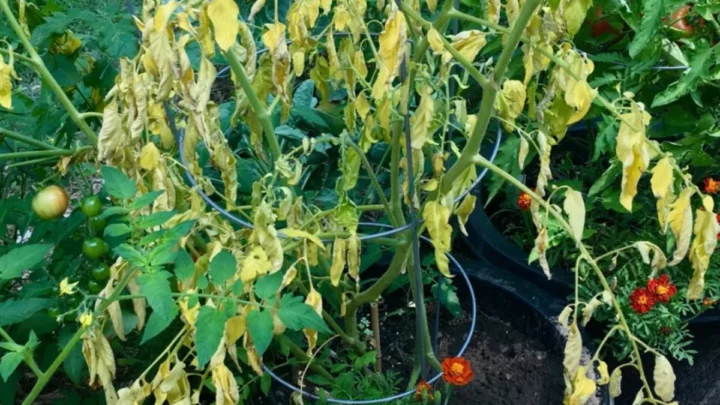
When the oldest leaves at the base turn yellow while the top stays green, the plant is moving something out of those leaves to feed newer growth. That's classic nitrogen deficiency or magnesium deficiency, both mobile nutrients. Overwatering also hits the bottom leaves first because roots suffocate before the whole plant wilts.
If the yellowing spreads upward and leaves feel soft, water is the culprit. If it stays on the lowest one or two leaves, that's often normal aging on plants over 8 weeks old.
Top and New Leaves Yellowing First
Yellow new growth means the plant can't move a nutrient into fresh tissue. That's usually iron, calcium, or manganese, all immobile nutrients. It can also mean root damage from rot or a root-bound container.
Check the soil pH first. Peppers above pH 7.0 can't absorb iron even when it's sitting right there in the soil.
Yellow Spots or Patches Scattered Across the Plant
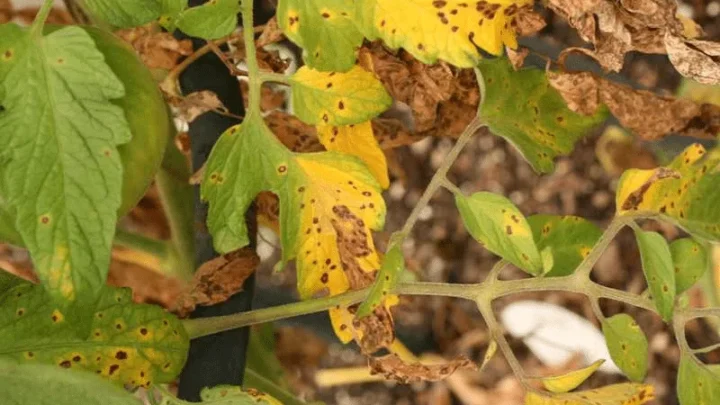
Random spots and patches almost always mean pests, disease, or sun scorch. Pest damage clusters near feeding sites. Fungal spots have defined edges, often with a dark ring.
Sun scorch hits the most exposed leaves and looks bleached rather than yellow.
The Yellowing Pattern Decoded
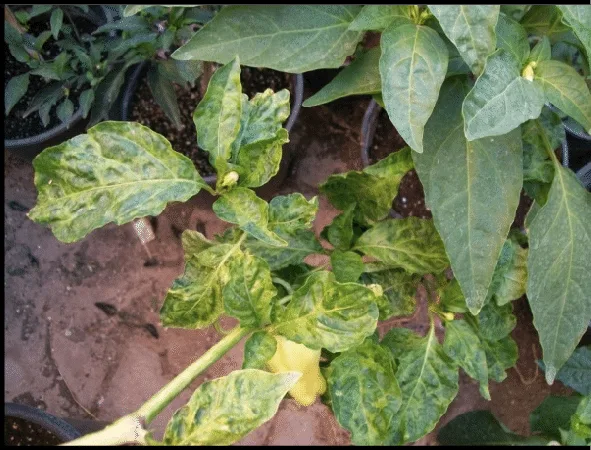
The exact color pattern tells you what's missing or wrong. Match your leaf to one of these three patterns.
Uniform Pale Yellow (Solid Color Shift)
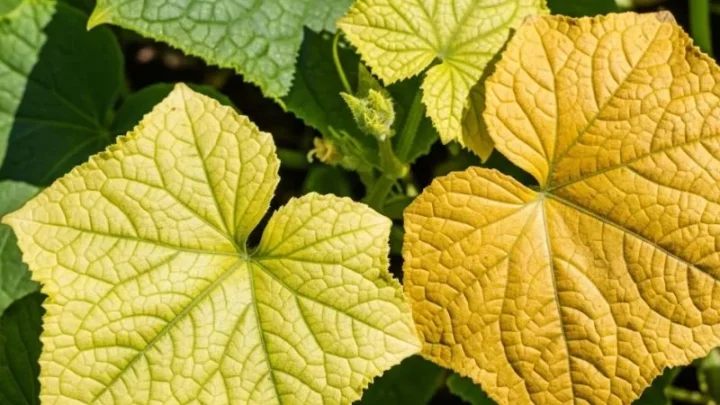
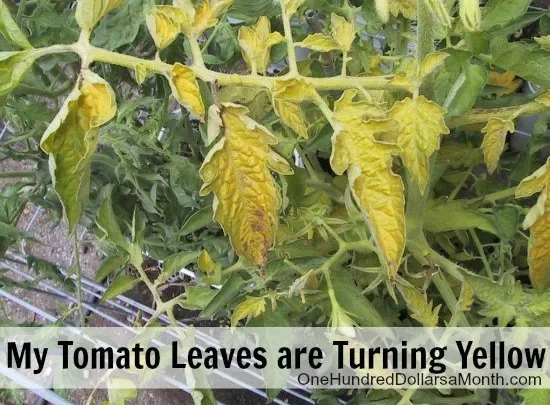
The whole leaf fades to a light yellow-green with no obvious pattern. That's the signature of nitrogen deficiency. It shows up on the oldest leaves first and moves up as the shortage gets worse.
A light feeding of balanced fertilizer or diluted fish emulsion usually greens the plant back up in 7 to 14 days. Don't overdo it. Too much nitrogen builds leaves at the cost of peppers.
Interveinal Yellowing (Green Veins, Yellow Between)
The veins stay bright green while the tissue between them turns yellow. That's interveinal chlorosis, and it points to two possible causes:
- Magnesium deficiency if it starts on lower, older leaves
- Iron deficiency if it starts on upper, newer leaves
Magnesium responds fast to an Epsom salt spray at 1 tablespoon per gallon of water. Iron chlorosis calls for chelated iron and often a pH correction, since iron gets locked out above pH 7.0. Guidance from land-grant programs like the Penn State Extension covers pepper nutrition in detail.
Yellow Edges with Green Centers
The margins turn yellow, sometimes brown and crispy, while the center stays green. That's potassium deficiency, or in container plants, salt burn from fertilizer buildup.
Flush the pot with plain water until it runs clear from the bottom. Then feed lightly with a balanced pepper fertilizer. In-ground plants respond to a side-dressing of wood ash or a potassium-rich fertilizer.
Water and Root Problems: Overwatering, Underwatering, and Root Rot
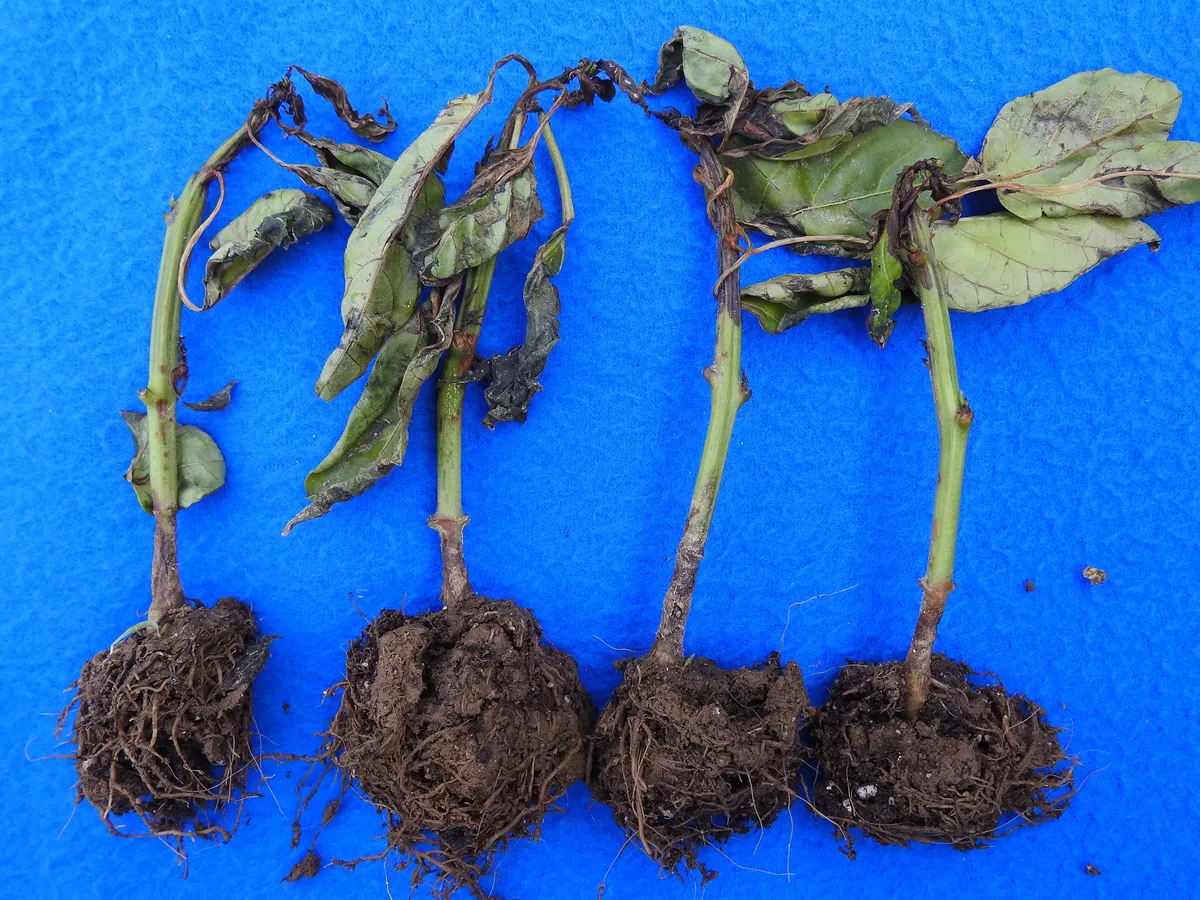
Water problems cause more yellow pepper leaves than any other single issue. They're also the ones people misdiagnose most often, because overwatered and underwatered plants can both look wilted and yellow.
Overwatering signs:
- Lower leaves yellow first, feel soft, and drop off
- Soil stays wet more than a day or two after watering
- Roots turn brown or black, feel mushy, and smell sour
- Fungus gnats hover around the pot
Underwatering signs:
- Whole plant wilts, then perks up after watering
- Leaves feel dry and crispy at the edges before yellowing
- Soil pulls away from the pot walls
- Yellowing spreads evenly across the plant
Root rot (usually Pythium or Phytophthora) is the endgame of chronic overwatering. Once roots turn dark and mushy, chemical fungicides rarely save the plant. Pull it out, trim off rotted roots, repot in fresh well-draining mix, and cut watering in half.
Peppers want the top inch of soil to dry between waterings, roughly 1 to 2 inches of water per week total. Container growers should always use pots with drainage holes and a mix that includes perlite or coarse sand. The USDA Agricultural Research Service publishes crop guidance that reinforces the drainage-first principle for solanaceous vegetables.
Nutrient Deficiencies in Pepper Plants
Peppers are moderate feeders, but they're picky about balance. A soil test beats guesswork every time. If you can't run one, the symptoms below let you match the shortage to the fix.
Nitrogen Deficiency
Older leaves fade to pale yellow-green from the tip inward, then drop. Growth slows and new leaves come in small. Fix it with a diluted nitrogen source like fish emulsion at half strength or a balanced 5-10-10 pepper fertilizer.
Skip the high-nitrogen lawn feed. Too much nitrogen produces lush foliage and few peppers.
Magnesium Deficiency
Lower leaves show green veins with yellow tissue between them. Sandy soils and heavy-fruiting plants run short first. A foliar spray of Epsom salt at 1 tablespoon per gallon usually greens the plant back up within a week.
Repeat every 10 to 14 days until new growth comes in normal.
Iron Deficiency
New growth at the top turns yellow with sharp green veins. It looks like magnesium deficiency, just at the wrong end of the plant. In most cases the iron is in the soil but locked out by high pH or wet roots.
Apply chelated iron per label rate and fix the underlying pH or drainage problem. Otherwise the symptom keeps coming back.
Calcium and Potassium Issues
Calcium shortages usually show up as blossom end rot on the fruit before leaves complain. When leaves do react, new growth cups and yellows at the edges. Steady watering matters more than adding calcium, because uneven moisture blocks uptake even in calcium-rich soil.
Potassium shortage yellows leaf margins first, often with brown crispy edges. A side-dressing of a potassium-rich pepper fertilizer or wood ash corrects it.
Temperature Stress, Transplant Shock, and Sunlight Problems
Peppers are warm-weather plants. Anything under 55°F (13°C) at night or over 90°F (32°C) in the day stresses them. Cold-stressed peppers often show a purple or bronzed cast alongside the yellow.
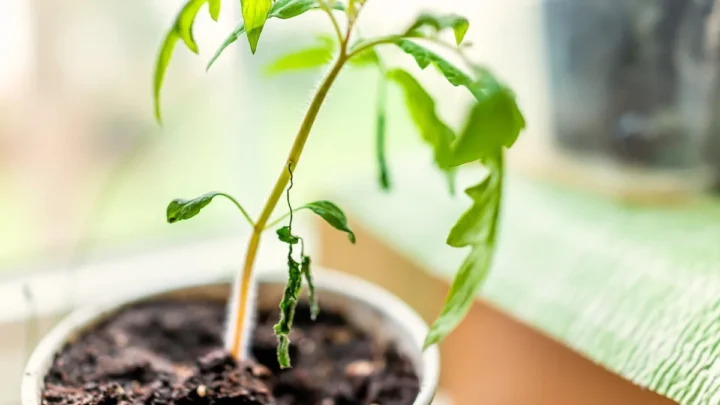
Transplant shock hits in the first 7 to 10 days after moving seedlings outside. Older leaves may yellow and drop as the plant redirects energy to new roots. Harden off seedlings over 7 to 10 days before planting to reduce shock.
Too much direct sun on a container plant can bleach and yellow the top leaves, especially in hot southern climates. Afternoon shade cloth or moving the pot east helps. Too little sun (under 6 hours) produces pale, leggy growth that never fully greens.
Pests That Cause Yellow Pepper Leaves
Sap-sucking insects drain the plant, and yellow leaves show up within days of a heavy infestation. Always flip leaves over before spraying anything. Most pests hide on the undersides.
Aphids, Spider Mites, Whiteflies, and Thrips
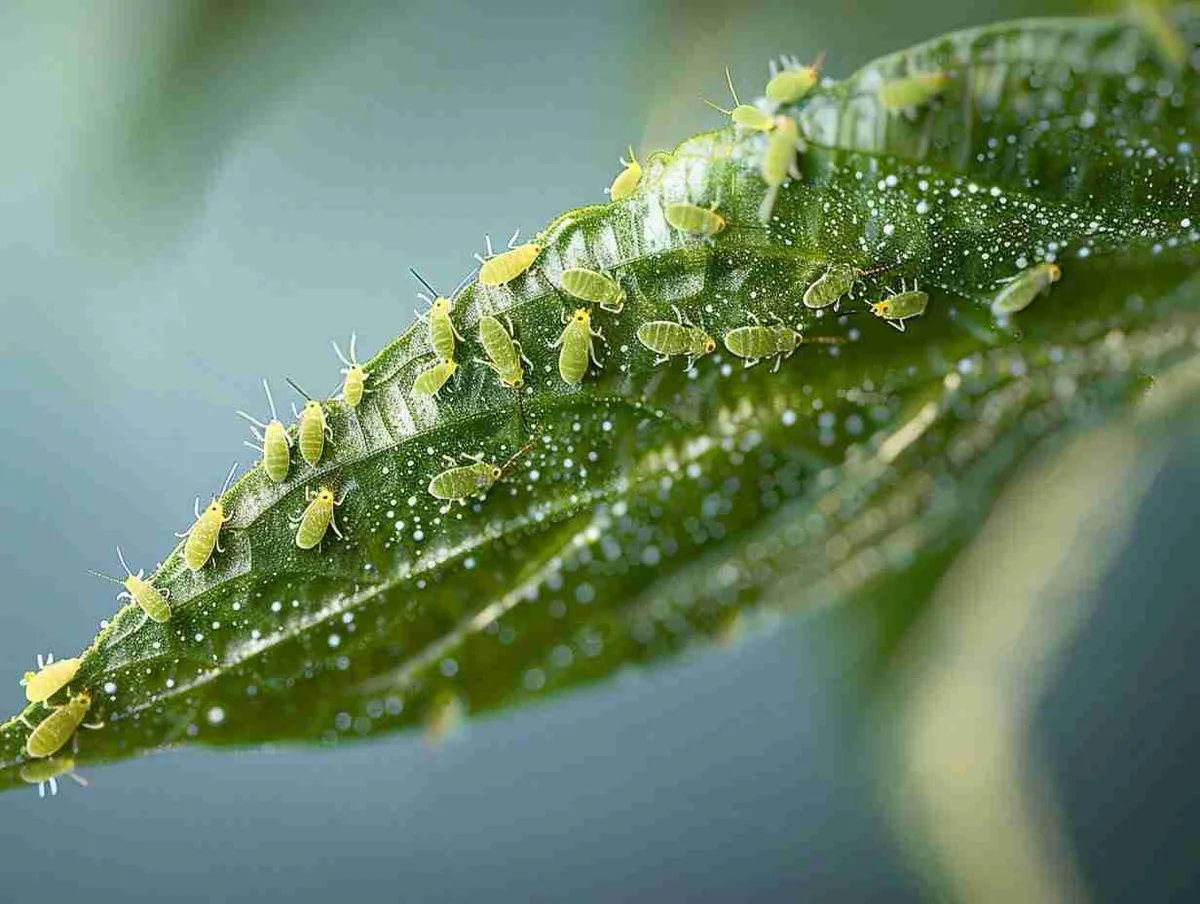
Aphids cluster in green, black, or gray colonies on new growth and leaf undersides. Leaves curl, yellow, and get sticky from honeydew. Spider mites leave fine yellow stippling and pale webbing under leaves.
Whiteflies fly up in a small cloud when you brush the plant.
Thrips scrape leaf surfaces and leave silvery streaks that yellow over time. Knock most pests off with a strong water spray first. Follow up with insecticidal soap or neem oil, coating both sides of the leaf every 5 to 7 days for two to three cycles.
Diseases That Turn Pepper Leaves Yellow
Diseases usually cause yellowing paired with something else, like spots, wilting, or misshapen new growth. Left alone, they spread fast.
Fungal Wilts, Bacterial Spot, and Viruses
Verticillium and Fusarium wilt cause one-sided yellowing and wilting that doesn't recover after watering. Both live in the soil for years. Pull affected plants and rotate peppers out of that bed for at least three seasons.
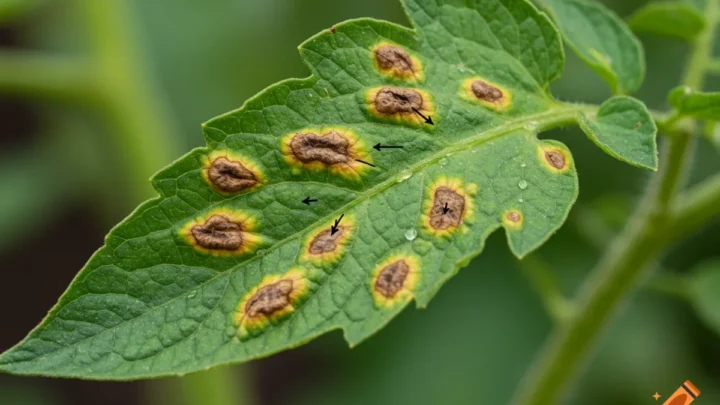
Bacterial leaf spot shows small dark spots with yellow halos, spreading during warm wet weather. Copper-based sprays help slow it, but resistant varieties are the real fix.
Tobacco mosaic virus and pepper mottle virus produce mottled yellow-green patches with distorted new growth. There's no cure. Pull the plant, bag it, and throw it in the trash.
Don't compost it, and wash your hands and pruners before touching other plants.
Soil pH and Why Peppers Stop Absorbing Nutrients
Peppers absorb nutrients best between pH 6.0 and 6.8. Move outside that band and the roots can't grab iron, manganese, phosphorus, or calcium even when the soil test shows plenty available. That's nutrient lockout, and it looks exactly like a deficiency.
Alkaline western soils (pH 7.5+) commonly trigger iron chlorosis on upper leaves. Acidic soils under pH 5.5 can lock out calcium and magnesium. A cheap soil test kit or a mail-in test from a state extension lab tells you where you stand for under $20 in most states.
Lower high pH with elemental sulfur or an acidifying fertilizer. Raise low pH with garden lime. Adjust gradually.
Big pH swings shock the roots and cause more yellowing than they cure.
Container Peppers vs In-Ground: Different Yellowing Triggers
Container plants yellow for different reasons than in-ground plants, so the fix changes with the setup. Pots dry out faster, run out of nutrients faster, and heat up more in the sun.
| Trigger | Container Peppers | In-Ground Peppers |
|---|---|---|
| Water | Dry out in a day, root rot in soggy mix | Uneven rain, drought stress |
| Nutrients | Wash out with every watering | Deficiencies build slowly |
| Roots | Root-bound in undersized pots | Compacted soil, pest damage |
| Temperature | Pot heats to 100°F+ in sun | More buffered by ground |
Use a 3 to 5 gallon pot minimum for mature peppers. Feed containers lightly every 2 to 3 weeks. Flush pots monthly to prevent salt buildup that yellows leaf edges.
Step-by-Step Fix Based on Your Diagnosis
Work through the fix in this order. Skipping ahead usually makes things worse.
- Stop watering if the soil is wet. Let it dry to the second knuckle before the next drink.
- Check roots if the plant is in a pot. Trim any brown mushy roots and repot in fresh mix.
- Match the pattern to nitrogen, magnesium, iron, or potassium and apply the right correction.
- Test soil pH if new leaves keep yellowing after feeding. Adjust with sulfur or lime.
- Spray for pests on both sides of the leaves if you found bugs.
- Remove diseased leaves and any plants with viral mottling. Bag and trash them.
- Feed lightly with a balanced pepper fertilizer once the plant stabilizes.
Give the plant 7 to 14 days between changes so you can tell what worked.
Mistakes That Make Yellow Leaves Worse
- Dumping fertilizer on a sick plant. Damaged roots can't absorb it, and salt buildup burns the leaves.
- Watering on a schedule instead of checking the soil. Peppers want the top inch dry between waterings.
- Ignoring drainage. A pretty pot with no holes is a slow death sentence.
- Spraying pesticide without identifying the pest. Some treatments make mite outbreaks worse.
- Composting virus-infected plants. The virus survives and spreads next season.
- Adjusting pH by more than 0.5 points at once. Big swings shock the roots.
Recovery Timeline: What to Expect After You Fix It
Yellow leaves that already exist rarely turn green again. The plant recovers by pushing healthy new growth from the top.
| Problem | New green growth | Full recovery |
|---|---|---|
| Nitrogen deficiency | 5 to 10 days | 2 to 3 weeks |
| Magnesium (foliar spray) | 3 to 7 days | 10 to 14 days |
| Iron chlorosis (with pH fix) | 10 to 14 days | 3 to 4 weeks |
| Overwatering (mild) | 7 to 14 days | 2 to 4 weeks |
| Root rot (repotted) | 2 to 3 weeks | 4 to 6 weeks |
| Pest damage (after control) | 5 to 10 days | 2 to 3 weeks |
If nothing changes after two weeks, revisit the diagnosis. You may have missed a second overlapping issue.
When to Cut Your Losses and Pull the Plant
Pull the plant when the roots are fully rotted, the stem is soft near the soil line, or a virus has taken hold. No amount of feeding brings those back.
Also pull if fusarium or verticillium wilt is confirmed. Both live in the soil for years, and leaving a diseased plant risks the whole bed. Rotate peppers out of that spot for at least three seasons.
Replant with a resistant variety next year, and start with clean seedlings from a trusted source.
Pepper Leaf Yellowing FAQs
Should I cut off yellow pepper leaves?
Yes, if they're more than half yellow or fully brown. Remove them with clean scissors so the plant redirects energy to healthy foliage. Leave leaves that are only slightly pale, since they still photosynthesize.
Sanitize your tool between plants to avoid spreading disease.
Will yellow pepper leaves turn green again?
Rarely. Once chlorophyll breaks down in an old leaf, it doesn't come back. The plant recovers by pushing new green growth from the top after you fix the underlying cause.
Judge success by the color of the newest leaves, not the old ones.
Is Epsom salt safe for pepper plants?
Yes, in moderation. A foliar spray of 1 tablespoon per gallon of water corrects magnesium deficiency within a week or two. Skip it if a soil test shows magnesium is already sufficient.
Extra magnesium can block calcium uptake and trigger blossom end rot.
Why do only the bottom pepper leaves turn yellow?
Bottom leaves yellow first when a mobile nutrient runs short or the roots are stressed. Nitrogen, magnesium, and water problems all move up from the base. Check soil moisture and leaf pattern before feeding.

Similar Posts