Why Pepper Plants Droop in Hot Weather (and How to Fix It)
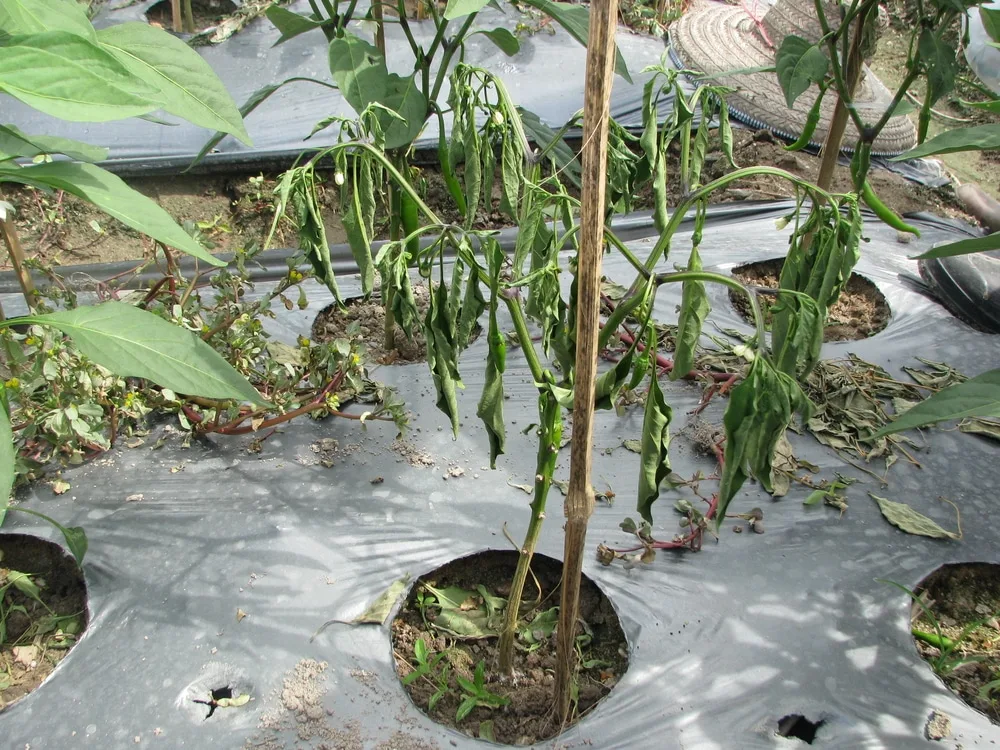
Pepper plants drooping in the afternoon sun is one of the biggest panics in a summer garden, and the honest answer to "Why are pepper plants drooping in hot weather?" is almost never what beginners guess. Most of the time it's a normal water-management move by the plant itself. Sometimes it's the first sign of a serious problem underground.
Getting the difference right is the whole game.
Peppers evolved in warm climates, but their thin, glossy leaves lose water fast once the air climbs past 90°F (32°C). The USDA lists ideal pepper growth between 70 and 85°F. Anything higher and the plant starts making trade-offs to survive.
As of 2026, diagnosis, not reflex watering, is what saves your crop.
Quick Answer
Pepper plants droop in hot weather mainly to save water. When air temperatures climb above 90°F, leaves close their stomata and wilt to cut water loss. This is usually temporary and reverses by evening.
Persistent morning wilt points to root damage, overwatering, or disease. Diagnose before you water.
The Quick Diagnosis: What Time of Day Are They Wilting?
The single most useful check is a time-of-day inspection. When the leaves droop tells you almost everything about why.
Walk out at three moments: sunrise, mid-afternoon (2 to 4 PM), and dusk. Note the leaves each time.
- Firm at sunrise, limp at 3 PM: normal heat wilt. No action needed.
- Still drooped at sunrise or dusk: something is wrong at the roots.
- Perky yesterday, wilted today: moisture or root health has shifted.
Healthy peppers recover overnight, when transpiration slows and stomata reopen. This simple morning check remains the fastest field diagnostic taught by university extension programs.
How Peppers Actually Respond to Heat (Transpiration, Turgor, and Stomatal Closure)
Understanding the mechanism keeps you from reacting the wrong way.
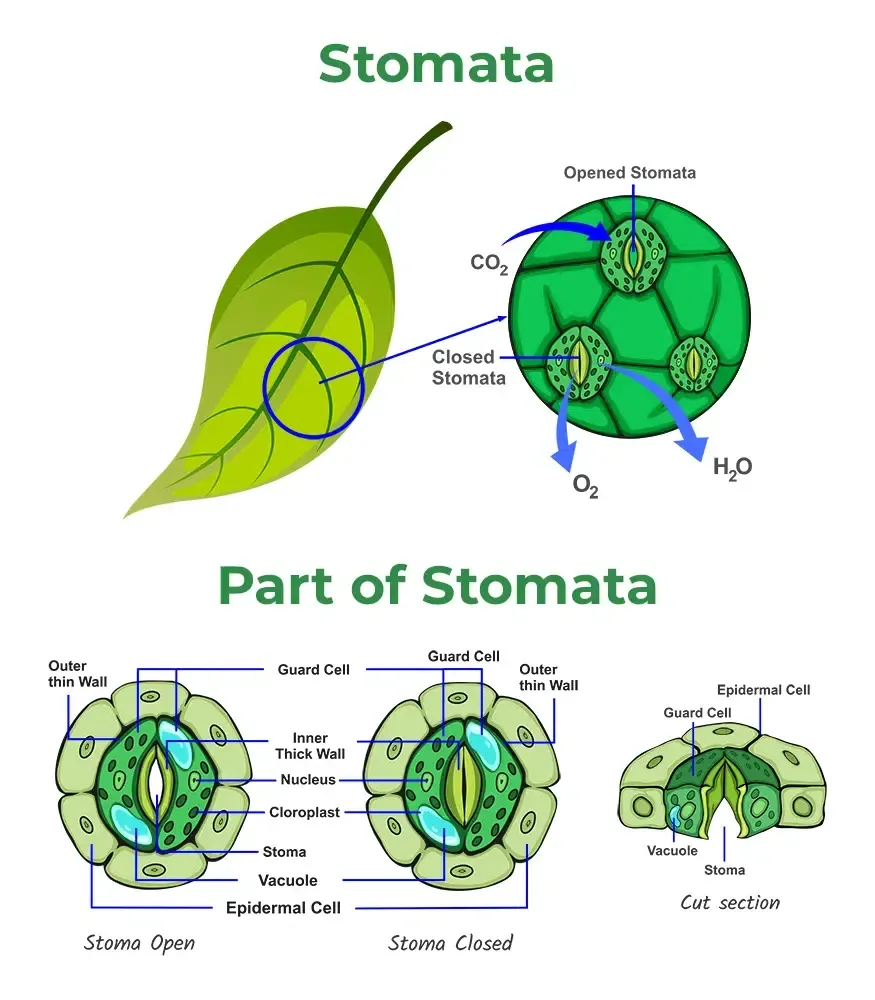
Peppers pull water from the soil through the xylem. Tiny pores on the underside of each leaf, called stomata, open to release water vapor. That release is transpiration, and it cools the plant while pulling more water and nutrients upward.
When the air gets hot and dry, the vapor pressure deficit between leaf and air spikes. The plant loses water faster than the roots can replace it. To protect itself, the pepper closes its stomata and lets its leaves lose turgor pressure.
That's the droop you see.
Once evening cools the air, roots catch up, stomata reopen, and the leaves stiffen again. The USDA Agricultural Research Service has documented this response pattern in Capsicum annuum under high-heat conditions.
The Temperature Thresholds That Actually Matter for Peppers
Numbers help you predict trouble before it starts.
| Condition | Temperature | What Happens |
|---|---|---|
| Optimal growth | 70–85°F (21–29°C) | Steady photosynthesis, good fruit set |
| Mild heat stress | 85–90°F (29–32°C) | Occasional midday wilt, still productive |
| Blossom drop begins | Above 90°F day / 75°F night | Flowers abort, fruit set stalls |
| Root zone stress | Soil above 85°F (29°C) | Reduced water uptake |
| Severe heat stress | Above 95°F (35°C) sustained | Leaf droop, sunscald, growth pause |
Root temperature matters more than most gardeners realize. A black plastic pot in full sun can hit 110°F internally by mid-afternoon. That cooks fine root hairs even when the soil is wet.
Nighttime lows matter too. If overnight temperatures stay above 75°F, peppers can't recover metabolically. Sustained warm nights are a bigger driver of blossom drop than daytime peaks.
Decision Branch 1: Midday Wilt With Firm Morning Leaves
If your peppers look strong at breakfast and floppy after lunch, you almost certainly have healthy plants doing normal heat management. Do not water.
Watering a transpiring plant is the fastest way to drown healthy roots. The soil is often still moist. The wilt is about demand outpacing throughput, not supply.
What to do instead:
- Push a finger 2 inches into the soil. If it's damp, walk away.
- Come back at dusk. Recovered leaves mean no problem existed.
- Add 2 to 4 inches of straw or wood-chip mulch to buffer soil temperature.
- If afternoons routinely hit 95°F+, plan for 30 to 40% shade cloth.
Decision Branch 2: Drooping Even in the Cool Morning
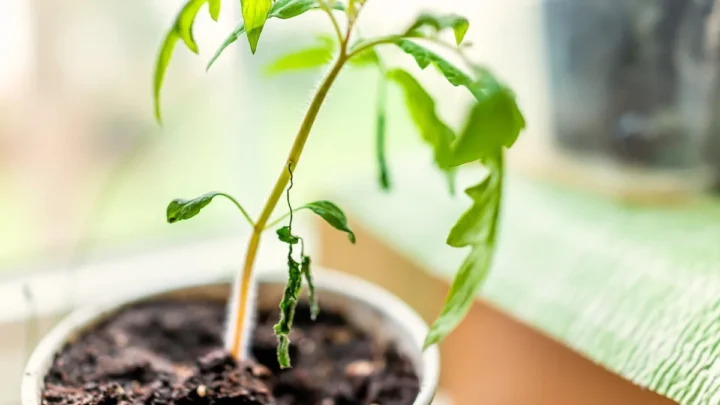
If your peppers are limp before the sun even hits them, the roots are in trouble. This is a plumbing problem, not a heat problem, and it needs the opposite response.
Morning droop usually traces back to one of four causes:
- Waterlogged soil starving roots of oxygen
- Root rot from Pythium, Phytophthora capsici, or Fusarium
- Severe drought where the soil has fully dried out
- Physical damage from cultivation, transplant shock, or vole activity
Start with the finger test. Bone dry means the plant needs a slow, deep soak. Soggy or sour-smelling means you have the opposite problem, and more water will kill it faster.
If drainage is the culprit, stop watering for 3 to 5 days. If root rot is suspected, gently lift one plant. Healthy pepper roots are white to cream.
Brown, mushy, or black roots mean the plant may not recover.
Decision Branch 3: Wilting Right After Watering
If your peppers slump within hours of a soak, the roots are drowning, not thirsty. Wet soil in hot weather strips the root zone of oxygen fast.
Roots need to breathe. Waterlogged soil creates the anaerobic conditions that Pythium and Phytophthora thrive in. Add 90°F+ air on top and the plant collapses within a day.
What to check:
- Is drainage blocked at pot holes or in low spots?
- Are you watering daily on autopilot?
- Is mulch trapping moisture against the stem?
The fix is restraint. Let the top 2 inches dry before the next watering. Peppers prefer a deep drink every 3 to 4 days over a daily sprinkle.
Decision Branch 4: Container Peppers Wilting Faster Than In-Ground
Container peppers wilt sooner because their root zone heats up and dries out much faster than garden soil.
A 5-gallon black plastic pot in full sun can hit 105 to 110°F internally by 3 PM. In-ground soil at 6 inches deep rarely tops 85°F under mulch. That gap changes everything.
Fast fixes for potted peppers:
- Move pots to morning sun and afternoon shade during heat waves.
- Wrap dark pots in light-colored cloth or double-pot inside a larger container.
- Upgrade to fabric grow bags, which breathe and stay cooler.
- Mulch the top of the pot with straw or coconut coir.
- Water in the early morning until water drains from the bottom.
Container minimum for full-size peppers is 5 gallons. Anything smaller cooks by August.
Decision Branch 5: New Transplants Collapsing in the Heat
Freshly transplanted peppers droop faster than mature plants because their root systems haven't spread out yet. They can't pull water from a wide zone.
If you planted within the last 2 weeks and a heat wave hit, expect wilt even in moist soil. This is transplant shock stacked on heat stress.
Recovery playbook:
- Shade the plant for 3 to 5 days with a light row cover or an inverted pot on stakes.
- Water at the base every morning until roots establish.
- Skip fertilizer until the plant perks up. Feeding a stressed transplant burns roots.
- If leaves crisp, trim damaged tissue only after the plant stabilizes.
Harden off transplants over 7 to 10 days and set them out during a mild stretch, not the week of a forecast heat dome.
How to Check Soil Moisture the Right Way Before You Water
Guessing kills more peppers than drought. A 30-second check gives you the real answer.
Three reliable methods:
- Finger test: push a clean finger 2 inches into the soil. Cool and damp means wait. Dry and crumbly means water.
- Wooden dowel: push it 4 to 6 inches deep. If soil clings, moisture is present.
- Soil moisture meter: a $10 probe reads dry, moist, or wet at root depth.
For potted peppers, lift the pot. A heavy pot is a wet pot. This weight test is what commercial growers still use.
Water when the top 2 inches are dry but deeper soil is still slightly moist.
Root Health Check: When to Dig and What to Look For
If wilt persists after 2 to 3 days of correct watering, inspect the roots. This is a last-resort check, not a first move.
Choose the weakest plant. Water lightly the night before. Dig a wide circle 6 inches out from the stem and lift the root ball intact.
Healthy pepper roots look like:
- White to cream color
- Firm and springy
- Mild earthy smell
- Fine feeder roots branching throughout
Warning signs:
- Brown, black, or slimy roots
- Sour or rotten smell
- Hollow, mushy taproot
- Roots circling tightly in a pot-bound mass
If more than one-third of the roots are damaged, the plant rarely recovers. Per Penn State Extension, soilborne pepper pathogens can survive multiple seasons in infected debris, so bag and remove rather than compost.
Cooling the Root Zone: Mulch, Shade Cloth, and Container Placement
Cooling the root zone is the highest-leverage move you can make in a heat wave. Air temperature you can't change. Soil temperature you can.
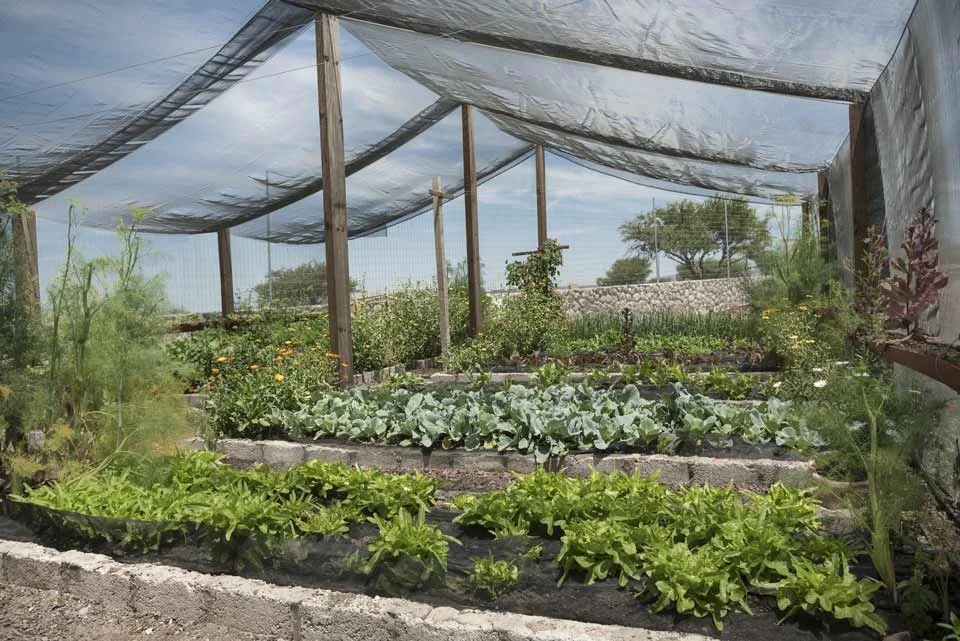
Three tactics stack well together:
- Mulch: 2 to 4 inches of straw, shredded leaves, or wood chips drop soil temperature by 10 to 15°F. Keep mulch 1 inch off the stem.
- Shade cloth: a 30 to 40% density panel over hoops protects flowers and leaves. Install before the heat wave, not during.
- Container placement: move pots to eastern exposures so they get morning sun and afternoon shade.
For raised beds, light-colored cloth or reflective mulch lowers surface heat. Skip black plastic in summer.
The Right Way to Water Peppers During a Heat Wave
Watering technique matters more than volume during extreme heat.
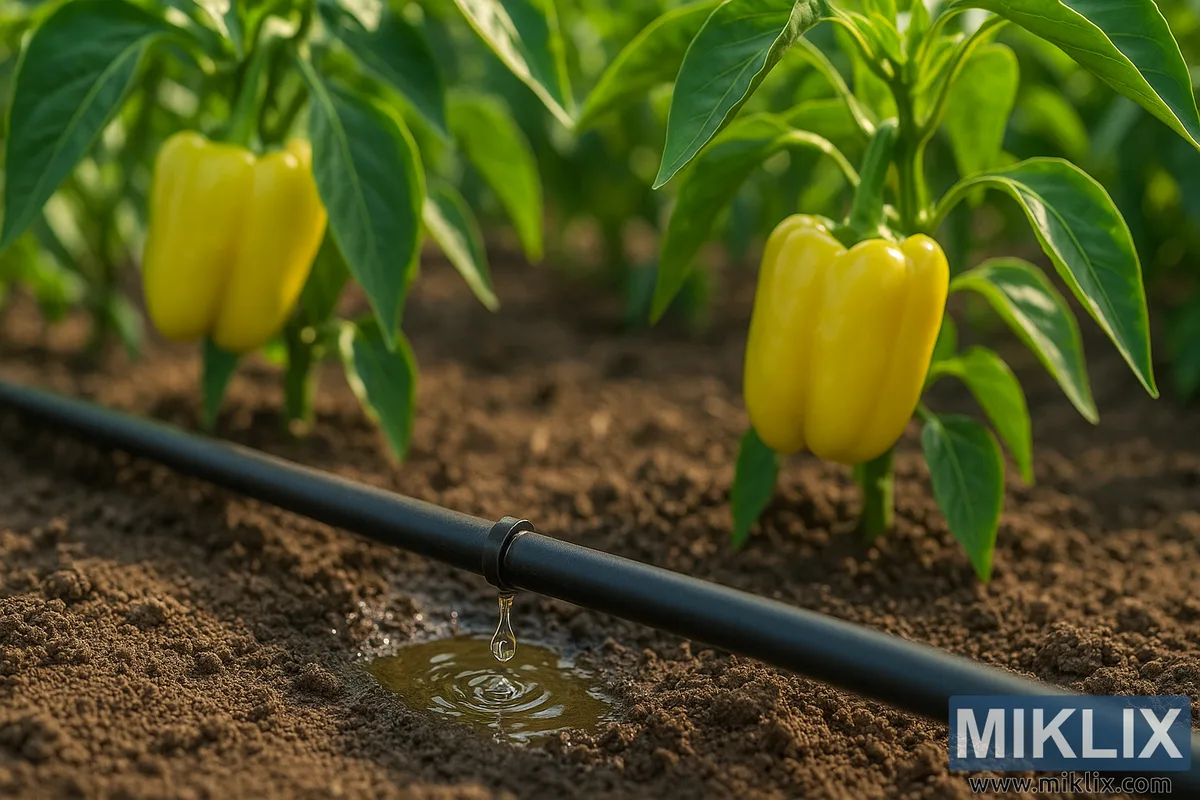
Rules for any stretch above 90°F:
- Water in the early morning, ideally between 5 and 8 AM.
- Water deeply once every 2 to 3 days. Aim for water to reach 6 to 8 inches deep.
- Water at the base, not over the leaves. Wet foliage invites fungal disease.
- Use drip irrigation or a soaker hose where possible.
- Skip evening watering. Wet soil overnight promotes root rot.
To rescue a badly wilted plant, water slowly in stages. Give one cup, wait 20 minutes, then repeat. Sudden flooding on hot dry soil runs off before it soaks in.
Heat-Related Problems That Look Like Wilt But Aren't (Blossom Drop, Sunscald, Spider Mites)
Not every heat symptom is wilt. Mixing these problems up leads to the wrong fix.
- Blossom drop: flowers yellow and fall without setting fruit. Fruit set resumes once nights drop below 75°F.
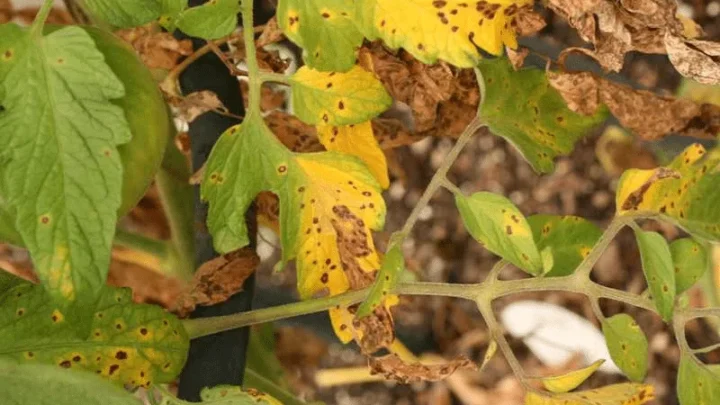
- Sunscald: pale, papery patches on leaves or fruit exposed to afternoon sun. Prevent with shade cloth. Damaged tissue stays dead.
- Spider mites: fine stippling on leaves and faint webbing underneath. Blast leaf undersides with water every 2 to 3 days.
- Curled leaves: often a heat response, not a pest. Peppers roll leaves to reduce sun exposure.
Diagnose the pattern before reaching for a spray.
Fungal and Bacterial Wilts You Shouldn't Confuse With Heat Stress
Some wilts are pathogens, not weather. These need a completely different response.
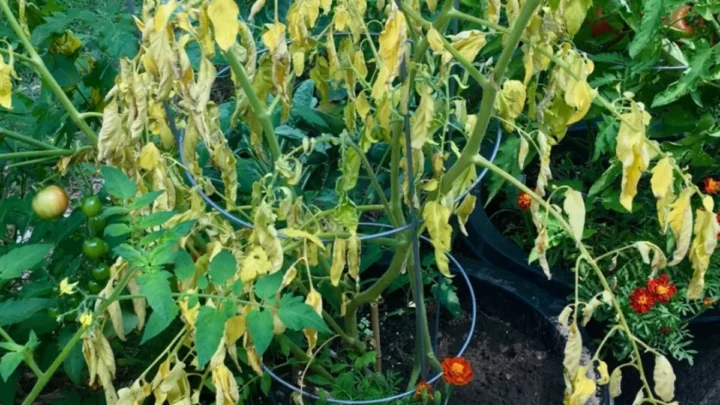
- Verticillium and Fusarium: one side wilts first, leaves yellow from the bottom up, and stems show brown streaks when sliced. No overnight recovery.
- Bacterial wilt (Ralstonia solanacearum): sudden collapse of green leaves with no yellowing. Cut a stem and suspend it in water. Cloudy white ooze confirms it.
- Phytophthora capsici: dark lesions at the soil line and sudden collapse after warm, wet weather.
These do not respond to watering or shading. Remove and destroy affected plants. Rotate peppers, tomatoes, and eggplants out of that bed for 3 to 4 years.
Mistakes That Kill Heat-Stressed Peppers Faster
The worst pepper damage in summer usually comes from well-meaning intervention.
- Watering during midday wilt when soil is already moist.
- Fertilizing a stressed plant. Salts burn heat-shocked roots.
- Spraying pesticides above 85°F. Most labels prohibit it.
- Pruning heavily during a heat wave. Every leaf shades fruit and stems.
- Using cold hose water at midday, which shocks roots.
- Repotting a wilted plant. Disturbing roots on top of heat stress often finishes them off.
Do nothing dramatic during the peak of a heat event. Wait until evening.
Recovery Timeline: What to Expect After You Fix the Cause
Once you correct the cause, peppers recover on a predictable schedule.
| Problem | Recovery Time | What You'll See |
|---|---|---|
| Normal midday wilt | Same evening | Full turgor by dusk |
| Underwatering | 12 to 24 hours | Leaves firm after deep watering |
| Overwatering | 3 to 7 days | Slow return once soil dries |
| Transplant shock | 7 to 14 days | New leaf growth signals recovery |
| Mild root rot | 2 to 4 weeks | Depends on remaining healthy roots |
| Fungal or bacterial wilt | No recovery | Remove and destroy |
Fruit set typically resumes 1 to 2 weeks after nighttime temperatures drop back below 75°F.
Frequently Asked Questions
Should I water pepper plants every day in hot weather?
No. Daily shallow watering encourages weak surface roots and often keeps soil too wet. Peppers do better with a deep soak every 2 to 3 days.
Check soil moisture 2 inches down before each watering. Containers usually need more frequent water than in-ground beds.
Will my drooping pepper plants recover overnight?
Usually yes, if the wilt is heat-driven. Healthy peppers rehydrate as temperatures drop and stomata reopen. Leaves should be firm by sunrise.
If they still droop in the morning, the problem is root damage or disease, not heat, and it needs a different response.
Is 100°F too hot for pepper plants?
Peppers survive 100°F but stop producing new fruit. Flowers drop, growth pauses, and leaves may curl or scorch. Shade cloth at 30 to 40%, deep mulch, and morning watering keep plants alive through the spike.
Fruit set restarts once temperatures fall back to the mid-80s.
Can I use ice cubes or cold water to cool a wilted pepper?
No. Cold water shocks warm roots and can crack fine feeder roots. Use room-temperature water from a hose that has been shaded or run for a minute to clear the hot water inside.
The goal is gradual rehydration, not thermal shock.
Do heat-tolerant pepper varieties really help?
Yes. Varieties bred for hot climates such as Jalapeño M, Big Jim, and many Capsicum chinense cultivars set fruit at higher temperatures. Bell peppers are the most heat-sensitive.
In climates that regularly top 95°F, choose smaller-fruited varieties or plant early so fruit sets before peak heat.
Your At-a-Glance Decision Guide for Drooping Peppers
Use this quick tree next time your peppers droop.
| Symptom | Likely Cause | First Action |
|---|---|---|
| Firm at dawn, wilted at 3 PM | Normal transpiration | Do nothing. Add mulch. |
| Wilted at dawn, dry soil | Underwatering | Deep morning soak |
| Wilted at dawn, wet soil | Overwatering or rot | Stop watering. Inspect roots. |
| Wilt hours after watering | Waterlogged roots | Improve drainage |
| Wilt on one side only | Fungal or bacterial wilt | Remove plant |
| Container wilts fastest | Root zone overheating | Shade pot, upsize, or double-pot |
| New transplant droops | Transplant shock plus heat | Shade 3 to 5 days, water at base |
Diagnose first. Water second. That single habit change saves more peppers in July and August than any other move in the garden.

Similar Posts