Tomato Leaves Curling Down With No Pests? Here’s Why
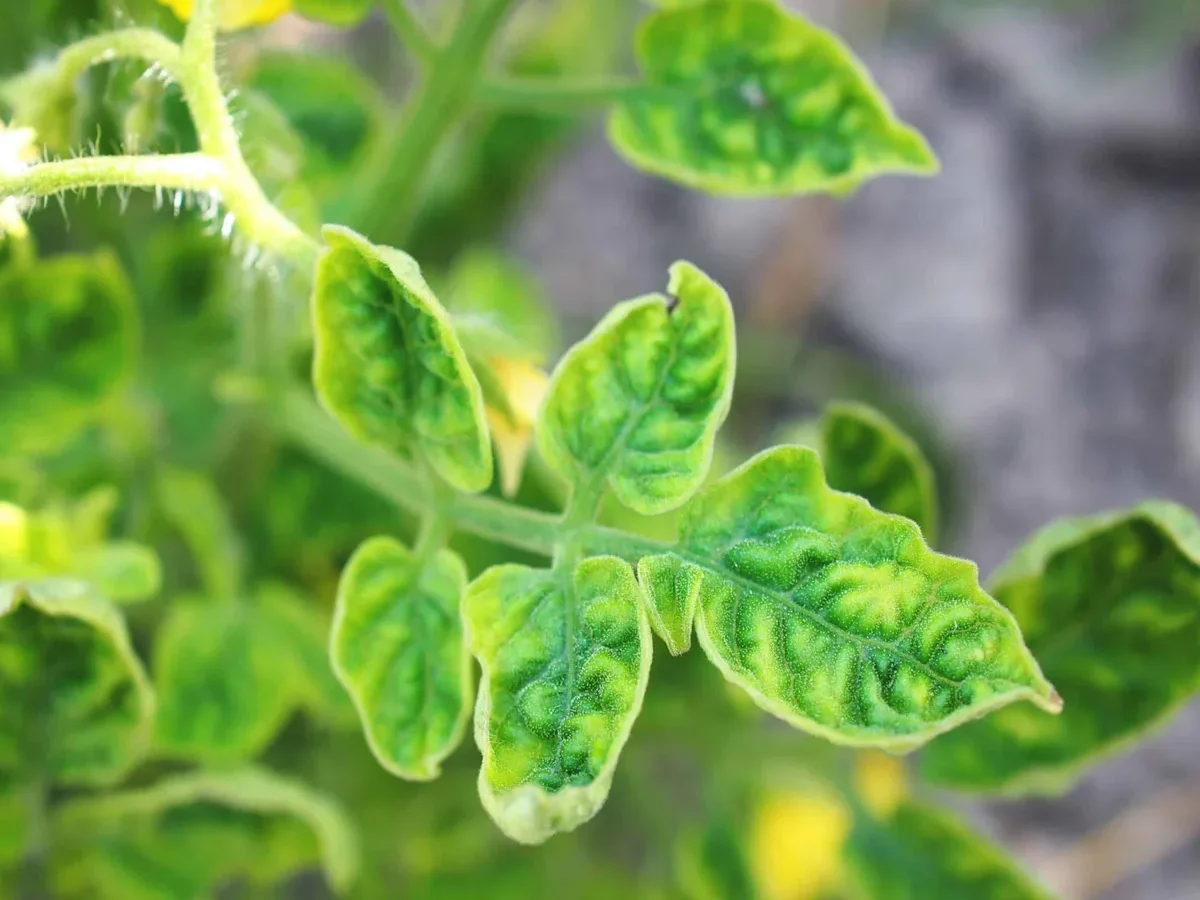
Tomato leaves rolling downward without a single aphid, hornworm, or mite in sight is one of the most confusing problems in the vegetable garden. If you've been asking yourself why are tomato leaves curling downward when there are no pests, the short answer is that your plant is reacting to its environment, its roots, or something invisible in the soil or air. It's almost always a stress signal, not a bug.
The good news is that most causes are fixable once you know what you're looking at. In our research across university extension guidance and USDA plant health notes, the six most common culprits account for over 90% of non-pest downward curl cases reported as of 2026. Let's start with the fastest way to tell what your plant is actually saying.
Quick Answer
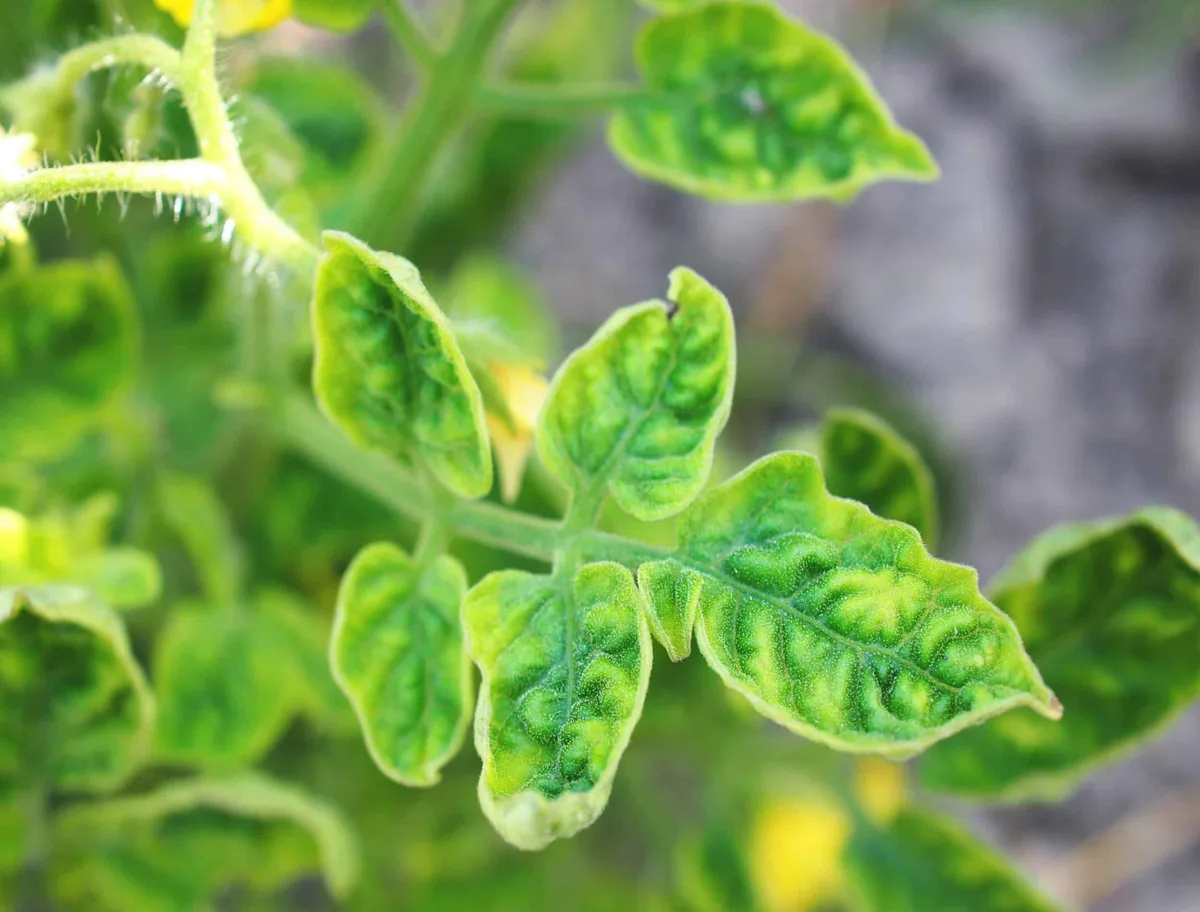
Tomato leaves curl downward without pests when the plant is stressed. The most common causes are heat above 85°F, overwatering, transplant shock, wind, herbicide drift, or a virus. Downward cupping with normal color is usually physiological and harmless.
Twisted, fern-like new growth points to herbicide damage. Mottled, distorted foliage points to a virus.
Quick Diagnosis: What Downward Curl Usually Means
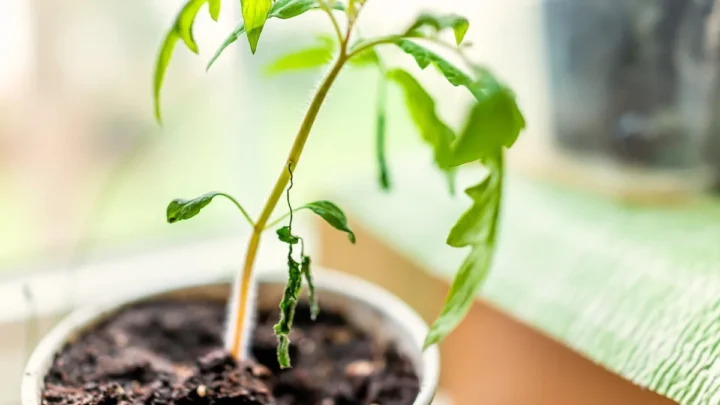
Downward curl, also called epinasty, is the plant folding its leaflets toward the ground to reduce water loss and protect itself. In most cases it's a protective reflex, not a disease. The color stays green, the fruit keeps setting, and the plant carries on.
The problem gets serious when curl comes with other symptoms. Twisted new growth, yellow mottling, purple veins, or stunted shoots point to something more than heat stress. That's when you need to dig deeper.
Here's the fast triage rule most growers can use in under a minute:
- Green leaves, cupped downward, older foliage affected first: physiological stress (heat, water, wind).
- Twisted, narrow, strap-like new growth: herbicide contamination.
- Mottled, yellow, or bronzed leaves with distortion: viral infection.
Physiological Leaf Roll vs. True Disease
Physiological leaf roll is the plant's version of squinting in bright sun. It looks alarming but doesn't hurt yield. True disease, whether viral or from chemical damage, keeps getting worse no matter what you do.
The two look similar at a glance. The difference lives in three details: which leaves are affected, whether new growth looks normal, and how fast the symptom spreads.
| Feature | Physiological Roll | Disease or Chemical Damage |
|---|---|---|
| Leaf color | Normal green | Yellow, mottled, or bronzed |
| Leaf texture | Thick, leathery, firm | Thin, twisted, or brittle |
| New growth | Healthy and normal | Distorted, narrow, or fern-like |
| Progression | Stops when stress ends | Worsens over days or weeks |
| Fruit set | Usually normal | Reduced or deformed |
If your plant checks the left column, relax. It'll bounce back within a day or two of cooler weather or steadier watering. If it checks the right column, keep reading.
The next sections walk through exactly what to look for.
The 6 Non-Pest Causes of Downward Curling Tomato Leaves
Six causes explain almost every case of downward curl that isn't insect-related. Each has its own fingerprint, and knowing them cuts your diagnosis time in half.
Heat Stress and High Soil Temperatures
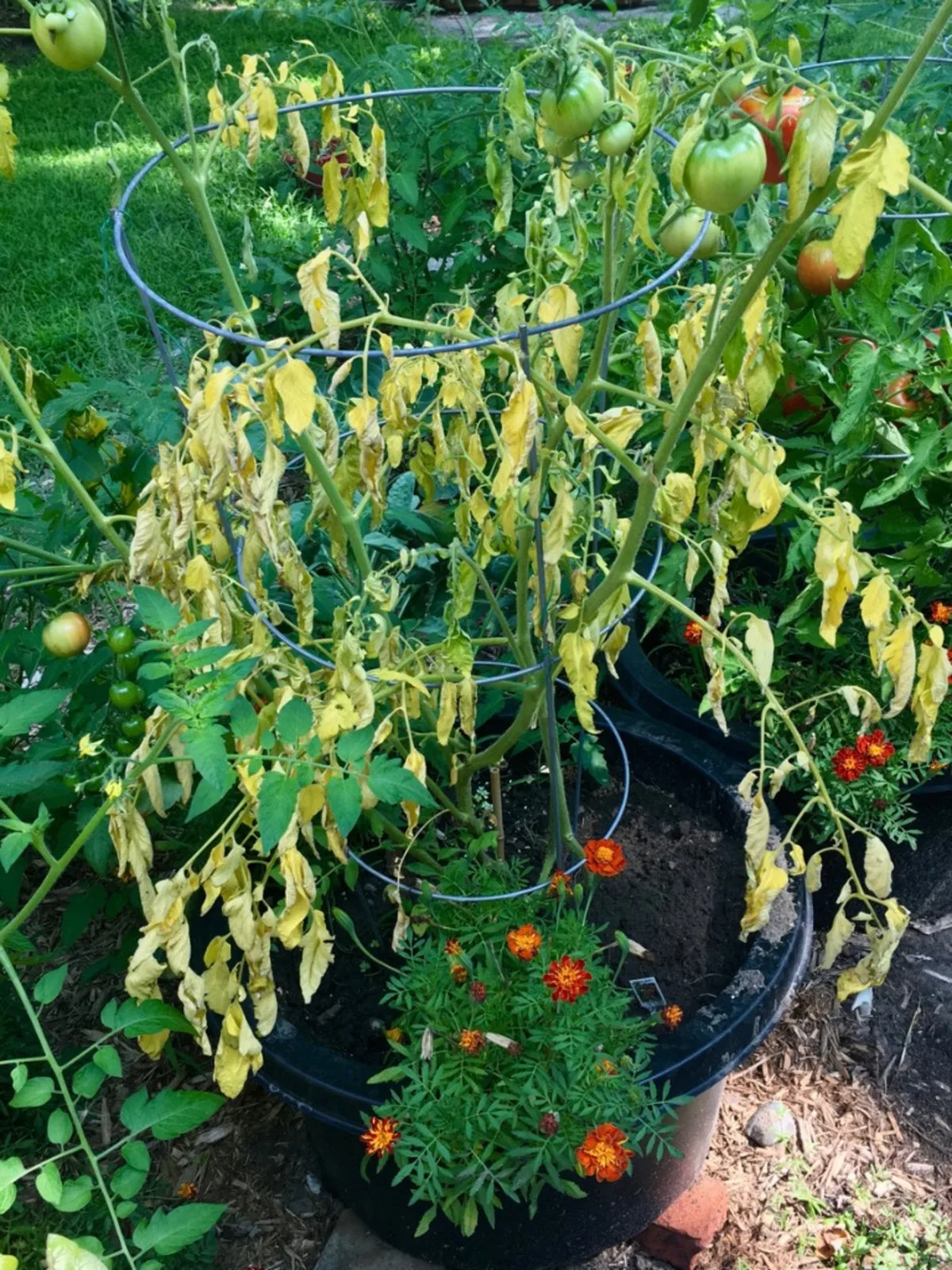
When daytime temps push past 85°F (29°C) or root-zone soil climbs above 90°F, tomatoes fold their leaves to slow transpiration. This is the most common trigger in summer. Leaves cup downward, feel leathery, and color stays deep green.
Overwatering and Waterlogged Roots
Soggy soil suffocates roots and forces the plant into a defensive curl. Overwatered plants often look wilted despite wet soil, which is a dead giveaway. Container tomatoes with poor drainage are the biggest offenders.
Transplant Shock and Root Binding
Newly transplanted tomatoes curl for 7 to 14 days while roots re-establish. Plants left too long in nursery pots come out root-bound, and that stress shows up as immediate downward curl after planting. Water deeply and give them time.
Wind Burn and Mechanical Stress
Steady wind pulls moisture from leaves faster than roots can replace it. The plant responds by curling. Aggressive pruning, over-handling, or tying stems too tight causes similar stress-curl within 24 hours.
Herbicide Drift and Contaminated Mulch or Compost
Growth-regulator herbicides like 2,4-D, dicamba, and aminopyralid cause dramatic twisted, downward-curled new growth. Contamination often comes from neighboring lawn spray, or from straw, hay, or manure treated with persistent herbicides. This one deserves its own section, and it gets one below.
Viral Infection (TSWV, CMV, TYLCV, Curly Top)
Tomato spotted wilt virus, cucumber mosaic virus, tomato yellow leaf curl virus, and curly top all cause downward curl with mottling, yellowing, or purple veining. Viruses can't be cured. Infected plants get pulled and bagged, not composted.
The University of California Integrated Pest Management program maintains detailed identification guides worth bookmarking at ipm.ucanr.edu.
The Symptom Map: What Your Leaves Are Telling You
Where the curl shows up on the plant is the single biggest clue to what's causing it. Old growth, new growth, and the pattern of spread each point to different causes.
| Symptom Location | Most Likely Cause | Secondary Clue |
|---|---|---|
| Lower, older leaves curl first | Heat, water stress, wind | Leaves stay green and firm |
| New top growth twisted or fern-like | Herbicide damage | Stems may bend or spiral |
| Whole plant curled and yellow | Virus or root disease | Mottling, stunted growth |
| One side of plant only | Root damage or drift exposure | Check for recent digging or spraying |
| Curl with purple veins | Curly top virus or phosphorus stress | Confirm with cool-weather timing |
Walk around your plant and match what you see against this table before doing anything else. Grabbing a spray bottle or watering can before you diagnose is the fastest way to make things worse.
Decision Tree: Pinpointing the Cause in Under 5 Minutes
This is the workflow most extension agents use when a grower calls in with curl. Run through it in order and you'll land on the answer without guessing.
- Is the new growth twisted, narrow, or fern-shaped? , Yes: Suspect herbicide damage. Check mulch, compost, and neighbor spraying.
, No: Continue.
- Are the leaves mottled, yellow, or purple-veined? , Yes: Suspect a virus. Isolate the plant and confirm with your local extension office.
, No: Continue.
- Have daytime temps been above 85°F in the last week? , Yes: Physiological heat curl is likely. Add shade cloth and mulch.
, No: Continue.
- Is the soil soggy, or has it rained heavily in the last 48 hours? , Yes: Overwatering or waterlogged roots. Let it dry out and check drainage.
, No: Continue.
- Was the plant transplanted or repotted in the last two weeks? , Yes: Transplant shock. Water deeply and wait 7 to 14 days.
, No: Continue.
- Is the plant exposed to steady wind or was it pruned recently? , Yes: Wind or mechanical stress. Add a windbreak and stop pruning for a week.
, No: Recheck the symptom map, then call your local cooperative extension.
If steps 1 through 6 don't land on an answer, the cause is usually a combination. Two mild stressors stacked together (say, a hot week plus a recent transplant) will curl leaves even when neither would on its own. Fix the biggest one first, then reassess in three days.
Weather, Watering, and Soil: The 3 Conditions to Check First
Before touching a diagnosis, check these three inputs. Nine times out of ten, the answer is hiding in one of them.
Pull up your local weather history for the last seven days. A stretch above 85°F, humidity swings, or a heat spike after a mild week puts heat curl on the table. Nights above 75°F make it worse because the plant can't recover overnight.
Check watering next. Stick a finger 3 inches into the soil near the root zone. Bone-dry means underwatering.
Wet and cold means the roots are drowning. Consistent 1 to 1.5 inches per week is the sweet spot for most in-ground tomatoes.
Then check the soil itself. Compaction, poor drainage, and pH outside the 6.2 to 6.8 range all stress roots enough to trigger curl. A cheap soil probe or a $20 pH meter closes this gap fast.
In heavy clay soils, that alone can explain months of mysterious curl.
How to Spot Herbicide Damage (The Cause Most Growers Miss)
Herbicide damage is the single most misdiagnosed cause of downward curl. It looks like a disease, spreads like a disease, and gets treated like a disease, but no fungicide will fix it.
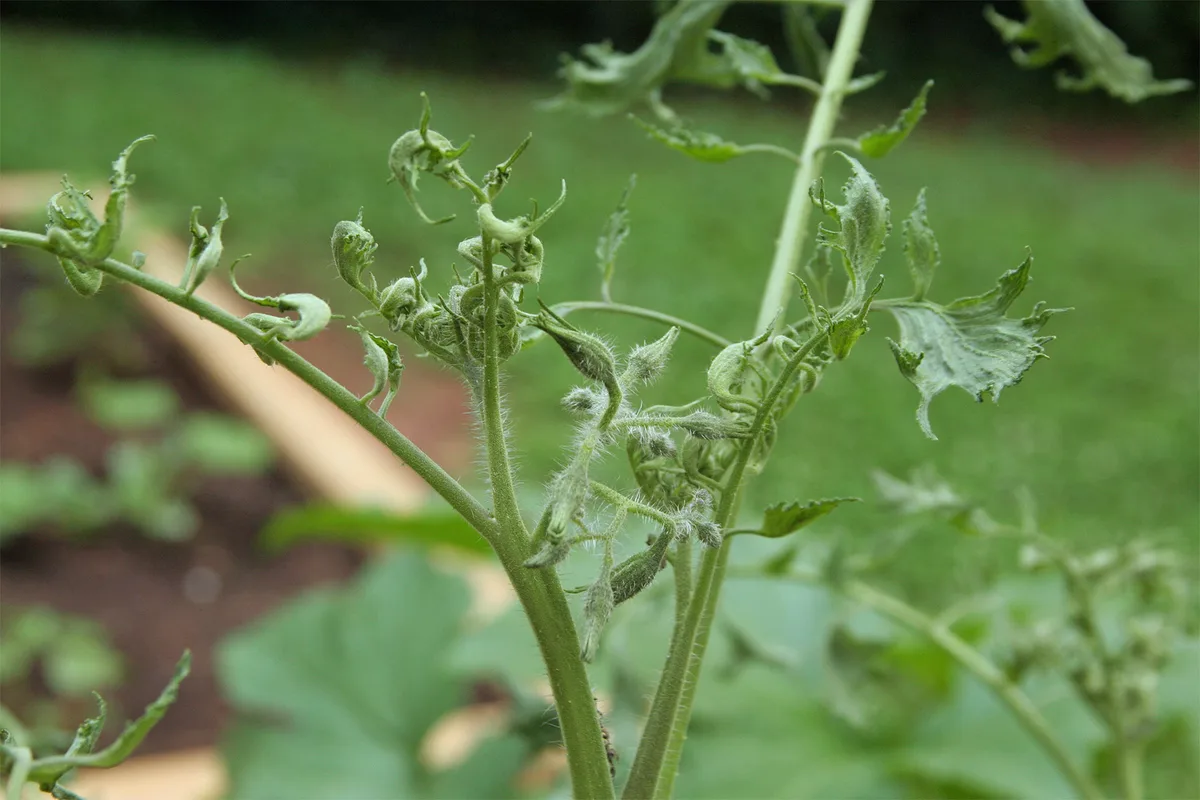
The tell is in the new growth. Growth-regulator herbicides like 2,4-D, dicamba, aminopyralid, clopyralid, and picloram cause twisted, narrow, strap-like leaves that curl downward and inward. Stems may bend, spiral, or thicken.
Older leaves often look normal, which throws people off.
Ask yourself three questions:
- Did a neighbor spray a lawn, driveway, or pasture in the last two weeks?
- Did you mulch with straw, hay, or grass clippings from an unknown source?
- Did you add manure or bagged compost this season?
If yes to any, herbicide contamination jumps to the top of the list. Aminopyralid and clopyralid can persist in hay, manure, and compost for 12 to 36 months. The US Department of Agriculture publishes guidance on persistent herbicide carryover at usda.gov that's worth reading before you buy compost again.
A quick bioassay confirms it. Plant three bean seeds in a pot of your suspect compost and three in a pot of known-clean soil. If the beans in the suspect pot come up twisted or stunted within 10 days, your compost is contaminated.
Bag it and dispose of it as yard waste. Don't spread it further.
Fixes That Actually Work for Each Cause
The right fix depends entirely on the cause. Guessing wrong can push a stressed plant over the edge, so match the fix to the diagnosis.
Cooling Down Heat-Stressed Plants
Install 30 to 40% shade cloth over the plants during peak afternoon sun. Mulch 2 to 3 inches deep with straw or wood chips to drop soil temperature by 10 to 15°F. Water early in the morning, not midday, and never on hot leaves.
Correcting Watering and Drainage Issues
Stop watering until the top 3 inches of soil dry out. For container tomatoes, drill more drainage holes or repot into a wider container with better mix. Set up a moisture meter or a simple finger check schedule so you're watering to the plant's needs, not the calendar.
Helping Transplants Recover
Water deeply once, then leave the plant alone for a few days. Skip fertilizer for the first two weeks. If the plant was root-bound, gently tease the roots at planting time so they grow outward instead of continuing to circle.
Managing Wind Exposure
Add a temporary windbreak using burlap, shade cloth, or a row of taller plants. Stake and tie loosely so stems can flex without snapping. Stop heavy pruning until curl symptoms ease.
Dealing With Herbicide Contamination
If the source is contaminated mulch or compost, remove as much as you can and replace with clean material. Water heavily to leach residues if the plant is in the ground. Mildly affected plants often recover in 3 to 6 weeks.
Severely twisted plants rarely produce a decent crop and are usually best pulled.
What to Do With Virus-Infected Plants
There's no cure. Pull the plant, bag it, and put it in the trash. Never compost virus-infected tomato debris.
Disinfect tools with a 10% bleach solution before touching healthy plants. Rotate tomato beds for at least two seasons.
Recovery Timelines: When to Expect New Growth
Recovery time is the second-best diagnostic tool you have. If the plant doesn't respond in the expected window, your diagnosis is probably wrong.
| Cause | Expected Recovery | New Growth Sign |
|---|---|---|
| Heat curl | 24 to 72 hours after cooldown | Leaves flatten out overnight |
| Overwatering | 5 to 10 days after soil dries | Firmer stems, new leaflets |
| Transplant shock | 7 to 14 days | Fresh green tips at growing points |
| Wind stress | 2 to 5 days after windbreak added | Leaves uncurl from top down |
| Mild herbicide damage | 3 to 6 weeks | Normal-shaped new leaves at tips |
| Severe herbicide damage | Often never | Continued twisted new growth |
| Viral infection | Never | Mottling and distortion spread |
Mark the calendar the day you make a change. If you see no improvement in the expected window, revisit the decision tree. Two causes stacked together is the most common reason recovery stalls.
Mistakes That Make Downward Curl Worse
Panic responses cause more tomato deaths than the original problem. These are the ones we see most often in extension-service call logs.
- Spraying fungicide or insecticide on physiological curl. It stresses the plant further and does nothing for the actual cause.
- Adding more fertilizer to a struggling plant. Nitrogen excess causes its own curl and burns weakened roots.
- Overwatering a heat-curled plant. The leaves curl to conserve water, not because they lack it. Soaking cool wet roots on top of hot foliage invites root rot.
- Pruning off curled leaves. Those leaves are still photosynthesizing. Removing them adds wound stress without solving anything.
- Composting mystery straw or manure. Persistent herbicides survive composting temperatures and contaminate every bed you spread it in.
- Ignoring twisted new growth. It never fixes itself, and delay means a bigger crop loss.
- Skipping the soil test. Chasing symptoms without knowing your pH or nutrient levels is guesswork.
When in doubt, do less. A stressed tomato usually recovers on its own if you stop making changes and let conditions stabilize for a week.
When to Pull the Plant and Start Over
Some plants aren't worth saving. Pulling early frees the space and the nutrients for something that will actually produce.
Pull the plant if any of these apply:
- Confirmed viral infection with mottling, distortion, or stunted fruit.
- Severe herbicide damage where new growth stays twisted after 4 weeks.
- Root rot with black, mushy roots and no firm white tips.
- Whole-plant collapse that doesn't rebound within 72 hours of correct care.
Bag infected or herbicide-damaged plants and put them in the trash. Never compost them. Sanitize stakes, cages, and pruners with a 10% bleach solution before reuse.
Prevention Checklist for the Next Growing Season
Most curl problems are easier to prevent than to fix. This checklist stops the top five causes before they start.
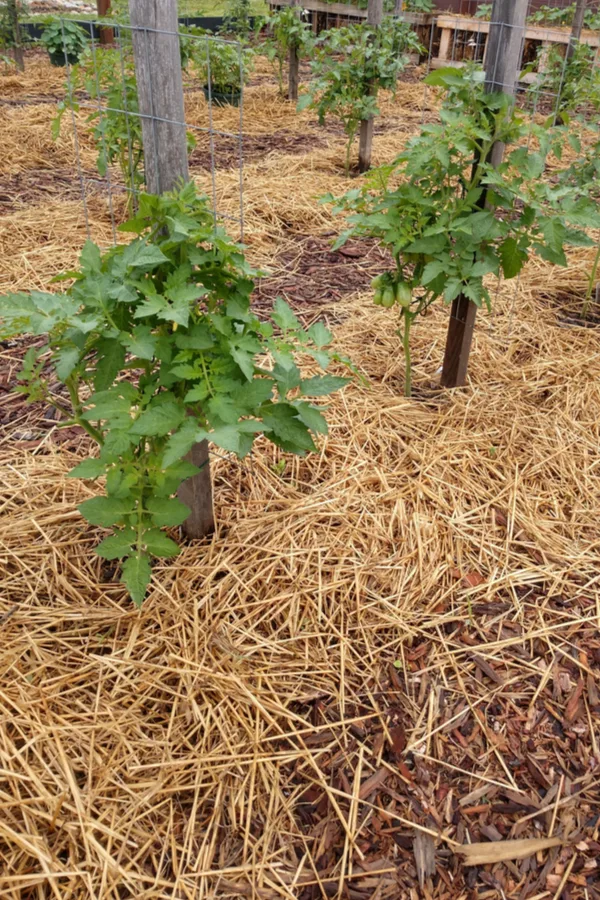
- Mulch 2 to 3 inches deep with clean straw or wood chips right after planting.
- Only use straw, hay, manure, or compost from a source that certifies no persistent herbicide use.
- Water deeply and infrequently, aiming for 1 to 1.5 inches per week at the root zone.
- Install shade cloth before the first 90°F day, not after.
- Set up drip irrigation or soaker hoses to keep foliage dry and roots evenly watered.
- Rotate tomato beds every 2 to 3 years to break virus and disease cycles.
- Test soil pH annually and keep it between 6.2 and 6.8.
- Choose disease-resistant varieties tagged VFN, TSWV, or TYLCV for your region.
- Space plants at least 24 to 36 inches apart for airflow.
- Bag and dispose of any diseased plant debris at the end of the season.
Frequently Asked Questions
Will curled tomato leaves uncurl on their own?
Yes, in most cases. Leaves curled from heat, wind, or transient water stress usually flatten within 24 to 72 hours once conditions improve. Herbicide and viral curl do not reverse.
If new growth keeps coming in twisted or mottled after a week, the cause is chemical or biological, not environmental.
Can I still eat tomatoes from a plant with curled leaves?
Fruit from plants with physiological curl is safe and normal to eat. Fruit from plants with viral infection is safe but often deformed and low quality. Fruit from herbicide-damaged plants should not be eaten, since growth-regulator herbicides can move into the fruit itself.
Does calcium or Epsom salt fix downward leaf curl?
No. Calcium deficiency causes blossom end rot, not leaf curl. Epsom salt only helps if a confirmed magnesium deficiency shows up in a soil test.
Adding either without testing wastes time and can throw off nutrient balance, making stress worse instead of better.
Why do only my new tomato leaves curl?
Twisted, distorted new growth almost always points to herbicide damage or a virus. Older leaves stay normal because they formed before the exposure. Check your mulch, compost, and neighbors' spraying first.
If those are clean, contact your local extension office to confirm a viral diagnosis.
How hot is too hot for tomato leaves?
Tomatoes start curling defensively when daytime air temps hit 85°F (29°C) and root-zone soil climbs above 90°F. Nights above 75°F stop overnight recovery and speed up curl. Shade cloth, deep mulch, and morning watering are the three fastest fixes for heat-driven curl.

Similar Posts