Why Tomato Plants Wilt in Afternoon but Bounce Back at Night
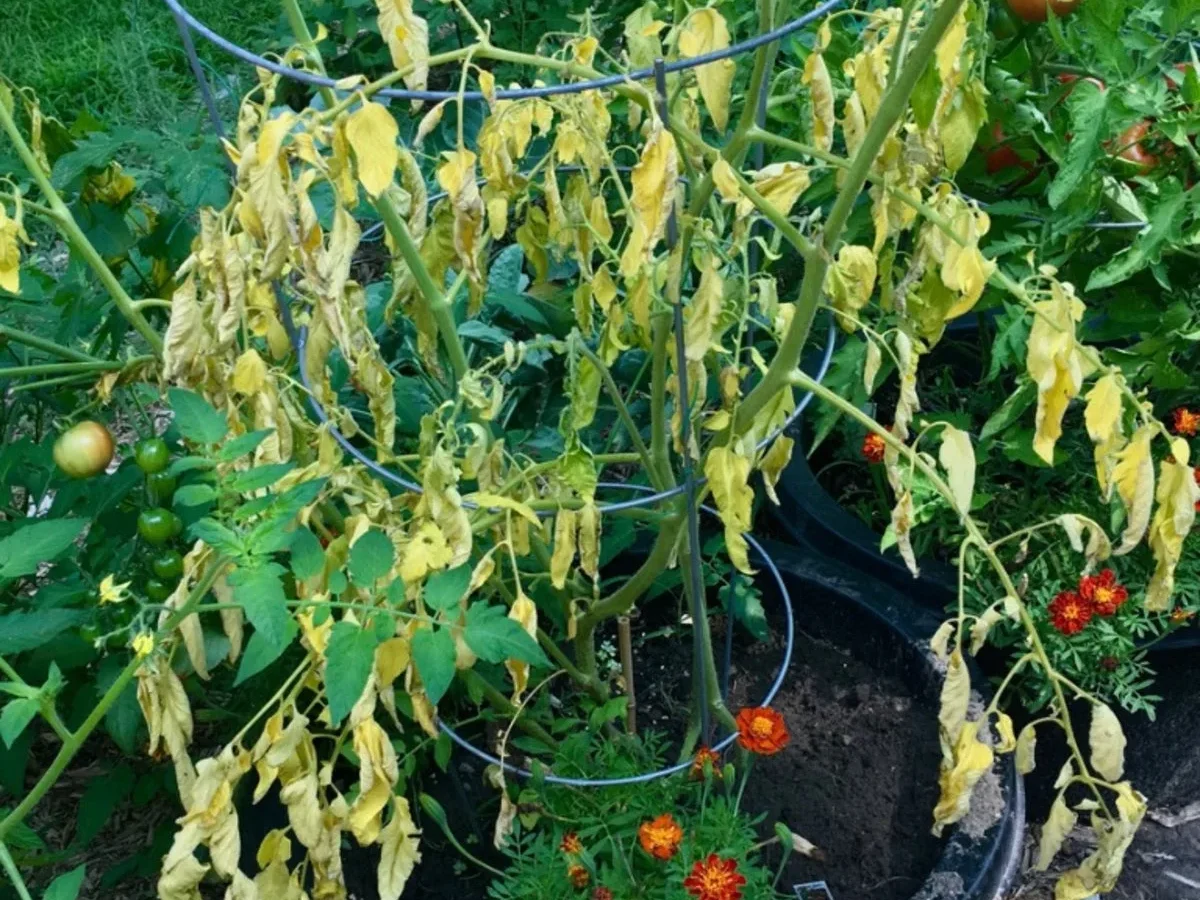
Tomato leaves that droop by 2 pm and perk back up by sunrise can panic any gardener, but here's the reassuring truth. It's often normal. Why do tomato plants wilt in the afternoon but recover at night?
Because the leaves lose water faster than the roots can pull it up during peak heat, and the balance resets after dark.
That same symptom can also mean root rot, Fusarium, or bacterial wilt, and those don't fix themselves. Leaf temperatures above 95°F (35°C) trigger stomatal closure in most tomato cultivars, per research summarized by land-grant extension programs. As of 2026, home growers still misdiagnose this issue and overwater, killing plants that were otherwise fine.
Let's sort out which camp yours is in.
Quick Answer
Tomato plants wilt in the afternoon but recover at night because water loss through the leaves outpaces water uptake by the roots during peak heat. Once evening cools and stomata close, roots catch up and turgor pressure returns. Overnight recovery usually means the plant is healthy.
Wilt that lingers past dawn signals disease, root damage, or a watering problem.
Why Your Tomato Plants Wilt in the Afternoon but Look Fine by Morning
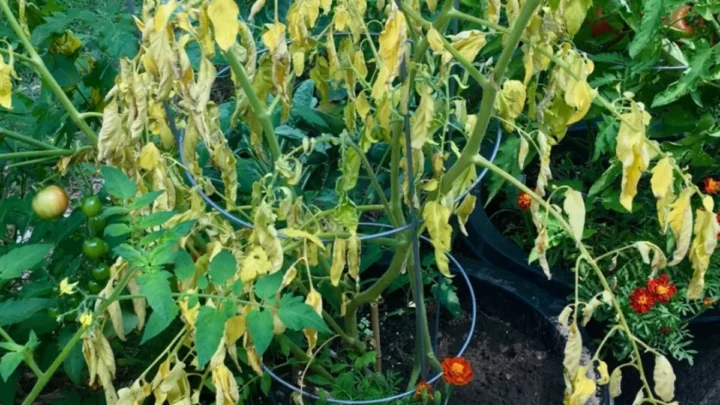
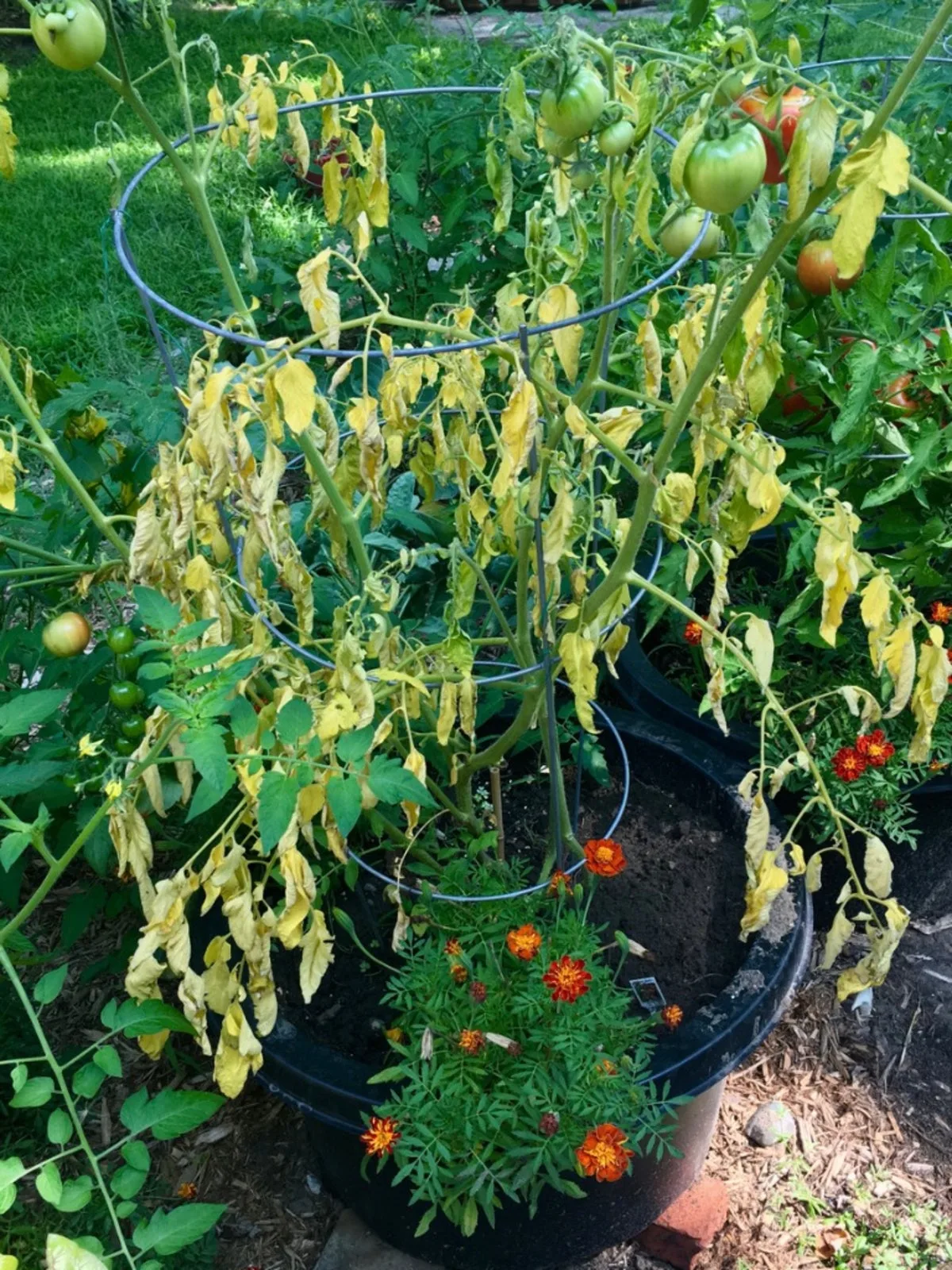
Afternoon wilt is one of the most common panic moments in a home vegetable garden. You walk out at 3 pm, and the plant that looked lush at breakfast is flopped over the cage. By the next morning, it's standing tall again.
That daily cycle has a name: diurnal wilt, and it's usually the plant's normal heat-management response.
Think of it as a safety valve. When leaf temperatures climb and the air gets thirsty, the plant loses water through its stomata faster than the roots can replace it. The leaves go flaccid, the plant conserves what water it has, and photosynthesis slows down.
Sundown resets everything.
The trap is assuming every wilt means "needs water." Aggregate extension-service reports show overwatering kills more mid-summer tomatoes than drought does. If the soil is already moist and the plant recovers overnight, the fix is patience, not the hose.
The Science Behind Afternoon Wilt: Transpiration vs. Root Uptake
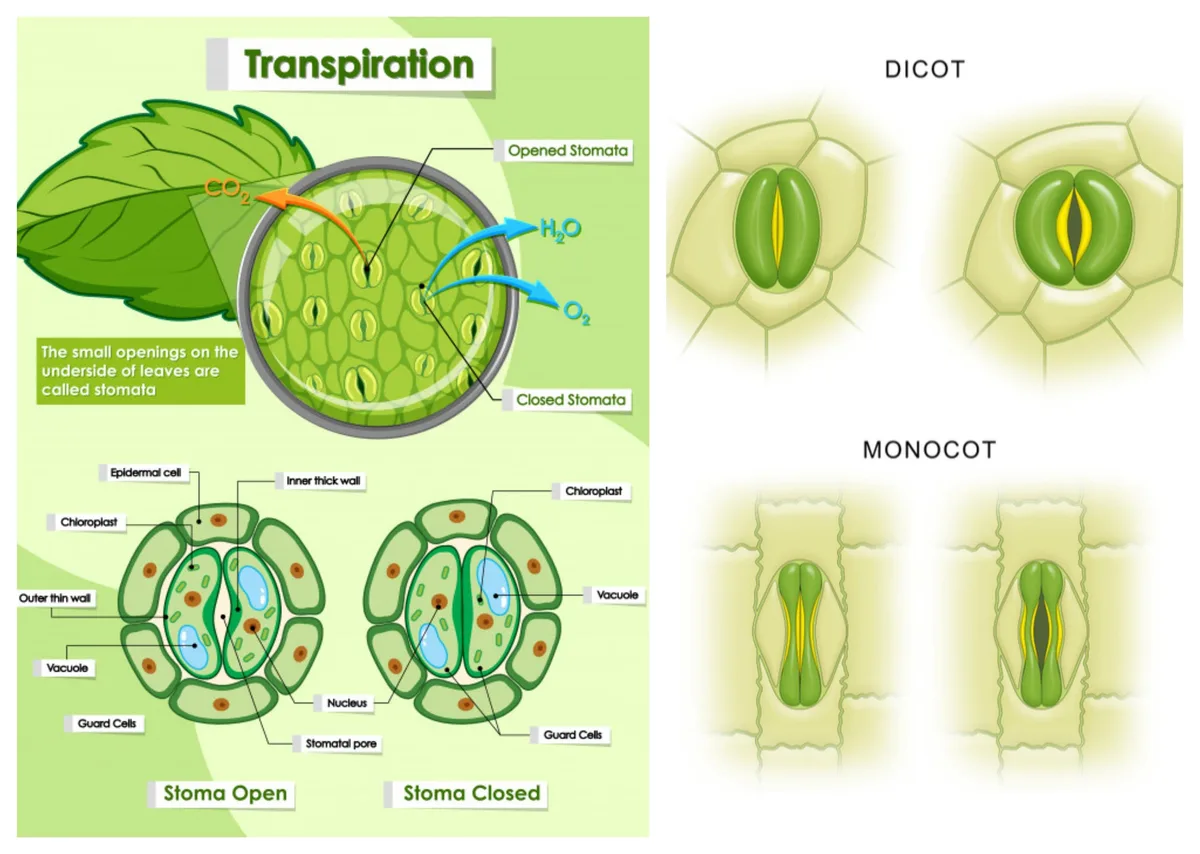
Tomatoes move water in a straight chain: soil, roots, xylem, leaves, air. Sunlight heats the leaves, stomata (tiny pores on the leaf underside) open to let CO2 in, and water vapor rushes out. That outflow is called transpiration, and on a hot afternoon it can hit rates the roots simply can't match.
Two variables drive the shortfall:
- Vapor pressure deficit (VPD): the gap between how much moisture the air is holding and how much it could hold. High VPD (hot, dry air) yanks water out of leaves.
- Root hydraulic conductivity: how quickly roots pull water in. Warm soil above 85°F (29°C) actually slows uptake.
When outflow beats inflow, cells lose turgor pressure and leaves droop. After sunset, VPD collapses, stomata close, and root pressure gradually rebuilds turgor. Full recovery usually takes 4 to 8 hours in the dark.
For deeper background, the University of California Agriculture and Natural Resources IPM program publishes plant water-stress guidance for tomato growers.
When Afternoon Wilt Is Completely Normal (and Nothing to Worry About)
Not every droop is a red flag. Healthy tomato plants wilt on schedule in specific conditions, and the smart move is to recognize the pattern before you react.
Wilt is likely normal if all of these are true:
- Daytime highs are above 90°F (32°C) or the sun is intense.
- Soil is moist 2 to 4 inches down (finger check or moisture meter).
- The plant is fully turgid again by early morning.
- Wilt is even across the whole plant, not one branch or one side.
- New growth still looks healthy and green.
- Leaves droop but don't yellow, curl tightly, or show brown streaks.
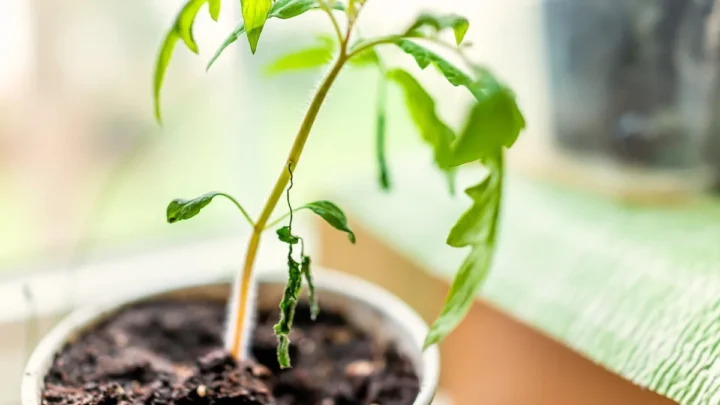
Container-grown tomatoes and freshly transplanted seedlings also wilt more easily because their root zone is small. That's normal too, as long as they bounce back overnight. If your plant checks these boxes, back away from the watering can and let the evening do its job.
Warning Signs That Wilt Isn't Just Heat Stress
This is where diagnosis matters, because the same droopy leaves can hide a plant-killer. Watch for these signals that the problem is more than transpiration lag.
Red flags to take seriously:
- Wilt is still visible at 7 or 8 am after cool overnight temperatures.
- Only one branch, one side, or one section of the plant wilts.
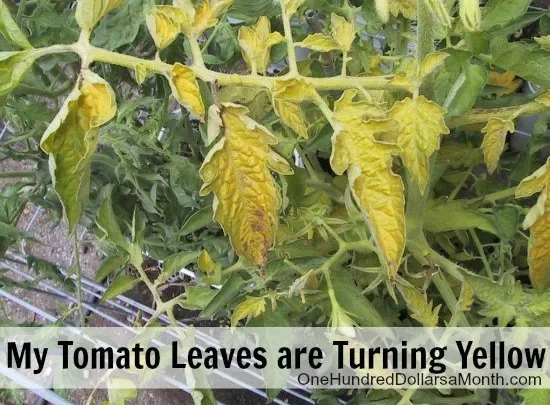
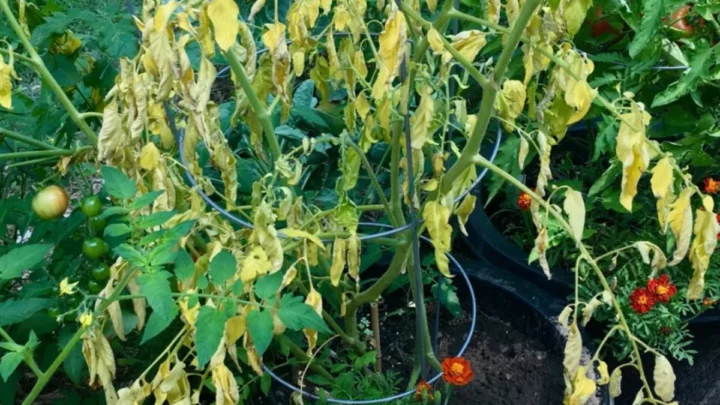
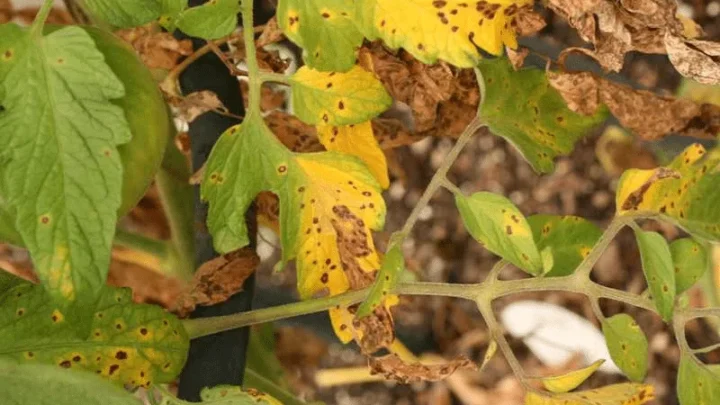
- Leaves yellow from the bottom up while wilting.
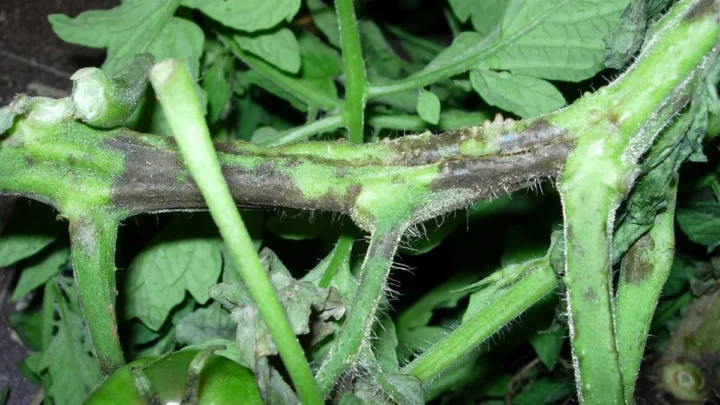
- Stems show dark streaks, brown discoloration, or cankers.
- A sliced stem oozes a milky or cloudy sap when submerged in water.
- Soil is already wet, yet the plant droops harder each day.
- Sudden collapse within 24 to 48 hours, especially in hot, humid weather.
Any single item on that list changes the game. Milky sap from a cut stem is a classic bacterial wilt (Ralstonia solanacearum) tell. Vascular browning inside a stem cross-section points to Fusarium or Verticillium.
When symptoms cluster, stop watering, start diagnosing, and move to the next step.
The 5-Minute Diagnostic: Checking Soil, Roots, and Stems Before You Water
Before you touch the hose, run a quick three-part check. It takes about five minutes and prevents the most common mistake in home tomato care: watering a plant that's already drowning.
Soil Moisture Check at 2-4 Inches Deep
Push a finger, a wooden dowel, or a soil moisture meter 2 to 4 inches into the root zone, not just the surface. Surface soil dries fast and lies to you.
- Dry and crumbly at 4 inches: the plant likely needs water.
- Cool and damp: skip watering, the roots have moisture available.
- Soggy or muddy: stop watering, you have a drainage problem.
Stem Cross-Section for Vascular Browning
Take clean pruners, sanitize the blades with isopropyl alcohol, and slice off a lower stem or side shoot at an angle. Look at the cut face.
- Healthy tissue: pale green or white throughout.
- Brown, tan, or dark streaking in a ring: possible Fusarium or Verticillium wilt.
- Cloudy ooze in a glass of water after suspending the cut stem: possible bacterial wilt.
Root Ball Inspection for Rot or Damage
If a plant is in a container or you can gently lift a small transplant, check the roots. Healthy tomato roots are white to cream and firm. Warning signs include brown mushy roots, a sour smell, visible root-knot nematode galls, or roots circling tightly inside a pot.
Damaged roots can't move water no matter how much is sitting in the soil, which is why some wet-soil tomatoes still wilt at 3 pm.
Decision Tree: What to Do Based on What You Find
The diagnostic results tell you what to do next. Match your findings to the branch below and follow it.
If Soil Is Dry and Plant Recovers Overnight
Water deeply and slowly at the base until the top 6 to 8 inches are moist. Aim for 1 to 2 inches of water per week total, delivered in 2 or 3 sessions rather than daily sips. Add 2 to 3 inches of straw or shredded-leaf mulch to slow evaporation.
Skip the temptation to water again the next afternoon.
If Soil Is Wet but Plant Still Wilts
Stop watering. Wet-soil wilt almost always points to root rot, compacted soil, or a vascular disease. Check drainage first, then pull a stem cross-section to look for browning.
Container plants may need to be lifted, gently root-pruned, and repotted into fresh, well-draining mix.
If Wilt Doesn't Recover by Morning
Treat this as a disease or major root problem until proven otherwise. Isolate the plant if possible, keep it out of the sprinkler line, and skip any nitrogen feeding. Confirm with a stem-slice test and root inspection before deciding whether to treat or remove.
If Only One Side or Section Wilts
One-sided wilt is a hallmark of Verticillium, Fusarium, or stem damage from a borer or vole. Trace the wilted branch back to the main stem and inspect for cankers, holes, or discoloration. If the vascular tissue is browned, the plant is unlikely to recover fully.
Common Causes Ranked from Most to Least Likely
Editorial analysis of extension-service diagnostic guides puts the causes in a consistent order. Use this ranking as your default suspicion list before spiraling into rare diseases.
| Rank | Cause | Recovers Overnight? | Fix Difficulty |
|---|---|---|---|
| 1 | Normal heat/VPD wilt | Yes | None needed |
| 2 | Underwatering (dry root ball) | Usually | Easy |
| 3 | Overwatering / root rot | No | Moderate |
| 4 | Root-bound container | Partially | Moderate |
| 5 | Transplant shock | Usually within a week | Easy |
| 6 | Fusarium wilt | No | Very hard |
| 7 | Verticillium wilt | No | Very hard |
| 8 | Bacterial wilt | No, rapid collapse | Not curable |
| 9 | Root-knot nematodes | Partially | Hard |
| 10 | Herbicide drift (2,4-D, dicamba) | Varies | Hard |
The top three account for the vast majority of home-garden cases. Work through them in order before jumping to disease conclusions.
Fusarium, Verticillium, and Bacterial Wilt: How to Tell Them Apart
These three vascular diseases all cause afternoon wilt that doesn't recover, but the tells are different. Getting the ID right decides whether you can save nearby plants.
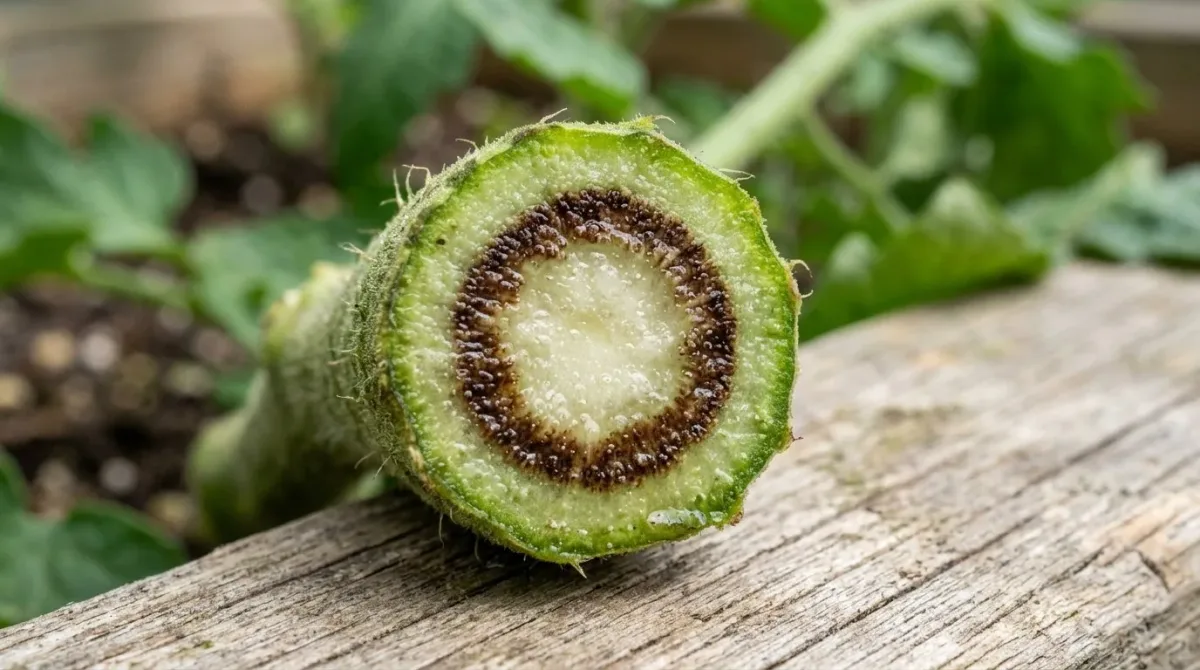
Fusarium wilt (Fusarium oxysporum f. sp. lycopersici): Often starts on one side of the plant. Lower leaves yellow first, then wilt upward. A sliced stem shows a distinct brown ring in the vascular tissue.
Loves warm soils above 80°F (27°C) and southern US summers.
Verticillium wilt (Verticillium dahliae): Symptoms look similar to Fusarium but usually appear V-shaped on leaflets and start when temperatures are cooler. Vascular browning is lighter and often patchier. More common in cooler climates and northern gardens.
Bacterial wilt (Ralstonia solanacearum): The fastest killer. Plants collapse in 24 to 72 hours with green leaves still attached, no yellowing first. Confirm by cutting a stem and suspending it in a clear glass of water.
Milky white bacterial ooze streaming from the cut face is a positive ID.
Fungicides don't cure any of these. Remove and destroy infected plants, do not compost them, and rotate away from tomatoes, peppers, eggplants, and potatoes for at least 3 to 4 years.
Container and Raised Bed Tomatoes: Why They Wilt Faster
Container tomatoes wilt earlier and harder than in-ground plants for one reason: root volume. A 5-gallon pot might hold enough soil to buffer a plant for a day, while an in-ground root system taps 12 to 24 inches deep.
Common container-specific triggers:
- Pot too small: indeterminate varieties need at least 10 gallons of soil, ideally 15 to 20.
- Dark-colored pots in full sun can hit soil temperatures above 100°F, which shuts down roots entirely.
- Peat-heavy potting mix dries out and turns hydrophobic, meaning water runs down the sides instead of soaking in.
- Salt buildup from repeated fertilizing without flushing burns root tips.
Fixes are practical. Use light-colored fabric grow bags, add a saucer only in extreme heat, water until 10% drains from the bottom, and flush the container with plain water every 3 to 4 weeks to leach salts. Raised beds sit in between: better than pots, still drier than open ground because of their exposed sides.
Heat, Humidity, and VPD: How Weather Drives Midday Wilt
Weather is the throttle on how hard your plant transpires. When the air is hot and dry, the leaf-to-air moisture gradient (VPD) is steep, and water rockets out of the stomata. When it's hot and humid, VPD is lower, but heat itself still shuts stomata down.
Rough guide to what different weather does to a healthy tomato:
| Condition | Air Temp | Humidity | Wilt Risk |
|---|---|---|---|
| Warm, humid | 80–88°F | 60–80% | Low |
| Hot, humid | 90–95°F | 60–80% | Moderate |
| Hot, dry | 90–100°F | 20–40% | High |
| Extreme heat | 100°F+ | Any | Very high |
| Cool, cloudy | Below 75°F | Any | None (check disease if wilting) |
Arid Southwest gardens see the fastest afternoon wilt because VPD stays sky-high all day. Southeast growers wilt less from VPD but more from bacterial wilt in humid, saturated soils. Northern greenhouse growers usually see wilt spike when vents aren't opened by mid-morning.
Match your intervention to your climate, not to generic gardening advice.
Watering Fixes That Actually Work (and the Ones That Backfire)
Correct watering is less about frequency and more about depth. Deep, infrequent soakings train roots to grow down, where soil moisture is steadier.
What works:
- Water at the base in the early morning, aiming for slow soaks that reach 6 to 8 inches deep.
- Use drip irrigation or soaker hoses to keep foliage dry and reduce disease pressure.
- Check soil at the root zone before every watering, not the surface.
What backfires:
- Light daily sprinkles that only wet the top inch, creating shallow roots.
- Watering at 3 pm when a plant looks wilted but the soil is already moist.
- Overhead sprinklers in humid climates, which invite bacterial and fungal problems.
If your plant droops after a good deep watering that morning, the fix is not more water. Give the roots time.
Mulch, Shade Cloth, and Other Ways to Reduce Afternoon Stress
A few low-cost interventions cut afternoon wilt dramatically. They work by lowering soil temperature, slowing evaporation, and reducing direct radiation on the leaves.
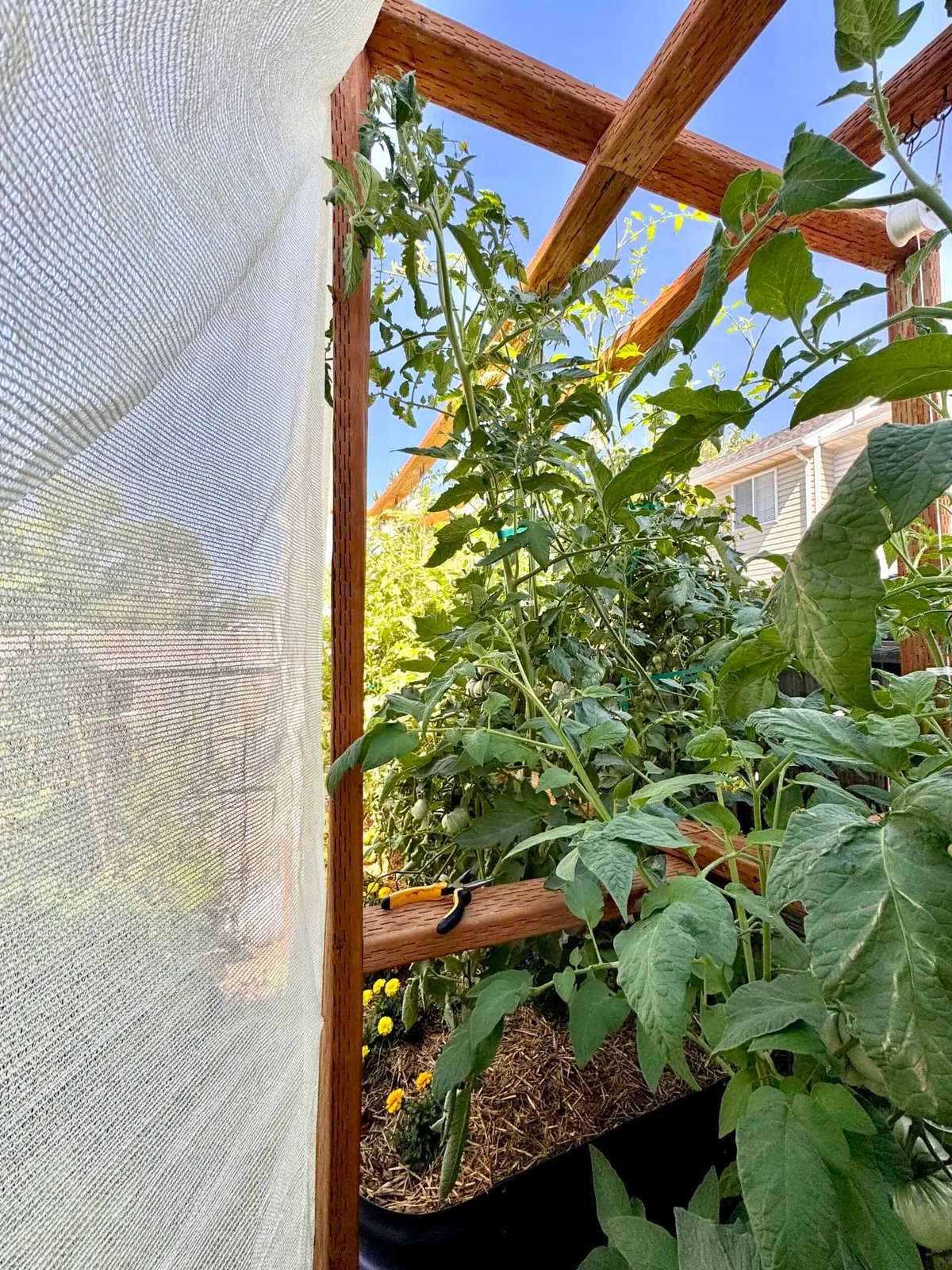
- Mulch: 2 to 3 inches of straw, shredded leaves, or wood chips can lower root-zone temperatures by 8 to 15°F.
- Shade cloth: 30 to 50% shade cloth draped over cages during heatwaves (above 95°F) prevents stomatal shutdown without stealing too much light.
- Windbreaks: hot dry winds accelerate transpiration, so a simple row cover or trellis panel on the windward side helps.
- Companion planting: taller crops on the western side create afternoon shade naturally.
- Kaolin clay spray: a reflective mineral coating tested by USDA researchers reduces leaf temperature by several degrees.
Skip anti-transpirant sprays for edibles. They can interfere with fruit set and are rarely worth the cost.
Mistakes That Turn Temporary Wilt Into Permanent Damage
Most wilting tomatoes are saved or killed by what the gardener does next. Aggregate extension-service feedback flags the same errors year after year.
- Watering a wilted plant without checking the soil first, drowning already-stressed roots.
- Feeding a stressed plant with high-nitrogen fertilizer, forcing new soft growth it can't support.
- Pruning heavily during a heatwave, exposing more interior leaves to sunscald.
- Ignoring one-sided wilt for a week while a vascular disease spreads.
- Composting diseased plants and returning pathogens to next year's beds.
- Using herbicide-contaminated straw or manure (aminopyralid, clopyralid) as mulch, causing curled leaves that look like disease.
Do less, observe more, and let the plant tell you what it actually needs.
When to Pull the Plant vs. When to Wait It Out
Not every sick tomato is worth saving. Time and space are finite, and a dying plant can infect its neighbors.
Wait it out if:
- Wilt recovers overnight or within 24 hours of a corrective action.
- Vascular tissue in the stem is still white or pale green.
- Only outer leaves show damage while the growing tip is healthy.
- The plant is still producing new flowers or fruit.
Pull the plant if:
- A stem-in-water test confirms bacterial ooze.
- Vascular browning extends more than 6 inches up the main stem.
- Wilt has spread to the entire plant with no overnight recovery for 3+ days.
- Roots are black, mushy, or heavily nematode-galled.
Bag pulled plants in the trash. Do not compost. Solarize the bed under clear plastic for 4 to 6 weeks of summer sun before replanting Solanaceae there.
FAQs About Tomato Wilt and Recovery
Why is my tomato plant wilting even though the soil is wet?
Wet-soil wilt almost always means the roots can't take up water. Root rot from overwatering, compacted soil, container drainage failure, or a vascular disease like Fusarium or bacterial wilt are the top causes. Stop watering, check drainage, and slice a lower stem to look for browning inside the vascular ring.
How long should tomato wilt take to recover overnight?
A healthy tomato usually regains full turgor within 4 to 8 hours after sunset. If your plant is fully perked up by early morning, that's a normal diurnal cycle. Wilt still visible past 8 or 9 am on a cool morning is a red flag that points to disease, root damage, or drought at the root zone.
Can I save a tomato plant with Fusarium wilt?
No reliable cure exists for Fusarium wilt on an infected plant. Fungicides don't reach the vascular tissue, and the pathogen persists in soil for years. Remove and destroy the plant, avoid composting it, and switch to resistant varieties labeled VFN or VFNT for future seasons in that bed.
Does afternoon wilt hurt tomato fruit production?
Brief daily wilt that recovers overnight has little effect on yield. Repeated severe wilt lasting hours can reduce fruit set, cause blossom drop, and worsen blossom-end rot by disrupting calcium transport. Consistent soil moisture and afternoon shade during heatwaves protect the fruit load more than any fertilizer.
Should I mist my tomato leaves to cool them down?
Misting is not recommended. Water on leaves in hot sun raises the risk of fungal and bacterial infections, and evaporative cooling is short-lived at best. Focus on soil moisture, mulch, and shade cloth instead, which cool the root zone and reduce transpiration demand without wetting foliage.
Your Quick Decision Guide for Diagnosing Afternoon Wilt
Run through this checklist the next time your tomatoes droop after lunch.
- Soil moist at 4 inches + recovers by morning = normal, do nothing.
- Soil dry at 4 inches + recovers by morning = deep water at dawn, add mulch.
- Soil wet + wilt worsens = stop watering, check drainage and stem cross-section.
- One-sided or upward-yellowing wilt = suspect Fusarium or Verticillium, inspect vascular ring.
- Rapid full-plant collapse with green leaves = suspect bacterial wilt, remove and destroy.
- Wilt during 95°F+ heat only = install 30 to 50% shade cloth for the afternoon.
Keep sanitized pruners handy, water at the base in the morning, and let the plant recover overnight before making any big call. Most afternoon wilt is a feature of a healthy tomato, not a failure.

Similar Posts