Why Your Pepper Plant Flowers But Won’t Set Fruit
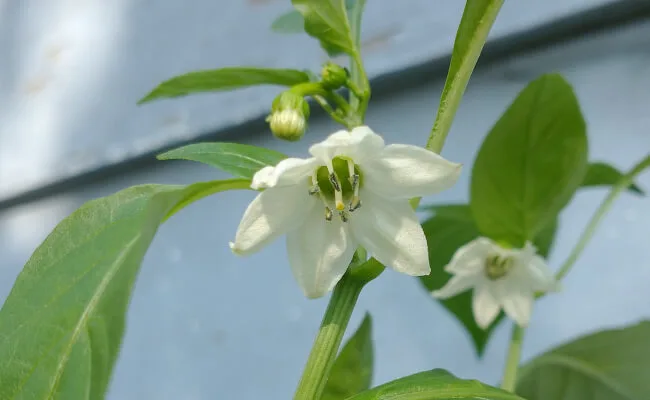
If your pepper plants are covered in white blossoms but not a single fruit is forming, you're not alone. "Why does my pepper plant flower but not produce peppers?" is the most-searched pepper-growing question every summer, and the answer almost always comes down to a handful of fixable stressors. Peppers are picky about temperature, pollination, and nutrient balance.
Even one variable out of range will make blossoms abort before they set fruit.
Here's the good news. As of 2026, university extension research from Cornell and UC ANR shows most flower-drop issues resolve within 2 to 4 weeks once the underlying cause is corrected. Optimal fruit set happens between 70°F and 85°F during the day and 60°F to 75°F at night.
Step outside that window and blossoms drop faster than you can count them. Let's walk through the diagnosis.
Quick Answer
Pepper plants flower but drop blossoms when growing conditions stress them. The top cause is temperature, above 90°F or below 60°F. Poor pollination, excess nitrogen, and inconsistent watering also trigger flower drop.
Fix the stressor, and fruit set usually returns in 2 to 4 weeks. Peppers are self-pollinating but still need airflow or gentle hand pollination.
Why Your Pepper Plant Flowers But Won't Set Fruit
Flowering and fruit set are two separate biological events. A plant can nail the first while failing the second completely. A flowering pepper is doing its job.
The issue is that the blossom never gets fertilized, or the young ovary aborts before it swells into a fruit.
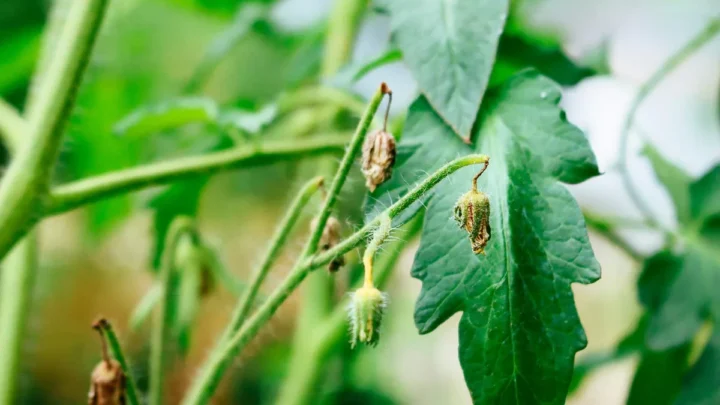
Blossom drop is the technical name for what you're seeing. Yellowed flower stems, blossoms falling off at the slightest touch, and bare stems where flowers used to be are the visible signs. Aggregate reports from cooperative extension services put temperature stress at roughly 70% of home-garden cases.
Pollination and nutrient issues cover most of the rest.
Peppers are warm-season perennials in USDA Zones 9 through 11, treated as annuals everywhere else. That biology matters because it explains why the plant is so temperature-sensitive at bloom. Its ancestors evolved in a narrower thermal window than your backyard usually offers.
The 60-Second Diagnosis: What Your Plant Is Telling You
Before you change anything, spend one minute looking at your plant. The symptoms point straight to the cause.
- Lots of dark green leaves, few flowers, no fruit: nitrogen overload.
- Flowers open, then drop within 2 to 3 days: temperature stress or poor pollination.
- Flowers stay, tiny fruit forms, then aborts: heat stress or calcium issue.
- Wilting between waterings, then bounces back: root stress or container too small.
- Distorted, curled new leaves plus flower drop: possible herbicide drift.
- Sticky residue, tiny insects on buds: aphid or thrip damage.
If two symptoms overlap, temperature is almost always one of them. Check a thermometer at both midday and 4 a.m. before you touch anything else. Weather data from a local station rarely matches your microclimate.
How Pepper Fruit Set Actually Works
Pepper flowers are perfect flowers, meaning each blossom holds both male anthers and a female stigma inside the same bloom. That's why peppers are called self-pollinating: one flower can fertilize itself without a partner plant. But self-pollinating does not mean automatic.
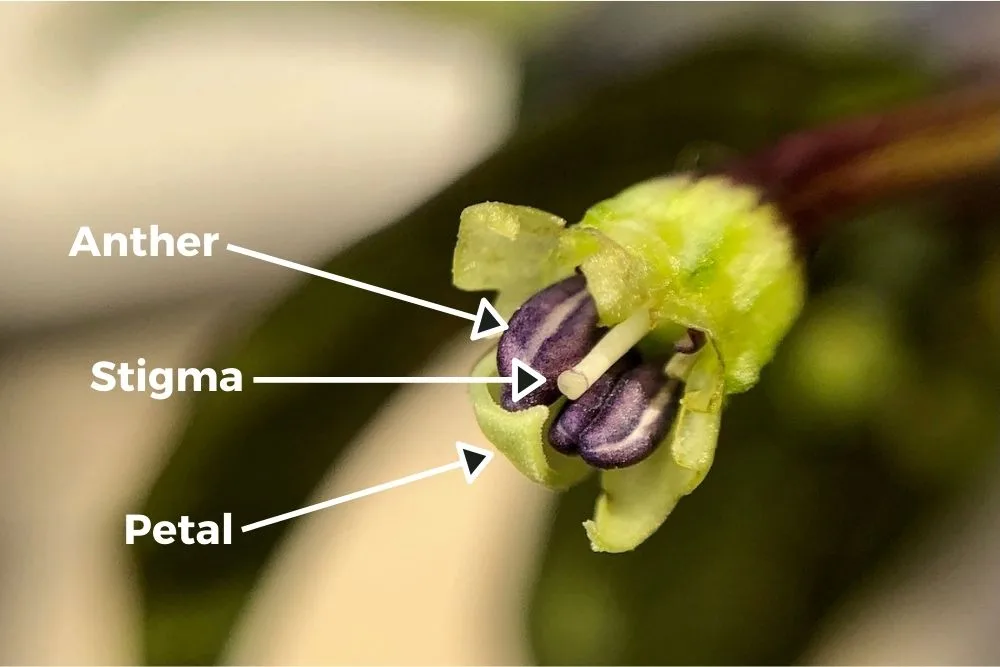
For pollen to reach the stigma, the flower needs a small vibration. Outdoors, wind and visiting bees do the job. Indoors, in a greenhouse, or on a still humid morning, nothing moves the pollen.
The blossom opens, waits 2 to 3 days, and if fertilization doesn't happen, it drops.
Once fertilization succeeds, the ovary at the base of the flower starts to swell. That's fruit set. Most Capsicum annuum varieties then take 45 to 75 days to reach a harvestable pepper.
Severe stress in the first 10 days can still cause tiny fruit to abort.
Pollen viability is weather-dependent. Research from the University of Florida IFAS Extension shows pepper pollen becomes largely sterile above roughly 86°F sustained daytime temperatures. It also fails to germinate on the stigma when nights drop below 55°F.
That one fact explains most empty stems.
Condition #1: Temperature Stress (The #1 Culprit)
Temperature is the first thing to check because it's the most common cause and the easiest to confirm. Peppers evolved in tropical highlands with stable, moderate temperatures. Both heat and cold outside their comfort zone shut down fruit set.
| Temperature Range | Effect on Fruit Set |
|---|---|
| 70°F to 85°F day / 60°F to 75°F night | Ideal, reliable fruit set |
| 86°F to 90°F day | Pollen viability drops |
| Above 90°F day | Pollen mostly sterile, blossoms drop |
| Below 60°F night | Slow pollen tube growth |
| Below 55°F night | Chill injury, near-total drop |
Daytime Heat Above 90°F
Sustained highs above 90°F, especially during a multi-day heat wave, kill the pollen inside open flowers. Blossoms often look normal for a day or two, then yellow at the stem and fall. This is the classic mid-summer pause hot-climate gardeners see every July and August.
Fixes that work:
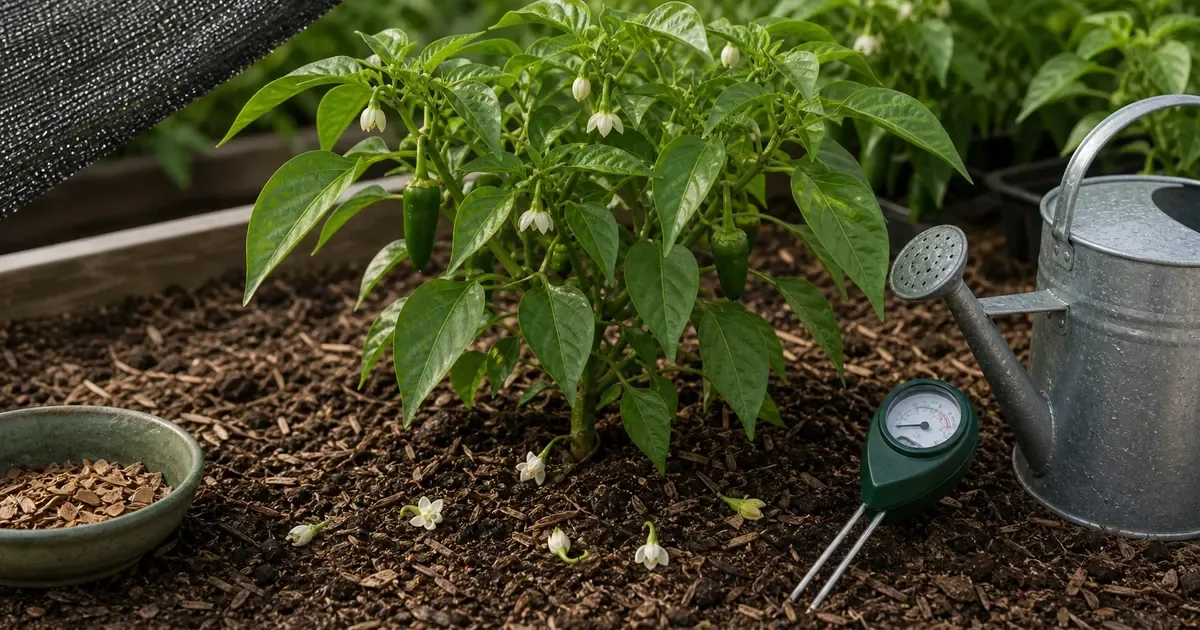
- Install 30% to 50% shade cloth over plants during peak heat.
- Deep-mulch with straw or wood chips to keep roots cool.
- Water in the early morning so plants aren't drought-stressed by afternoon.
- Wait it out. Blossoms set as soon as nights drop back below 75°F in early fall.
Nighttime Temps Below 60°F or Above 75°F
Cool nights are the northern grower's version of the same problem. Below 60°F, pollen tubes stop growing fast enough to fertilize the ovary before the flower drops. Nights above 75°F are almost as bad, because the plant burns energy on respiration instead of fruit development.
Fixes that work:
- Use row cover or a cloche on cool nights below 60°F.
- Site plants against a south-facing wall for radiant warmth.
- In hot regions, choose heat-tolerant varieties like poblano, jalapeño, or hybrids bred for high-heat set.
- Skip early transplanting. Wait until soil hits 65°F at 4 inches deep.
Condition #2: Poor Pollination in a Self-Pollinating Plant
Even a healthy pepper flower needs mechanical help to transfer pollen from anther to stigma. If your plant lives indoors, in a greenhouse, on a covered balcony, or in a spot with no breeze, pollination quietly fails. The flowers look fine and drop anyway.
Signs pollination is the issue:
- Plant is indoors, in a greenhouse, or under a rain cover.
- Weather has been humid and still for several days.
- You see almost no bees or hoverflies on nearby flowering plants.
- Flowers open in perfect condition, then drop 2 to 3 days later.
Fixes are fast and reliable:
- Tap or gently shake the main stem once a day mid-morning when flowers are open.
- Aim a small oscillating fan at the plants for a few hours daily.
- Hand-pollinate with a soft artist's brush or a battery toothbrush held near each bloom.
- Open greenhouse vents mid-day to let real pollinators in.
Humidity plays a hidden role here. Pepper pollen releases best between 40% and 70% relative humidity. Above 80%, pollen clumps and won't transfer, even with vibration.
A small fan solves both problems at once.
Condition #3: Nitrogen Overload and Nutrient Imbalance
Nitrogen builds leaves. Phosphorus and potassium build flowers and fruit. If your plant is a lush, dark green bush with only a handful of blossoms, you've almost certainly overfed nitrogen.
Compost tea, fresh manure, and lawn-style fertilizers are the usual culprits.
The fix is to switch feeds, not to strip nutrients from the soil. Move to a low-nitrogen, higher phosphorus and potassium formula around first bloom.
| Fertilizer Analysis | When to Use |
|---|---|
| 10-10-10 balanced | Transplant to first flowers |
| 5-10-10 or 3-4-6 bloom formula | First bloom through fruit set |
| Bone meal or rock phosphate | Slow-release phosphorus boost |
| Cal-Mag supplement | If blossom end rot appears on set fruit |
A soil test from your county extension office costs 15 to 25 dollars and reads N, P, K, calcium, magnesium, and pH. It removes the guesswork completely. Pepper roots take up nutrients best at a soil pH of 6.0 to 6.8.
Condition #4: Watering Extremes and Root Stress
Peppers hate both drought and soggy feet. Wild swings between bone-dry and saturated soil cause blossoms to abort within 48 hours. Consistency matters more than volume.
Aim for 1 to 2 inches of water per week, delivered slowly and deeply. Soil moisture should sit around 60% to 70% of field capacity, meaning damp but never sopping. A cheap moisture meter or the classic finger test at 2 inches deep both work.
Common watering mistakes:
- Daily shallow watering that keeps roots at the surface.
- Letting containers dry out completely between waterings.
- Overhead spraying that wets flowers and encourages fungal drop.
- Watering cold hose water on hot soil, which shocks roots.
Mulch fixes most of this by evening out soil temperature and moisture. A 2 to 3 inch layer of straw, shredded leaves, or wood chips is the single easiest upgrade a pepper grower can make.
Condition #5: Light, Container Size, and Physical Limits
Peppers need 6 to 8 hours of direct sun to bloom well and set fruit reliably. Anything less, and the plant stays vegetative or drops what few flowers it produces. Morning sun is preferred, since afternoon rays in July can push leaf temperatures past the pollen threshold.
Container size is the other silent limiter. A pepper crammed into a 1 or 2 gallon pot becomes root-bound fast, then aborts blossoms as soon as heat arrives. Aggregate guidance from university extension programs recommends 5 gallons per plant minimum, with 7 to 10 gallons preferred for full-size bells.
- 1 to 3 gallon pot: too small, expect chronic blossom drop.
- 5 gallon pot: workable minimum for small varieties.
- 7 to 10 gallon pot: reliable for bells and full-size sweet peppers.
- Raised bed at 12 inches deep: ideal root run.
Also check that the plant isn't rocking in the wind. Loose roots feel every gust as a stress signal, and stressed peppers drop blossoms first.
Condition #6: Pests, Disease, and Herbicide Drift
Small pests can wreck fruit set without ever damaging the leaves in an obvious way. Aphids, thrips, and pepper weevils feed directly on buds and open flowers, causing them to yellow and fall. A daily glance at the underside of new leaves and inside open blooms catches most infestations early.
- Aphids: sticky residue, curled new growth, treat with insecticidal soap.
- Thrips: silvery streaks, deformed flowers, blue sticky traps plus neem.
- Spider mites: fine webbing, stippled leaves, spray water on undersides.
- Pepper weevils: tiny black beetles inside buds, remove and destroy affected flowers.
Fungal issues like Botrytis show up as gray fuzz on wet, humid flowers. Improve airflow and skip overhead watering. Then there's herbicide drift.
If neighbors sprayed 2,4-D or dicamba on their lawn, symptoms show up as twisted new growth and sudden flower drop. Recovery takes 3 to 6 weeks, and there's no reversal spray.
The Decision Tree: Match Your Symptoms to the Cause
Use this branching guide to move from symptom to cause without guessing.
If daytime highs top 90°F or nights fall outside 60°F to 75°F, the answer is temperature. Add shade cloth, mulch, or a row cover depending on direction of the stress.
If temperatures look fine but the plant is indoors, in a greenhouse, or in still air, it's pollination. Shake the stems, add a fan, or brush the blossoms by hand.
If the plant looks lush and green with few flowers, the answer is nitrogen overload. Switch to a bloom formula and hold the compost tea.
If leaves wilt daily or the container feels light, the cause is water or root space. Deep-water on a schedule, mulch heavily, and upsize the pot if it's under 5 gallons.
If new leaves are curling, look for pests underneath. Sticky residue or webbing points to aphids or mites. Twisted growth without pests suggests herbicide drift.
If none of these fit, check sunlight hours. Below 6 hours of direct sun, no fix short of moving the plant will restore reliable fruit set.
Fixes That Restore Fruit Set Within 2 to 4 Weeks
Once the stressor is corrected, peppers rebound faster than most vegetables. The first new blossoms after the fix usually hold, and small fruit is visible within 14 to 28 days.
- Swap high-nitrogen feed for a 5-10-10 or bloom formula at the next watering.
- Add a 2 to 3 inch mulch layer to steady soil temperature and moisture.
- Install 30% to 50% shade cloth if daytime highs exceed 90°F.
- Run a small fan or hand-shake the plant daily for pollination.
- Deep-water on a schedule instead of splashing daily.
- Upsize the container to at least 5 gallons if roots are cramped.
Do not strip existing flowers off a stressed plant. Once conditions improve, some of those older blossoms will still set.
Hand-Pollination: How to Do It in Under 30 Seconds
Hand-pollination is the fastest, most reliable way to force fruit set on a plant that keeps dropping healthy-looking flowers. You're moving pollen mechanically, exactly what wind or bees would do outdoors.
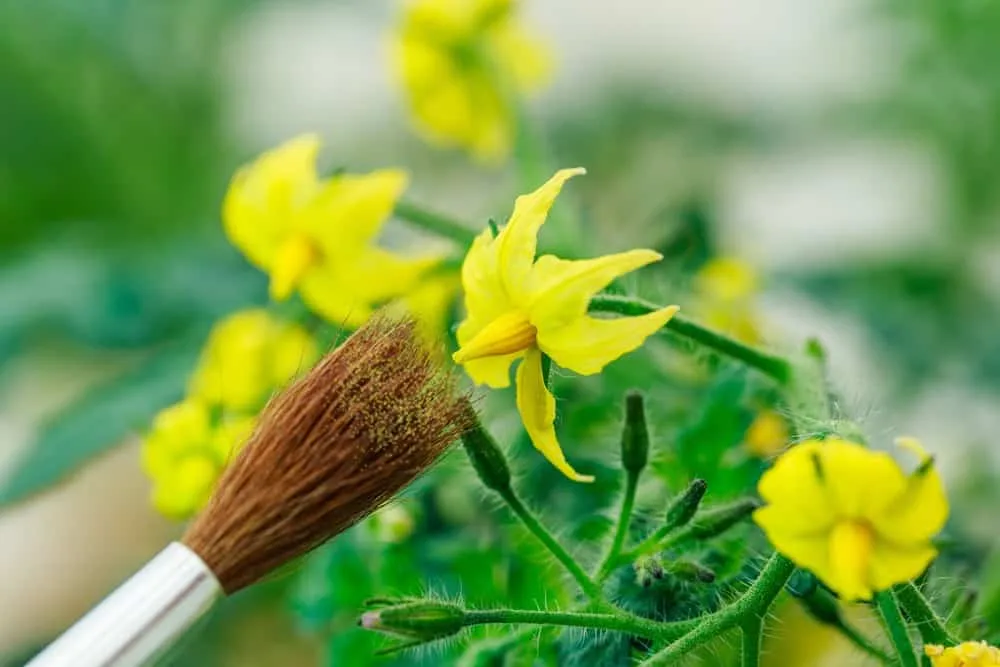
Do it mid-morning, between 9 a.m. and 11 a.m., when flowers are fully open and pollen is freshest.
- Pick a small soft artist's brush or a battery-powered toothbrush.
- Touch or gently vibrate the base of each open flower for 2 to 3 seconds.
- Move brush from one bloom to the next on the same plant.
- Repeat every day or every other day while the plant is flowering.
You'll know it worked when the petals wilt and fall within a few days, revealing a tiny green fruit at the stem base. That's a set pepper.
Mistakes That Keep Peppers Flowering Without Fruiting
Some common gardening habits actively block fruit set. Fixing them costs nothing.
- Feeding compost tea or high-nitrogen fertilizer through bloom.
- Watering shallow and often instead of deep and rhythmic.
- Skipping mulch, especially in raised beds and containers.
- Transplanting too early into cold soil below 60°F.
- Spraying insecticide on open flowers and killing pollen viability.
- Pinching off every early bud, even after the plant is mature.
- Ignoring nighttime lows in early season, when they matter most.
- Assuming self-pollinating means no help is ever needed.
If you see the same problem year after year, it's rarely bad luck. It's usually one of these habits repeating.
Climate-Specific Adjustments (Hot South, Cool North, Coastal, Desert)
The same pepper variety behaves differently in Phoenix, Portland, and Charleston. Match the fix to the climate you actually garden in.
- Hot South (Zones 8 to 10): expect a mid-summer fruit-set pause. Plant early, harvest through June, mulch heavily. Fresh blooms in September carry a big fall crop.
- Cool North (Zones 3 to 5): night temperatures are your enemy. Wait for soil at 65°F, use black plastic mulch, and cover with row fabric on cool nights.
- Coastal fog belts: humidity and low nighttime temps conspire against pollen. Site plants in the sunniest, most sheltered corner. Add a small fan on still mornings.
- Desert Southwest: pair 40% shade cloth with drip irrigation twice daily. Choose heat-tolerant varieties bred for high desert set.
The USDA Plant Hardiness Zone Map is the fastest way to confirm your zone and frost windows.
Variety Matters: Why Some Peppers Set Fruit When Others Won't
Not all peppers respond to stress equally. Small-fruited chilies set faster and hold blossoms in wider temperature ranges than large-fruited bells.
| Variety Type | Heat Tolerance | Set Speed |
|---|---|---|
| Jalapeño, serrano, cayenne | High | Fast, 45 to 60 days |
| Shishito, banana, poblano | Medium-high | Fast to medium |
| Bell peppers (California Wonder) | Low to medium | Slow, 70 to 90 days |
| Habanero, ghost, Scotch bonnet | Very high | Slow, needs long season |
| Hybrids bred for heat (Carmen, Flamingo) | High | Reliable in hot zones |
If you're in a challenging climate, choose the variety that fits it rather than fighting the weather with a bell that won't cooperate.
Expert Tips for Reliable Fruit Set Every Season
- Track soil and night temperatures with a cheap probe thermometer.
- Feed a low-nitrogen bloom formula from first flower onward.
- Mulch every plant, every year, no exceptions.
- Run a fan or shake daily during still, humid weather.
- Choose varieties bred for your zone, not for the seed catalog cover.
Frequently Asked Questions
Should I pick off flowers to help fruit set?
Only on very young transplants under 8 inches tall. Removing early buds channels energy into roots and leaves. Once the plant is established, leave every blossom on and fix the underlying stressor instead.
How long after flowering do peppers appear?
A fertilized pepper flower shows a swelling ovary within 3 to 7 days. That green pinhead grows into a full pepper over 45 to 75 days depending on variety and warmth.
Do peppers need bees to produce fruit?
No. Peppers are self-pollinating, so a single flower can fertilize itself. Bees help, but wind or a gentle stem shake works just as well.
Why do my pepper flowers turn yellow and fall off?
Yellowed pedicels almost always mean heat stress, cold nights, or failed pollination. Check temperature first, add a fan or brush the blossoms, and the next round of flowers usually holds.
Your Quick Decision Guide: What to Do This Week
- Check day and night temperatures against the 70°F to 85°F and 60°F to 75°F targets.
- Switch to a bloom formula and lay down 2 inches of mulch.
- Shake or brush every open blossom mid-morning for the next 7 days.
- Reassess in 2 weeks. New fruit should be visible on healthy stems.

Similar Posts