Can You Save a Squash Plant After a Vine Borer Attack?
Can you save a squash plant after a vine borer? Yes, often you can, if you catch the attack in the first day or two and act while the crown is still firm. That sudden midday wilt at the base of a healthy zucchini or hubbard is the alarm.
Ignore it for a week and the plant is usually beyond rescue.
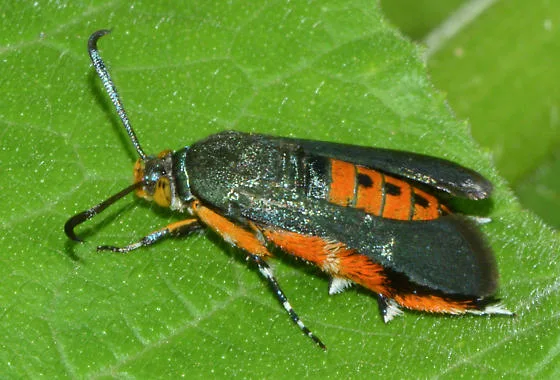
Squash vine borer larvae (Melittia cucurbitae) tunnel through hollow stems for roughly 4 to 6 weeks before dropping into the soil to pupate. As of 2026, university extension programs across the eastern and central United States still endorse the same rescue playbook: inspect, slit, remove, and re-root. What follows is the practical decision tree our editorial team uses when readers ask whether a wilted plant is worth saving.
Quick Answer
Yes, you can save a squash plant after a vine borer attack. Success hinges on catching the wilt early and removing the larva quickly. Slit the stem lengthwise with a sterile blade.
Bury the wounded section in moist soil to trigger new roots. Plants with hollow or rotted crowns cannot be saved.
Why a Vine Borer Attack Isn’t Always a Death Sentence
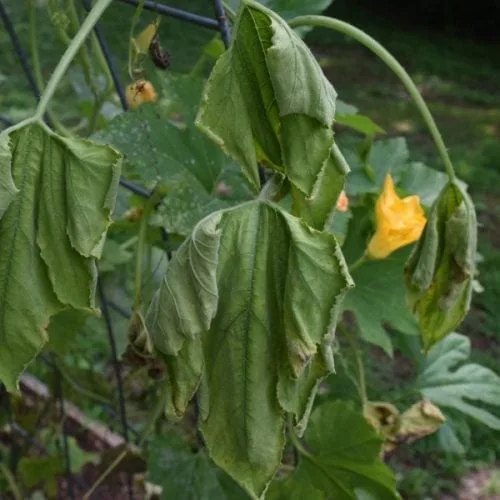
Squash vines are surprisingly forgiving. The main reason is biology. Every leaf node along the vine can grow its own roots when it touches moist soil, so a single plant can effectively become several backup crowns.
The other reason is species. Cucurbita moschata varieties like butternut and Tromboncino have solid, fibrous stems that borers struggle to colonize. Cucurbita pepo (zucchini, yellow squash, pumpkin, acorn) has hollow stems and takes the brunt of the damage.
If a borer hits the main crown and the whole plant collapses, you may lose it. If it hits a mid-vine section and side roots are already forming, you can often keep harvesting. The rescue window is real, but narrow.
How to Confirm It’s Really a Squash Vine Borer
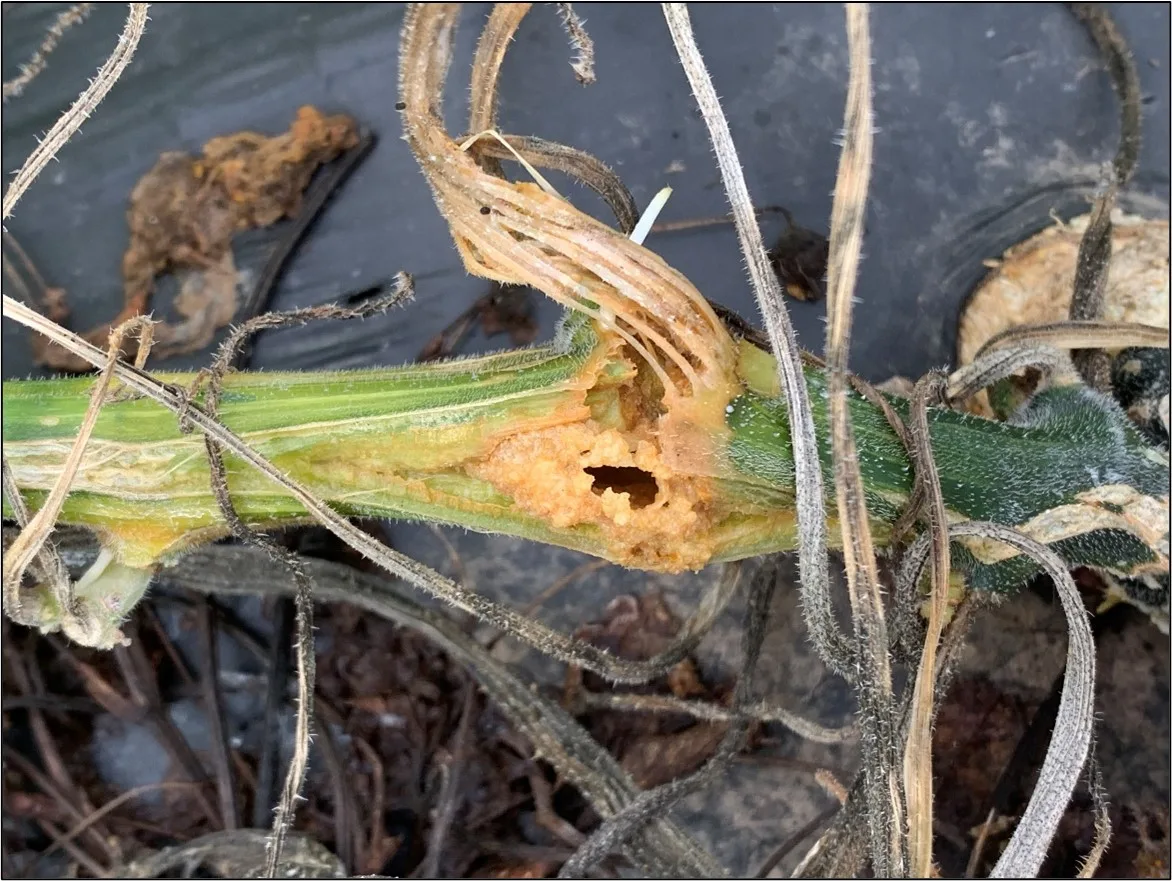
Before you cut into a stem, confirm the culprit. Bacterial wilt and heavy squash bug feeding look almost identical from a distance. Cut into the wrong problem and you waste a plant.
Frass, Entry Holes, and the Midday Wilt Test
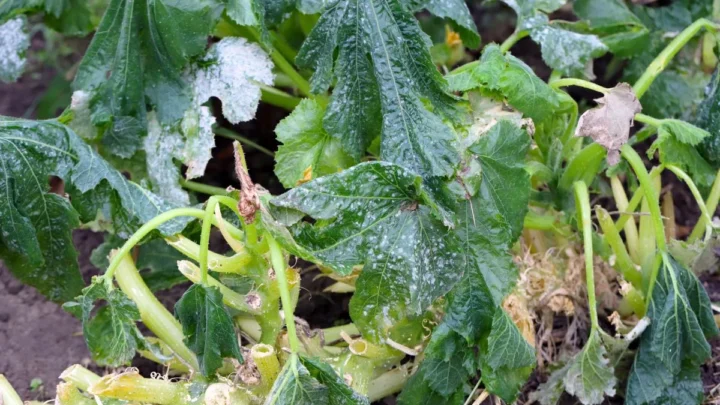
Frass is the tell. It looks like wet sawdust or yellow-green crumbs pushed out of a small hole near the base of the stem. Squat down and inspect the bottom 12 inches of every main vine.
Then run the wilt test. A borer-hit plant collapses hard by midday, then partially recovers overnight because the roots still work. If leaves stay limp all morning even after a deep watering, borers are the likely cause.
Ruling Out Bacterial Wilt and Squash Bug Damage
Bacterial wilt (spread by cucumber beetles) shows no frass and no entry holes. Snap a wilted stem and touch the cut ends together, then slowly pull apart. Stringy white ooze between the ends confirms bacterial wilt, and no surgery will fix that.
Squash bugs leave clusters of bronze eggs on leaf undersides and gray-brown adults on stems. Their damage shows as speckled, yellowing leaves rather than a wilted crown with clean foliage above. If you see eggs and adults but no frass, borers aren’t your problem yet.
The First 24 Hours: What Decides Whether Your Plant Lives
Speed matters more than technique. A larva feeds continuously once inside the stem. Every extra day widens the tunnel and invites secondary rot.
If you spot frass and confirm the wilt pattern in the morning, do the surgery that same evening or the next morning at the latest. Waiting 48 hours drops the recovery rate sharply in aggregate gardener reports collected by university extension services, including the University of Minnesota Extension. Waiting a week usually means the crown is already hollow.
Water the plant deeply before you cut. Hydrated stems are easier to slit cleanly and recover faster once the larva is out.
Triage Checklist Before You Cut
Not every borer-hit plant is worth surgery. Run through this checklist first so you invest your time where it pays off.
Stem Condition, Borer Count, and Entry Point Location
- Squeeze the stem gently from the base up. Firm and green means salvageable. Soft, mushy, or foul-smelling means the crown is gone.
- Look for multiple entry holes. One borer is easy. Three or four in the same stem usually means the tunnel network is too wide to close.
- Note where the damage sits. A single hole 4 to 8 inches above the crown gives you room to work. Damage at soil level is the worst case.
- Check for side vines that have already rooted at nodes. If yes, you have a natural backup even if the main crown fails.
Plant Stage and Time Left in Your Growing Season
- Young plants with no flowers yet: worth rescuing if damage is minor, since they still have months to produce.
- Plants in peak fruit set: highest priority, since fruit already on the vine will keep sizing up during recovery.
- Plants near the end of their run in late August or September: often not worth the effort. A fast-maturing summer squash sown now can outproduce a nursed patient.
| Situation | Rescue Worth It? |
|---|---|
| One borer, firm stem, mid-vine hole | Yes, high success rate |
| Two to three borers, firm stem | Yes, but expect setback |
| Crown mushy or hollow | No, pull and replant |
| Late-season plant, minor damage | Maybe, weigh against a fresh sowing |
The Squash Vine Borer Rescue Decision Tree
Use this branch-by-branch logic instead of guessing.
If the stem is firm and you see a single entry hole with fresh frass, then proceed to vine surgery and root a backup node.
If you count two or three entry holes but the crown squeezes firm, then do the surgery on each hole in one session and mound soil over the healthiest node for insurance.
If the crown is soft, hollow, or smells sour, then stop. No surgery will bring it back. Pull the plant, bag the debris, and consider a fast-maturing replacement.
If you’re not sure whether it’s borer damage or bacterial wilt, then run the stem-ooze test first. Cut into a healthy plant only after you’ve confirmed borers.
If the plant is a butternut, Tromboncino, or another Cucurbita moschata with solid stems, then the damage is often superficial. Slit, remove, and expect a strong recovery.
If it’s late in your growing season and daytime highs are dropping, then a direct sowing of yellow squash or zucchini may out-produce a rescued plant before frost.
Vine Surgery: Step-by-Step Slit-and-Remove Method
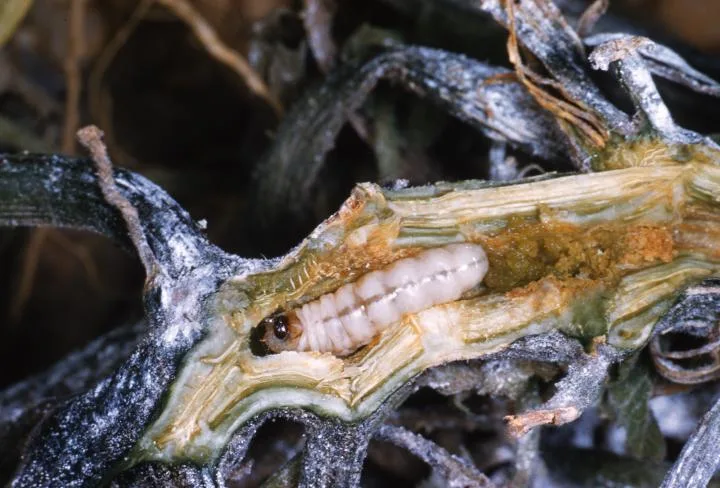
Vine surgery sounds dramatic. It’s really a five-minute job with a clean blade and steady hands. Do it in the evening so the plant recovers overnight in cool air.
Gather your tools first:
- A sharp utility knife, X-Acto blade, or clean paring knife
- Rubbing alcohol or a lighter to sterilize the blade between plants
- A pair of tweezers or a wooden skewer
- A trowel and a small pile of moist compost or garden soil
- A watering can with room-temperature water
Then work through the steps in order:
- Wipe the blade with alcohol. Skipping this step spreads bacterial and fungal pathogens between plants.
- Locate the entry hole with fresh frass. Position the blade about 1/4 inch below it.
- Slit the stem lengthwise, upward, past the hole. Cut only as deep as needed to open the tunnel, not through the far wall.
- Gently spread the slit and pull the larva out with tweezers. Look for more. It’s common to find two or three in one vine.
- Drop every larva into soapy water. Do not toss them onto the soil, and never compost them.
- Mound moist soil over the wounded section, covering the slit completely. Water in slowly to settle the soil.
That buried section is doing double duty. It hides the wound from further egg-laying moths and encourages fresh roots along the stem.
When to Use Bt Injection Instead of Surgery
Bt injection is the low-damage alternative when you can’t face cutting the vine open. It uses Bacillus thuringiensis kurstaki, an OMRI-listed biological control that kills caterpillars but is safe for pollinators and people.
Use Bt injection when:
- You see frass but the entry hole is tiny and hard to locate.
- The stem is a prized heirloom you don’t want to slit.
- Multiple small entry points suggest the larvae are still young.
- You want a preventive tool alongside surgery on a badly hit plant.
Skip Bt and go straight to surgery when the stem is already softening or the larva is clearly mature. Bt takes 24 to 72 hours to kill. A mature borer can hollow out several more inches in that window.
To inject, mix Bt per the label. Draw the solution into a small syringe with a needle rated for garden use. Inject 1 to 2 mL directly into the stem at and above each frass hole.
Repeat every 4 to 5 inches along the vine as insurance. Always follow the EPA label directions on the product you buy.
Burying Nodes to Root a Backup Crown
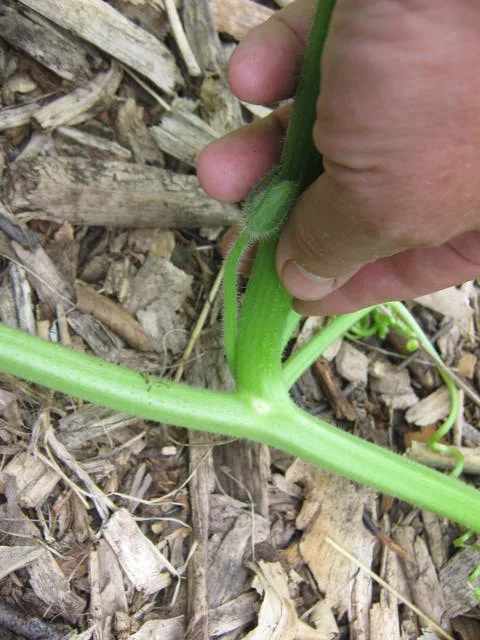
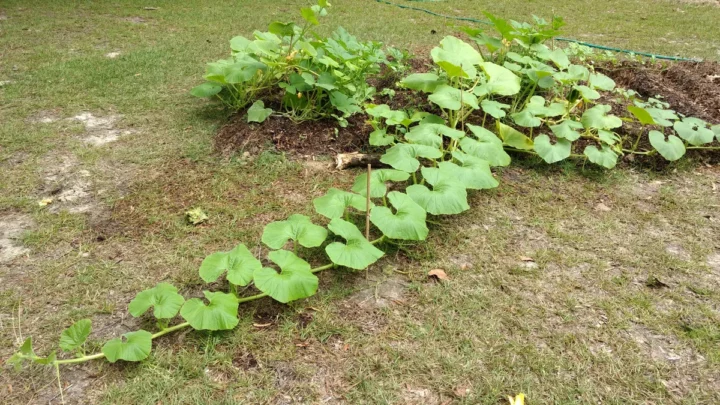
This is the trick most gardeners miss, and it’s the single highest-value move you can make on a borer-hit plant. Squash vines form adventitious roots wherever a healthy leaf node contacts moist soil. Give them the chance and you build a redundant root system in about two weeks.
Walk the vine away from the main crown. Every 12 to 18 inches, find a node where a leaf and tendril emerge from the stem. Scrape a shallow trench, lay the node in, and cover it with 1 to 2 inches of moist soil, leaving the leaf itself above ground.
Water each buried node deeply. Keep the soil consistently moist for the next 7 to 14 days. If the main crown fails later, these rooted sections can keep flowering and fruiting on their own.
Do this proactively at the start of the season, not just after an attack. Aggregate university extension guidance treats node-burying as the most reliable insurance against total plant loss.
Post-Surgery Recovery Care That Actually Works
The first week after surgery decides the outcome. Baby the plant and give it every reason to heal.
Water deeply at the roots every 2 to 3 days for the first week, avoiding wet foliage. Wet leaves invite powdery mildew, which a stressed plant cannot fight off. Morning watering is best.
Feed lightly. A dilute fish emulsion or a balanced liquid feed at half strength once a week supports new root growth without pushing tender, pest-attracting foliage. Skip heavy nitrogen.
It weakens stem walls and draws more egg-laying moths.
Shade the plant during the hottest afternoons for the first three days if temperatures are above 90°F. A piece of shade cloth or an old bed sheet on stakes is enough. Check the surgery site daily for signs of secondary rot: black discoloration, sour smell, or oozing sap.
If you spot rot, cut back further into healthy tissue and re-bury.
Watch for a second wave of borers. Adult moths keep laying eggs through August in most zones, so one successful rescue does not mean you’re done for the season.
When to Stop Trying and Replant Instead
Sometimes the smarter call is to pull the plant and start over. Recognizing that moment saves weeks of wasted care.
Pull and replant when you find any of these:
- The crown is hollow, mushy, or smells fermented.
- More than four borers came out of a single stem section.
- The main stem is severed below the lowest rooted node.
- Leaves stay wilted for more than 48 hours after surgery and deep watering.
- Secondary rot has crept several inches past the surgery site.
The replacement math is friendlier than most gardeners think. Fast-maturing summer squash varieties like Raven zucchini, Yellow Crookneck, or Success PM hit first harvest in 45 to 55 days from direct sowing. If your average first frost is 10 or more weeks away, a fresh sowing will out-produce a badly injured plant.
Winter squash is different. Butternut, kabocha, and hubbard need 90 to 110 days, so a mid-July loss usually ends that variety for the year. Switch to a summer squash in that space and save the winter varieties for next season, ideally moschata types that borers largely leave alone.
Bag the pulled plant and toss it with household trash. Never compost borer-hit debris, because larvae can complete pupation in a compost pile and emerge the following spring.
Signs Your Rescue Worked (and Signs It Didn’t)
Give the plant 5 to 7 days before you judge the outcome. Recovery is quiet, not dramatic.
Good signs to look for:
- New leaves emerging from the growing tip within a week
- Firm, upright vines by mid-morning even on hot days
- Fresh white roots visible where you buried a node (gently brush soil aside to check)
- No new frass at the surgery site
Bad signs that mean the rescue failed:
- The stem below the wound turns brown or black
- Leaves collapse again within 48 hours and stay down
- Sour, fermented smell at the crown
- Fresh frass appearing higher up the vine, meaning a second borer is active
If the plant fails despite surgery, pull it the same day. Leaving a dying plant in place lets any remaining larvae complete their life cycle in your soil.
Mistakes That Kill an Otherwise Savable Plant
Most rescue failures come from a handful of avoidable errors. Skip these and your odds climb sharply.
- Cutting through the far wall of the stem. Slit only deep enough to open the tunnel.
- Using a dirty blade. Alcohol-wipe between every plant, no exceptions.
- Squeezing the stem to look for the larva. Crushed vascular tissue rarely recovers.
- Leaving pulled larvae on the soil surface. They can still pupate underground.
- Composting borer-damaged debris. Bag it and trash it.
- Overhead watering after surgery. Wet wounds invite rot and mildew.
- Piling on nitrogen fertilizer to “help.” It weakens stems and attracts more moths.
- Waiting three or four days to act after seeing frass. The tunnel doubles in that time.
Preventing the Next Attack This Season and Next
Prevention is far cheaper than surgery. Build these habits and you will rarely need to rescue a plant again.
Wrap the bottom 4 to 6 inches of young stems with strips of aluminum foil or nylon stocking. This blocks egg-laying at the most vulnerable spot. Reapply as the stems thicken.
Use floating row covers from transplant until the first female flower opens. Remove them then so pollinators can access blooms. In the South, plant a second crop in early July after the main moth flight peaks.
Choose resistant varieties where possible. Butternut, Tromboncino, Seminole pumpkin, and other Cucurbita moschata types shrug off most attacks. Reserve zucchini and pumpkins for row-covered beds.
At season’s end, till the top 2 inches of soil where squash grew. This exposes overwintering pupae to cold and predators. Rotate cucurbits to a new bed the following spring.
FAQs About Saving a Squash Plant After a Vine Borer
How long does a squash plant take to recover from vine borer surgery?
Most plants show visible recovery within 5 to 7 days if the surgery was clean and the crown was still firm. New roots along a buried section form in 7 to 14 days. Fruit already set on the vine usually keeps sizing up throughout the recovery window without pause.
Can you save a squash plant if the borer is in the main crown?
Rarely. Once the main crown is hollow or mushy, no surgery can rebuild the vascular tissue that feeds the whole plant. Your best move is to check for rooted side vines.
If any exist, cut them free from the dead crown and treat them as independent plants.
Is Bt injection more effective than cutting the stem?
Neither is universally better. Bt injection is gentler and works well on young larvae in hard-to-find tunnels. Surgery is faster and more certain when the larva is mature or the tunnel is already wide.
Serious cases often call for both: surgery on the main hole, Bt injections along the rest of the vine.
Do borer-resistant squash varieties really work?
Yes, mostly. Cucurbita moschata varieties like butternut, Tromboncino, and Seminole pumpkin have solid, fibrous stems that borers struggle to colonize. They can still get hit in heavy pressure years, but damage is usually superficial and plants keep producing.
Zucchini, yellow squash, and most pumpkins remain highly susceptible.
Should you spray insecticide after finding a borer?
Skip broad-spectrum sprays during bloom. They kill the pollinators your plant needs. If chemical control is warranted, choose a targeted product labeled for squash vine borer and apply at dusk when bees are inactive.
Always follow EPA label directions and rotate active ingredients to avoid resistance.
Your Quick Decision Guide for Borer-Damaged Squash
Use this as your at-a-glance playbook the next time you spot midday wilt.
| Condition | Action |
|---|---|
| Fresh frass, firm stem, one hole | Slit, remove, bury the wound |
| Multiple holes, stem still firm | Surgery on each hole plus Bt insurance |
| Soft or hollow crown | Pull the plant, bag debris |
| Late season, minor damage | Weigh recovery against a fresh sowing |
| Butternut or Tromboncino hit | Slit and expect a strong recovery |
| Uncertain diagnosis | Run the stem-ooze test before cutting |
Act within 24 hours, keep your blade sterile, and always bury a backup node. Do those three things and most borer attacks become a setback, not a season-ender.

Similar Posts