Vegetables That Resist Root-Knot Nematodes in Your Garden
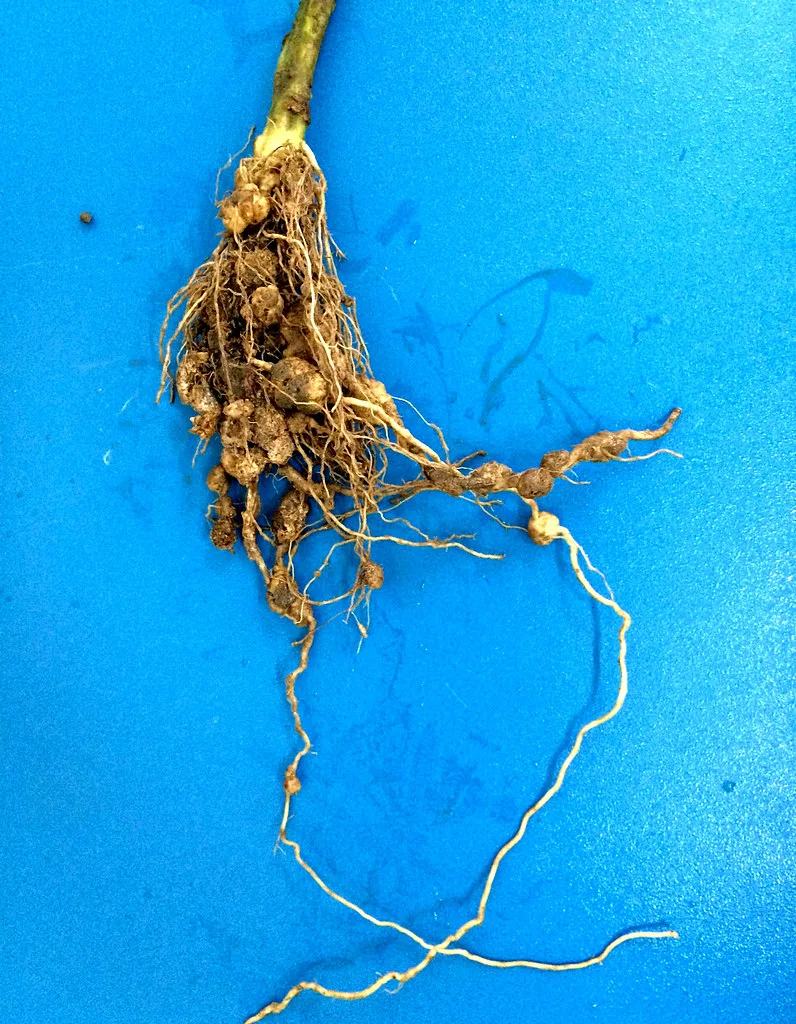
If you've spent a season fighting knotty, stunted roots in your vegetable beds, you already know why the question "What vegetables are not susceptible to root-knot nematodes?" doesn't have one clean answer. It depends on which Meloidogyne species you're dealing with, your soil temperature, and whether you want a true non-host or a resistant cultivar. Get that wrong and you'll plant a "safe" variety that still gets shredded.
Root-knot nematodes cost global agriculture an estimated $100 billion a year, according to USDA Agricultural Research Service figures. A heavily infested backyard bed can lose 60 to 80 percent of a susceptible tomato crop in one season. As of 2026, university extension programs across the US still rank species identification as the single most useful step before choosing a rotation crop.
That's where we'll start.
Quick Answer
Sweet corn, onions, garlic, leeks, and asparagus are the safest true non-hosts. Most brassicas also work as poor hosts. That group covers broccoli, cabbage, kale, turnip, and mustard.
Small grains like cereal rye, wheat, and oats resist feeding too. Resistant tomato cultivars work only below 82°F soil against southern species.
Why "Nematode-Safe" Vegetables Aren't the Same for Every Garden
A vegetable that shrugs off root-knot in Georgia can collapse under the same pressure in Michigan. That's because "root-knot nematode" is a genus, not a single pest. Four species matter most in US vegetable gardens, and their host ranges barely overlap.
You'll also hear four terms tossed around like they mean the same thing. They don't.
- Immune: the nematode cannot feed or reproduce at all. Rare in vegetables.
- Non-host: the plant supports little to no reproduction. Populations decline.
- Resistant: the plant limits feeding, but some reproduction still happens.
- Tolerant: the plant yields well despite infection, and nematodes still multiply.
"Resistant" is where most gardeners get burned. A resistant tomato still lets nematodes lay eggs at reduced rates. Plant a susceptible crop next season and populations creep back fast.
Non-hosts and true rotations are what actually knock numbers down.
The other variable is soil temperature. The Mi resistance gene in tomatoes stops working above roughly 82°F (28°C) at root depth. In a hot Florida summer, your "N-rated" tomato behaves like any other.
The Root-Knot Species You Actually Have Changes Everything
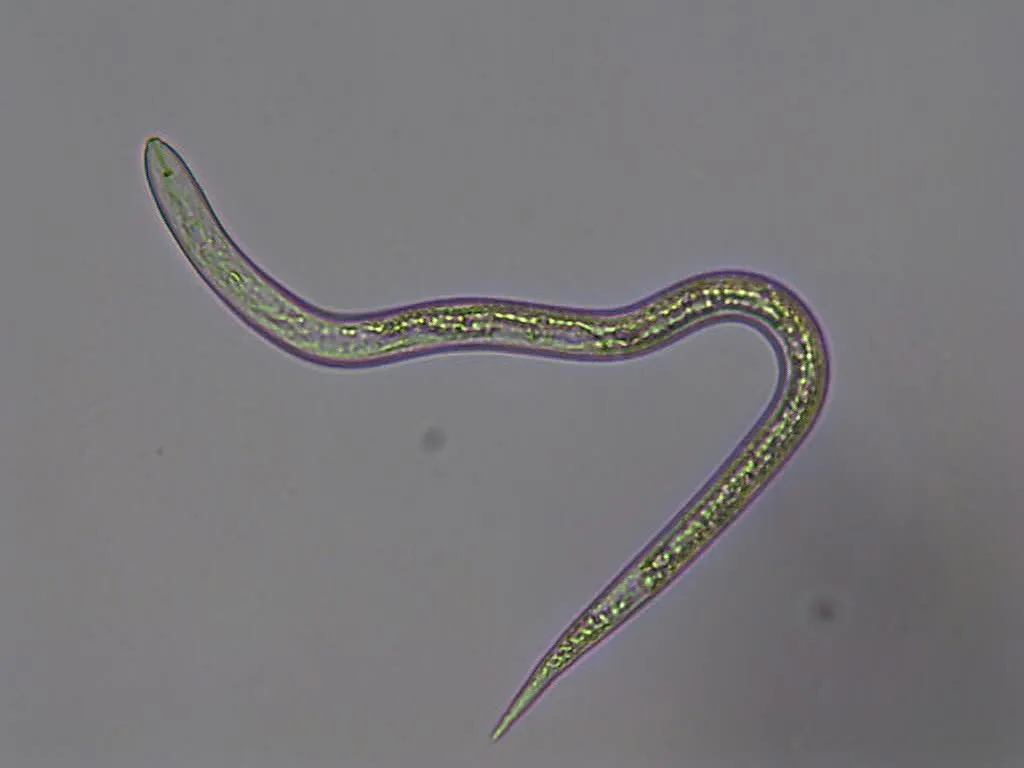
Before you pick a vegetable, get a soil assay from your state extension lab. A $25 to $60 test tells you species and population density. It changes your whole plan.
Extension guidance from the Southeast, Northeast, and Pacific Northwest all agrees on this one step.
Southern Root-Knot (M. incognita, javanica, arenaria)
These three dominate the Sun Belt from California through the Southeast. They thrive at soil temperatures between 77 and 90°F and complete a life cycle in three to four weeks. Their favorite hosts are tomato, pepper, okra, cucurbits, and sweet potato.
The Mi resistance gene in tomatoes works well against all three species. But it only holds up when soil stays under 82°F. If your summer beds run hotter, treat "N" tomatoes as susceptible.
Northern Root-Knot (M. hapla)
M. hapla is the cool-climate species found north of the Mason-Dixon line, in the Pacific Northwest, and at higher elevations. It attacks a wider vegetable range than its southern cousins, including carrots, lettuce, and even some legumes. Critically, the Mi gene does not protect tomatoes from M. hapla.
If your extension lab reports M. hapla, throw out any "nematode-resistant" tomato assumption. Rotate to true non-hosts instead.
Columbia Root-Knot (M. chitwoodi)
M. chitwoodi is a regulated pest across the Pacific Northwest, especially in potato country. It causes cosmetic tuber blemishes that get whole loads rejected at packing houses. Home gardeners in Washington, Oregon, and Idaho should check state quarantine rules before moving plants or soil.
Small grains, sweet corn, and alliums remain solid rotation choices against this species.
Vegetables That Are True Non-Hosts
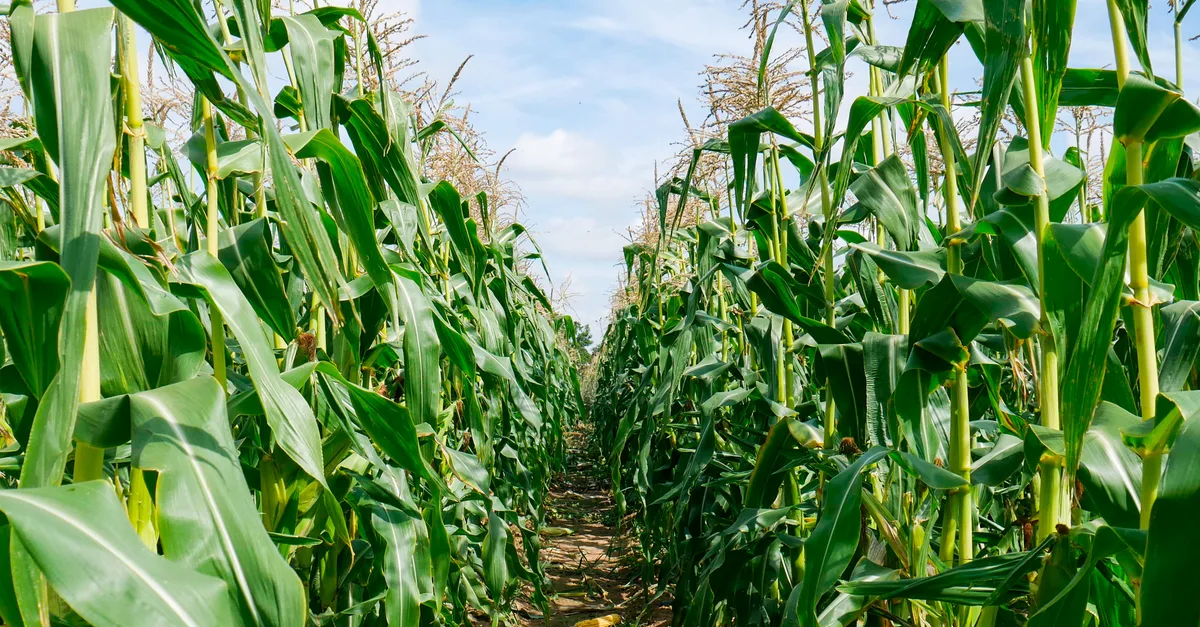
These are the workhorses of any nematode-suppressive rotation. They support so little reproduction that populations drop naturally over one or two seasons.
- Sweet corn (Zea mays): strong non-host to all four major species. The single most reliable rotation crop in southern vegetable systems.
- Onions, garlic, leeks, shallots (Allium spp.): poor to non-hosts across the board. Roots produce sulfur compounds that discourage feeding.
- Asparagus (Asparagus officinalis): established beds resist all common species. Do not plant a new bed into heavily infested soil, though. Establishment can still suffer.
- Cereal rye, wheat, oats, barley: excellent winter cover options that shut down feeding for months.
- Sorghum-sudangrass hybrids (Sudex): a summer cover crop that suppresses populations and releases biofumigant compounds when tilled in green.
One caveat worth naming. A non-host under one species may be a weak host under another. Sweet corn holds up beautifully against southern species.
It's a slightly weaker (but still useful) rotation choice against M. hapla in northern soils.
Vegetables That Are Poor Hosts (Reduce Populations Over Time)
Poor hosts still support some reproduction, but at low enough rates that populations shrink season over season. They're the second tier of your rotation plan.
Most brassicas fit here:
- Broccoli, cabbage, cauliflower, kale (Brassica oleracea)
- Turnip, mustard, radish (Brassica rapa and juncea)
- Collards and kohlrabi
Brassicas do double duty. Their roots release glucosinolates that break down into biofumigant compounds toxic to nematode juveniles. Tilling in a heavy brassica residue amplifies that effect and can drop counts further.
Other poor hosts worth rotating in:
- Peppers (weaker host than tomato, still susceptible to heavy pressure)
- Some strawberry cultivars (varies widely, check variety data before planting)
- Resistant cowpea varieties like 'Iron Clay', bred as a suppressor
University extension trials show that 2 to 3 years of poor-host rotation can bring a heavy infestation back below damage threshold. That's without a single chemical application.
Vegetables to Avoid Planting in Infested Soil
If your soil test comes back positive and you plant these anyway, expect stunted plants, yellow leaves, and disappointing harvests. Every one of these is a strong root-knot host.
| Crop | Susceptibility | Notes |
|---|---|---|
| Tomato (non-resistant) | Very high | Mi gene helps, but only under 82°F soil |
| Pepper | High | Fewer resistant options than tomato |
| Eggplant | Very high | One of the most susceptible vegetables |
| Cucumber | High | All cucurbits are vulnerable |
| Melon, watermelon | Very high | Yield losses over 50% are common |
| Squash, zucchini | High | Winter squash is slightly less severe |
| Okra | Very high | A preferred host across the South |
| Sweet potato | Very high | Cosmetic and yield damage both |
| Carrot | High (esp. M. hapla) | Forked, hairy roots at harvest |
| Lettuce | Moderate to high | Worse under M. hapla in cool soils |
| Bean (many varieties) | Variable | Some cowpeas are exceptions |
Notice the pattern. Solanaceae (tomato, pepper, eggplant) and Cucurbitaceae (cucumber, melon, squash) are the two families to rotate out of infested beds. Building a plan around brassicas, alliums, and grasses is the fastest way to bring populations back down.
Resistant Cultivars vs. Non-Host Crops: Which Path to Take
The two strategies solve different problems. A resistant cultivar lets you keep growing what you want (a tomato, say) in an infested bed. A non-host rotation actually drops the population so susceptible crops become viable again later.
Neither path is universally better. Pick based on what you're growing, your soil temperature, and how heavy the infestation already is.
When the Mi Gene Actually Works
The Mi-1.2 gene in tomatoes is the most reliable resistance available for home gardens. It works against M. incognita, M. javanica, and M. arenaria. Look for the code "N" (or "VFN", "VFNT") on the seed packet or transplant tag.
The gene stays effective when root-zone soil sits below 82°F. That covers spring plantings across most of the US and full-season crops in cooler regions. Cultivars like 'Celebrity', 'Better Boy', and 'Park's Whopper' all carry it.
When Resistance Breaks Down
Three conditions void the Mi gene. Soil hotter than 82°F disables it. M. hapla ignores it entirely.
Certain virulent populations have adapted around it after years of continuous exposure.
If any of those apply, resistant tomatoes will still gall. Fall back to non-host rotation, grafted plants on nematode-tolerant rootstocks like 'Multifort' or 'Maxifort', or move the crop to a clean bed with imported soil.
How to Choose Your Rotation Based on Soil Test Results
A nematode assay reports J2 (second-stage juvenile) counts per 100 cm³ of soil. That number tells you which branch to take. Most extension labs also list species, which matters more than the count itself.
If Your Assay Comes Back Under Threshold
Damage threshold for most vegetables sits around 100 J2 per 100 cm³ of soil, lower for carrots and sensitive crops. Below that, you can plant susceptible vegetables with reasonable expectations.
Still rotate. Follow a susceptible crop with a non-host the next season to keep populations from climbing. A three-year cycle of tomato, sweet corn, brassica is a workhorse pattern for southern beds.
If You're Sitting on a Heavy Infestation
Anything above 500 J2 per 100 cm³ counts as heavy. Skip susceptible crops entirely for two full seasons. Plant a summer cover of sorghum-sudangrass followed by a winter cover of cereal rye or mustard.
Retest before returning to tomatoes or cucurbits. If counts stayed high, add another season of non-host cropping. Solarization for six to eight weeks under clear plastic in peak summer can knock counts down further in Zones 8 and warmer.
Cover Crops and Biofumigants That Suppress Populations
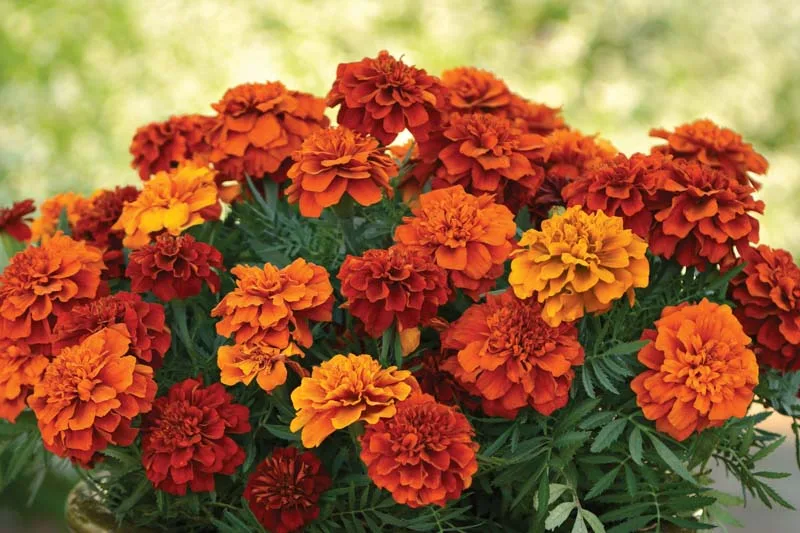
Cover crops earn their keep in two ways: they starve nematodes as non-hosts, and some release compounds actively toxic to juveniles. Pick the right species and you'll knock counts down faster than a bare fallow.
- French marigold (Tagetes patula): releases alpha-terthienyl from the roots. Best cultivars for suppression are 'Nema-Gone', 'Golden Guardian', and 'Single Gold'. Plant dense (6 to 8 inches apart) for at least 90 days for the effect to register.
- Sorghum-sudangrass (Sudex): non-host with strong biomass. Terminate at flowering and till in green for a biofumigant kick from dhurrin breakdown.
- Mustards ('Caliente 199', 'Pacific Gold'): high glucosinolate content. Chop and incorporate immediately, then seal the surface with water or plastic to trap the isothiocyanates.
- Cereal rye: winter cover that shuts down feeding through cold months and adds organic matter.
Skip cowpea, hairy vetch, and clover unless you've confirmed the specific cultivar is resistant. Many legumes host root-knot readily and can undo a season of work.
Common Mistakes That Reinfest a Clean Bed
You can spend two years driving populations down and undo it in one weekend. These are the traps that catch most home gardeners.
- Bringing in contaminated transplants. A single infected tomato start can seed a bed. Buy from certified nematode-free growers or start from seed.
- Sharing tools between beds. Wash soil off shovels, tillers, and hoses before moving between plots.
- Letting weed hosts overwinter. Pigweed, nightshade, purslane, and lambsquarters all host root-knot. Kill them before they set seed.
- Trusting "resistant" over "non-host". Resistance still permits reproduction. In a heavy bed, a resistant crop can quietly rebuild the population.
- Treating one season as enough. Full suppression takes two to three years of non-host cropping. One brassica rotation rarely defeats it.
- Ignoring soil temperature. The Mi gene, biofumigant reactions, and nematode life cycles are all temperature-driven. Plant timing matters as much as species choice.
One less obvious slip: composting infected roots without hot composting them first. Backyard piles rarely hit the 130°F needed to kill eggs. Bag and discard galled roots instead.
Regional Guide: What Works in Your Climate
Species distribution and season length shape which vegetables actually clear you a safe harvest. Match your rotation to your region rather than copying advice written for a different climate.
| Region | Dominant Species | Best Non-Host Rotation | Watchouts |
|---|---|---|---|
| Southeast (FL, GA, SC, AL) | M. incognita, javanica | Sweet corn, sorghum-sudangrass, brassicas | Soil too hot for Mi gene by June |
| South Central (TX, LA, MS) | M. incognita, arenaria | Sudex summer, cereal rye winter | Sandy soils reinfest fast |
| Mid-Atlantic (VA, NC, MD) | M. incognita, hapla mix | Alliums, small grains, marigold | Species test critical, both can appear |
| Midwest / Great Lakes | M. hapla | Sweet corn, brassicas, mustards | Mi gene tomatoes offer no protection |
| Pacific Northwest (WA, OR, ID) | M. chitwoodi, hapla | Cereal rye, wheat, alliums | Check quarantine rules before moving plants |
| California Central Valley | M. incognita, javanica | Sudex, brassicas, resistant tomato varieties | Long season allows two suppressive covers |
| Northeast (NY, PA, MA) | M. hapla | Alliums, brassicas, oats | Cool soils extend M. hapla activity |
The single biggest regional lesson: what a Georgia grower calls a "nematode-safe" tomato may fail entirely for a New York or Oregon gardener facing M. hapla. Programs like the University of California Statewide IPM Program publish species-specific vegetable guides worth checking against your climate zone.
Signs Your Rotation Plan Is Actually Working
You don't have to wait until harvest to know if suppression is taking hold. A few field observations tell you early.
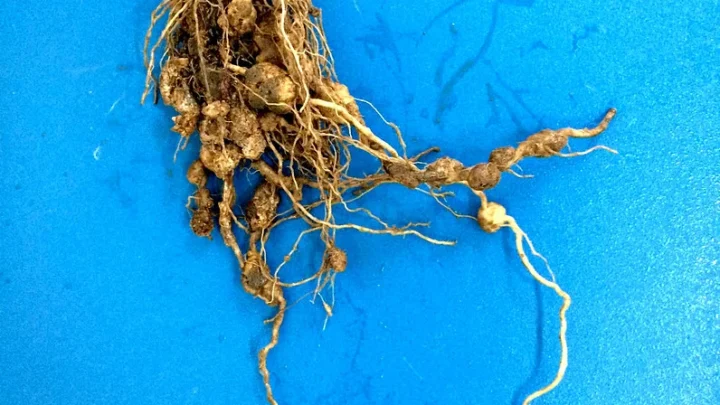
- Pulled non-host residues (corn stubble, brassica roots) show clean, unbranched root systems with no visible galls.
- Susceptible indicator plants like radish or beans planted as a spot check finish six weeks without stunting.
- Repeat soil assay after 12 to 18 months shows J2 counts dropping by half or more.
- Volunteer weeds in the bed grow uniformly rather than showing patchy stunted zones.
If numbers plateau instead of falling, look for a hidden host. Rogue tomato volunteers, weed pressure, or a legume cover crop that's actually susceptible will keep the population fed.
Expert Tips From Nematology Extension Programs
Guidance from the Society of Nematologists and university extension services points to a handful of high-leverage moves most home gardeners skip.
- Send a fall soil sample after harvest, not spring. Populations peak then and species ID is more reliable.
- Rotate by plant family, not just crop name. Tomato and eggplant share host status because they're both Solanaceae.
- Keep a bed map. Two years of rotation only pays off if you remember what grew where.
- Combine strategies. A biofumigant cover plus a non-host season beats either one alone.
- Ask your extension office about certified nematode-free transplant nurseries in your state.
One last note: patience matters more than any single tactic. Nematologists routinely describe suppression as a multi-year project, not a one-season fix.
Frequently Asked Questions
Are there any vegetables completely immune to root-knot nematodes?
No vegetable is fully immune across every Meloidogyne species. Sweet corn, garlic, and asparagus come closest by acting as strong non-hosts. Even these support trace reproduction under specific species and soil conditions.
The practical goal is population suppression, not zero nematodes.
Do resistant tomato varieties really work?
Yes, when conditions match. The Mi gene in "N-rated" tomatoes suppresses the three southern species (incognita, javanica, arenaria) as long as root-zone soil stays below 82°F. It provides no protection against Meloidogyne hapla.
Always confirm your species before relying on resistant cultivars alone.
Can I plant potatoes in nematode-infested soil?
Potatoes are moderately to highly susceptible depending on species. M. chitwoodi (Columbia root-knot) causes cosmetic tuber blemishes that can disqualify a whole crop from sale. Home gardeners can still eat blemished tubers, but yields drop under heavy pressure.
Rotate potatoes with sweet corn or small grains.
How long does it take to reduce a root-knot population?
Two to three years of continuous non-host cropping is the typical timeline for a heavy infestation. Lighter infestations can drop below damage threshold in a single 12-month rotation of biofumigant cover plus non-host cash crop. Retest soil before returning to susceptible vegetables.
Your Decision Guide: Picking the Right Vegetables for Infested Soil
Start with a soil assay for species and count. If M. hapla shows up, skip resistant tomatoes and rotate to alliums, sweet corn, or small grains. If it's a southern species and your soil stays cool, an Mi-gene tomato remains viable.
Heavy infestations need two full seasons of non-hosts before susceptible crops return. Lean on sweet corn, brassicas, alliums, and cereal rye as your backbone. Add French marigold or sorghum-sudangrass for active biofumigation.
Retest, then plant your favorites with confidence.

Similar Posts