Why Are My Tomatoes Cracking Before They Ripen? Fix It Fast
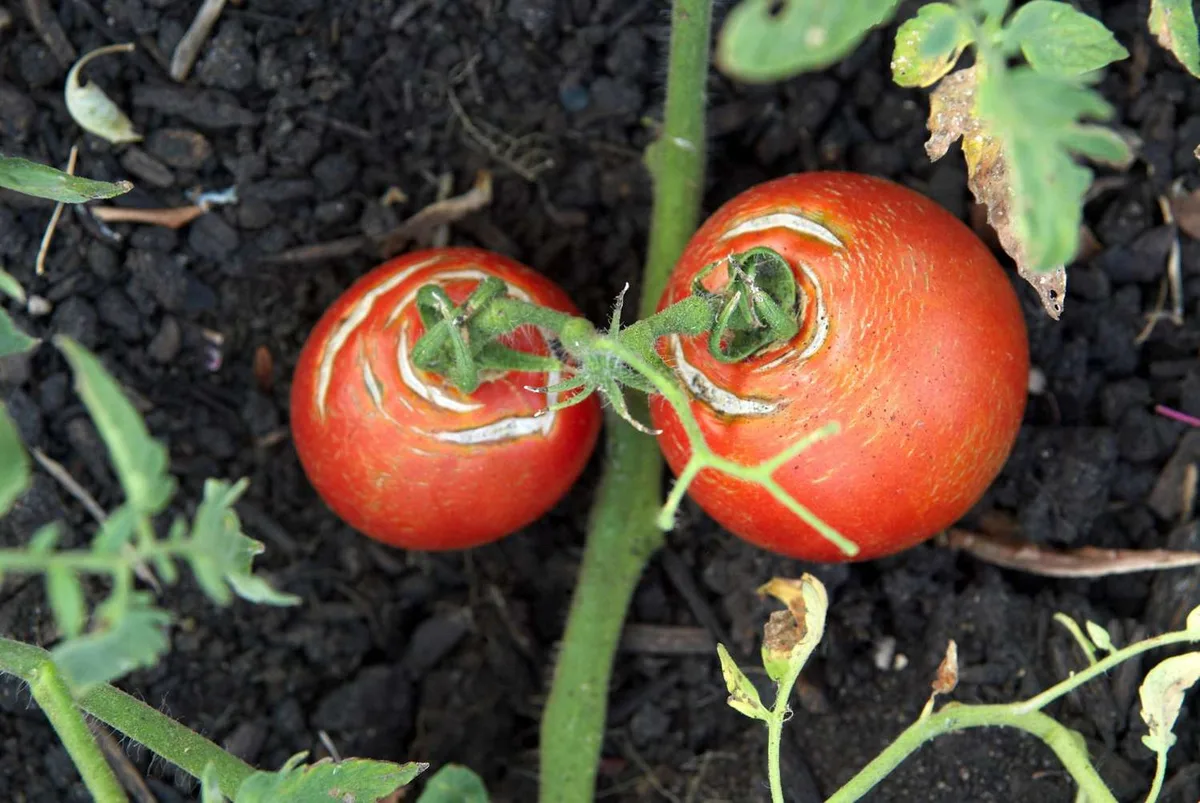
Bite into a nearly ripe tomato and find a jagged split running across the top, and it's hard not to take it personally. If you've been asking yourself, "Why are my tomatoes cracking or splitting before they ripen?", the short answer is that your fruit is growing faster than its skin can stretch. It's almost always a water and weather problem, not a disease.
The good news? Cracking is fixable once you know which type you're dealing with. Research from the University of Minnesota Extension shows most splits happen within 24 to 48 hours of heavy rain after a dry stretch.
As of 2026, that pattern still drives most home-garden cracking, so let's find yours.
Quick Answer
Tomatoes crack because the fruit takes up water faster than the skin can grow. A heavy rain after dry soil is the top trigger. Heat spikes, over-ripening, and thin-skinned heirloom varieties make it worse.
The fix is steady soil moisture, deep mulch, and picking at the breaker stage during wet weather.
Why Tomatoes Crack or Split Before They Ripen
Cracking is a physical failure, not an infection. When roots suddenly pull in extra water, the fruit's inside swells fast. The skin, called the cuticle, can only stretch so much before it tears.
Ripening fruit is the most vulnerable stage. As tomatoes soften, the cuticle loses elasticity. So the same rainfall that leaves green fruit untouched can split every red one on the vine.
Some varieties simply crack more. Heirlooms like Brandywine and Cherokee Purple have thinner skins bred for flavor, not durability. Hybrids like Mountain Fresh Plus, Celebrity, and Jet Star carry crack-tolerant genetics.
The Two Types of Cracks: Concentric vs Radial (Diagnose Yours First)
Before you change anything, look at the crack pattern. It tells you exactly what caused the split.
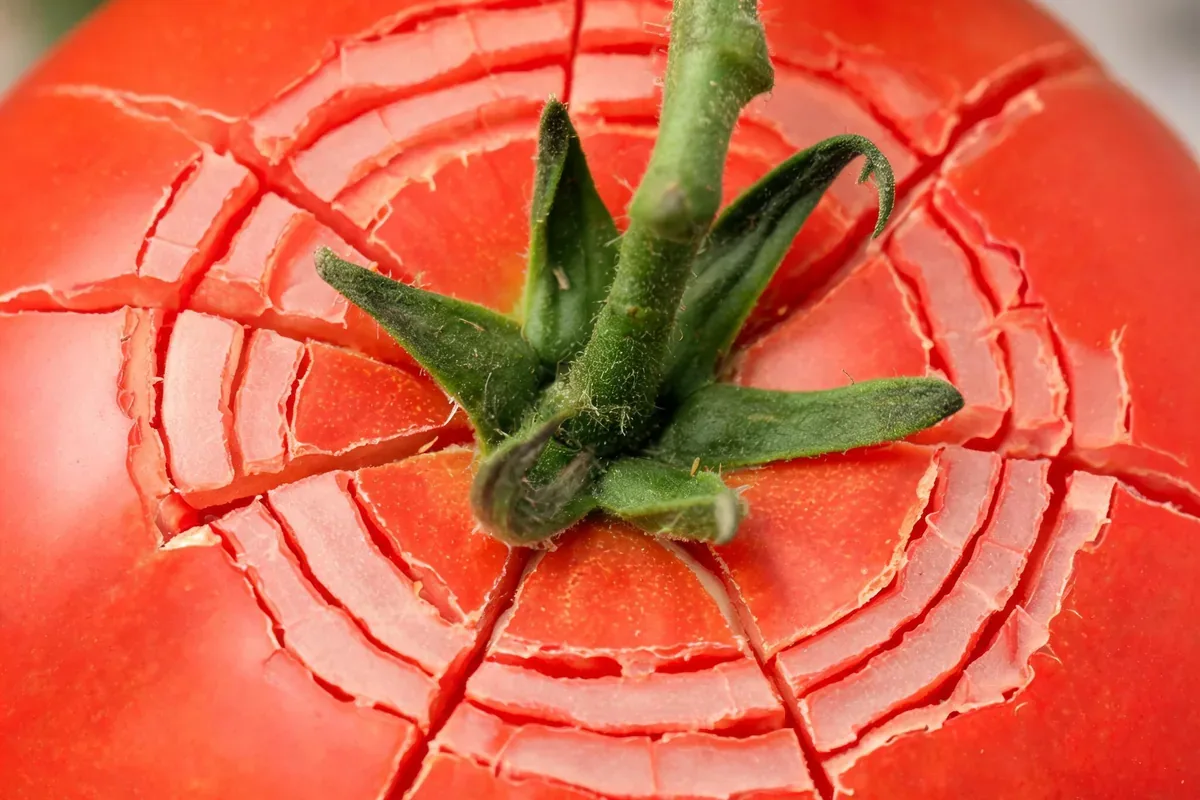
Concentric cracks form rings around the stem end. They often show up on the shoulders of the fruit. This pattern points to slow, cumulative stress like weeks of uneven watering or repeated heat swings.
Radial cracks run in straight lines from the stem toward the blossom end. These are the deep, ugly splits. Radial cracking usually follows a sudden event like heavy rain or a big irrigation after drought.
| Crack Pattern | What It Looks Like | Most Likely Cause |
|---|---|---|
| Concentric | Rings around the stem shoulder | Long-term moisture swings |
| Radial | Straight splits, stem to blossom end | Sudden water surge |
| Cuticle micro-cracking | A fine web of tiny lines (russeting) | Humidity spikes, low calcium |
A tomato can show both patterns at once. That combination usually means chronic irregular watering plus a recent rain event.
What's Actually Happening Inside the Fruit When It Splits
Think of a ripening tomato as a water balloon with a leathery skin. The pericarp (fruit wall) fills with sugars, water, and pectin. As the fruit ripens, cell walls soften on purpose.
That softening is what makes a tomato taste like a tomato instead of a green apple.
Water moves into the fruit through the plant's xylem, driven by osmotic pressure. When soil moisture jumps overnight, that pressure spikes too. The inside expands, and the outside can't keep up.
Land-grant university extension programs have measured fruit diameter jumping by up to 10 percent in a single day after a heavy rain. That rapid expansion tears the cuticle. Once it tears, it doesn't heal.
The split just widens as ripening continues.
The Main Triggers Behind Cracking Tomatoes
Four situations cause almost every cracked tomato in a home garden. Match yours to the right one before you change your care routine.
Irregular Watering and Sudden Rain After Drought
This is the number one culprit. When soil dries out for several days and then gets soaked, roots gulp water fast. The fruit inflates.
The skin fails.
You'll see radial splits within a day or two of the rain event. Container tomatoes suffer worst because their soil dries and wets more aggressively than in-ground beds.
Heat Waves, Cool Nights, and Fast Growth Spurts
Temperature swings drive uneven fruit growth. Hot days push sugar production. Cool nights slow skin development.
When daytime highs top 90°F and nights drop below 60°F for a stretch, expect trouble.
Fruit expands during the warm hours, but the cuticle doesn't catch up. A shade cloth over the plants during a heat wave takes the edge off.
Over-Ripening and Leaving Fruit Too Long on the Vine
A fully red tomato on the vine is a split waiting to happen. The cuticle has already softened to eat-me-now texture. Any moisture bump will crack it.
Pick at the breaker stage, when color just starts turning, and finish ripening on the counter. Flavor barely suffers per research from multiple US extension services. Cracking losses drop sharply.
Excess Nitrogen and Pushy Fertilizing
Too much nitrogen produces fast, watery growth. That includes fruit expansion. It also grows soft, thin cuticles.
If your leaves are dark green and the plants look like they belong on steroids, back off the nitrogen. Switch to a balanced or slightly phosphorus-heavy fertilizer once fruit sets. The USDA publishes vegetable nutrient guidance through its extension partners that's worth checking for your region.
How to Tell If It's Cracking, Catfacing, Blossom-End Rot, or Zippering
Cracking often gets confused with other tomato disorders. Getting the diagnosis right saves you from fixing the wrong problem.
- Cracking: Splits on the shoulders or sides of nearly ripe fruit. Skin is torn, flesh underneath looks normal.
- Catfacing: Ugly puckering, scars, and holes at the blossom end. Caused by cold weather during flowering.
- Blossom-end rot: A sunken, leathery, dark patch at the bottom of the fruit. Caused by calcium uptake problems.
- Zippering: A thin, zipper-like scar running down the side. A pollination defect from cool, humid conditions at fruit set.
- Sunscald: A pale, papery patch on the sun-facing side. Caused by sudden light exposure after heavy pruning.
| Disorder | Where on the Fruit | Root Cause |
|---|---|---|
| Cracking | Top or sides | Water and growth surge |
| Blossom-end rot | Bottom (blossom end) | Calcium uptake issue |
| Catfacing | Bottom, puckered | Cold at flowering |
| Zippering | Side, thin scar | Poor pollination |
| Sunscald | Sun-facing side | Sudden light exposure |
Two of these often overlap. A poorly watered plant can crack and develop blossom-end rot in the same week. Fix the watering, and both improve.
The Decision Tree: Match Your Cracks to the Right Fix
Cracking isn't one problem. It's four. Trace what happened in the last week and jump to the branch that matches.
If Cracks Appeared After Heavy Rain
Radial splits on nearly ripe fruit within 48 hours of a downpour point straight at water uptake. Your soil went from dry to soaked, and the fruit inflated too fast.
Fix it going forward with 2 to 4 inches of mulch and steady soil moisture between rain events. Harvest ripening fruit at the breaker stage before the next storm rolls in.
If Cracks Show Up During a Heat Wave
Concentric rings and cuticle micro-cracking during a hot spell mean temperature swings are the driver. Fruit expands during heat, then hits cool night air with a stressed skin.
Drape 30 to 40 percent shade cloth over plants when daytime highs pass 90°F. Water in the early morning so roots stay steady through the hottest hours.
If Only Ripe Fruit Is Splitting
If green fruit stays clean and only reddening tomatoes crack, the issue is over-ripening on the vine. The cuticle has softened past its breaking point.
Pick at the breaker stage (roughly 10 to 30 percent color break) and ripen indoors at 65 to 70°F. Flavor holds, cracking drops.
If Cracking Happens Across Every Fruit, Every Season
Chronic cracking on every plant every year is a variety problem. Thin-skinned heirlooms crack in almost any climate.
Switch to crack-resistant hybrids for your main crop. Keep one or two heirlooms for flavor, but pick them early during wet weeks.
Watering the Right Way to Stop Splits Before They Start
Consistency beats volume every time. Tomatoes want roughly 1 to 1.5 inches of water per week, delivered slowly and evenly.
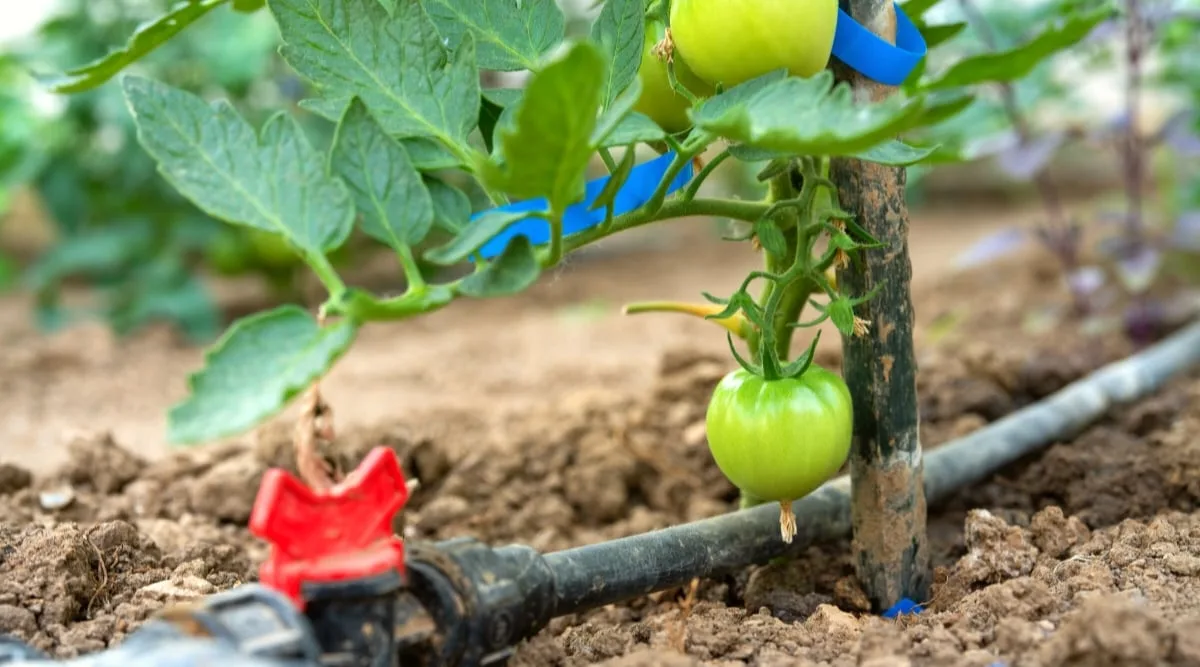
Drip irrigation or soaker hoses are the gold standard. They keep the root zone in that 60 to 80 percent field capacity sweet spot without swings. Overhead sprinklers waste water and wet the foliage, which invites fungal disease on top of cracking.
Water deeply, not often. Two or three long sessions per week soak the root zone down 8 to 12 inches. Daily light sprinkles train roots to stay shallow and leave the plant vulnerable to every dry stretch.
- Set a drip line on a timer for 30 to 60 minutes, two to three times weekly.
- Check soil moisture with a finger test 2 inches down before watering again.
- During heat waves, add one extra short cycle rather than doubling volume.
- Never let soil dry out completely between waterings once fruit is sizing up.
Container growers face the toughest job. Pots dry out fast, and a missed day can trigger a crack wave. A saucer under the pot and a self-watering insert both help buffer the swings.
Mulch, Drip Lines, and Soil Moisture: The Buffer System
Mulch does more to prevent cracking than any spray or supplement. A thick organic layer evens out soil moisture, cools the root zone, and slows evaporation.
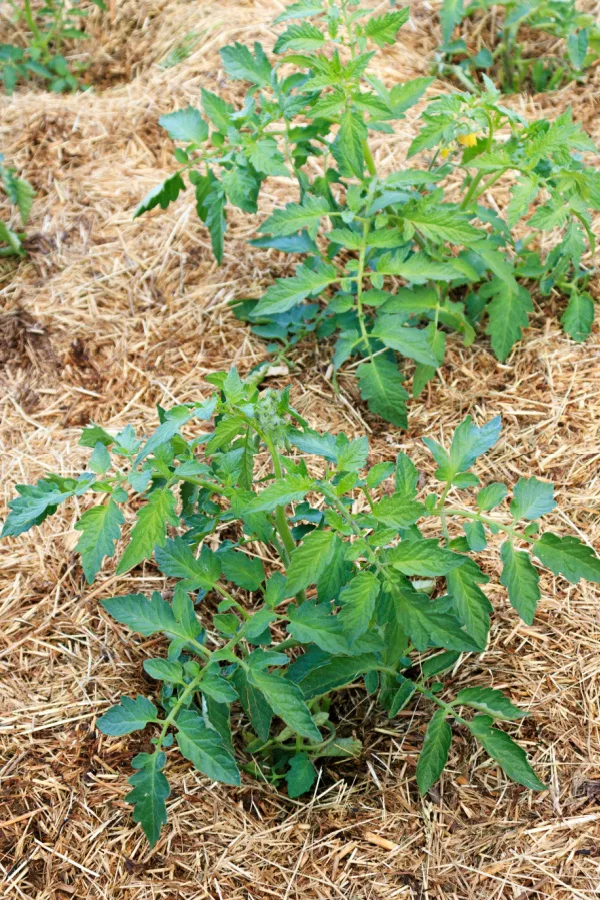
Straw is the classic choice. Two to four inches around the base cuts soil moisture swings by roughly half in aggregate extension trials. Shredded leaves, dried grass clippings, or wood chips work too.
Plastic mulch has fans in commercial fields but traps heat that can push cracking in a hot summer. Black plastic warms early-season soil. Red or reflective plastic can boost yield.
Neither buffers rainfall the way organic mulch does.
| Mulch Type | Moisture Buffer | Best For |
|---|---|---|
| Straw (2 to 4 inches) | Excellent | Home gardens, wet climates |
| Shredded leaves | Very good | Free, sustainable option |
| Wood chips | Good | Long-season plants |
| Black plastic | Fair | Cool climates, weed control |
| Bare soil | Poor | Not recommended |
Pair mulch with a drip line under it. The mulch traps moisture and the drip delivers it right where roots need it. That combination keeps soil moisture flat even when the weather isn't.
Crack-Resistant Tomato Varieties Worth Growing
Genetics carry a lot of the load. If you garden in a rainy climate or a hot summer zone, choosing the right variety solves half the problem before you plant.
Look for the phrase "crack resistant" or "crack tolerant" on seed packets and catalog descriptions. Breeders selecting for thicker cuticles and slower fruit expansion have produced a solid list of reliable hybrids.
| Variety | Type | Notes |
|---|---|---|
| Mountain Fresh Plus | Slicer hybrid | Strong crack resistance, disease tolerant |
| Celebrity | Slicer hybrid | AAS winner, holds up in wet weather |
| Jet Star | Slicer hybrid | Low acid, thick skin |
| Big Beef | Beefsteak hybrid | Large fruit, resists radial cracking |
| Juliet | Grape hybrid | Nearly split-proof, heavy producer |
| Sun Gold | Cherry hybrid | Rare crack-resistant cherry |
Heirlooms like Brandywine, Cherokee Purple, and Black Krim taste incredible but split easily. Keep them for flavor beds, and plan to harvest them early during wet stretches.
Paste tomatoes such as Roma and San Marzano have thicker walls and rarely crack. That's part of why they hold up so well for sauce and canning.
Rescue Steps for Fruit That's Already Split
A fresh, shallow crack on an otherwise healthy tomato is usually fine to eat. Pick it that day and use it fast. Once the skin tears, insects and fungi have a doorway in.
Inspect the crack before deciding what to do next. Clean tears with no mold, ooze, or sour smell means the fruit is still good. Anything else goes to the compost or trash.
- Harvest cracked ripe fruit immediately, even if slightly under color.
- Rinse the outside, dry it, and use within one to two days.
- Cut around the crack when slicing. Discard any darkened flesh underneath.
- Don't can or ferment cracked tomatoes. Contamination risk is too high per USDA canning safety guidance.
- Toss fruit with deep cracks, mold, ants, or a fermenting smell.
For green cracked tomatoes, ripen them on the counter stem-side down. Check daily for spoilage. If the split stays clean, they'll usually finish ripening in three to seven days at room temperature.
Wet weather is coming? Do a preemptive harvest. Pick every fruit at the breaker stage or beyond, and finish them indoors.
It looks aggressive, but it saves the crop.
Common Mistakes That Make Cracking Worse
Even good gardeners repeat these. Skip them and cracking rates drop fast.
- Watering only when plants look thirsty. Wilting is already stress, and the correction floods the root zone.
- Skipping mulch to "let the soil breathe." Bare soil dries out three times faster.
- Feeding heavy nitrogen mid-season. It grows leaves and weak fruit skins.
- Leaving ripe fruit on the vine "just one more day." That's when most splits happen.
- Overhead watering in the evening. It wets foliage and swings soil moisture.
- Ignoring container drainage. Waterlogged pots trigger cracks as roots swing between drowning and drought.
When to Harvest Early to Beat the Crack
Pull the trigger at the breaker stage when rain, heat, or over-ripening looms. Waiting costs more fruit than picking a day early.
The breaker stage is the moment blossom-end color shifts from green to pink or yellow. Per USDA maturity grading, breaker-stage tomatoes ripen fully off the vine with minimal flavor loss.
- Watch the forecast. A 70 percent chance of heavy rain is a harvest trigger.
- Pick anything showing color break, plus mature green fruit if a storm is major.
- Ripen at 65 to 70°F, out of direct sun, stem-side down.
- Never refrigerate ripening tomatoes. Cold destroys flavor and texture below 55°F.
Long-Term Fixes for Next Season's Crop
Cracking prevention starts before you plant. Fix the system, and the symptoms fade.
Rebuild soil with 2 to 3 inches of compost in fall or early spring. Better soil structure holds moisture more evenly. Test soil pH, aiming for 6.2 to 6.8, and add calcium if levels are low.
Plan variety selection around your climate. In humid regions with summer storms, lean on crack-resistant hybrids. Reserve one bed for heirlooms and manage it more actively with early harvests.
Install permanent drip lines on a timer before planting. Set up shade cloth frames you can drop over plants during heat waves. Small infrastructure fixes now save hundreds of tomatoes later.
Frequently Asked Questions
Are cracked tomatoes safe to eat?
Yes, if the crack is fresh, clean, and shows no mold, ooze, or sour smell. Pick the fruit right away, rinse the outside, and use it within a day or two. Cut around the split when slicing.
Skip canning or fermenting cracked fruit due to contamination risk per USDA guidance.
Why do only some of my tomatoes crack?
Ripening fruit cracks first because the cuticle has softened. Green fruit on the same plant stays intact because its skin is still elastic. Variety matters too.
Thin-skinned heirlooms on the same vine as thicker-skinned hybrids will crack while the hybrids stay clean after the same rainstorm.
Will calcium spray stop tomato cracking?
Not directly. Calcium sprays help with blossom-end rot, not cracking. Cracks are a water and skin elasticity problem, not a nutrient deficiency.
Consistent watering, mulch, and crack-resistant varieties do far more than any foliar spray. Fix moisture first.
How much water do tomato plants need to prevent splitting?
Roughly 1 to 1.5 inches per week, delivered slowly and evenly through drip irrigation. In peak summer heat, that can climb to 2 inches. The key is consistency, not volume.
Two or three deep waterings beat daily shallow sprinkles every time.
Do cherry tomatoes crack more than large tomatoes?
Often yes. Thin-skinned cherry varieties like Sweet 100 crack after almost any rain event. Grape tomatoes such as Juliet resist splitting far better.
If cracking cherry tomatoes are ruining your harvest, switch cultivars rather than trying to out-water the problem.
Your Quick Decision Guide for a Crack-Free Harvest
Diagnose first, act second. Radial splits after rain mean fix your watering rhythm and mulch. Concentric rings during heat mean shade cloth and steady morning irrigation.
Splits only on ripe fruit mean harvest at the breaker stage from now on.
For chronic cracking every season, the fastest win is variety. Plant Mountain Fresh Plus, Celebrity, Juliet, or Big Beef for reliable slicers and snackers that hold their skin. Keep heirlooms for flavor beds and pick them early during wet weeks.
Set drip irrigation on a timer. Lay down 2 to 4 inches of straw mulch. Watch the forecast, harvest ahead of storms, and ripen indoors.
Do those four things and cracking stops being the story of your tomato season.

Similar Posts