Are Garden Hose Threads NPT? What You Need to Know
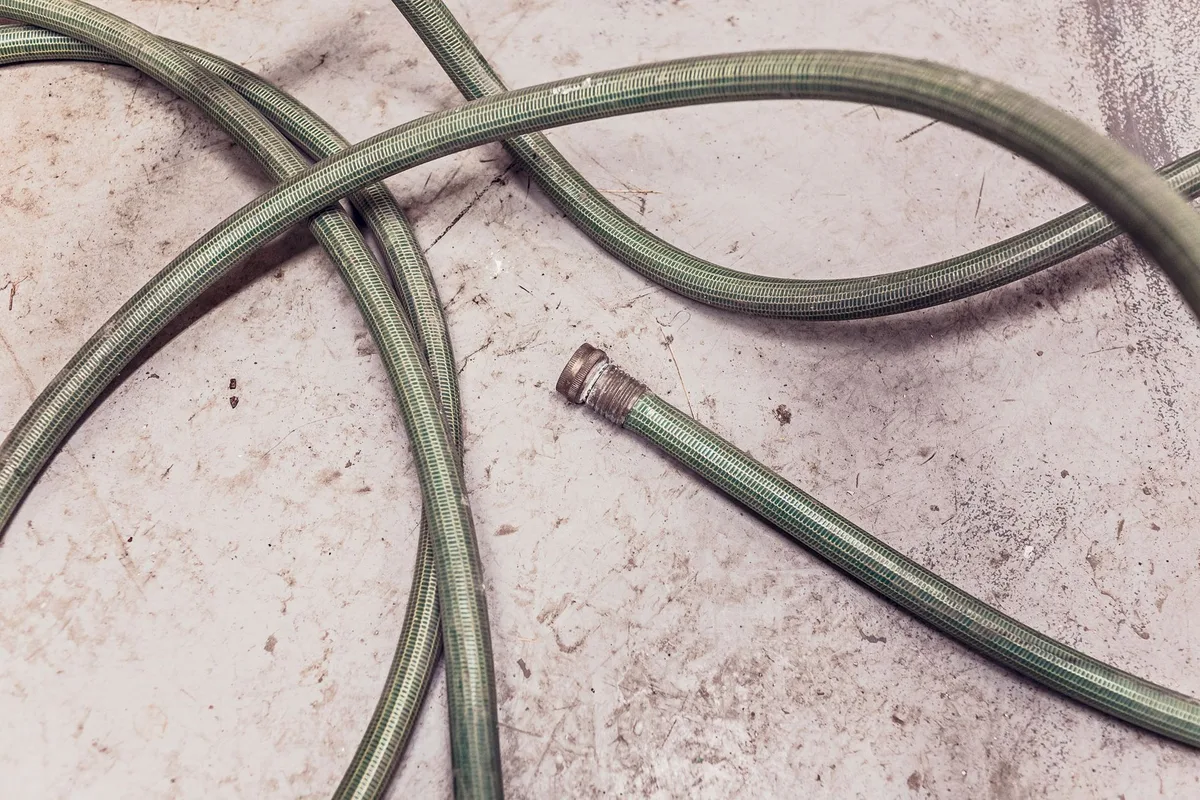
If you've ever tried to screw a garden hose onto a threaded pipe fitting and watched it bind halfway, you're asking the right question: are garden hose threads NPT? The short answer is no. Garden hose threads and NPT pipe threads look almost identical, but they follow two separate standards.
Force them together and you get leaks, or worse, stripped brass.
Here's the number that trips everyone up. A standard 3/4 inch garden hose uses GHT, a straight thread cut at 11.5 threads per inch. A 3/4 inch NPT fitting runs at 14 threads per inch and tapers as it goes in.
As of 2026, that mismatch is still the top reason hose-to-pipe connections fail. Let's break down why.
Quick Answer
Garden hose threads are not NPT. They use a standard called GHT, short for garden hose thread. GHT is a straight 3/4 inch thread cut at 11.5 threads per inch.
It seals against a rubber washer, not thread tape. NPT is a tapered pipe thread cut at 14 threads per inch. The two are not interchangeable without an adapter.
Why People Mix Up Garden Hose Thread and NPT
The confusion is understandable. Both threads sit right around the same 3/4 inch nominal size. Both use a 60 degree thread form.
To the naked eye, a hose fitting and a pipe fitting can look like twins.
But "nominal size" is a naming convention, not a measurement. A 3/4 inch garden hose thread actually measures about 1 1/16 inch across the outside. A 3/4 inch NPT thread measures closer to 1.05 inch and shrinks slightly along its length.
So the labels match while the parts don't.
The other trap is that they'll start to thread together. You'll get a turn or two before the pitch and taper fight each other. That false start fools people into cranking harder, which is exactly when threads gall and strip.
If your outdoor spigot sits near a decorative garden border, the last thing you want is a cracked brass bib leaking against a wooden post.
What Garden Hose Thread (GHT) Actually Is
Garden hose thread, also called GHT or NH (national hose), is the standard used on nearly every consumer hose and spigot in the US. It's a straight, parallel thread. That means the diameter stays constant from the first thread to the last.
The full callout is 3/4"-11.5NH. You'll also see it written as GHT or NHR (garden hose regular). Male hose thread is labeled MHT, and female hose thread is FHT.
The 3/4"-11.5NH Standard
Every consumer garden hose in the US shares one thread size, no matter the brand. That's the whole point of GHT. It's why a hose from one maker screws onto a nozzle from another without any drama.
Here's what defines it:
- Nominal size: 3/4 inch
- Thread pitch: 11.5 threads per inch
- Thread type: straight (parallel), not tapered
- Major diameter: roughly 1 1/16 inch (1.0625 inch)
- Common materials: brass, zinc, stainless steel, or reinforced nylon
Worth noting: the 3/4 inch refers to the thread, not the hose's inner diameter. Plenty of "3/4 inch GHT" hoses have a 5/8 inch inside bore. Thread size and water-flow size are two different specs.
Why It Seals With a Washer, Not Tape
GHT seals on a flat rubber washer, not on the threads themselves. Because the thread is straight, the male and female parts don't wedge tight the way tapered threads do. Instead, you tighten by hand until the washer squishes flat and blocks the water.
That's why a fresh washer matters so much. A cracked or missing one is behind most drips at the spigot and nozzle. Never wrap a GHT connection in thread tape.
Tape does nothing for a washer seal and can gum up the fitting.
What NPT Thread Is and How It Differs
NPT stands for National Pipe Taper. It's the standard threading for pipes and pipe fittings across North America, governed by the ANSI/ASME B1.20.1 pipe thread standard. Unlike GHT, an NPT thread is cut on a taper, so it gets narrower toward the tip.
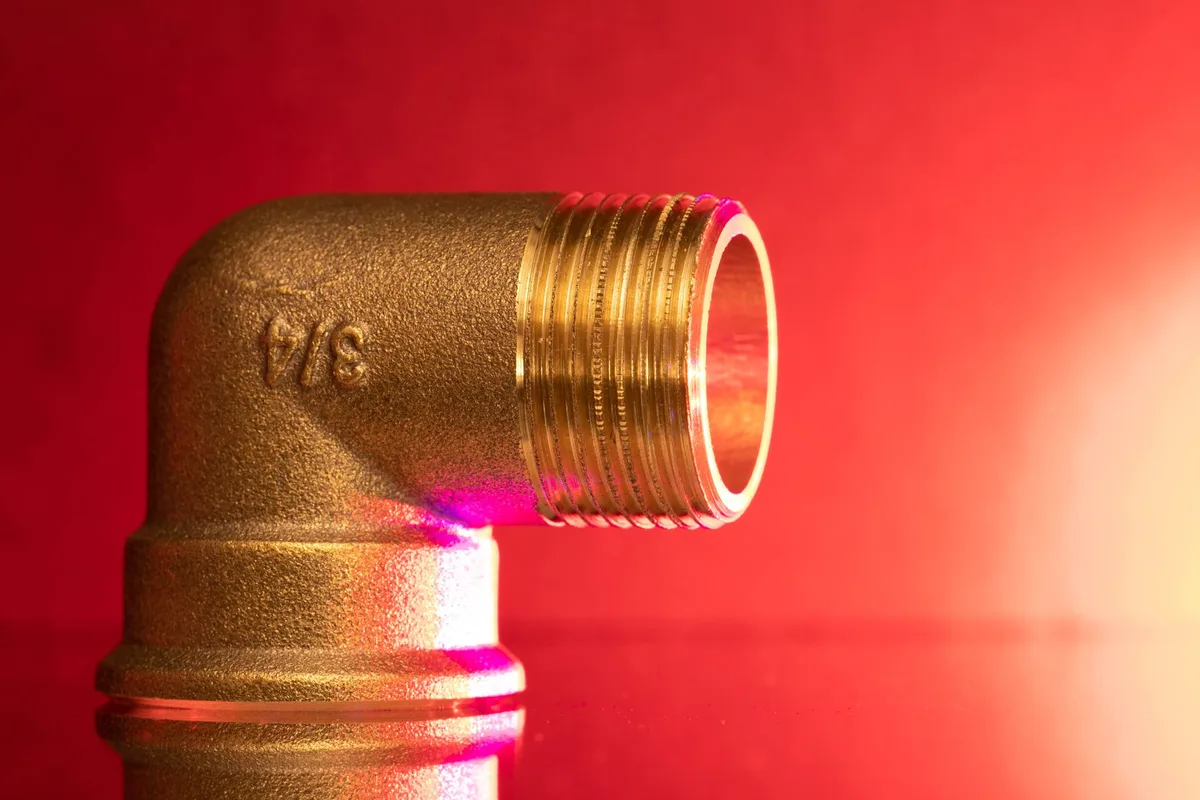
That taper is the heart of the difference. As you turn an NPT fitting in, the threads wedge tighter and tighter against each other. The seal comes from metal biting into metal, not from a washer.
The Tapered Design and 14 TPI Pitch
A 3/4 inch NPT thread is cut at 14 threads per inch. Compare that to GHT's 11.5, and you can already see why they won't play nice. The threads are spaced differently, so they can't fully mesh.
Key NPT traits for the 3/4 inch size:
- Thread pitch: 14 threads per inch
- Thread type: tapered, about 1 degree 47 minutes per side
- Major diameter: roughly 1.05 inch at the reference point
- Seal: thread-to-thread wedging, metal on metal
The finer 14 TPI thread also feels tighter and shallower than the coarser 11.5 TPI of a hose thread. Once you know the feel, you can often tell them apart by hand.
Why NPT Needs Thread Tape or Sealant
NPT relies on the threads themselves to seal, so it needs help filling the tiny gaps. That's where PTFE tape (Teflon tape) or a liquid pipe dope comes in. You wrap the male threads two or three times, then thread and wrench the joint snug.
Skip the tape and an NPT joint tends to weep under pressure. This is the exact opposite of GHT, where tape is useless and the washer does the work. Getting this backward is a classic mistake, and we'll come back to it later.
GHT vs NPT: Side-by-Side Thread Comparison
Put the two standards next to each other and the incompatibility is obvious. Same nominal name, different everything else.
| Feature | Garden Hose Thread (GHT) | 3/4 inch NPT |
|---|---|---|
| Full callout | 3/4"-11.5NH | 3/4"-14 NPT |
| Thread pitch | 11.5 TPI | 14 TPI |
| Thread shape | Straight (parallel) | Tapered |
| Major diameter | ~1.0625 inch | ~1.05 inch |
| How it seals | Rubber washer | Metal-to-metal + tape |
| Tightening | Hand-tight | Wrench-tight |
| Typical use | Hoses, spigots, nozzles | Pipe, valves, plumbing |
The takeaway is simple. GHT is a hose standard built around a washer. NPT is a pipe standard built around a taper.
They share a size label and nothing that actually lets them seal together. To join the two worlds, you need the right adapter, which is exactly what we'll cover next.
How to Tell Which Thread You're Looking At
You can identify the thread in under a minute with a ruler and a sharp eye. Grab the fitting, measure the outside diameter of the male thread, then count the threads. Those two numbers settle it almost every time.
Measuring Diameter and Counting Threads Per Inch
Start with a caliper or a tape measure across the widest part of the male thread. A reading near 1 1/16 inch points to GHT. A reading closer to 1.05 inch that visibly narrows toward the tip points to NPT.
Now count the threads across one inch:
- 11 to 12 threads per inch means garden hose thread
- 14 threads per inch means 3/4 inch NPT
If you own a thread pitch gauge, even better. Match the blade that seats cleanly into the grooves and read the pitch off the tool. No guessing.
Straight vs Tapered: The Feel Test
Look down the length of the thread from the side. GHT stays the same width end to end. NPT gets visibly skinnier toward the opening, like a shallow cone.
The finger test backs this up. Run a fingernail along the crest of the threads. A hose thread feels coarse and even.
An NPT thread feels finer and slightly stepped as the taper climbs.
What Happens If You Force GHT Onto NPT
Force the two together and you'll damage one or both parts, usually the softer brass. The threads start to mesh for a turn, then the 11.5 and 14 TPI pitches collide. Keep twisting and the crests shear off.
This is called cross-threading, and it's a one-way trip. Once brass threads gall, they won't seal again. You'll see shiny scraped metal and often a fitting that no longer spins freely.
Even if you muscle it "tight," the joint won't hold. There's no washer seating and no proper taper wedge, so water finds the gaps. Under normal household pressure of 40 to 60 psi, that shows up as a steady drip or a fine spray.
Stop at the first sign of binding and reach for an adapter instead.
Choosing the Right GHT-to-NPT Adapter
An adapter is the correct fix, and it's cheap. A GHT-to-NPT adapter has one thread standard on each end, so it bridges the hose world and the pipe world in a single fitting. Pick the wrong orientation, though, and it still won't connect.
These adapters are everywhere, from hardware stores to the plumbing aisle. Whether you're feeding a drip line along a metal grid boundary or plumbing a hose to a utility sink, the right adapter makes it hand-tight and leak-free.
Matching Male and Female Ends
Get the male and female ends right before you buy. A male thread has the threads on the outside. A female thread has them on the inside.
You always pair a male end with a female end.
Here's a quick decoder for common jobs:
| You have | You need | Adapter to buy |
|---|---|---|
| Male hose thread (hose end) | NPT pipe inlet | FHT to Male NPT |
| Female hose thread (spigot) | Male NPT pipe | MHT to Female NPT |
| Male NPT pipe stub | Garden hose | Male NPT to FHT |
Read the package label carefully. FHT means female hose thread, MHT means male hose thread, and NPT is spelled out or shortened to MPT and FPT.
Brass vs Plastic Adapters
Brass and plastic both work, but they suit different jobs. Brass handles higher pressure, resists cracking, and lasts for years outdoors. Reinforced plastic or nylon costs less and won't corrode, but it strips more easily if overtightened.
For a permanent spigot connection, brass is the safer bet. For a temporary hookup or a low-pressure drip system watering your indoor greenery, plastic is fine. Either way, buy lead-free brass if drinking water ever passes through the line.
Connecting a Garden Hose to Pipe Thread Step by Step
With the right adapter in hand, the connection takes a couple of minutes. The key is remembering which side gets tape and which side gets a washer. Mix that up and you'll be back out there chasing a leak.
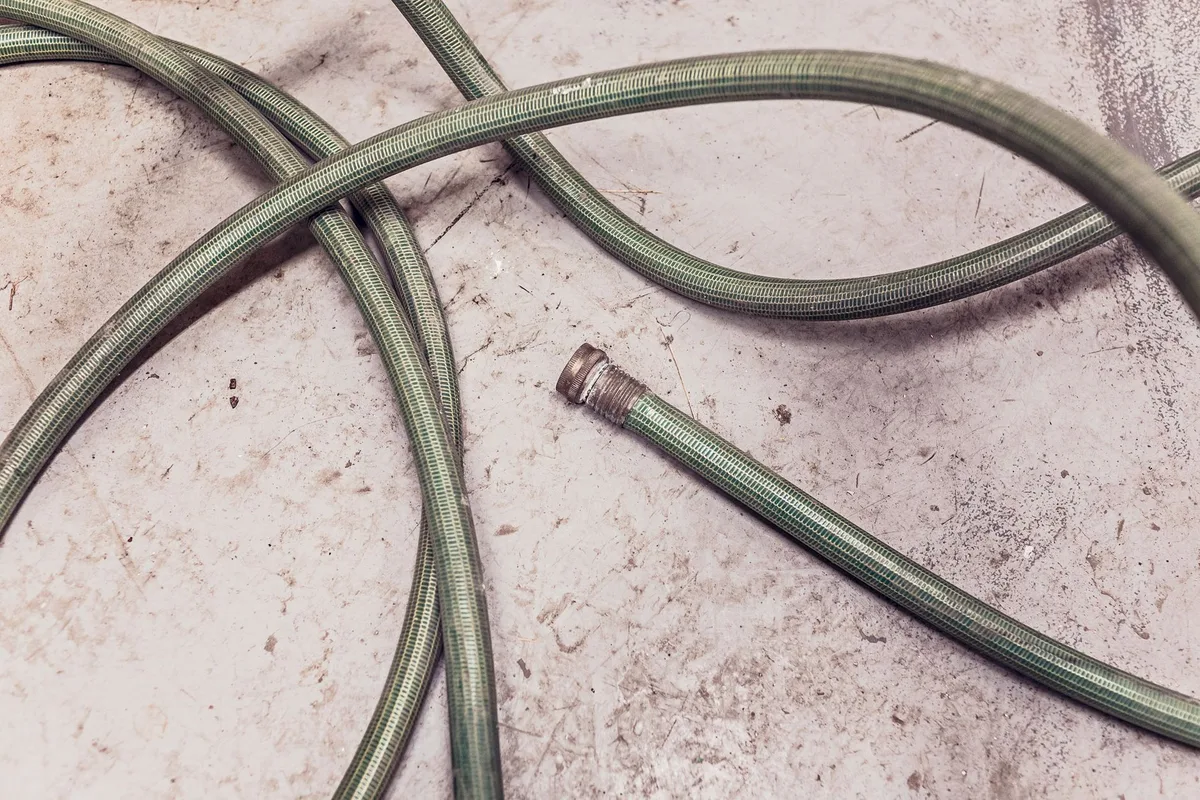
Follow these steps:
- Identify each thread using the diameter and TPI checks above.
- Wrap the NPT (pipe) male threads with two or three turns of PTFE tape, going clockwise.
- Thread the NPT side together by hand, then snug it with a wrench about one to two turns past hand-tight.
- Check the GHT side. Seat a fresh rubber washer inside the female hose fitting.
- Hand-tighten the hose onto the GHT end. No wrench, no tape on this side.
- Turn the water on slowly and watch both joints for drips.
If the NPT joint weeps, back it off, add another wrap of tape, and retighten. If the GHT joint drips, the washer is missing, worn, or not seated flat. Swap in a new washer before you blame anything else.
Where BSP and Other Standards Come In
Step outside the US and the hose thread changes. Much of the UK, Europe, and Australia uses BSP (British Standard Pipe) for plumbing, and many hoses there rely on push-fit or quick-connect couplings instead of GHT. So an American adapter won't always match imported gear.
BSP itself comes in two flavors that matter. BSPT is tapered, a bit like NPT, and BSPP is parallel, sealed with a bonded washer. The thread angle also differs: BSP uses 55 degrees, while NPT uses 60.
They look close but won't seal reliably against each other.
The practical lesson is to check the origin of your fittings. If you've ordered a hose timer or splitter from overseas, confirm whether it's GHT or BSP before you buy adapters. When in doubt, match the standard stamped on the part rather than trusting the size label alone.
Lead-Free Brass and Drinking-Water Safety
If the water ever ends up in a glass, use lead-free brass fittings. Standard brass can contain small amounts of lead that leach into water sitting in the fitting. That matters for RV hookups, kitchen hoses, and any potable line.
Look for fittings marked to NSF/ANSI 61 and NSF/ANSI 372. Those certifications confirm the brass meets low-lead limits for drinking water. Most reputable manufacturers stamp or label compliant parts clearly.
One more safety note: outdoor spigots should have a backflow preventer or vacuum breaker. It stops dirty hose water from siphoning back into your home supply. Many hose bibbs include one built in.
Common Thread Mistakes That Cause Leaks
Most hose-to-pipe leaks trace back to a handful of repeat offenders. Knowing them saves you a second trip to the hardware store.
- Putting PTFE tape on a GHT joint. Tape does nothing on a washer seal.
- Skipping tape on the NPT side. Tapered threads need it to seal.
- Reusing a flattened or cracked washer instead of fitting a fresh one.
- Overtightening plastic adapters until the threads strip.
- Buying the wrong male/female pairing and forcing it anyway.
- Trusting the "3/4 inch" label without checking the actual thread standard.
Our research into buyer feedback shows worn washers top the list by a wide margin. Keep a few spare rubber washers on hand. They cost pennies and fix the most common drip.
This kind of small upkeep keeps outdoor plumbing reliable, the same way a well-planned privacy screen refresh keeps a yard looking sharp.
Specs, Sizes, and Adapter Costs at a Glance
Here's the quick-reference sheet for the numbers that matter. Prices reflect typical US retail as of 2026 and vary by material and brand.
| Item | Spec or price |
|---|---|
| Garden hose thread | 3/4"-11.5NH, straight |
| 3/4 inch NPT | 14 TPI, tapered |
| GHT major diameter | ~1.0625 inch |
| Household water pressure | 40 to 60 psi |
| Brass GHT-to-NPT adapter | roughly $4 to $12 |
| Plastic adapter | roughly $3 to $7 |
| Replacement hose washers | a few dollars per pack |
For an occasional connection, a plastic adapter does the job. For anything permanent or pressurized, brass earns its slightly higher price. Either way, an adapter costs far less than replacing a spigot you cross-threaded.
You'll find more outdoor how-tos on our gardening notes if you want to dig deeper.
Frequently Asked Questions
Is a garden hose thread the same as a pipe thread?
No. A garden hose thread is GHT, a straight 3/4"-11.5NH thread that seals on a rubber washer. A pipe thread is usually NPT, a tapered 14 TPI thread that seals on tape and metal.
They share a size label but are not compatible without an adapter.
Can I screw a garden hose directly onto an NPT fitting?
Not reliably. The threads will start to engage, then bind because the pitch and taper differ. Forcing it strips the brass and still leaks.
Use a GHT-to-NPT adapter to join them cleanly.
What size is a standard garden hose thread?
A standard US garden hose uses 3/4"-11.5NH thread. The male thread measures about 1 1/16 inch across the outside. Remember, that thread size is separate from the hose's inner diameter, which is often 5/8 inch.
Do I need Teflon tape on a garden hose connection?
No. GHT connections seal on a rubber washer, so tape adds nothing and can clog the fitting. Save the PTFE tape for the NPT pipe side of any adapter.
On the hose side, a fresh washer and hand-tightening are all you need.
The Verdict: GHT, NPT, and Getting the Right Fit
Garden hose threads follow the GHT standard, not NPT. One is a straight thread built around a washer. The other is a tapered pipe thread built around tape and metal-to-metal wedging.
Same size label, different rules.
The fix is simple and cheap. Match your male and female ends, grab a lead-free brass GHT-to-NPT adapter, and tape only the pipe side. Do that, and your hose connects to almost any threaded fitting without a single drip.
If you want more practical yard fixes, the team behind our garden guides keeps adding them.

Similar Posts