Can I Connect a Garden Hose to My Washing Machine?
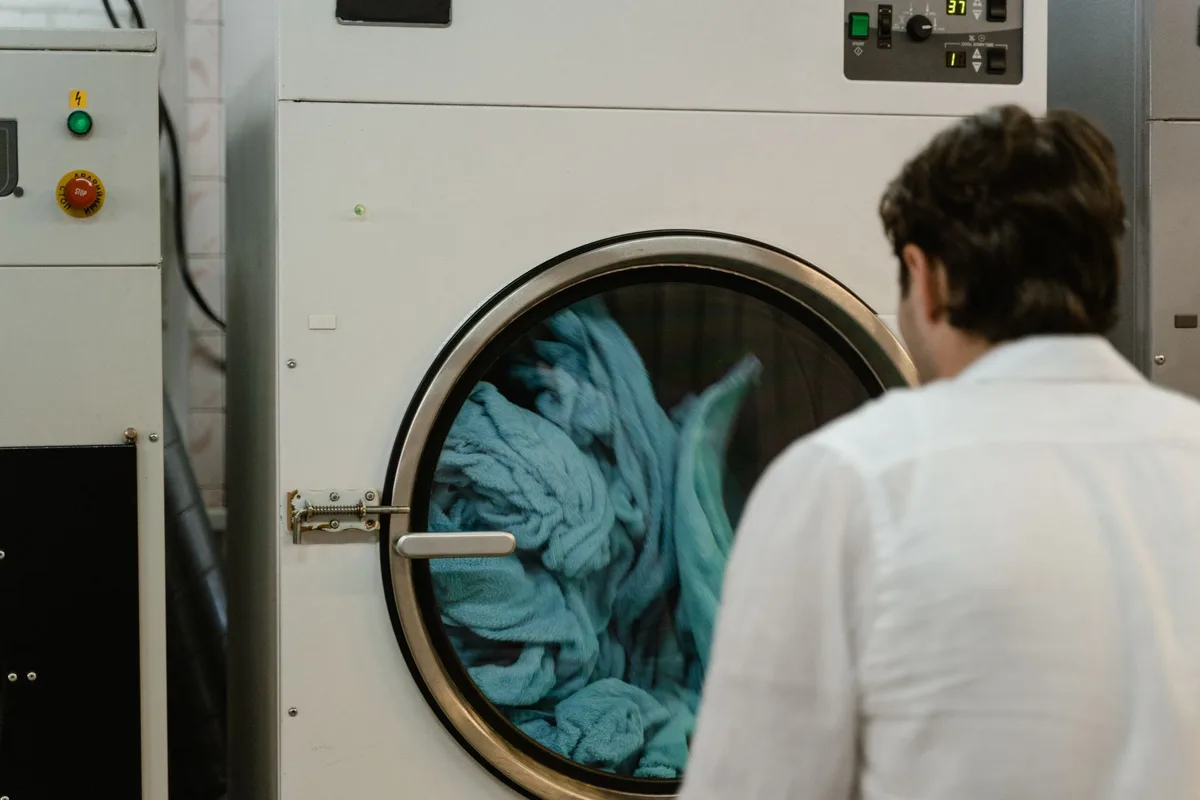
Wondering "can I connect a garden hose to my washing machine" usually means one of two things. Either you want to feed water into the machine, or you want to drain water out of it. Those are two very different jobs.
And the honest answer flips depending on which one you're after.
Here's the short version. A garden hose can work fine as a temporary drain line. It's a poor and often unsafe choice for the water supply, mainly because garden hose thread (GHT, sized 3/4"-11.5) doesn't match most machine inlet fittings.
Garden hoses also aren't built for constant mains pressure, which sits around 40 to 80 psi in a typical home. As of 2026, that pressure mismatch is still the top reason DIY hookups leak or burst. Let's break down when a hose is safe and when it's asking for a flood.
Quick Answer
Yes, you can connect a garden hose to your washing machine, but only for draining. Use it to carry drain water outside or into a floor drain. Don't use a garden hose as the fill line.
The threads rarely match, and the hose can burst under constant mains pressure. Always turn off the tap when the machine isn't running.
Can You Actually Connect a Garden Hose to Your Washing Machine? The Short Answer
The real answer depends on which hose you mean. That single detail changes everything, so let's separate the two jobs.
- If you mean the drain hose, then yes. A garden hose can carry used water to a yard, floor drain, or utility sink. It's a common temporary fix.
- If you mean the fill hose (the supply line), then no, not safely. Garden hose threads don't match standard washer inlets, and the hose isn't rated for round-the-clock pressure.
Think of it as low risk versus high risk. Draining is gravity work, so a garden hose handles it fine. Filling puts the hose under live pressure for as long as the tap stays open.
That's where cheap hookups fail.
One more thing to flag early. Using non-approved hoses on the supply side can void your manufacturer warranty. So even where a workaround seems to hold, it may cost you later.
Fill Hose vs Drain Hose: Which Connection Are You Really Asking About?
Your washing machine has two totally different hoses, and people mix them up constantly. Getting this right is the whole game.
The fill hose (also called the inlet or supply hose) carries clean water from the tap into the machine. It stays under pressure whenever the tap is open. The drain hose carries dirty water out, usually into a standpipe, sink, or drain.
It only sees water when the pump pushes it.
Here's a quick side-by-side.
| Feature | Fill / Supply Hose | Drain Hose |
|---|---|---|
| Job | Brings clean water in | Sends used water out |
| Under pressure? | Yes, constant when tap is open | No, only during pump cycles |
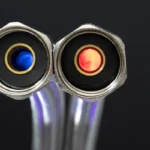
| Typical material | Braided stainless steel or reinforced rubber | Corrugated flexible plastic |
| Garden hose okay? | No, unsafe and non-standard | Yes, as a temporary line |
| Main risk | Burst, flood, thread mismatch | Kinks, siphoning, wrong height |
So before you buy a single adapter, answer this: are you feeding water in, or draining water out? If you're filling, a garden hose is the wrong tool. If you're draining, read on, because it can absolutely work.
Why Garden Hose Threads Don't Match Washing Machine Fittings
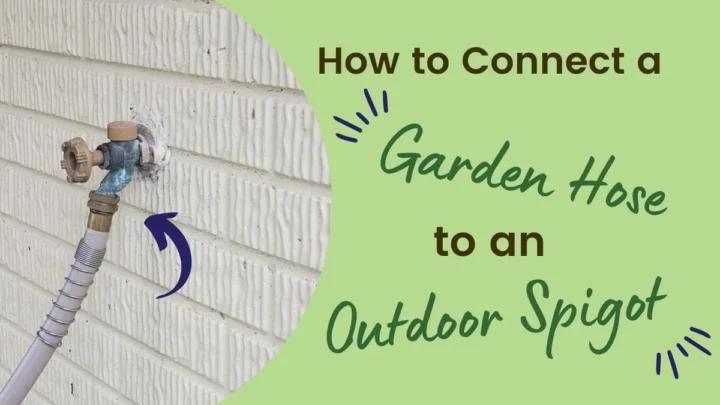
Garden hose thread and washing machine thread look similar, but they don't seal together properly. That mismatch is why a bare garden hose won't screw cleanly onto most inlet valves.
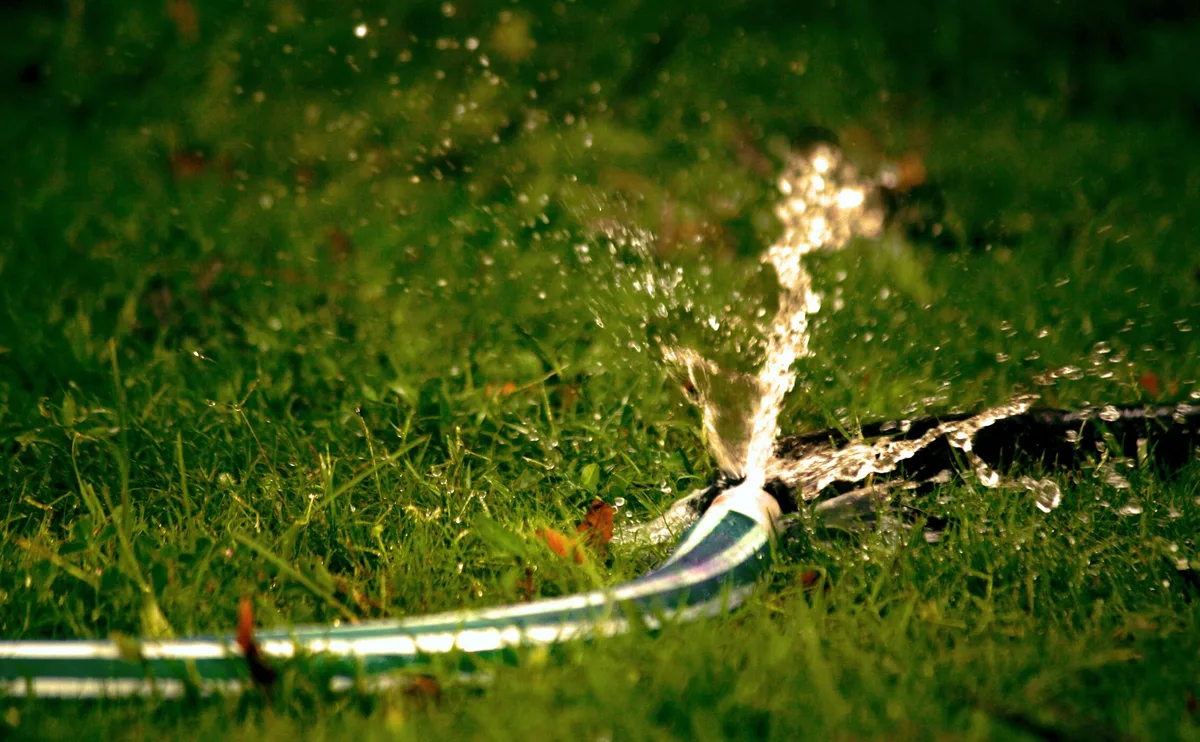
A standard garden hose uses GHT, short for garden hose thread. It measures 3/4 inch with 11.5 threads per inch, and it's a straight, coarse thread. Washing machine inlet connections use a different standard.
In the US they're a fine-thread fitting, and in the UK and EU you'll find 3/4" BSP (British Standard Pipe). Force the wrong thread together and you get a slow drip at best, a blown-off hose at worst.
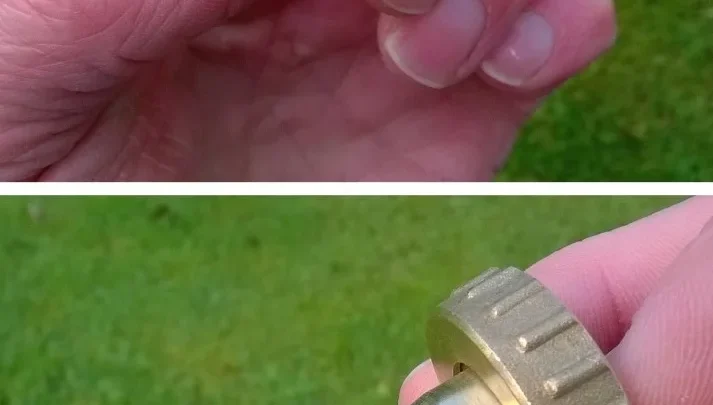
You'll spot the difference if you look closely. A garden hose end has wide, chunky threads and a big rubber washer. A washer inlet fitting has tighter, finer threads sized for a pressure seal.
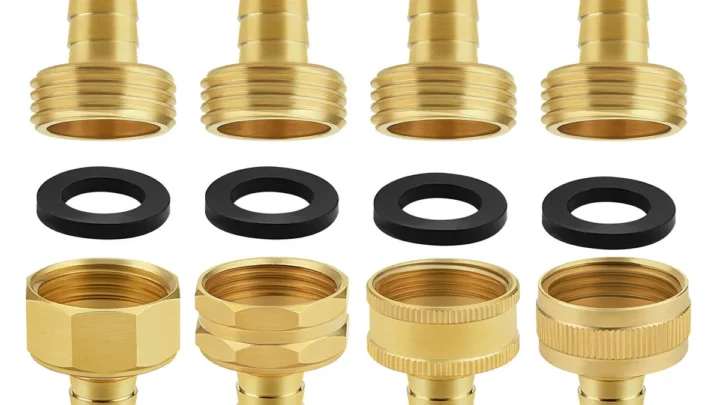
If you genuinely need to bridge the two, use a proper GHT adapter with a fresh rubber washer. A worn or missing washer is one of the most common leak points in aggregate user reports. Even then, an adapter solves the fit, not the pressure problem.
That's next.
The Pressure Problem: Why a Garden Hose Fails on the Fill Side
A garden hose can burst under constant household water pressure. This is the single biggest reason not to use one as a supply line, adapter or no adapter.
Home mains pressure usually runs between 40 and 80 psi. A washing machine's braided fill hose is built to sit under that pressure indefinitely, cycle after cycle. A garden hose isn't.
It's designed for intermittent outdoor use, and its working and burst tolerances are lower.
Now picture the failure. You connect a garden hose to the inlet, start a wash, then walk away. The tap stays open the whole time.
If the hose splits or the coupling lets go, water sprays at full pressure until someone notices. That's how laundry rooms flood.
Braided stainless steel supply hoses exist for exactly this reason. Many carry an auto-shutoff feature that stops the flow if the line ruptures. A garden hose gives you none of that protection.
The safe rule is simple: if water travels under pressure, use a hose rated for pressure.
When a Garden Hose Works Fine as a Temporary Drain Line
Draining is where a garden hose earns its keep. The drain side isn't under constant pressure, so the burst risk drops way down. That makes a hose a reasonable temporary solution.
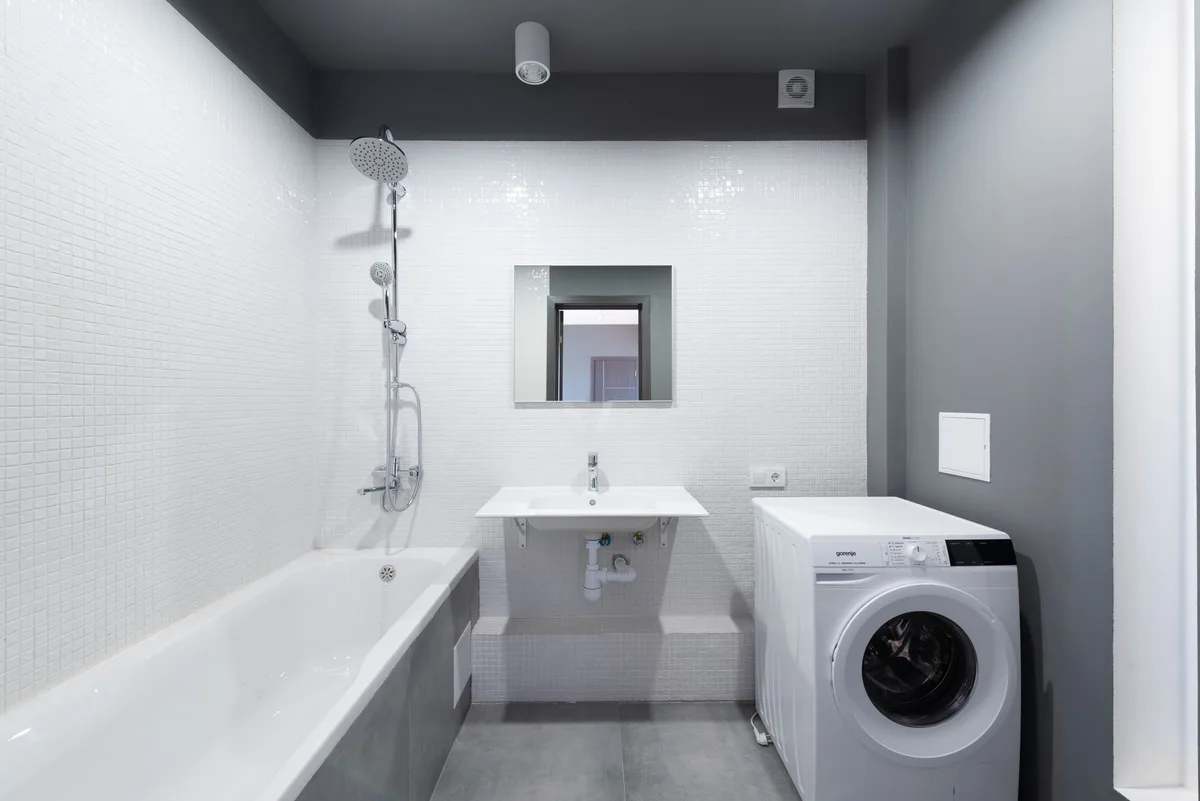
This setup suits a few common situations:
- A portable or compact washer with no plumbed drain
- Draining a machine outdoors, into a yard or floor drain
- Emptying the tub during a move, repair, or winterizing
- Sending used water toward the garden, where local rules allow it
A couple of ground rules keep it working. Match the drain hose height to your manual's range so the pump doesn't strain or siphon. Anchor the hose end so it can't whip loose.
And never seal the drain hose airtight into a pipe, since an air gap prevents dirty water backing up.
Planning to run laundry water onto plants? Check the detergent first. Salts and boron in some products can harm soil over time.
Rules on greywater reuse vary by region, and the EPA publishes general guidance on safe water reuse. Done thoughtfully, that runoff can help feed thirsty garden beds and borders during dry spells. For more seasonal ideas, our growing guides walk through the details.
One caution before you rely on this long term. A garden hose drain is a stopgap. For anything you'll use daily, a proper corrugated drain hose and a plumbed standpipe are safer.
Decision Branches: Match Your Situation to the Right Setup
Your best setup depends entirely on why you're connecting a hose. Here's the if/then logic, sorted by the four most common scenarios.
Portable or RV washer with no plumbing
If you own a compact or RV washer, use its faucet quick-connect adapter for filling, not a bare garden hose. These kits are sized for the tap and include the right seal. For draining, a garden hose into a sink or tub works fine.
Draining a washer outdoors or into a floor drain
If you're sending water outside, a garden hose is a solid temporary line. Run it to a floor drain, gravel bed, or well away from foundations. Keep the outlet lower than the machine's drain height so water flows freely.
If the run passes a boundary, tuck the hose along a privacy screen or fence line to keep it out of the way.
Extending a short drain hose to reach further
If your drain hose won't reach, extend it with a garden hose and a barbed coupler. Clamp both ends tight. Watch total height and length, because a long uphill run makes the pump work harder and can trip an error.
Setting up a permanent laundry connection
If this is a daily hookup, skip the garden hose entirely. Use a braided stainless steel fill hose and a proper corrugated drain hose into a standpipe. It's safer, code-friendly, and protects your warranty.
How to Connect It Safely, Step by Step
Take the fill side and drain side separately, because they follow different rules. Work slowly and test for leaks before you walk away.
Fill/supply side setup
Only do this with a pressure-rated hose, not a garden hose.
- Turn off the water at the tap before you start.
- Fit the correct adapter with a fresh rubber washer.
- Hand-tighten, then give it a quarter turn with pliers. Don't overtighten.
- Open the tap slowly and watch every joint for drips.
- Run a short cycle and check again once it's under full pressure.
Drain side setup and correct hose height
This is where a garden hose is fair game.
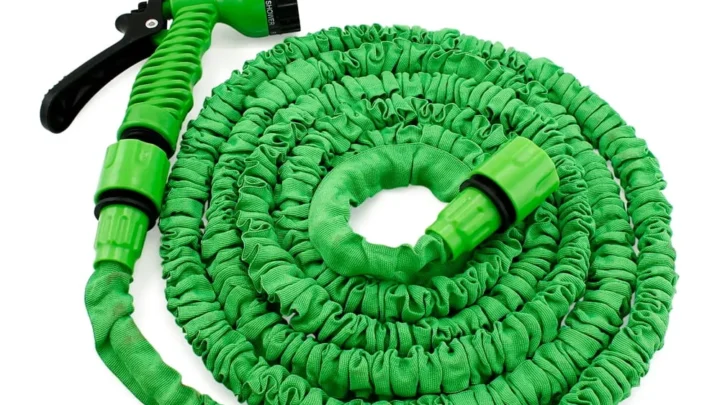
- Slide the garden hose over the drain outlet or use a barbed coupler.
- Secure it with a hose clamp so it can't blow off.
- Set the outlet height inside your manual's range. Many machines want the hooked end roughly 600 mm to 1 metre above the floor.
- Leave an air gap at the drain point. Never seal it airtight.
- Run a rinse cycle and confirm water flows out steadily with no backup.
Adapters, Washers, and Parts You'll Need
The right adapter and a good washer solve most connection headaches. You don't need much, and none of it is expensive.
| Part | Job | Rough Cost |
|---|---|---|
| GHT adapter | Bridges garden hose thread to the fitting | A few dollars |
| Rubber washer / O-ring | Seals the joint, prevents drips | Cents |
| Hose clamp | Locks the hose onto the drain outlet | A dollar or two |
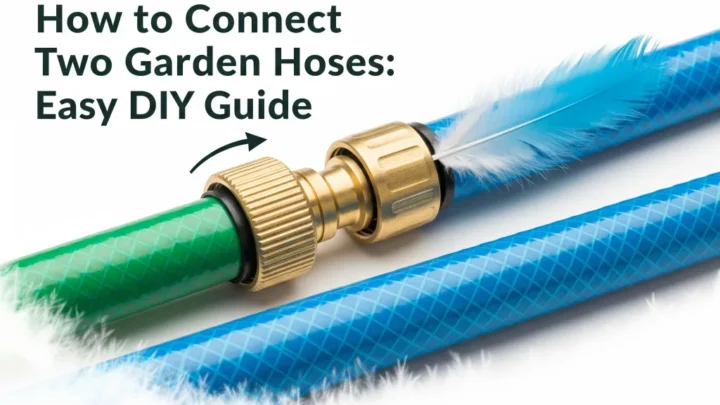
| Barbed coupler | Joins two hoses for an extension | A few dollars |
| Braided fill hose | Safe, pressure-rated supply line | Modest, above rubber |
A few buying notes. Always replace the rubber washer when you fit an adapter, since old ones harden and leak. Buy the adapter with the correct thread standard for your region, GHT in the US or BSP in the UK.
And match the clamp size to your hose diameter so it seats evenly.
Mistakes That Cause Leaks, Bursts, and Flooding
Most hose disasters trace back to a handful of avoidable errors. Knowing them up front saves you a soaked floor.
- Using a garden hose on the fill side and leaving the tap open. The classic burst-and-flood setup.
- Skipping the washer or reusing a cracked one. Expect a slow, sneaky drip.
- Overtightening the fitting. It crushes the washer and makes leaks worse.
- Setting the drain hose too high. The pump strains and may throw a drain error.
- Setting it too low or pushing it deep into a pipe. That siphons water out mid-cycle.
- Forgetting the hose clamp. Pump pressure can whip the hose right off.
One habit prevents half of these. Turn off the supply tap whenever the machine isn't running. A closed tap can't flood the room, even if a connection fails overnight.
If you spot a drip you can't trace, stop the cycle and dry every joint. Then run water slowly and watch where the first bead forms. That's almost always your failure point.
Backflow, Air Gaps, and Greywater Rules You Can't Skip
Backflow prevention protects your drinking water, and it's not optional. When a hose links dirty water to a clean supply, contaminated water can be siphoned back into the pipes if pressure drops.
Two safeguards handle this. An air gap at the drain point stops waste water from climbing back up. A backflow preventer or anti-siphon valve blocks reverse flow on connections that need it.
Most plumbing codes require one or both, so check local rules before a permanent install.
Greywater has its own limits. Laundry runoff carries detergent, lint, and sometimes salts that damage soil or plants. Where reuse is allowed, use a low-sodium detergent and spread the water widely instead of pooling it.
Aimed at the right spot, that runoff can quietly support low-maintenance cottage plantings through a dry stretch.
Rules vary a lot by region and season. Some areas ban untreated greywater outright, others encourage it during drought. When in doubt, ask your local water authority first.
Garden Hose vs Braided Fill Hose vs Corrugated Drain Hose
Each hose has one job it does well, and swapping them causes trouble. Here's how they stack up.
| Hose Type | Best For | Pressure Rated | Weak Spot |
|---|---|---|---|
| Braided stainless fill hose | Permanent water supply | Yes | Costs more than rubber |
| Corrugated drain hose | Permanent draining | No, gravity | Can kink if bent sharply |
| Garden hose | Temporary draining only | Not for constant use | Bursts under mains pressure |
The takeaway is simple. Braided fill hose wins the supply side for daily use. A corrugated drain hose is the proper permanent drain.
A garden hose is your temporary drain backup, nothing more.
What It Costs and How Long the Parts Last
The whole fix is cheap, which is why people reach for it. A GHT adapter and washer run a few dollars, and a hose clamp is pocket change. A quality braided fill hose costs more but buys real safety.
Lifespan matters too. Manufacturer specs commonly suggest replacing braided supply hoses around every five years, sooner if you spot bulges or rust. Rubber washers harden over time, so swap them at the first sign of a drip.
Pro Tips to Keep the Connection Leak-Free
A few small habits keep water where it belongs. These come straight from common failure patterns in aggregate user reports.
- Close the supply tap after every wash. Your best flood insurance.
- Inspect hoses and joints monthly for bulges, rust, or damp spots.
- Keep a clamp on any garden hose drain line, always.
- Don't kink or overbend a drain hose. Kinks trap water and stress the pump.
- Label your shutoff valve so anyone can kill the water fast.
Frequently Asked Questions
Can I use a garden hose as a washing machine drain hose permanently?
Not really. A garden hose works as a temporary drain, but it kinks easily and isn't built for daily laundry use. For a permanent setup, fit a proper corrugated drain hose into a standpipe with an air gap.
It's safer and code-friendly.
Will a garden hose fit my washing machine inlet?
Usually no. Garden hose thread (GHT) doesn't match standard washer inlet fittings, so you'd need an adapter. Even then, the hose isn't rated for constant mains pressure and can burst.
Use a braided fill hose for the supply side instead.
How high can the drain hose go?
Check your manual, but many machines want the hooked end roughly 600 mm to 1 metre above the floor. Too high and the pump strains. Too low and water siphons out mid-cycle, leaving clothes soaking.
Does connecting a garden hose void my warranty?
It can, especially on the fill side. Many manufacturers require approved hoses and connections, so a non-standard garden hose hookup may void coverage. Check your warranty terms before you rely on any workaround.
Can I drain my washing machine water onto the garden?
Sometimes, where local rules allow it. Use a low-sodium, plant-friendly detergent and spread the water widely instead of pooling it. Some regions ban untreated greywater, so confirm with your water authority first.
Your Quick Decision Guide: Connect, Adapt, or Avoid
Boil it down to one question: are you filling or draining?
- Draining temporarily? A garden hose is fine. Clamp it, set the right height, leave an air gap.
- Filling the machine? Avoid the garden hose. Use a pressure-rated braided fill hose and the correct adapter.
- Running laundry daily? Go permanent with proper hoses and a plumbed standpipe.
- Reusing water outdoors? Check greywater rules and detergent first.
Get the hose type right and the connection is safe, cheap, and quick. Get it wrong on the pressure side, and you're gambling with a flooded floor.

Similar Posts