How to Say “Garden Hose” in Spanish
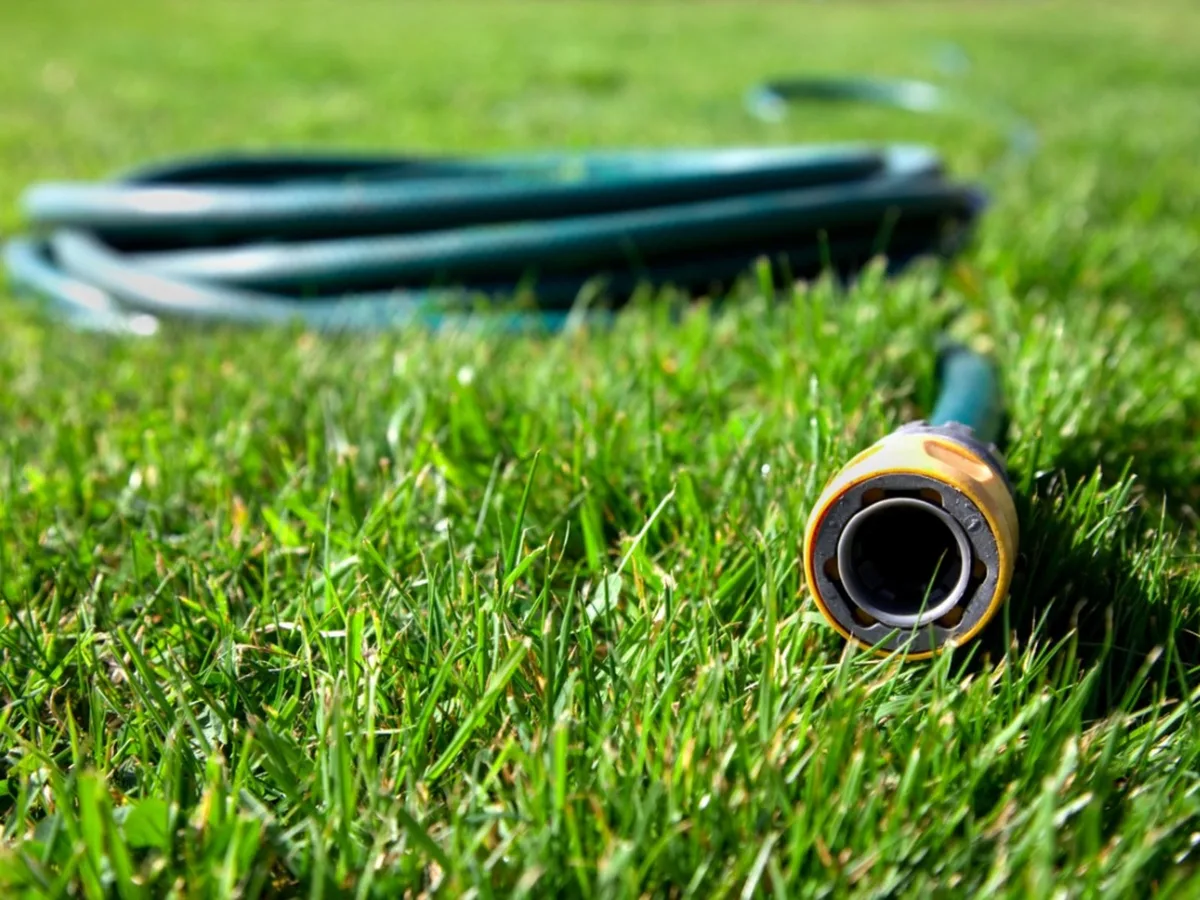
If you've been wondering how do you say garden hose in spanish, the word is manguera. It's used from Mexico City to Buenos Aires to Madrid, and it stays consistent across countries. One word, three syllables, universally understood.
Spanish is the official language of 20 countries, spoken by around 500 million native speakers as of 2026. Getting manguera right means more than knowing the word. You also need the correct article, the right pronunciation, and a handful of connected terms to hold your own in a real conversation.
The Quick Answer: "Manguera" Is the Spanish Word for Garden Hose
"Manguera" is how you say garden hose in Spanish. The full phrase is manguera de jardín. It's a feminine noun used the same way across every major dialect.
Spain and Latin America both use this word. You'll be understood everywhere Spanish is spoken.
How "Manguera de Jardín" Is Built: What Each Part Means
Manguera de jardín is a compound noun phrase built from three words, each carrying a specific role.
| Spanish | English | Role |
|---|---|---|
| manguera | hose | the main noun |
| de | of / for | linking preposition |
| jardín | garden | the noun modifier |
Spanish links two nouns with de instead of stacking them like English does. You see the same structure in taza de café (cup of coffee) or llave de agua (water tap). The main noun always leads.
In day-to-day speech, most people drop the full phrase and just say manguera. Whether you're talking about running water to the flowerbeds or pointing someone toward where the hose is kept, the short version works in nearly every context.
How to Pronounce Manguera Correctly (No Guesswork Required)
Break it into three syllables: man-GEH-rah.
- man sounds like the English word "man"
- GEH is like "get" without the t, hard g
- rah is a short, open vowel
The stress falls on the second syllable: man-GEH-rah.
English speakers almost always default to the first syllable, saying MAN-gweh-rah. That's the main mistake, and native speakers pick it up immediately.
The g in manguera is hard, like the g in "garden," not soft like the g in "gem." Before the letter u, Spanish g is always hard. Get that right and the word lands cleanly every time.
The Gender Rule You Can't Skip: It's La Manguera, Not El Manguera
Manguera is a feminine noun. Every article you pair with it must be feminine too.
- la manguera (the garden hose)
- una manguera (a garden hose)
- las mangueras (the garden hoses)
Never el manguera or un manguera. Both are wrong in every dialect of Spanish.
Gender agreement matters because articles and adjectives must match the noun. Saying el manguera stands out the same way "a umbrella" does in English. It's understood, but it marks you as a learner.
Nouns ending in -era are almost always feminine in Spanish. Lock in la manguera and the pattern starts to carry over naturally.
Which Spanish Are You Speaking? How Region Affects the Word You Use
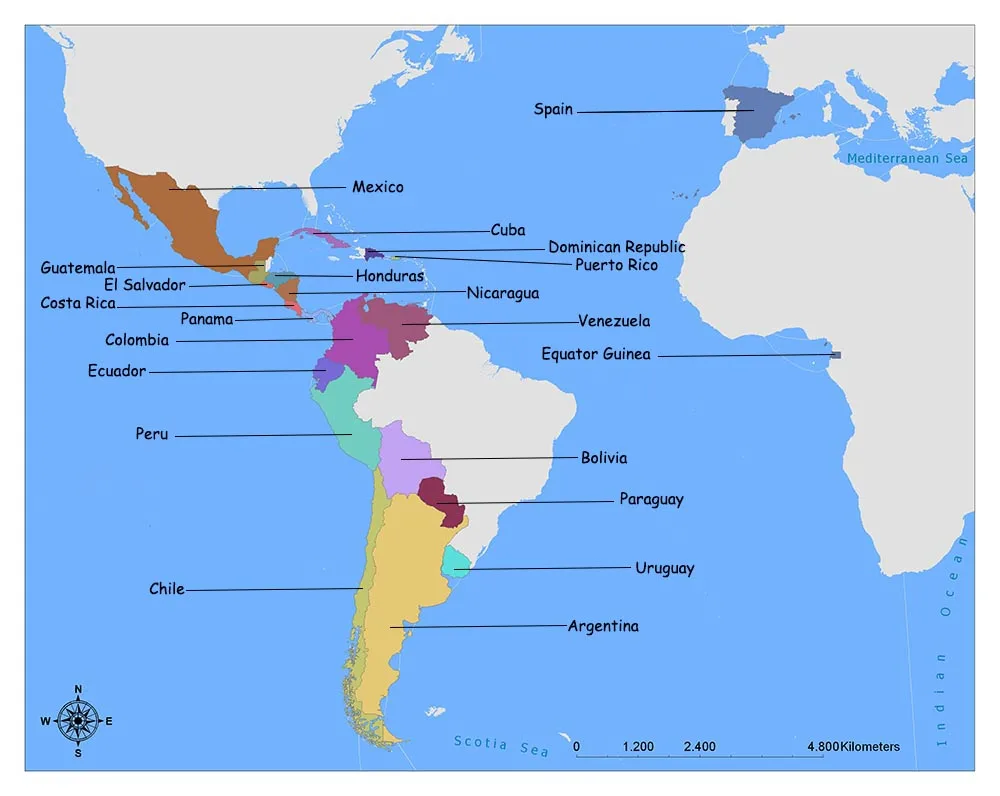
Spanish varies by region, but manguera is one of the most stable words in the language. Whether you're buying one in a ferretería in Guadalajara or chatting with a neighbor in Seville, the word is the same.
Mexico and Most of Latin America
Manguera is the universal standard across Mexico, Colombia, Argentina, Chile, Peru, Central America, and the Caribbean. It's what you'd ask for at a hardware store, use in a gardening tutorial, or say when rinsing off an outdoor surface. No regional substitute needed.
Spain
Spain uses manguera as the standard word. You may occasionally hear manga in older or rural speech, but it's not the modern term. Walk into any hardware store in Spain today and manguera is what gets you what you need.
The Real Academia Española, the official governing body for the Spanish language, defines manguera as a tube used to direct the flow of water. That definition covers garden hose use clearly across all Spanish-speaking territories.
U.S. Spanish-Speaking Communities
In the United States, Mexican-American Spanish is the dominant variety. Manguera is the expected word in landscaping, construction, and bilingual home settings. It's also what comes up when talking about keeping a hose wound up neatly or setting up outdoor watering.
| Region | Word Used | Notes |
|---|---|---|
| Mexico | manguera | Universal standard |
| Latin America | manguera | Consistent across all countries |
| Spain | manguera | Standard; manga is dated and rare |
| U.S. Latino communities | manguera | Mexican Spanish is dominant |
When You'll Hear "Manga" Instead: What It Actually Means
Manga has several meanings in Spanish, and garden hose is the least common. Its primary meaning is sleeve, as in the sleeve of a shirt. It's also the Spanish word for Japanese comics.
In some older or rural contexts in Spain, manga appears as casual shorthand for a hose, but that usage is fading.
If someone uses it to mean hose, context will tell you. Don't lead with it yourself. Ask for a manga in a hardware store and you're likely to get a confused look. Manguera is the word that works everywhere.
How to Use Manguera in a Real Sentence
The fastest way to make a word stick is to use it in phrases you'll actually say. Here are the most practical sentences built around manguera:
| Spanish | English |
|---|---|
| Necesito una manguera de jardín. | I need a garden hose. |
| ¿Dónde está la manguera? | Where is the hose? |
| La manguera está goteando. | The hose is leaking. |
| Pásame la manguera, por favor. | Pass me the hose, please. |
| ¿Tienen mangueras de jardín? | Do you have garden hoses? |
| La manguera está rota. | The hose is broken. |
Every sentence uses la manguera with the feminine article. That pattern holds whether you're asking a question, making a statement, or making a request.
For a leaking hose, gotear is the verb you need. It means "to drip" or "to leak." If something's wrong with the fitting at one end, add el conector está roto. That means "the connector is broken."
Buying a Garden Hose at a Spanish-Language Hardware Store (Ferretería)
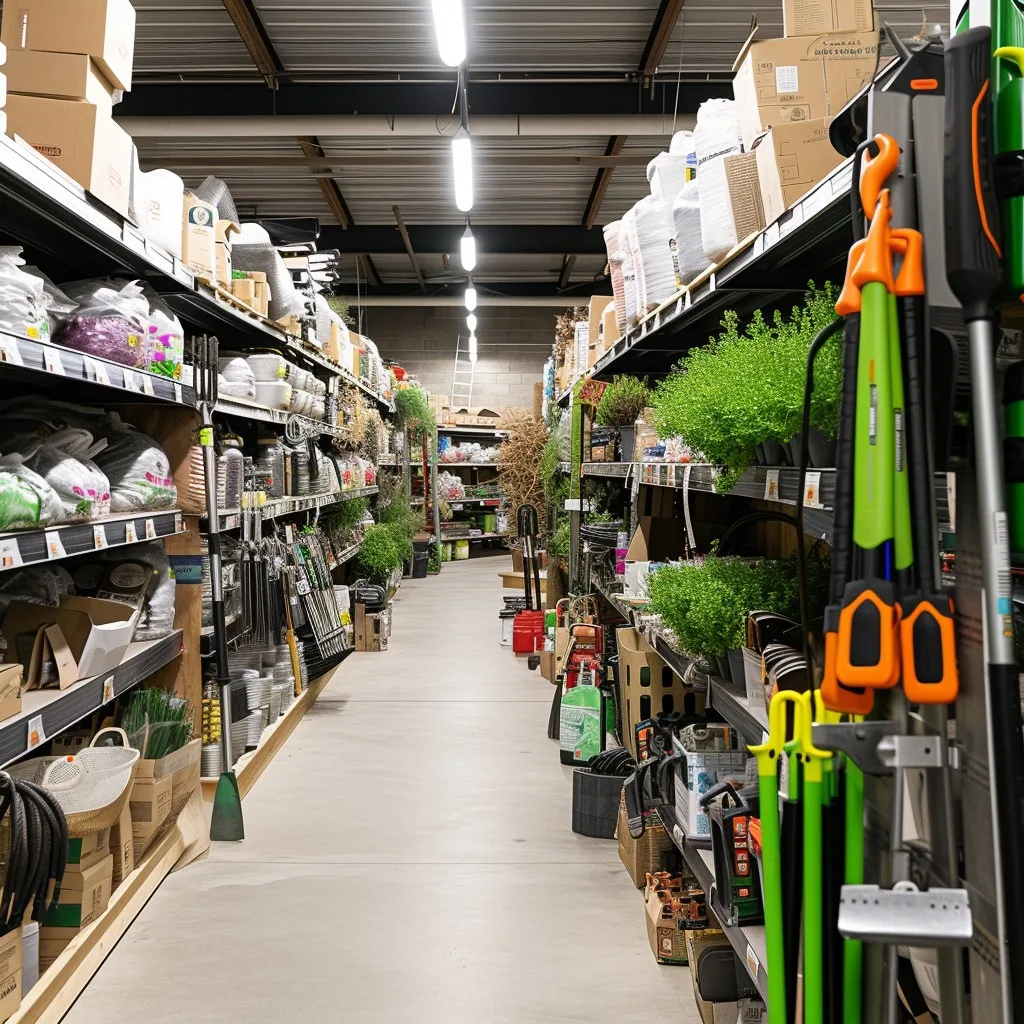
A ferretería is a hardware store, and it's where garden hoses sit alongside connectors, nozzles, and fittings. Walking in and asking for una manguera de jardín gets you to the right aisle quickly.
If you need something specific, here's how to ask:
- ¿Tienen mangueras reforzadas? (Do you have reinforced hoses?)
- ¿Cuánto mide esta manguera? (How long is this hose?)
- ¿Qué diámetro tiene? (What diameter does it have?)
- Necesito una manguera de 15 metros. (I need a 15-meter hose.)
Length is almost always given in meters in Spanish-speaking markets. A standard garden hose runs 15 to 30 meters. Knowing that before you shop saves time at the counter.
If you need something that handles higher pressure, like pairing it with a pressure washer, manguera reforzada (reinforced hose) is the specific term to ask about.
Garden Hose Vocabulary in Spanish You'll Actually Need
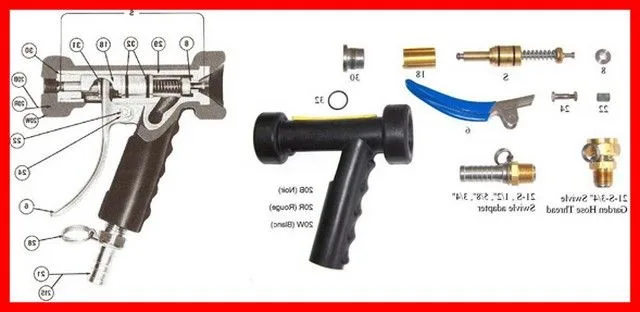
Manguera gets you the hose. These are the words that get you everything connected to it:
| Spanish | English |
|---|---|
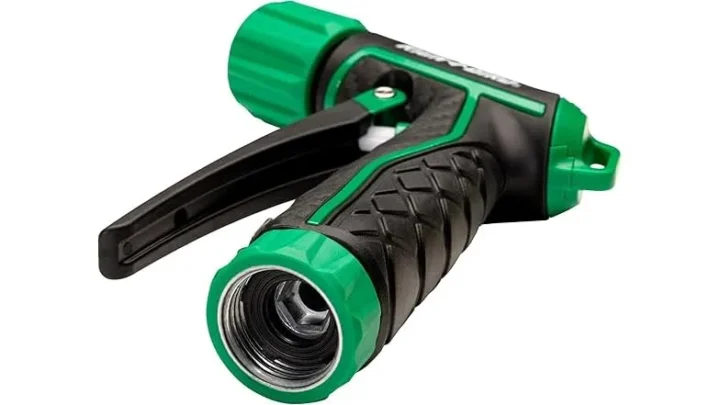
| boquilla | nozzle |
| conector de manguera | hose connector |
| carrete de manguera | hose reel |
| grifo (Spain) / llave (Latin America) | tap / faucet |
| aspersor | sprinkler |
| regadera | watering can |
| manguera reforzada | reinforced hose |
| manguera flexible | flexible hose |
| diámetro interno | internal diameter |
| riego | watering / irrigation |
One word to watch: grifo is standard in Spain, while llave is preferred across most of Latin America. Both mean the same thing. Using the regional term helps you sound more natural.
When matching connectors and fittings, the internal diameter of the hose matters. In Spanish, ask about the diámetro interno or calibre when you need an exact match.
Mistakes English Speakers Make When Using Manguera
Using the wrong article. The gender error is the most common slip. El manguera is wrong in every dialect. Drill la manguera from day one and correct yourself whenever it comes out wrong.
Stressing the wrong syllable.MAN-gweh-rah sounds foreign to native ears. The stress belongs on the middle syllable: man-GEH-rah. A few deliberate repetitions of the correct version is all it takes to reset the habit.
Using "manguera de agua" instead of "manguera de jardín." Both are understood, but manguera de jardín is the more natural phrase in an outdoor or garden setting. When in doubt, just say manguera and let the context explain the rest.
Frequently Asked Questions About Saying Garden Hose in Spanish
What is the most common Spanish word for garden hose?
Manguera is the standard Spanish word for garden hose, used across Mexico, Latin America, Spain, and U.S. Latino communities. The full phrase manguera de jardín is more specific, but in most everyday contexts manguera alone is enough.
It's understood the same way across every major Spanish-speaking country.
How do you pronounce manguera correctly?
Pronounce it man-GEH-rah, with the stress on the second syllable. The g is hard, like the g in "garden." The most common mistake is stressing the first syllable: MAN-gweh-rah. A few repetitions out loud is usually enough to make the correct version stick.
Is manguera masculine or feminine in Spanish?
Manguera is feminine. Use la manguera (the hose) and una manguera (a hose). Never el manguera or un manguera.
The plural is las mangueras. Nouns ending in -era are almost always feminine in Spanish, which makes this pattern easier to remember over time.
What is the difference between manguera and manga?
Manguera means garden hose or water hose. Manga primarily means sleeve and is also the Spanish word for Japanese comics. While manga appears as informal shorthand for a hose in some older Spanish usage, it's not the current standard and can cause confusion. Use manguera in every context.
How do you ask for a garden hose at a Spanish hardware store?
Say Necesito una manguera de jardín (I need a garden hose) or ¿Tienen mangueras de jardín? (Do you have garden hoses?). Add a length if you need one, like de 15 metros. Staff at any ferretería will know exactly what you're looking for.
What other Spanish garden hose vocabulary should I know?
The most useful terms: boquilla (nozzle), conector de manguera (hose connector), carrete de manguera (hose reel), and aspersor (sprinkler). For the tap, use grifo in Spain and llave in Latin America. Knowing these alongside manguera means you can handle the full conversation, not just ask for the hose.

Similar Posts